How to choose where to live when you move to Madrid: a practical guide to making a good decision from day one

Where and how is it best to live if you move to Madrid?
The best option for living in Madrid doesn’t depend only on the area, but also on your life stage, who you’re moving with and the level of flexibility you need. Moving on your own for work isn’t the same as moving as a couple, sharing a flat or moving with your pet.
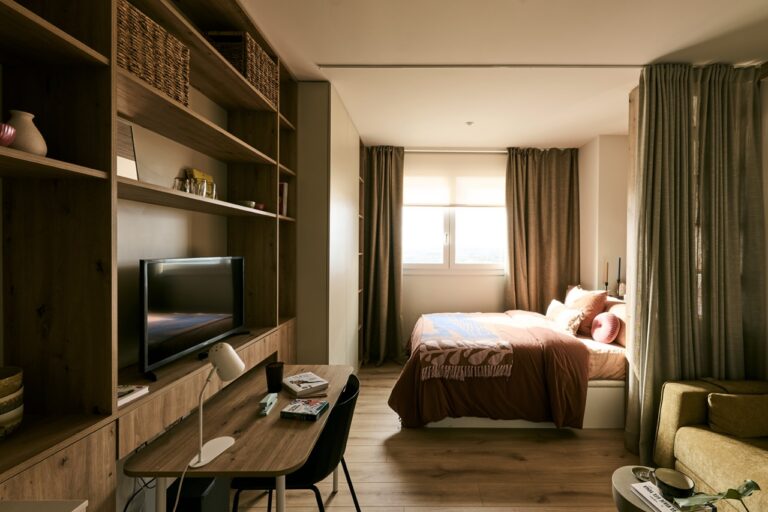
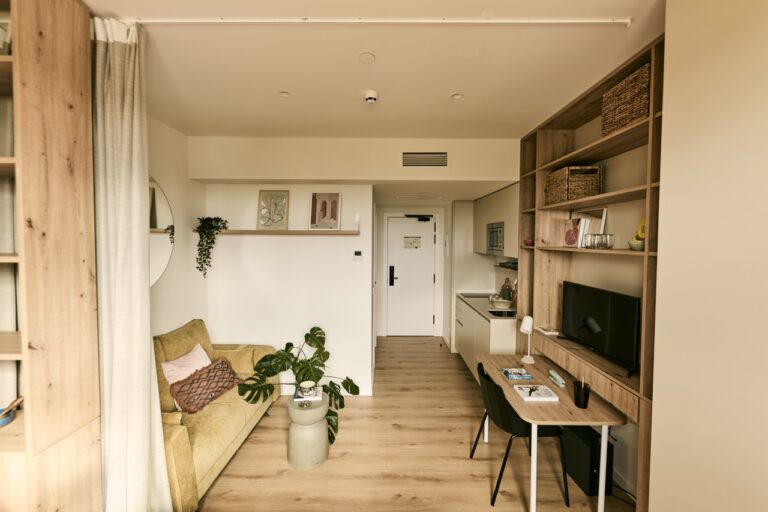
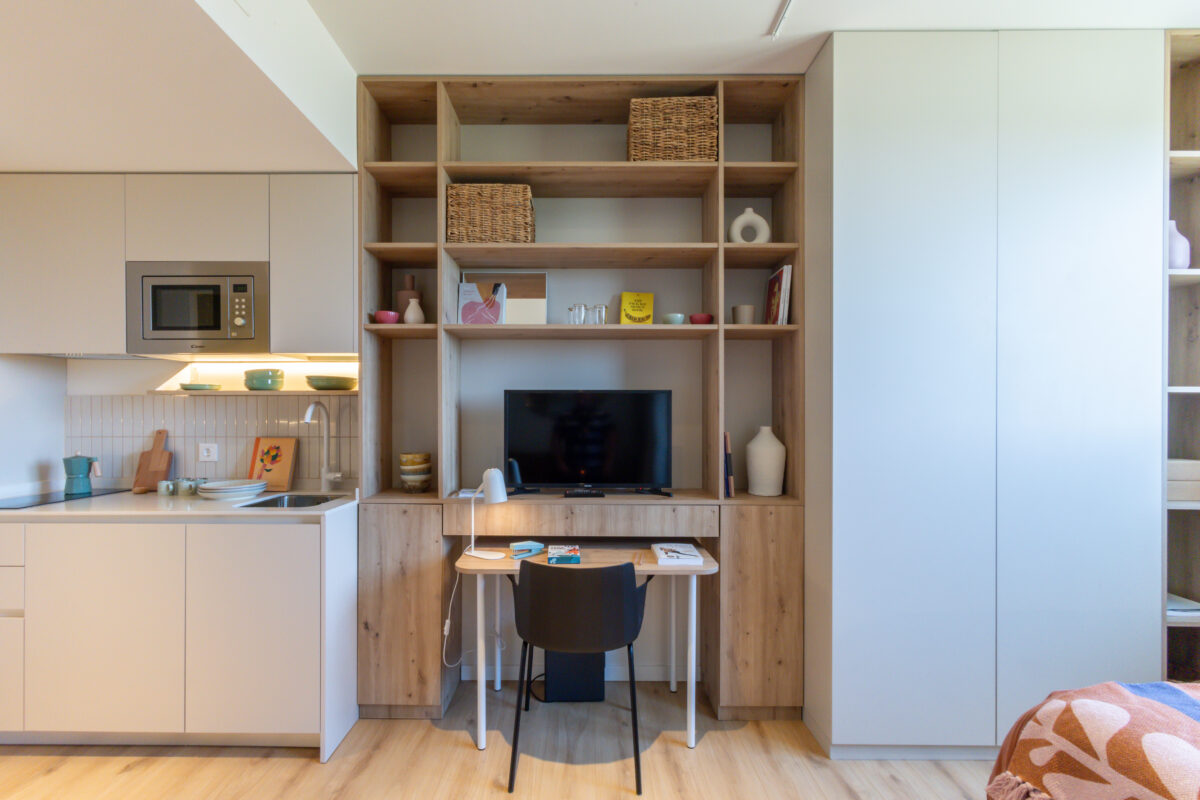
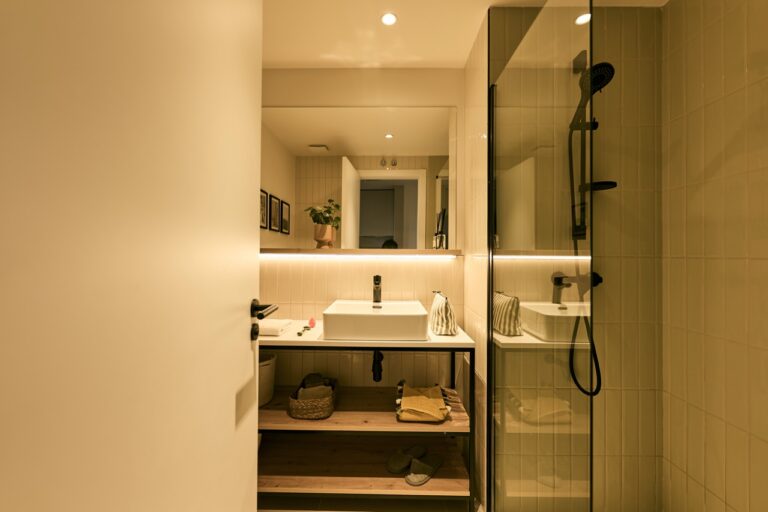
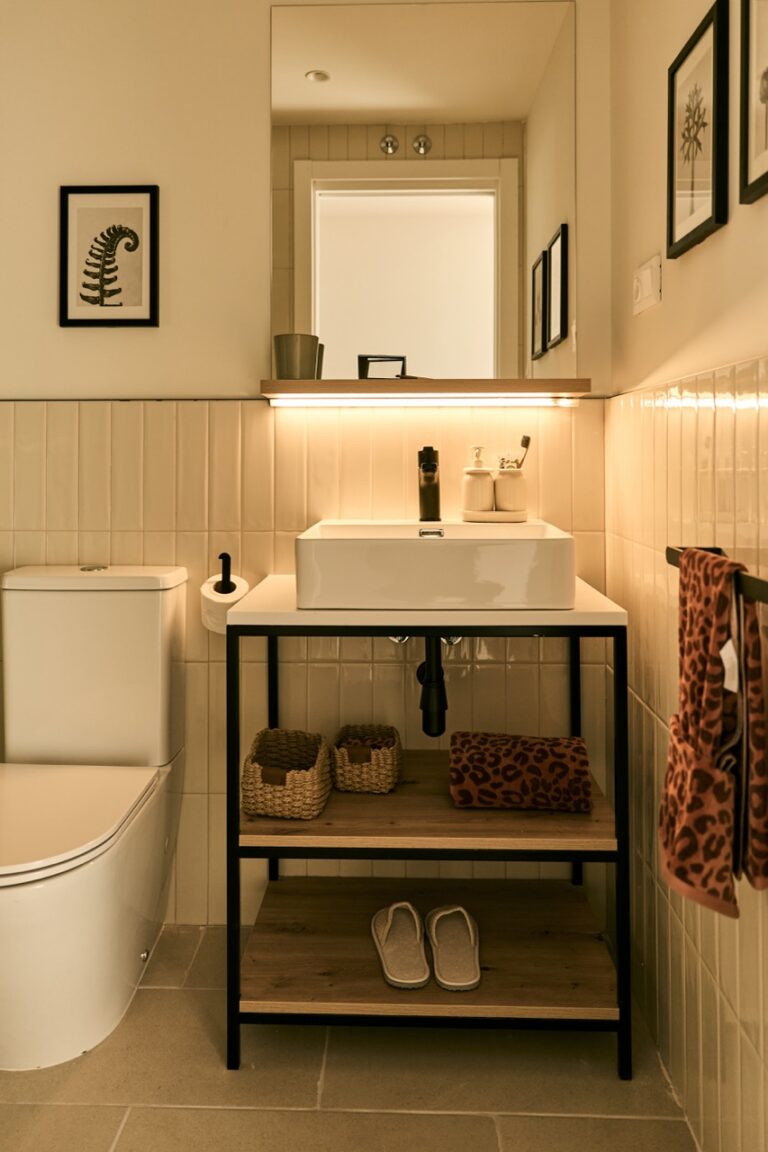
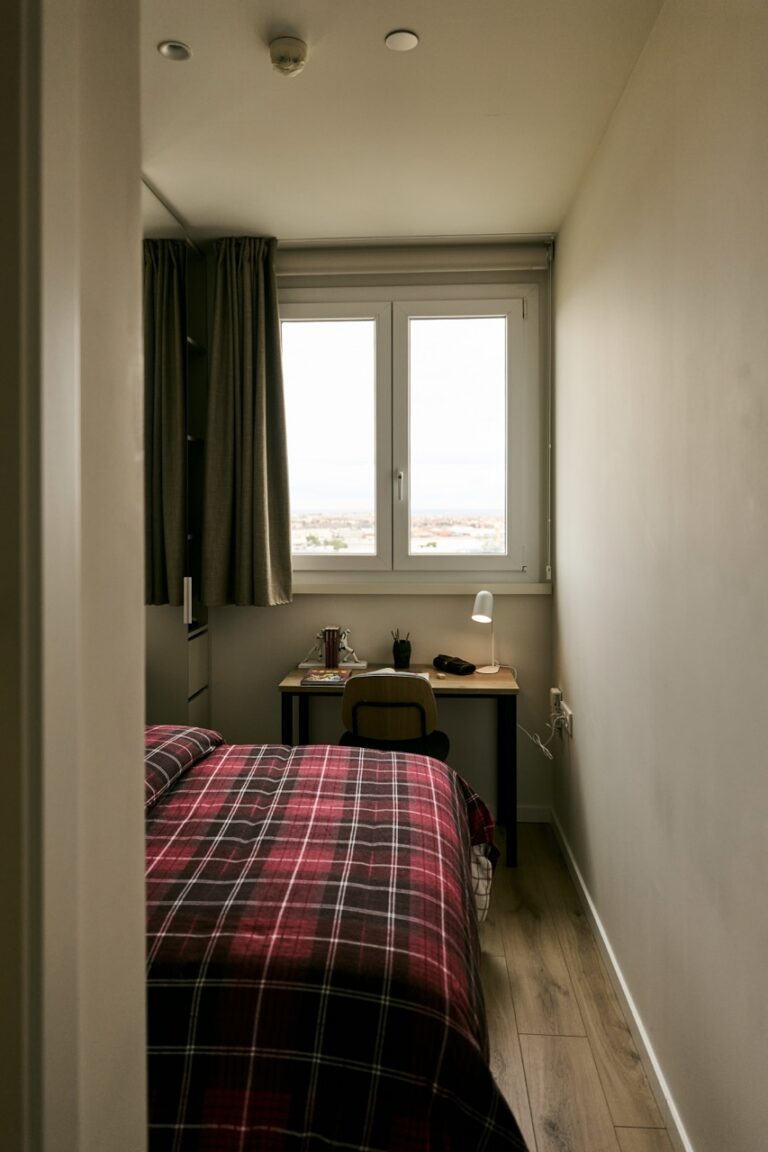
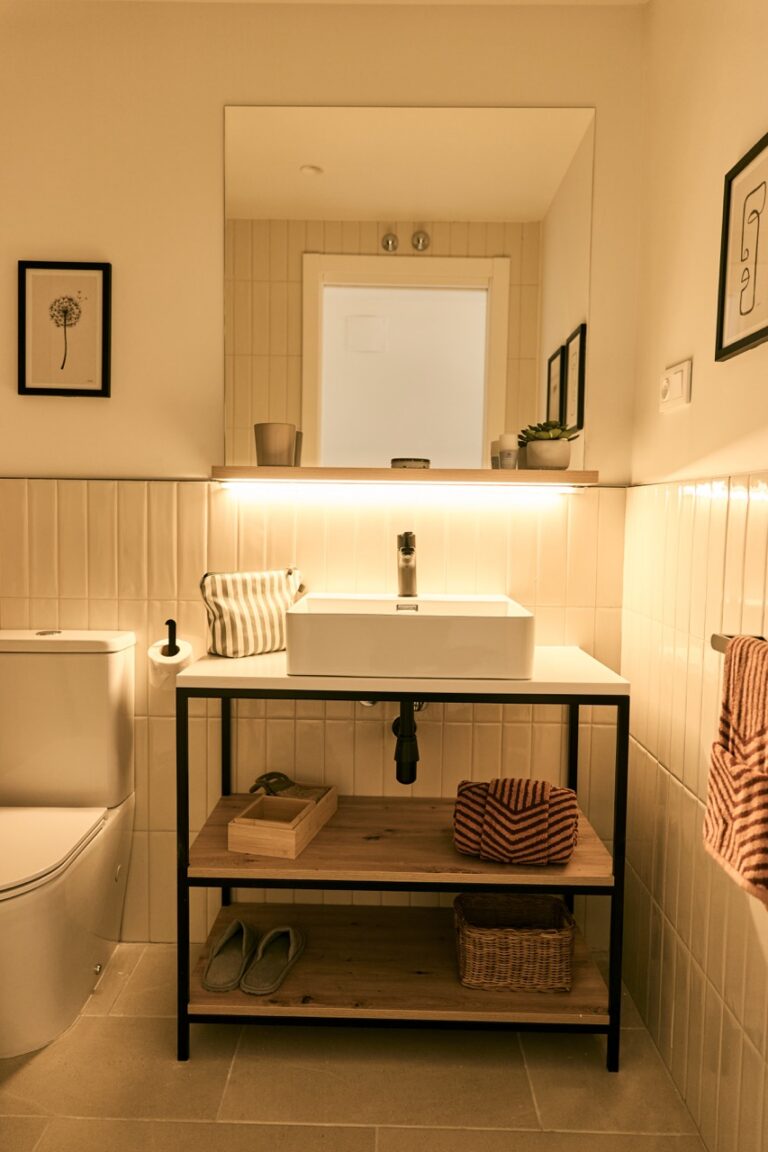
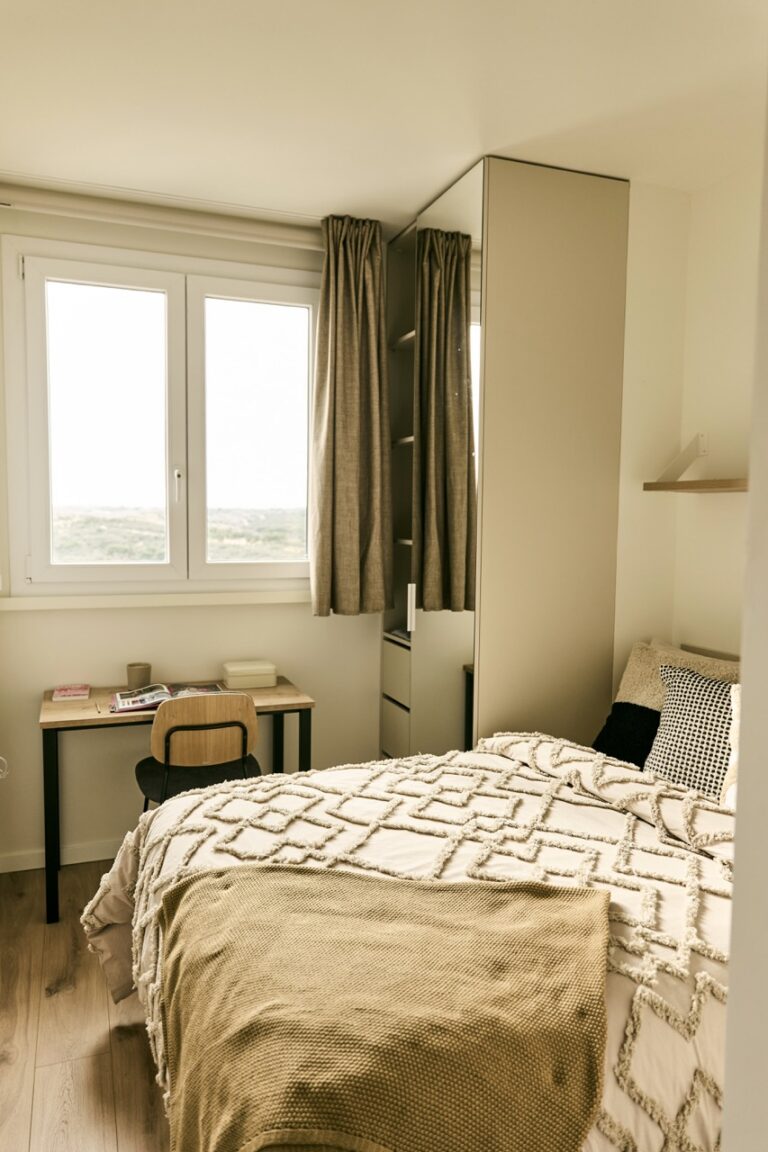
Well-connected, quiet areas such as Alcobendas or San Sebastián de los Reyes, together with new flexible accommodation models such as Be Casa, have become an increasingly valued alternative for those looking for comfort, services and a more complete living experience from day one.
Moving to Madrid is an exciting experience, but it can also raise plenty of questions. It’s a big, diverse city with countless options, so choosing well where to live from the start can make a big difference to your day-to-day.
If you’re planning your move, this guide will help you identify the key aspects to keep in mind and choose the type of accommodation that best fits your lifestyle.
1. Location: beyond the centre
One of the most common mistakes when moving to Madrid is thinking that living right in the centre is the only option. Neighbourhoods like Malasaña, Chueca or La Latina are very appealing, but they tend to be more expensive, noisier and have smaller homes.
More and more people are prioritising well-connected, quiet areas with a better quality of life. Madrid has a very efficient public transport network, metro, suburban trains and buses, which lets you live just minutes from the centre without having to be in it.
Areas worth considering
Areas such as Alcobendas or San Sebastián de los Reyes stand out for offering:
- Excellent connections to central Madrid
- Services, shops and nearby green areas
- A more relaxed, comfortable everyday environment
👉 Key tip: look for areas that combine good connections, nearby services and green spaces.
2. Type of accommodation: traditional rental vs. Flex Living
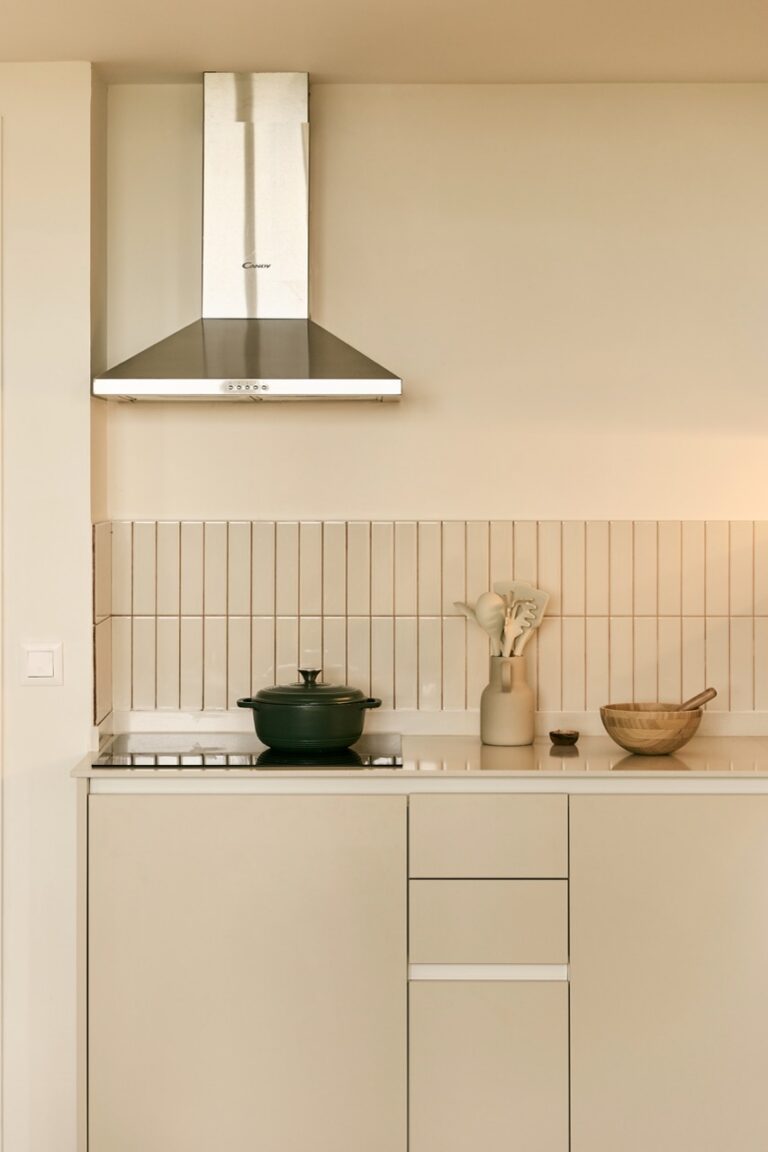
Traditional renting in Madrid usually means long contracts, complex paperwork, high upfront costs and unfurnished homes. This can be impractical if you’re moving for work, studies or if you’re not sure how long you’ll stay.
For this reason, Flex Living has become an increasingly sought-after alternative, as it adapts to different paces and personal situations.
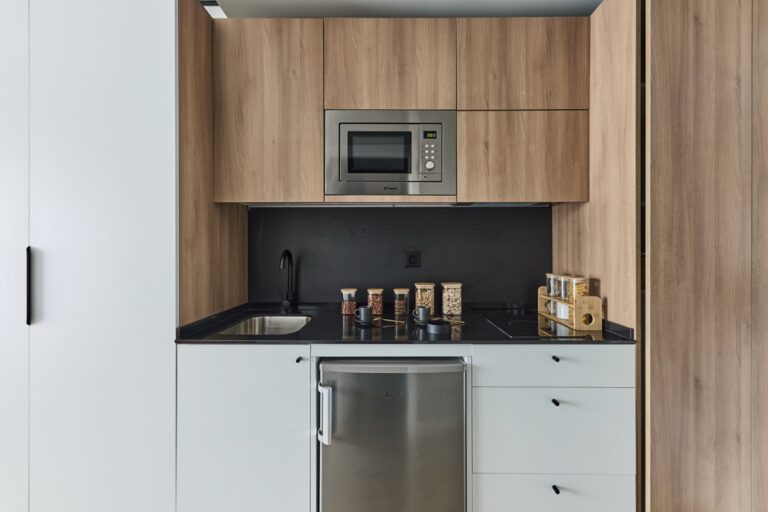
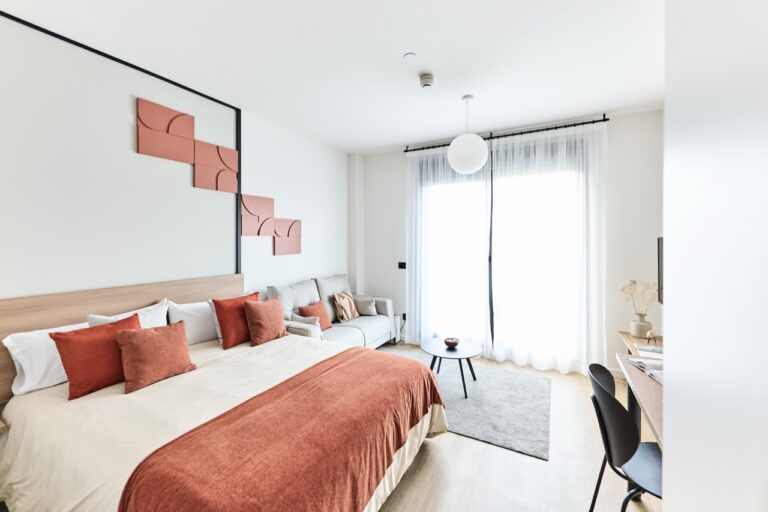
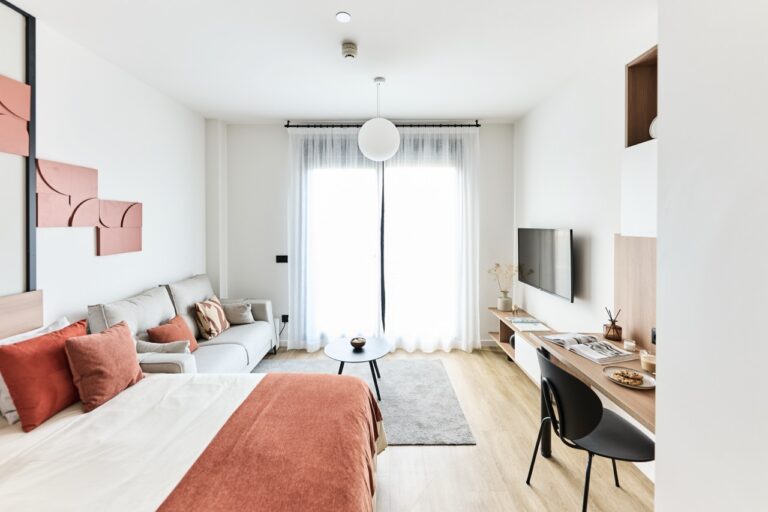
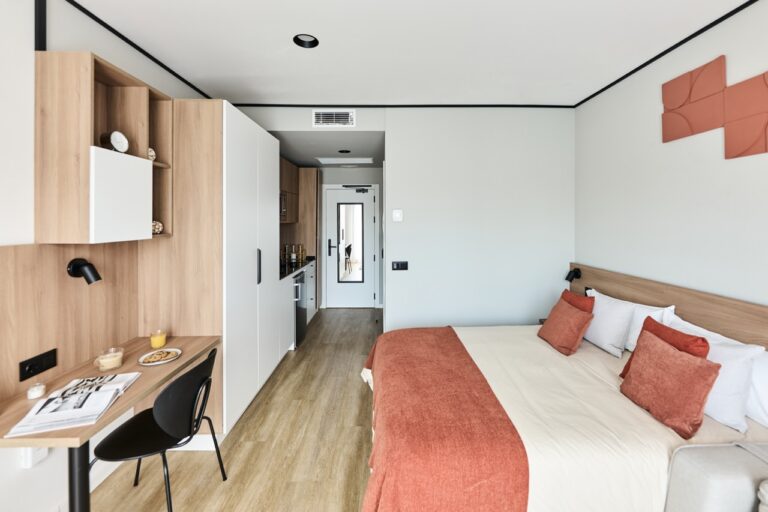
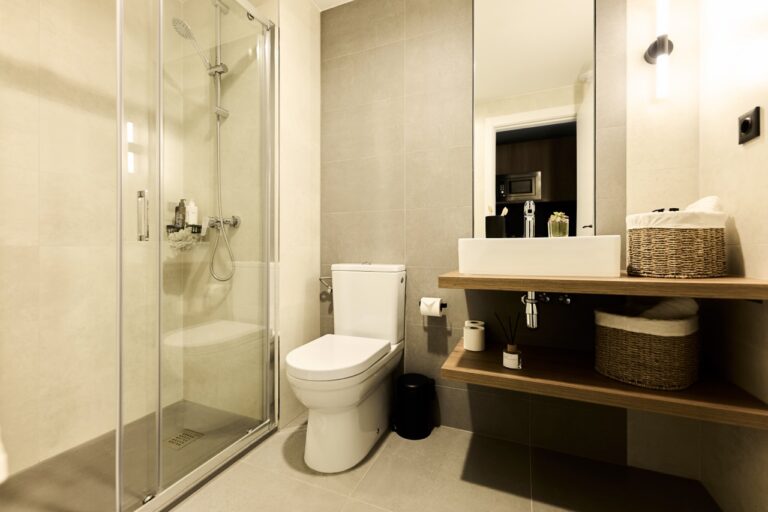
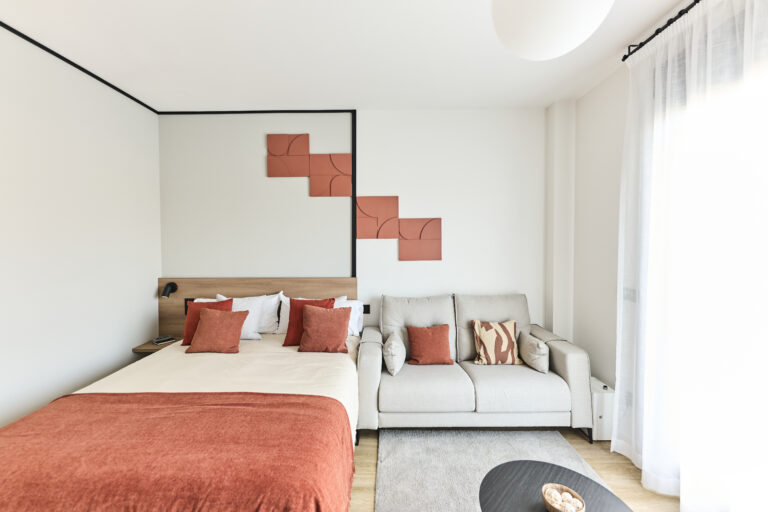
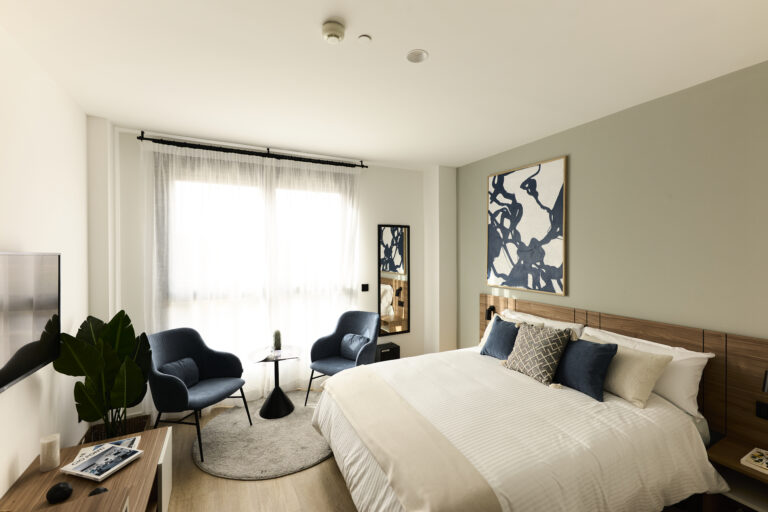
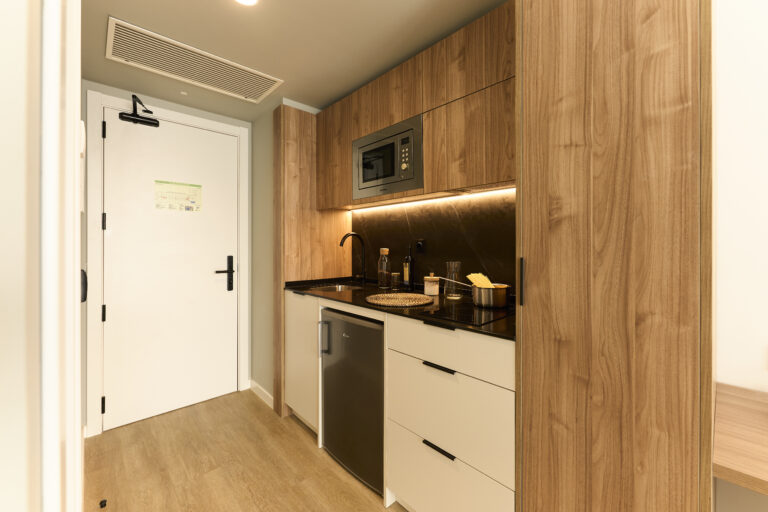
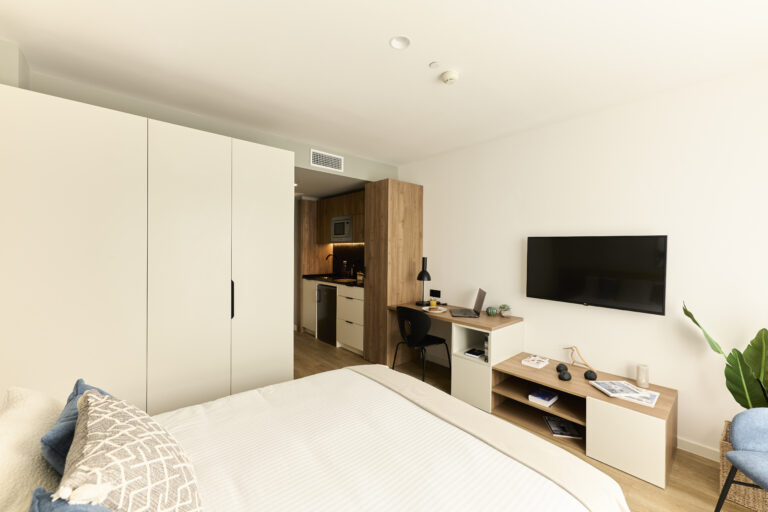
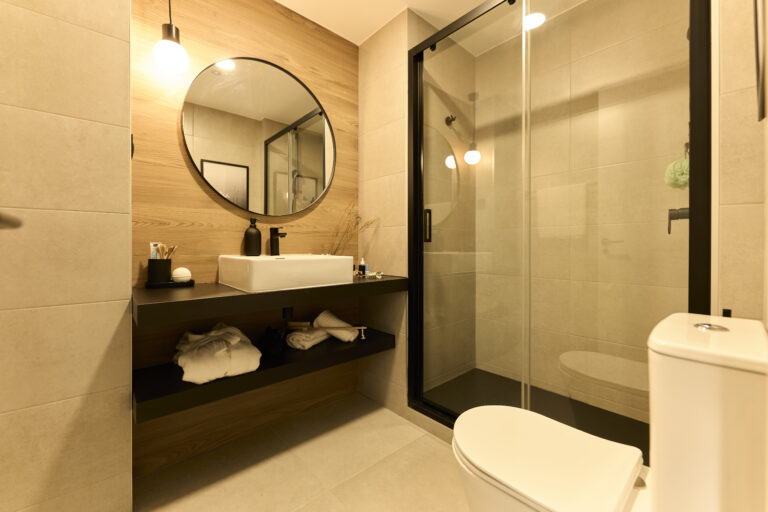
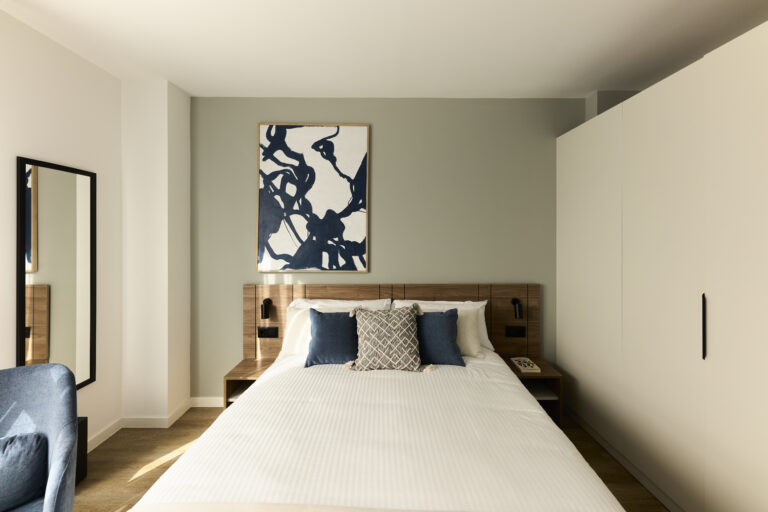
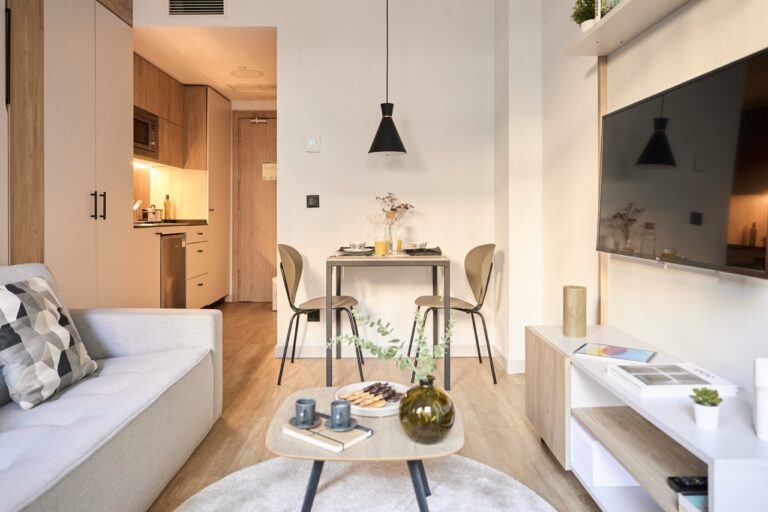
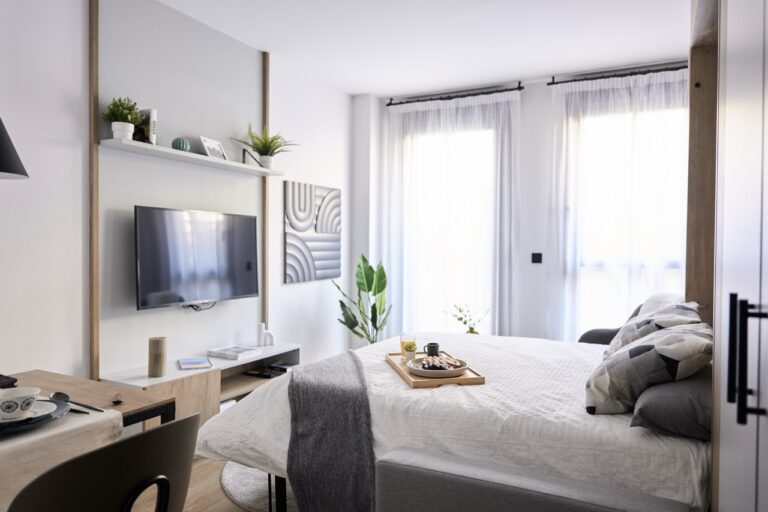
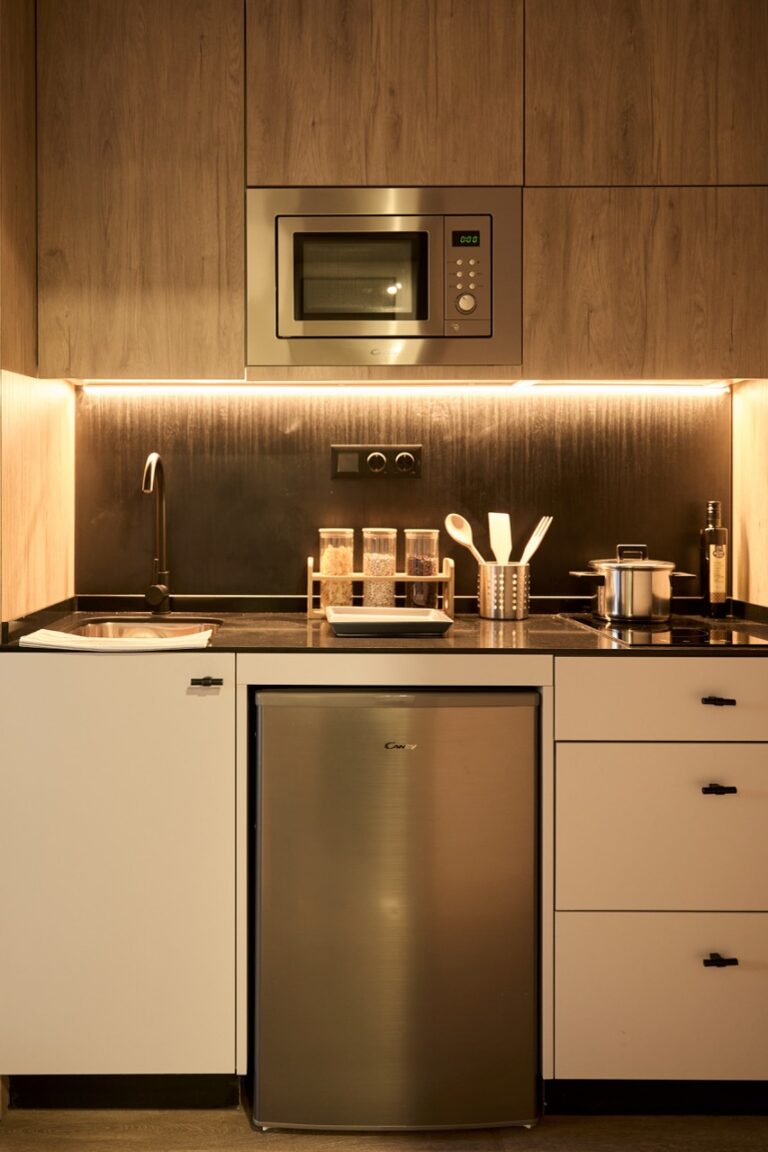
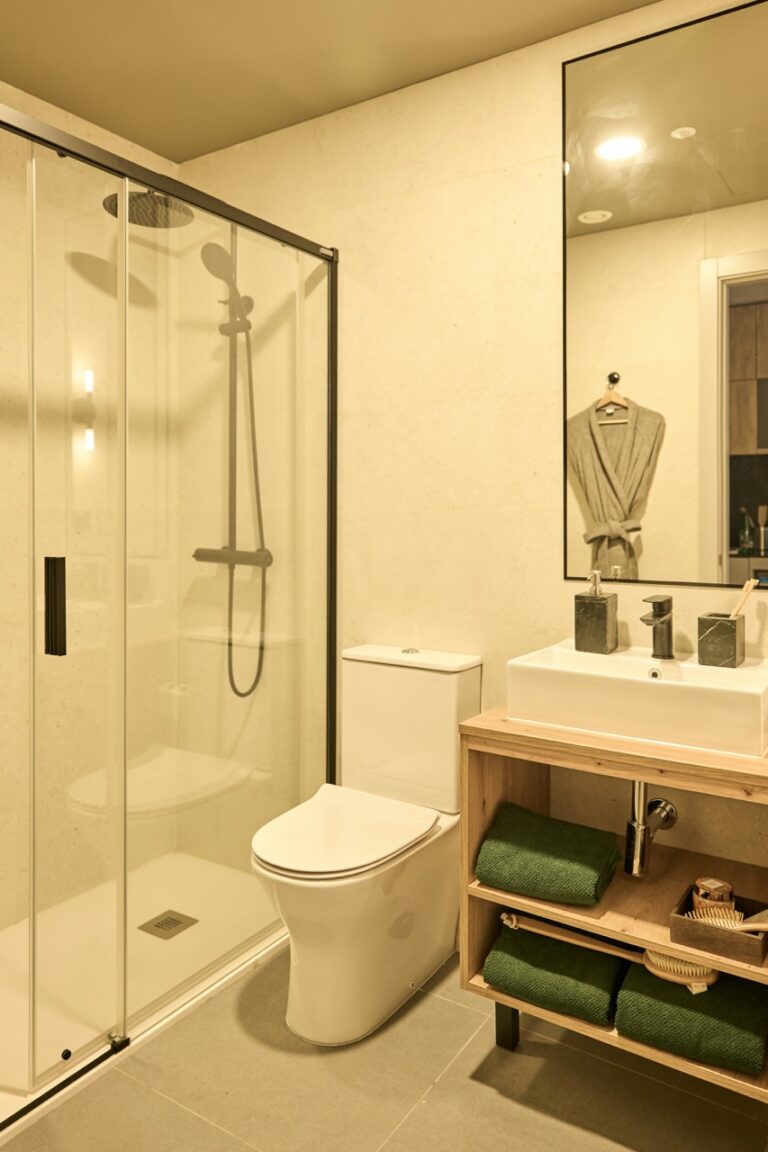
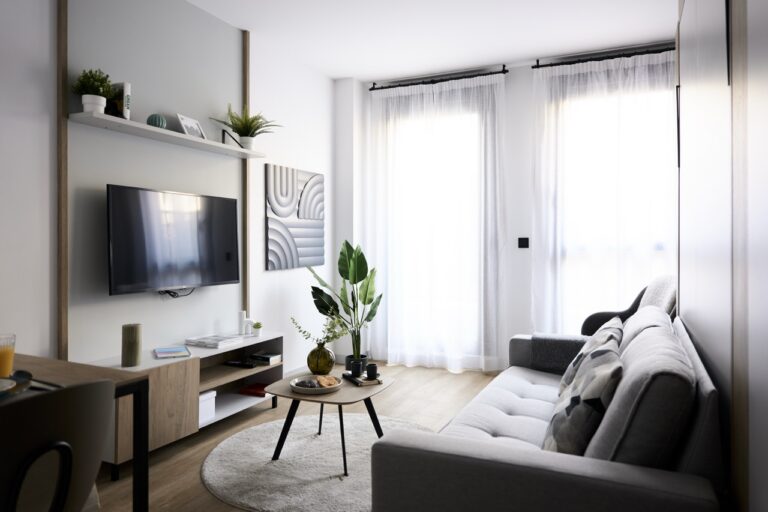
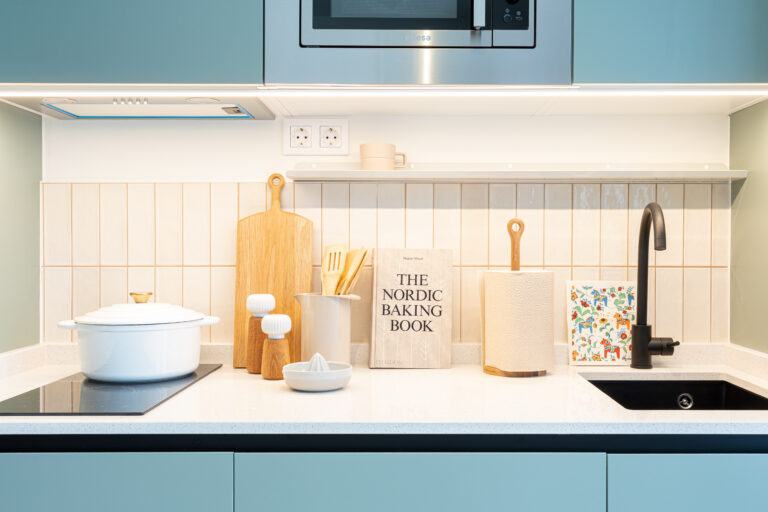
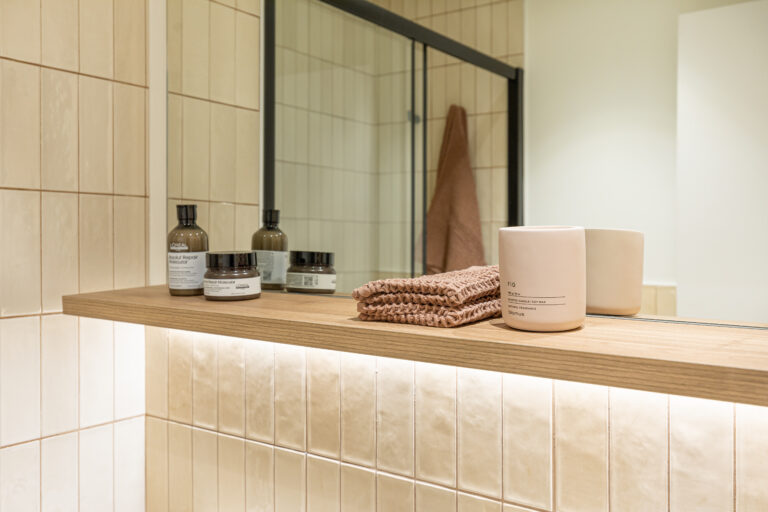
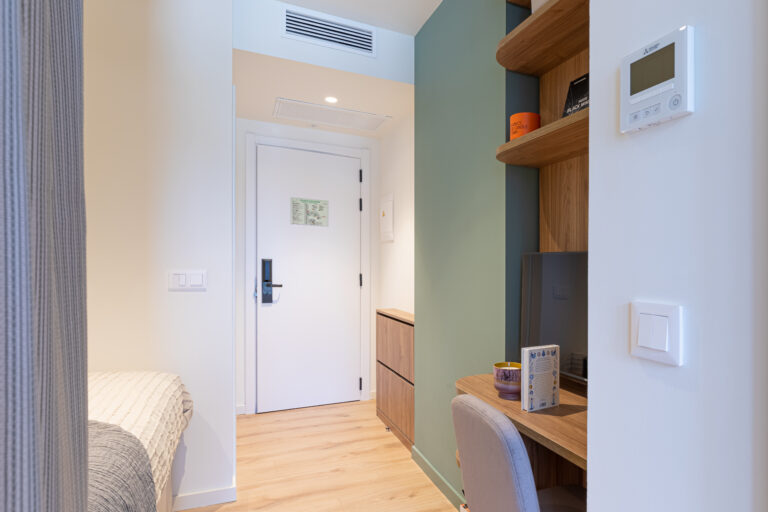
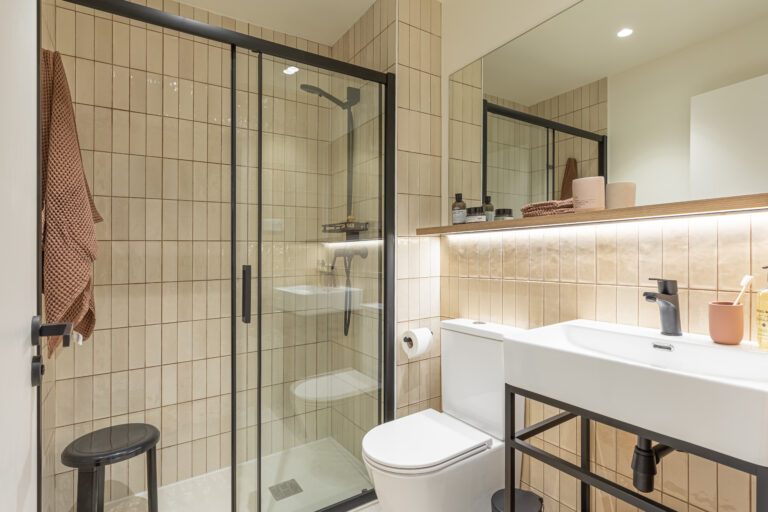
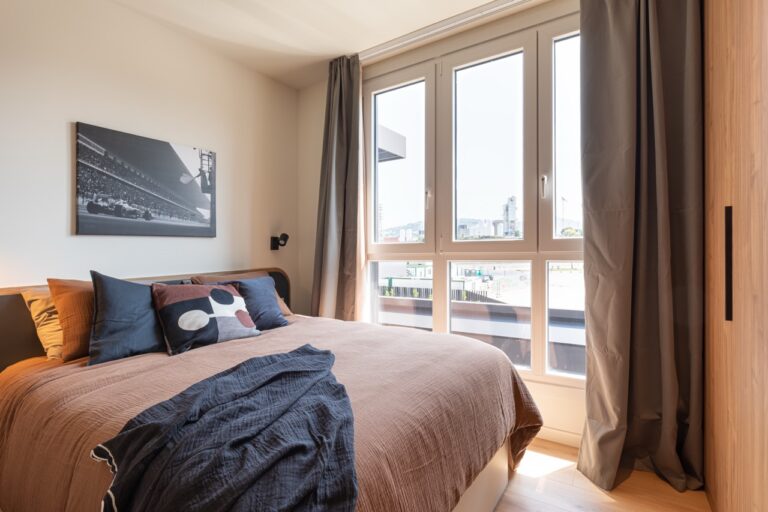
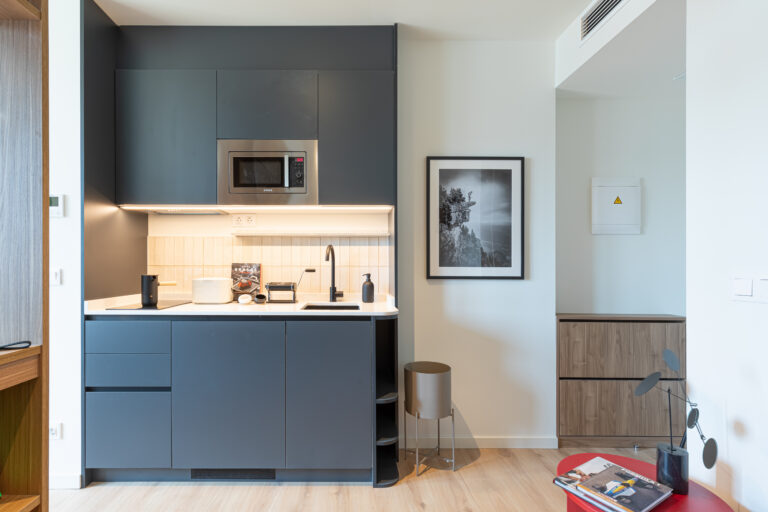
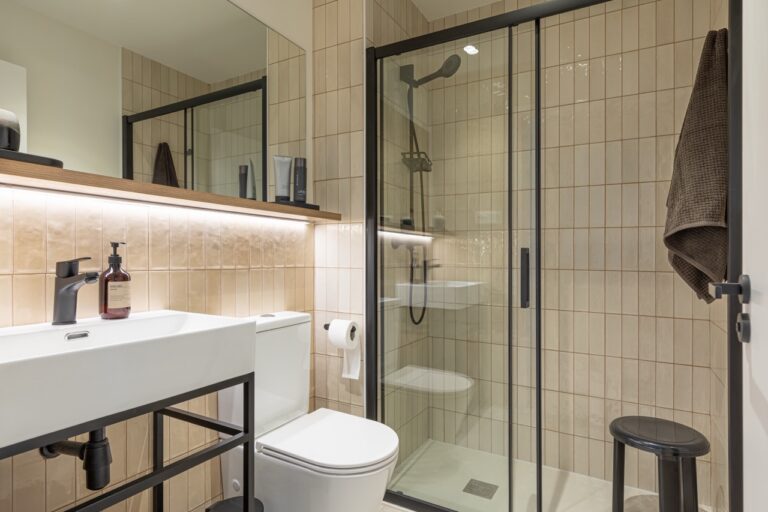
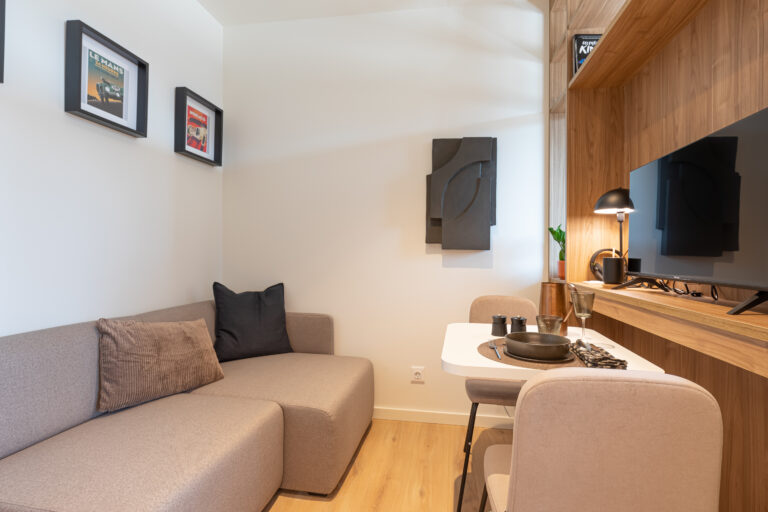
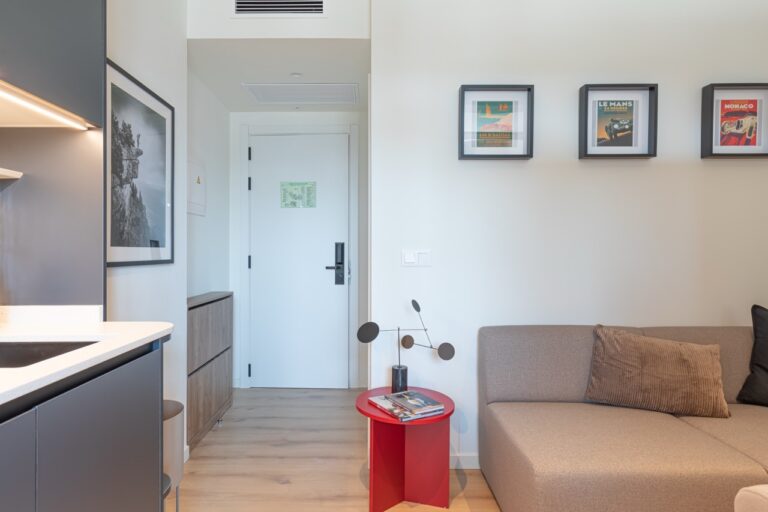
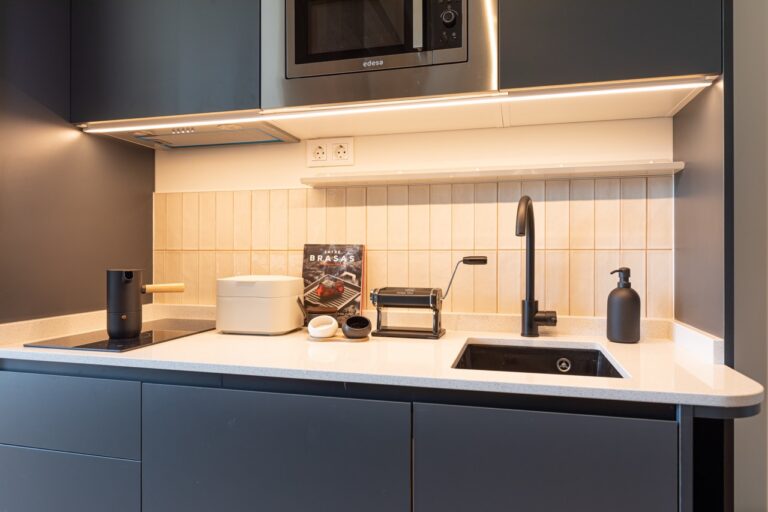
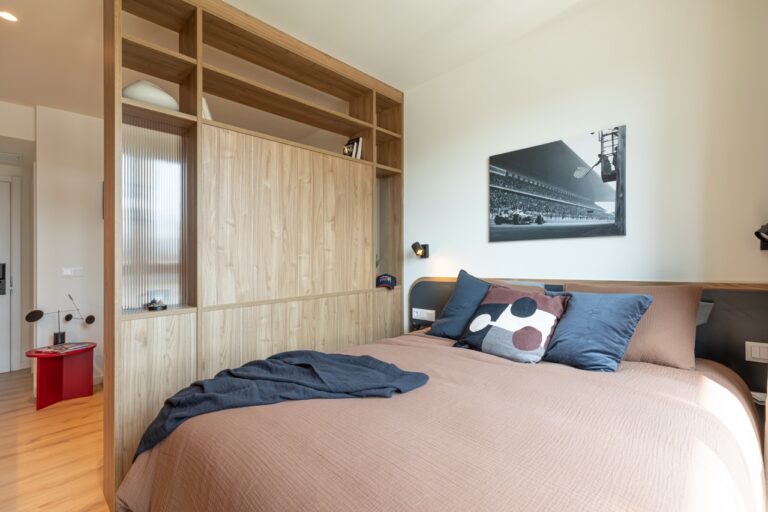
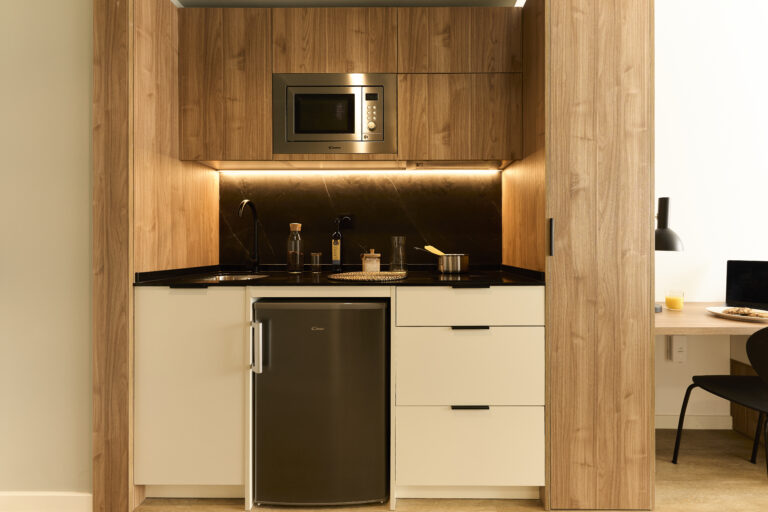
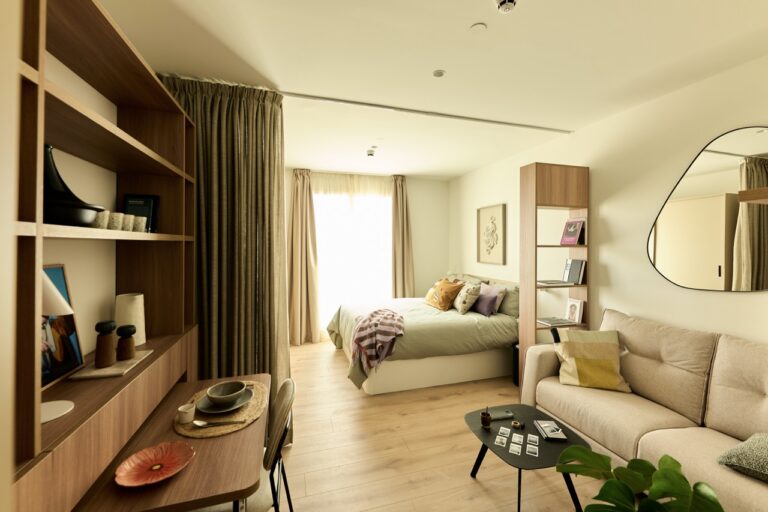
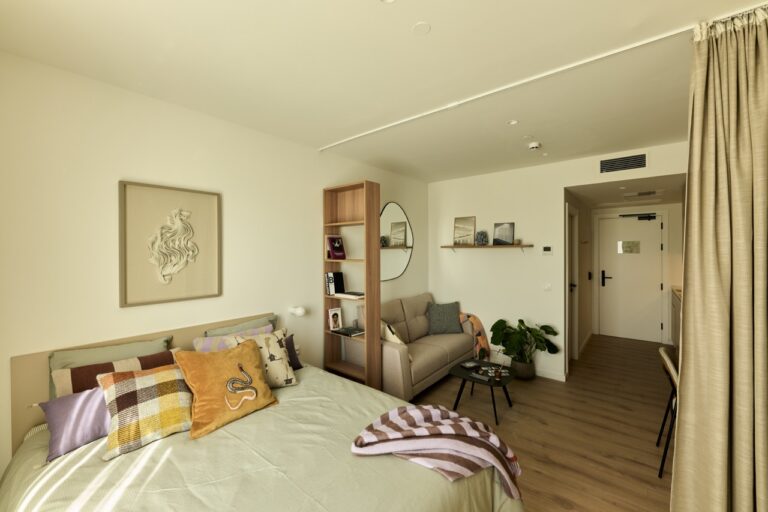
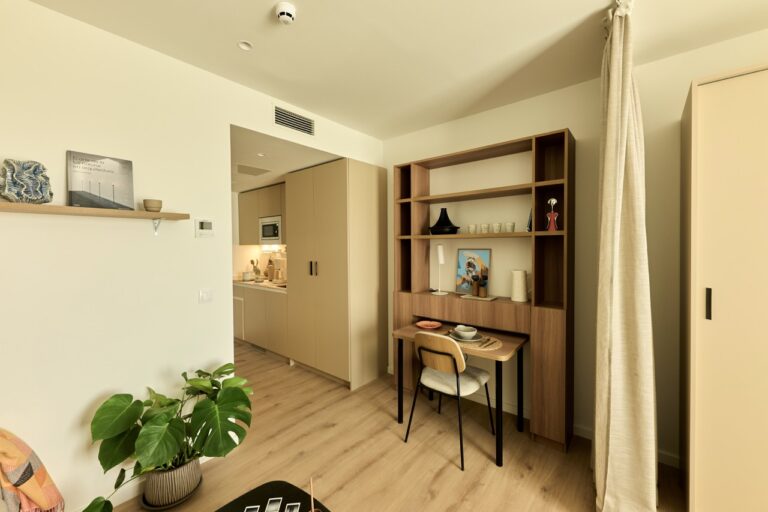
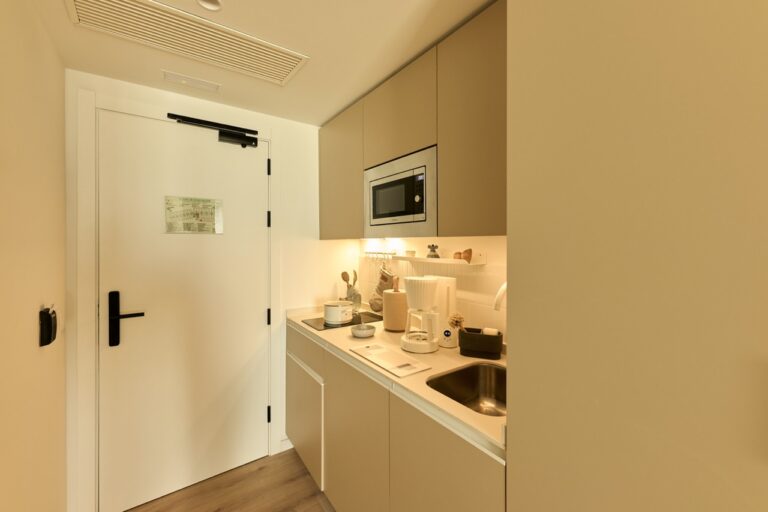
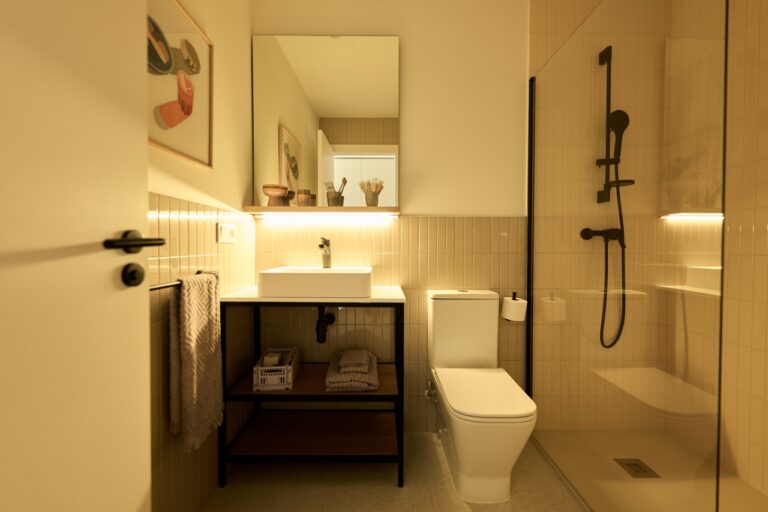
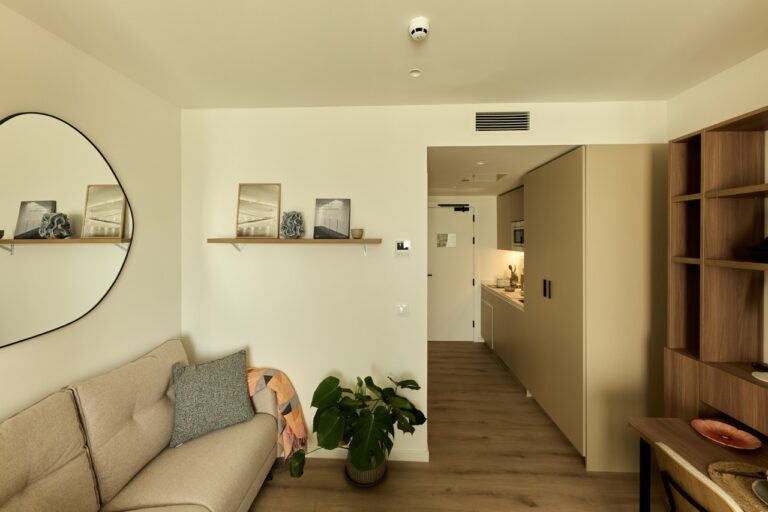
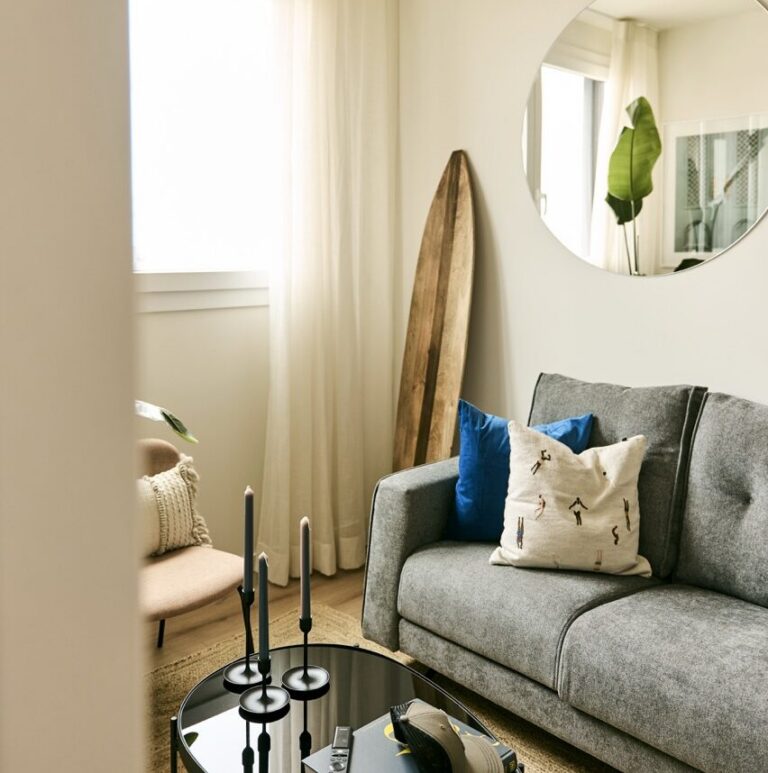
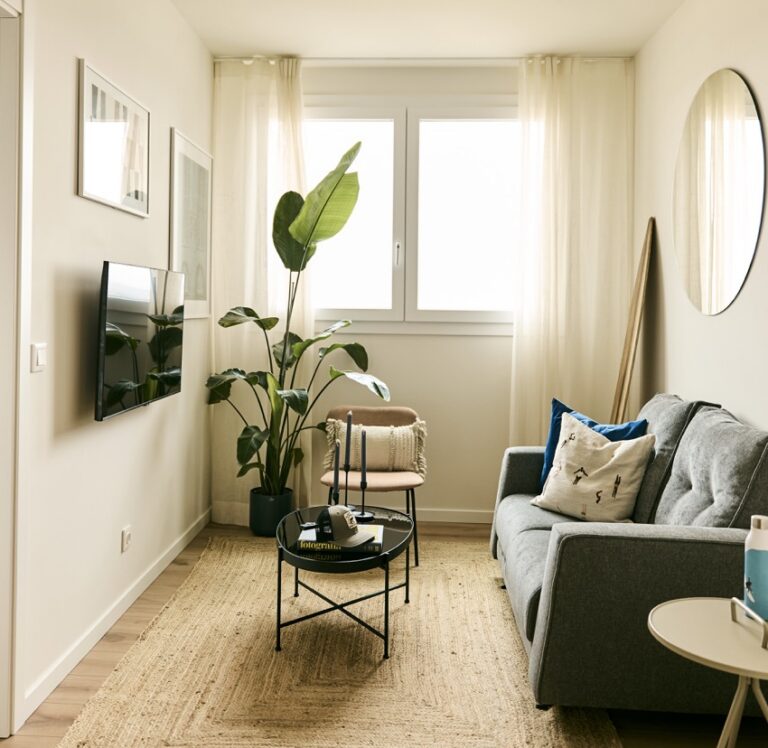
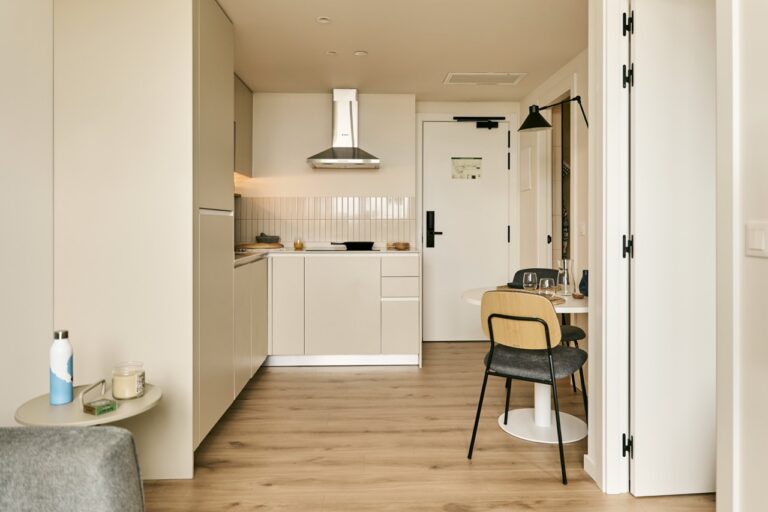
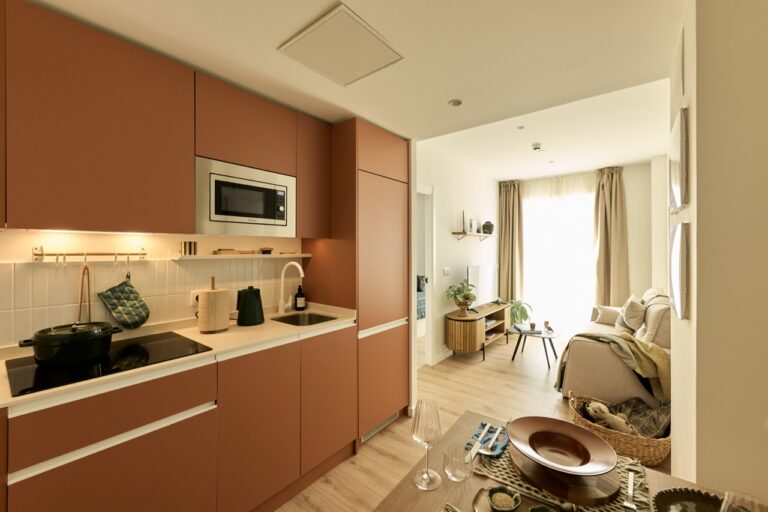
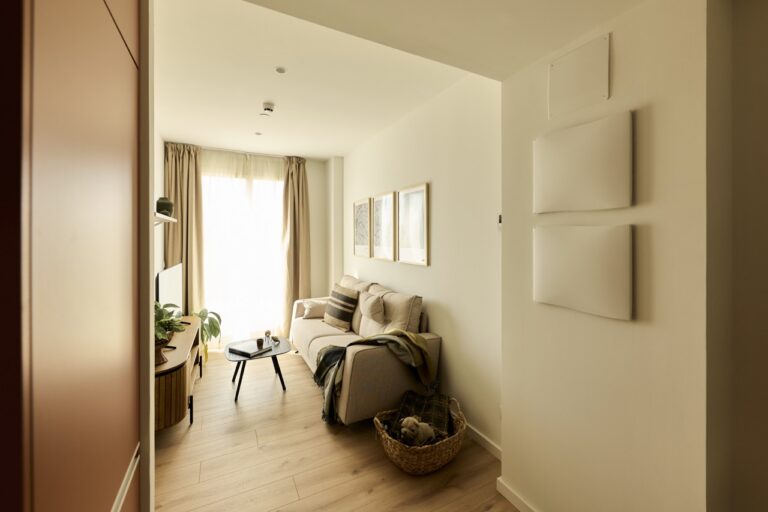
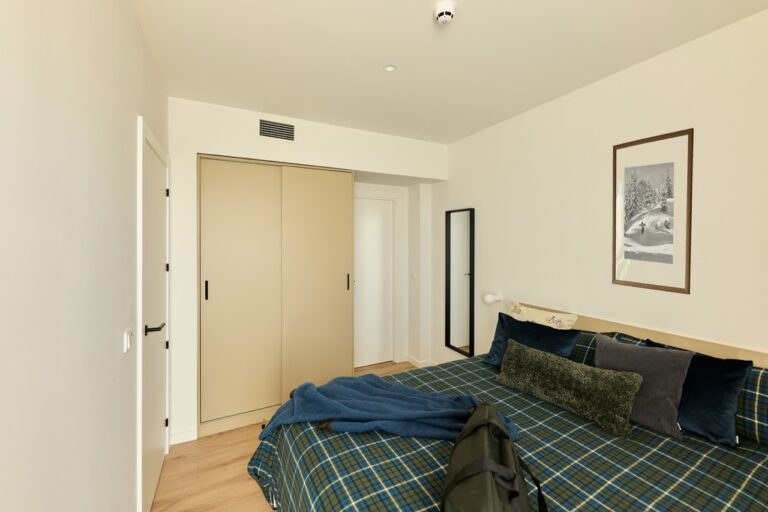
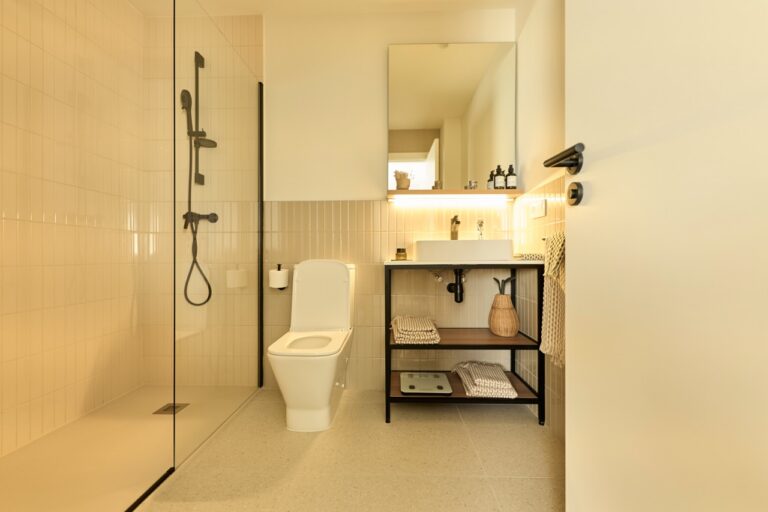
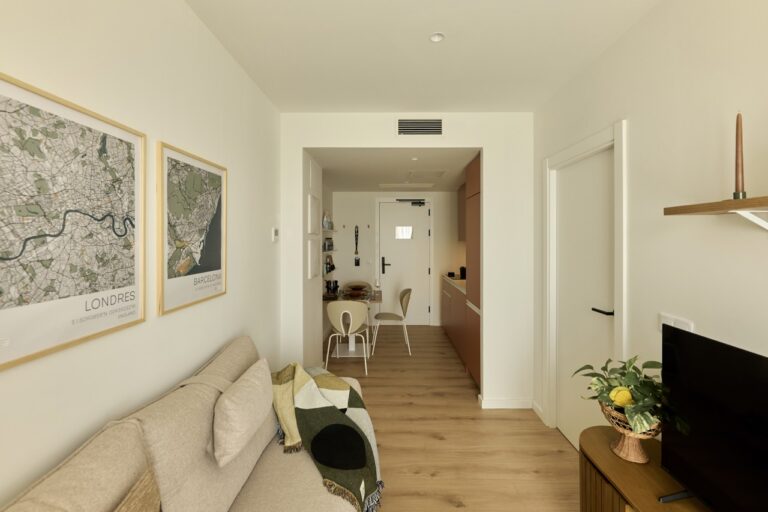
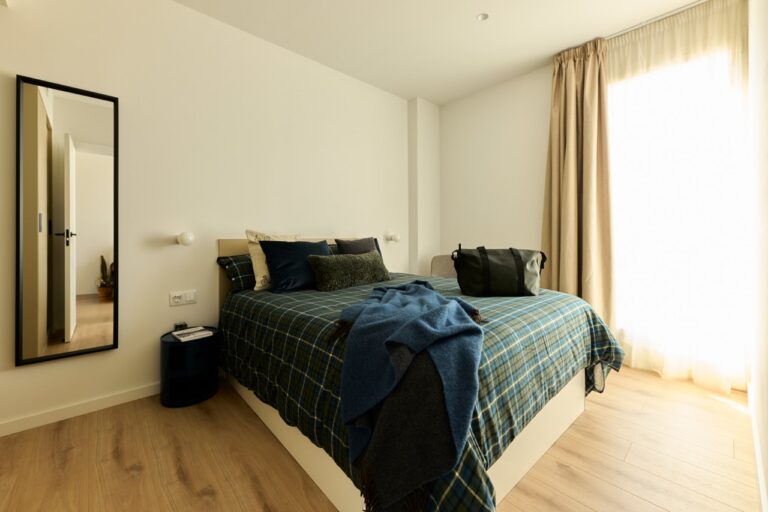
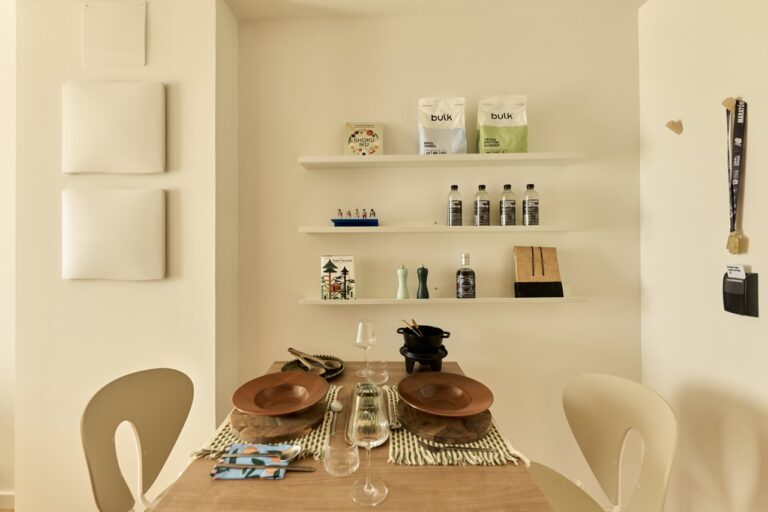
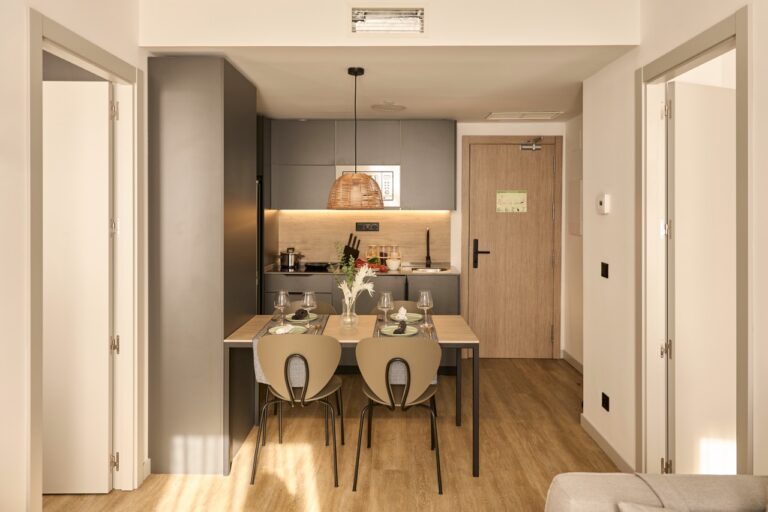
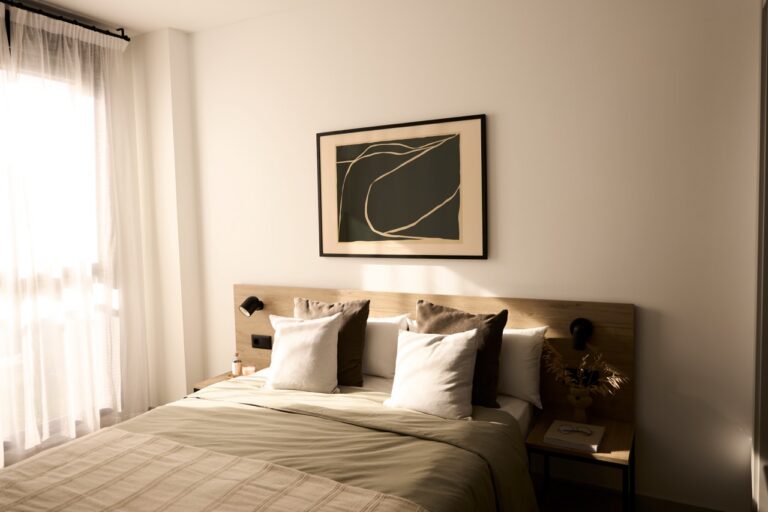
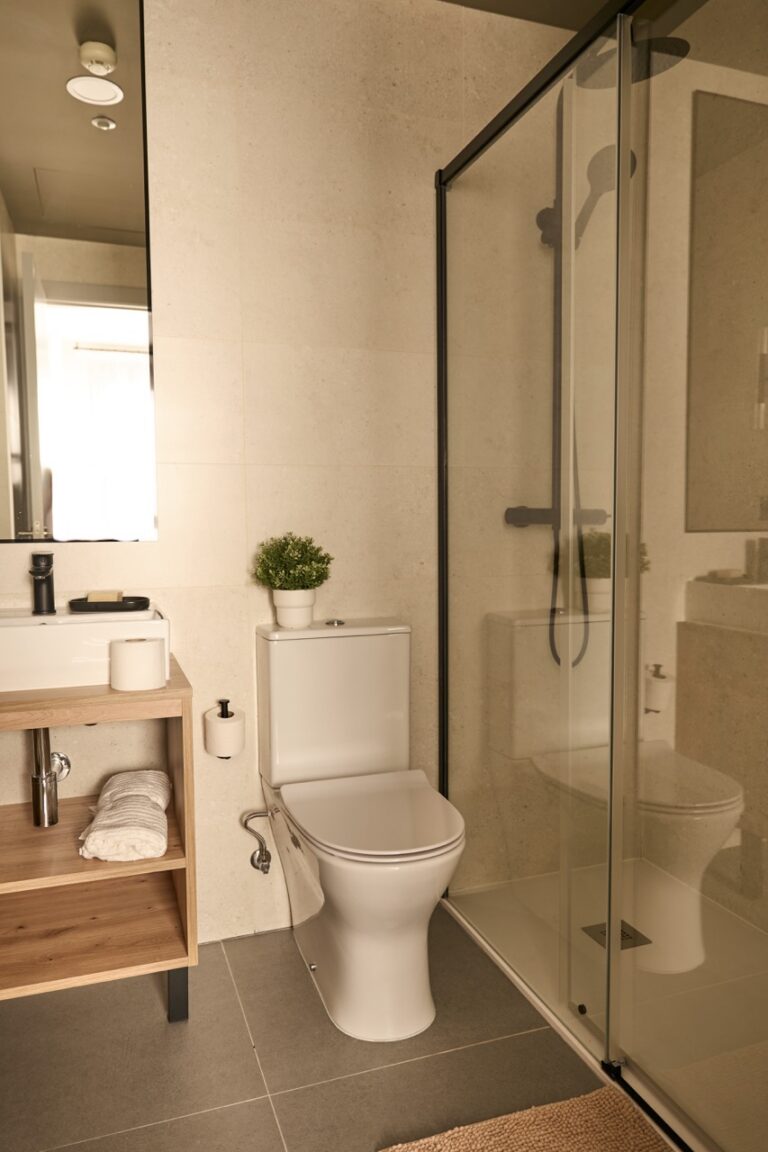
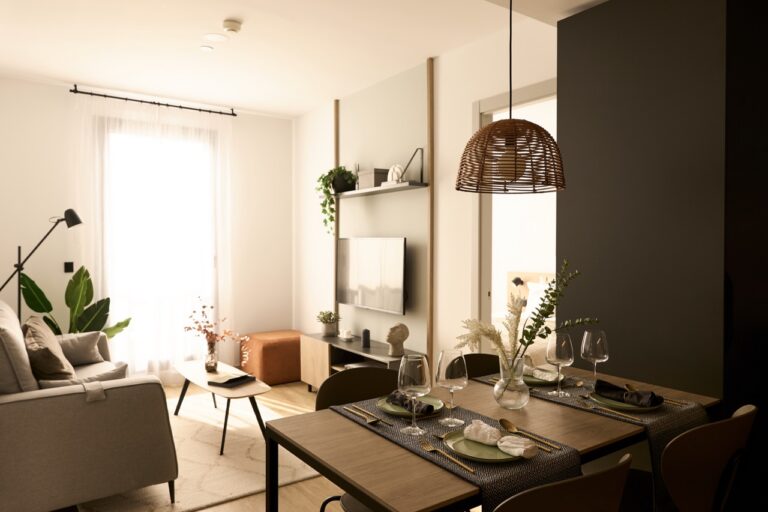
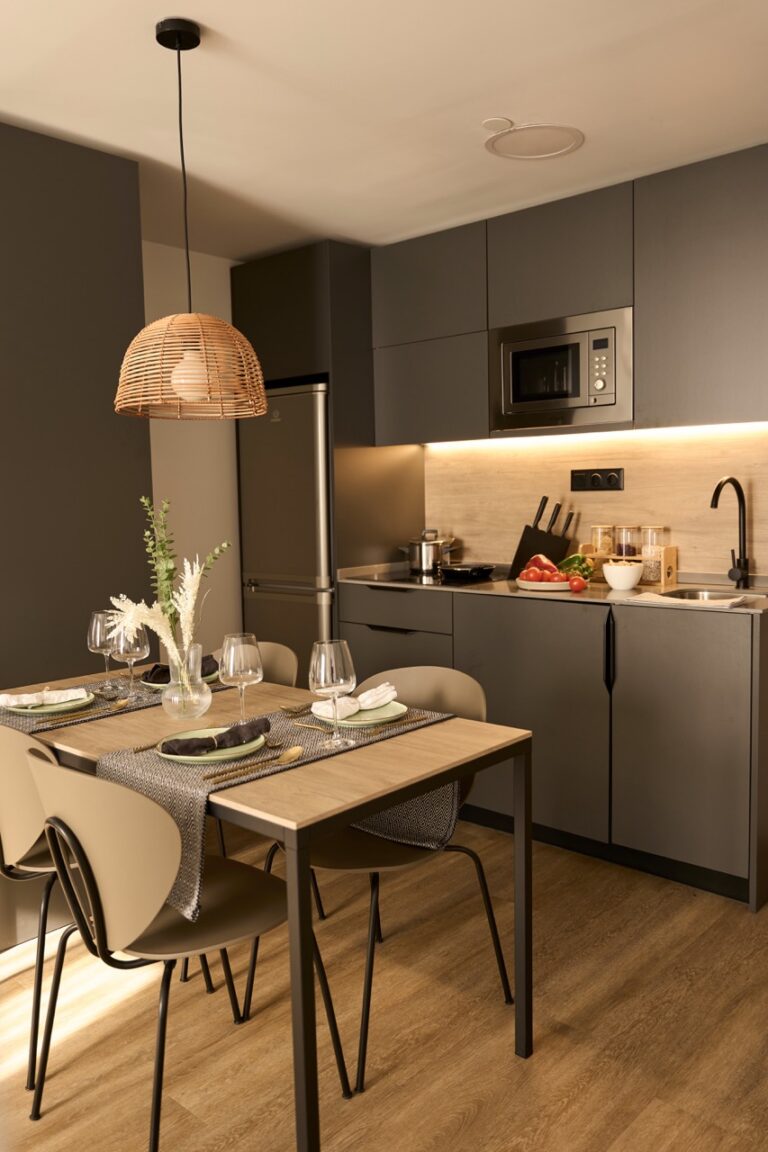
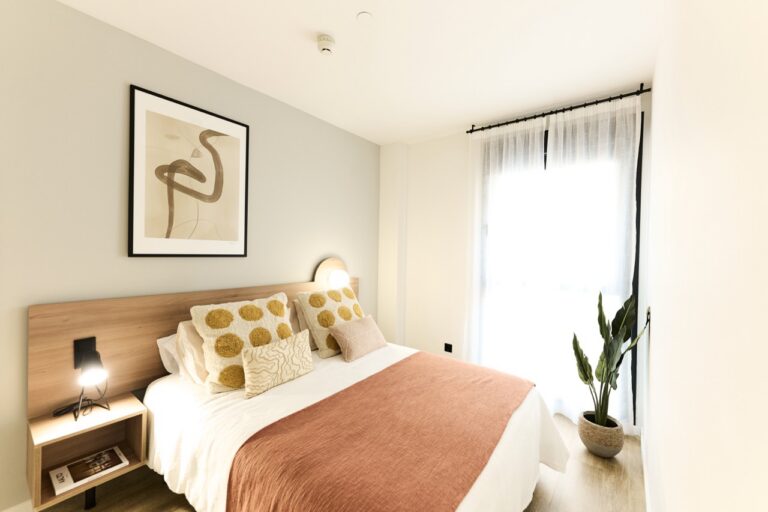
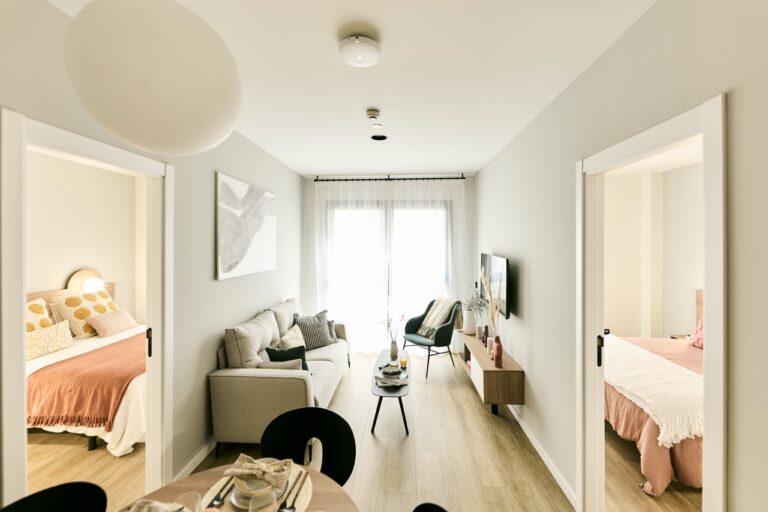
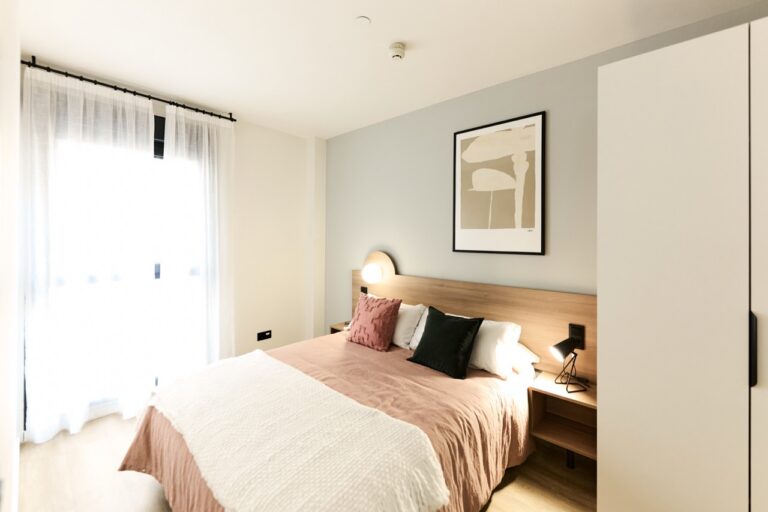
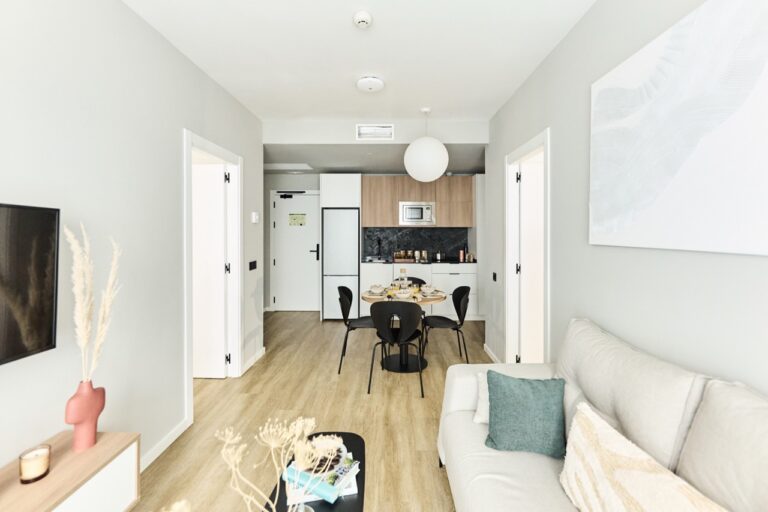
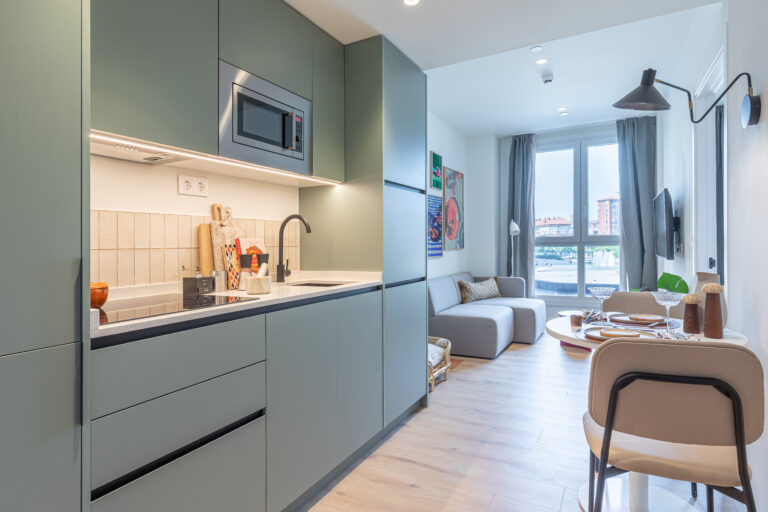
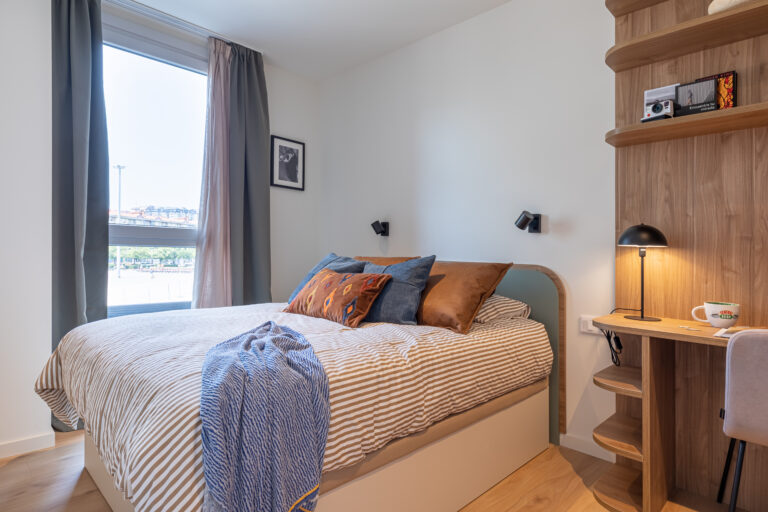
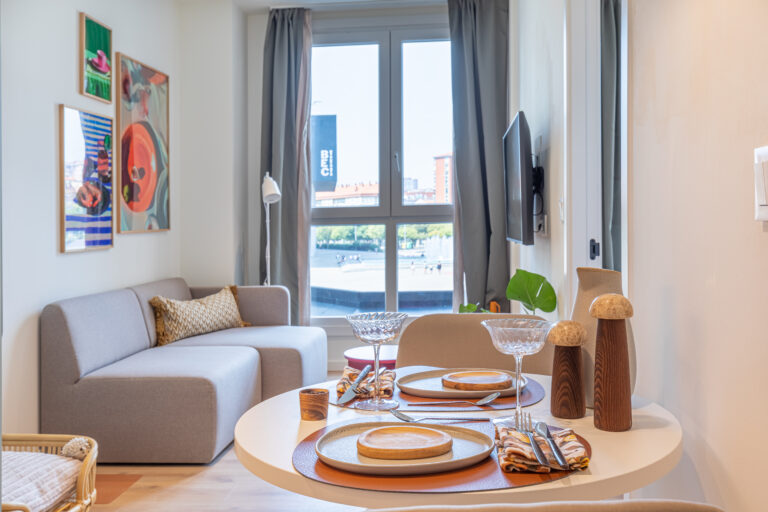
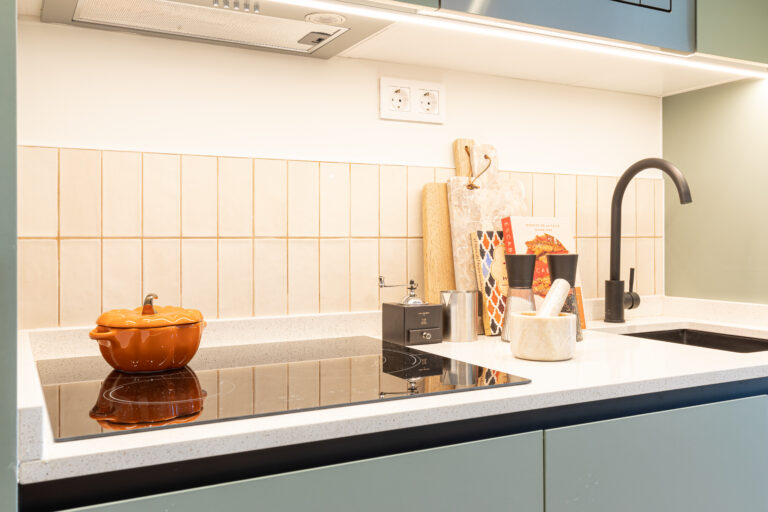
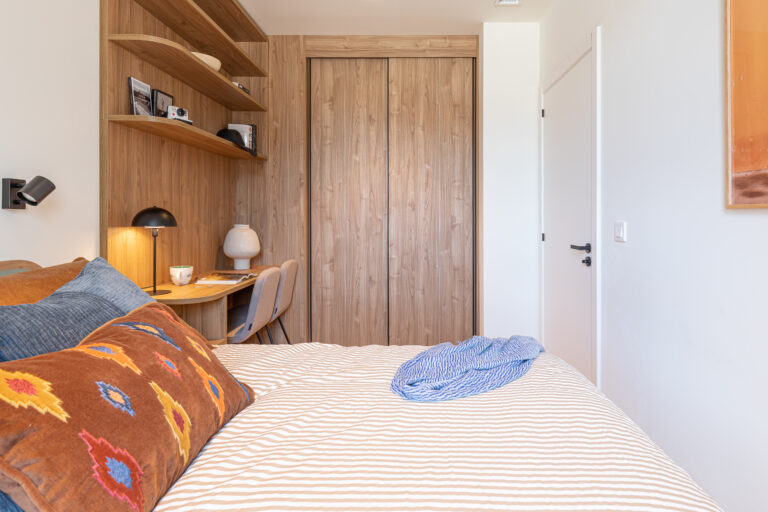
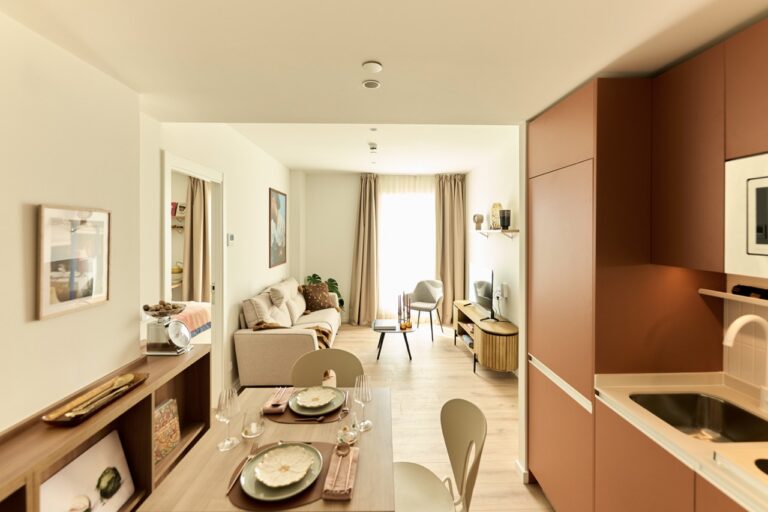
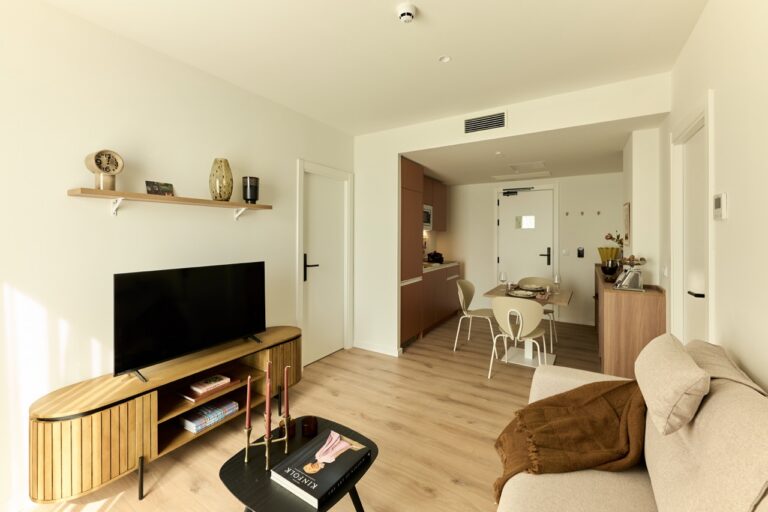
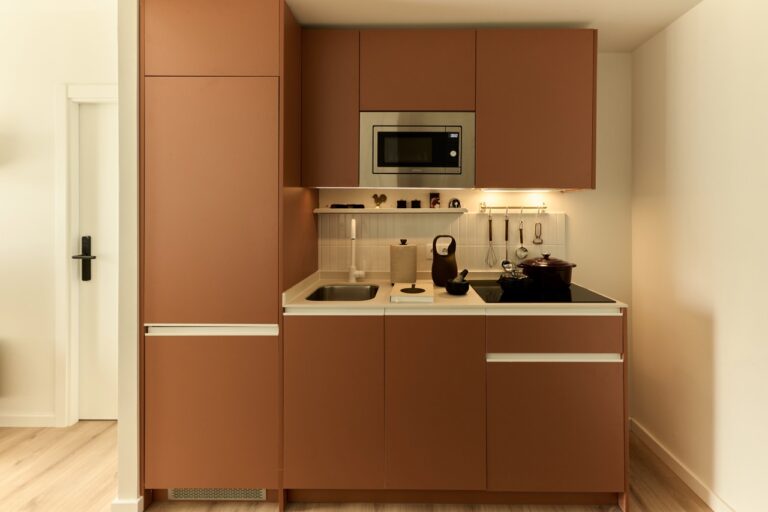
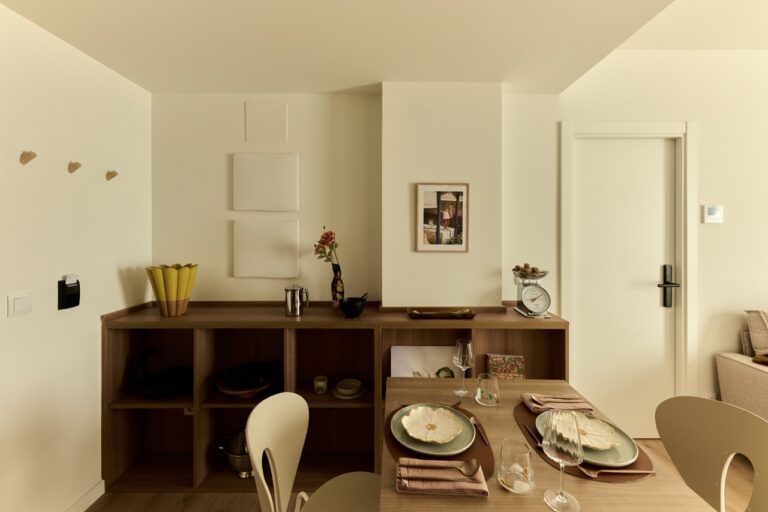
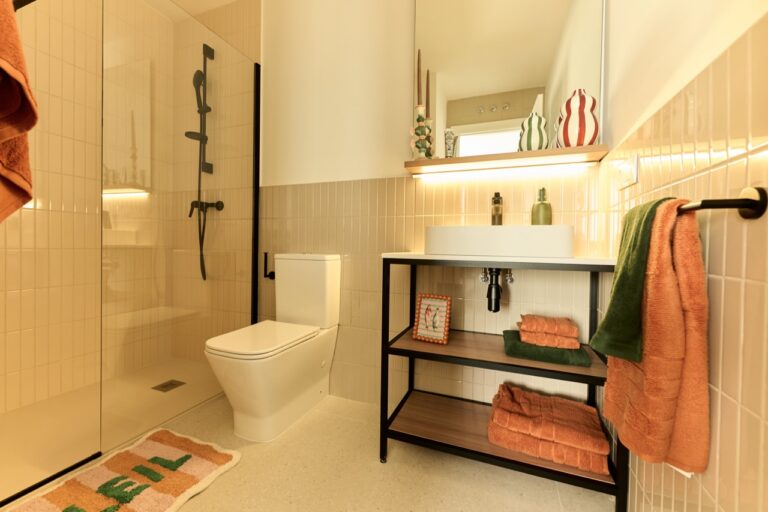
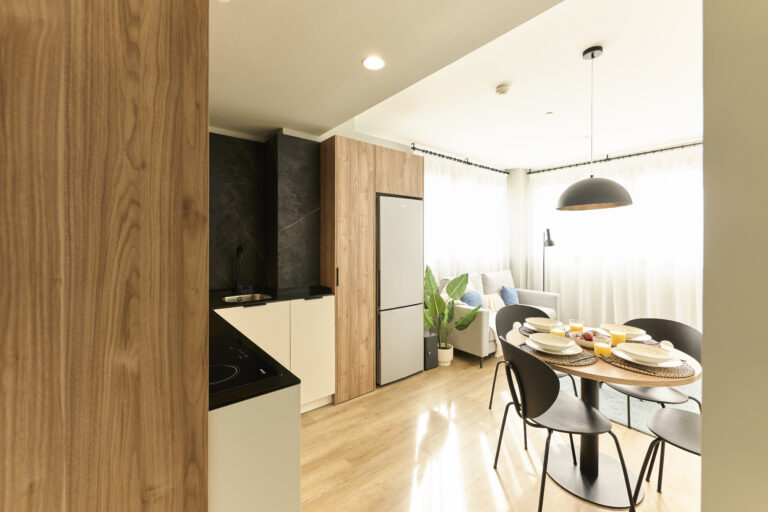
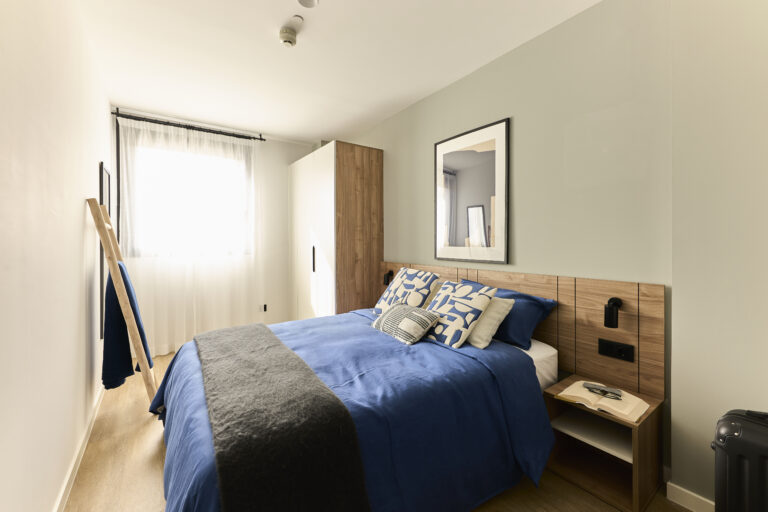
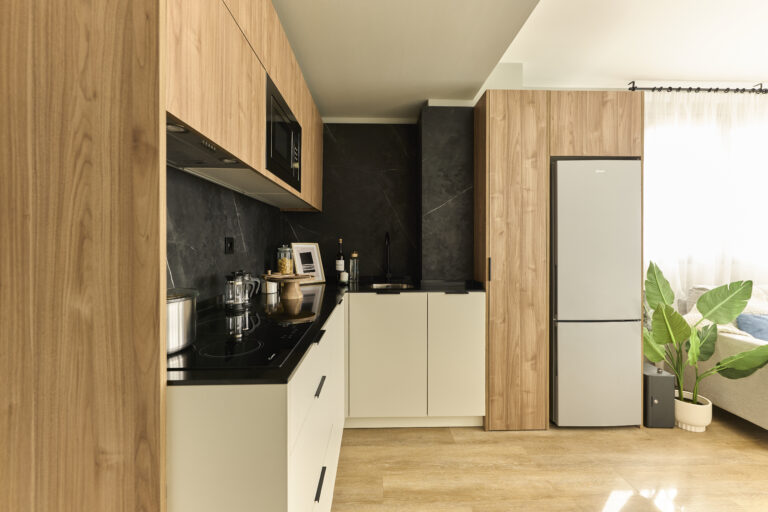
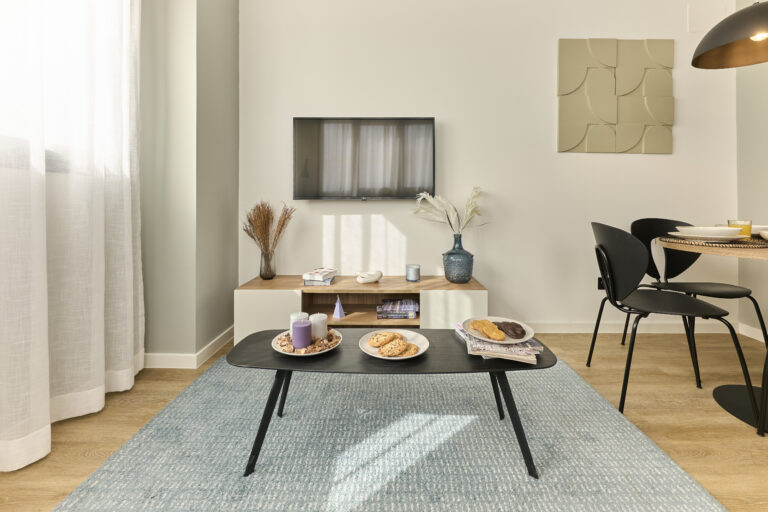
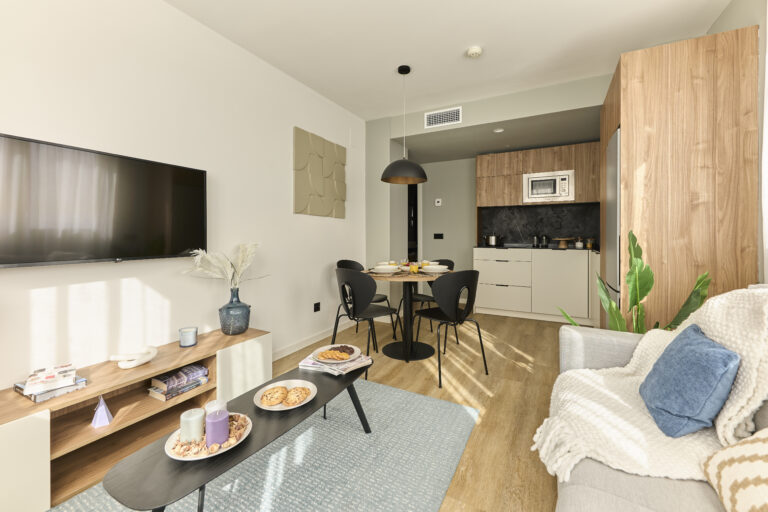
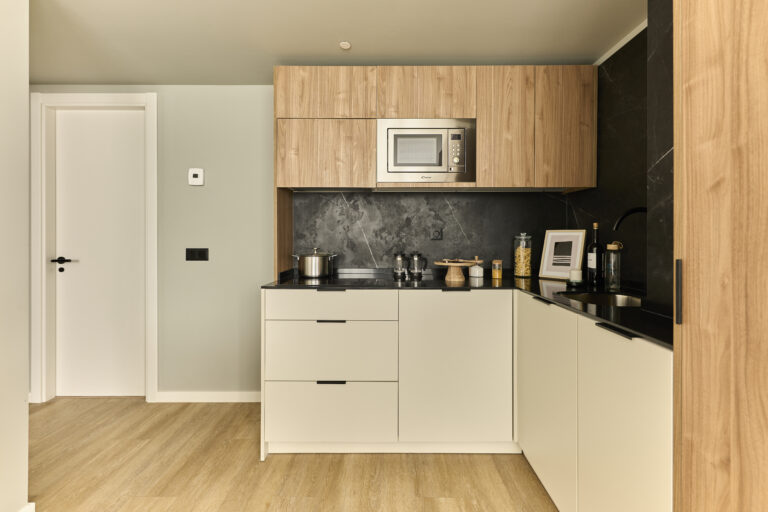
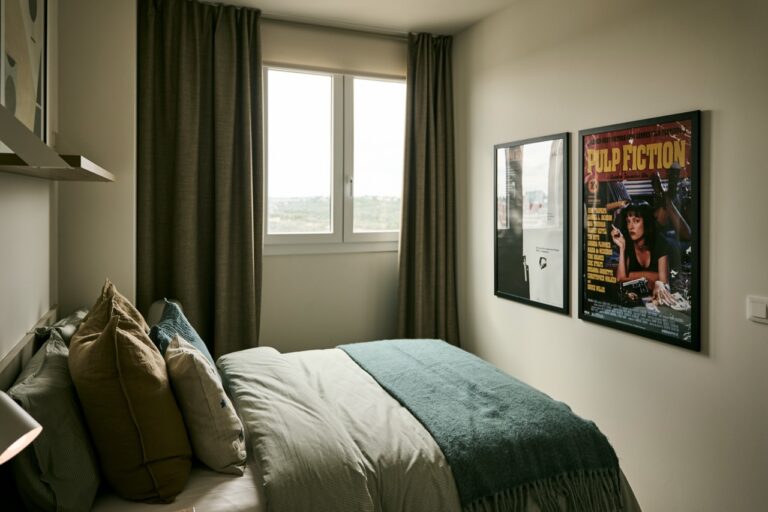
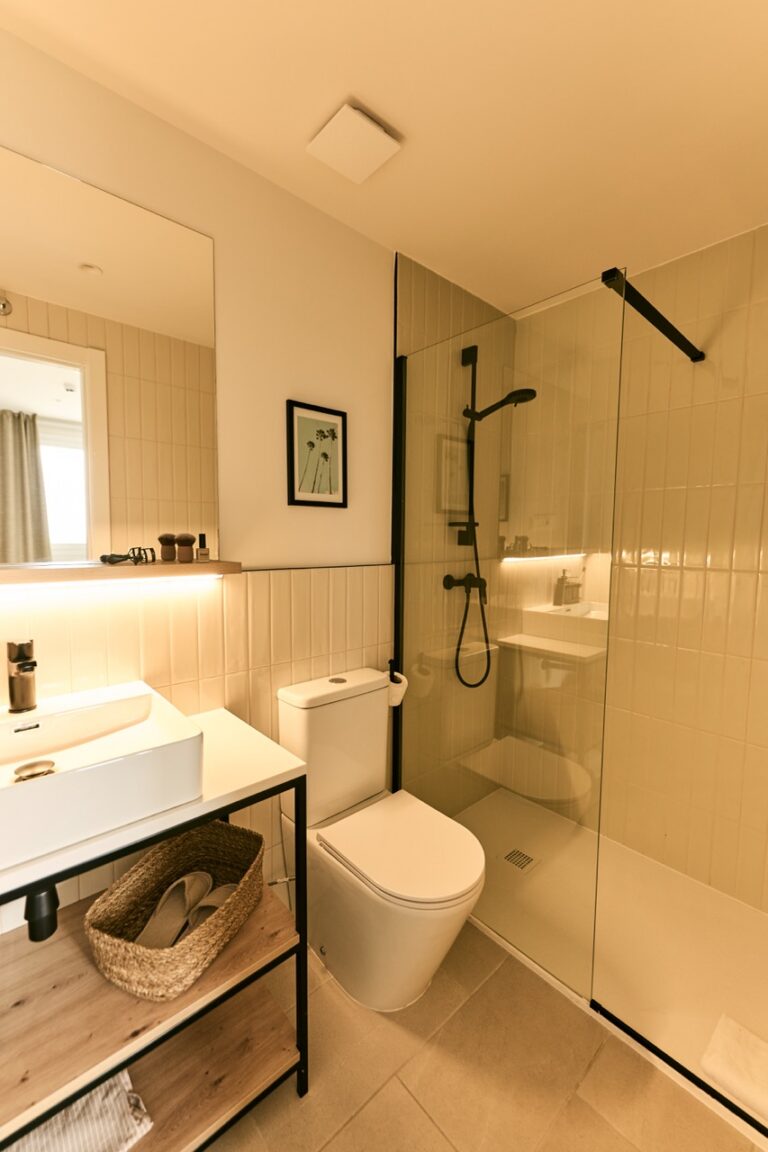
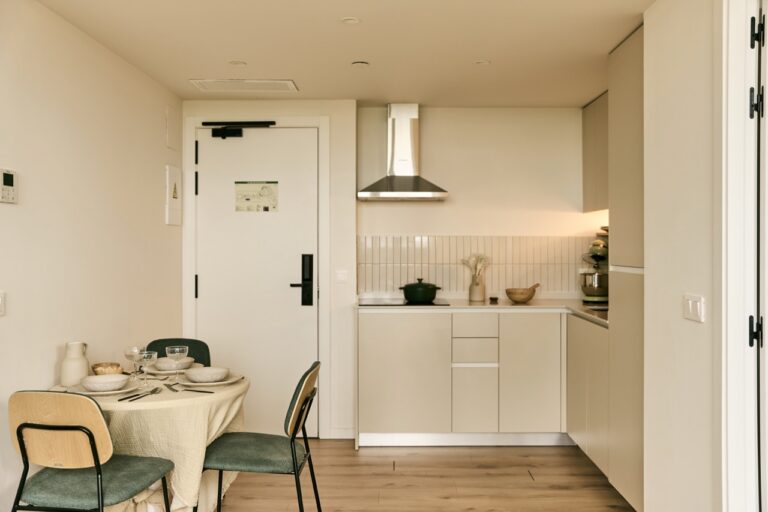
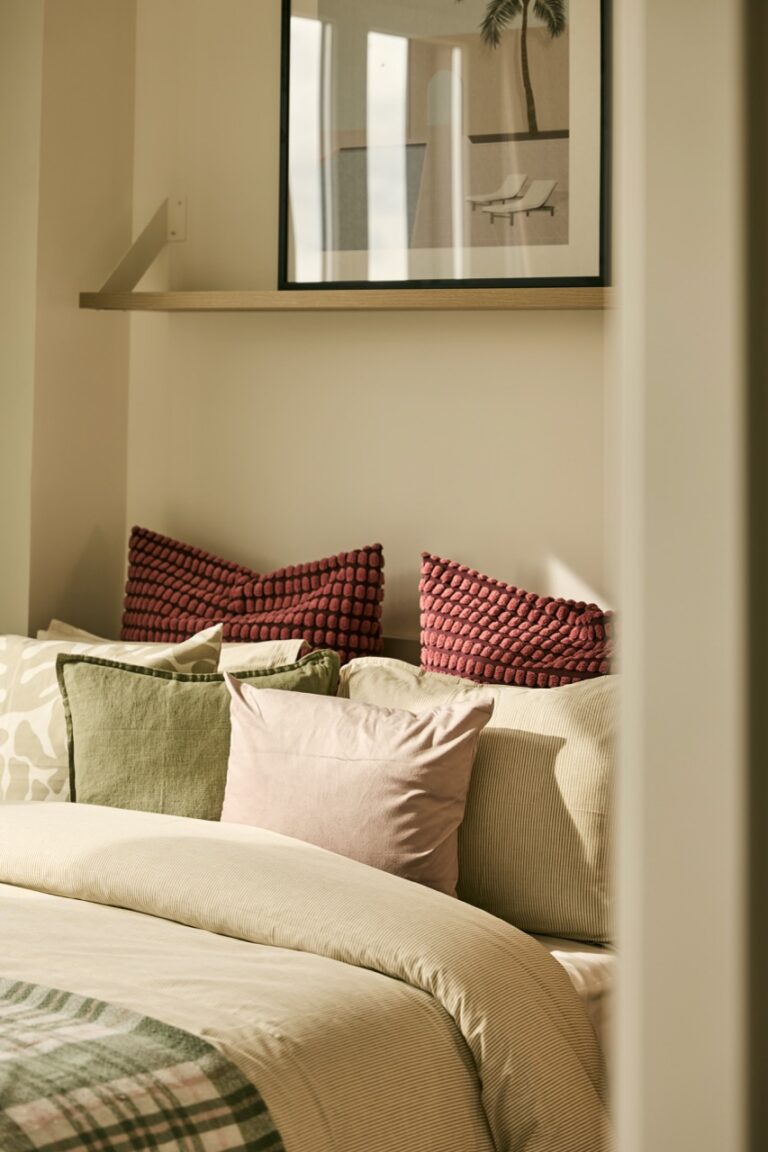
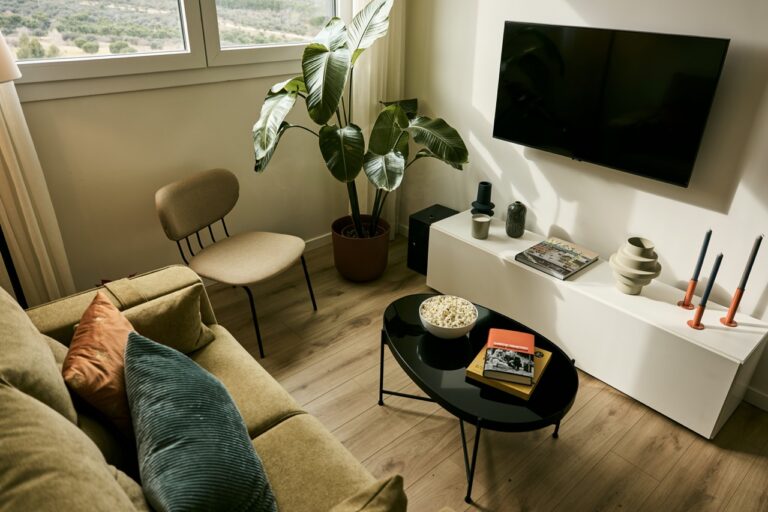
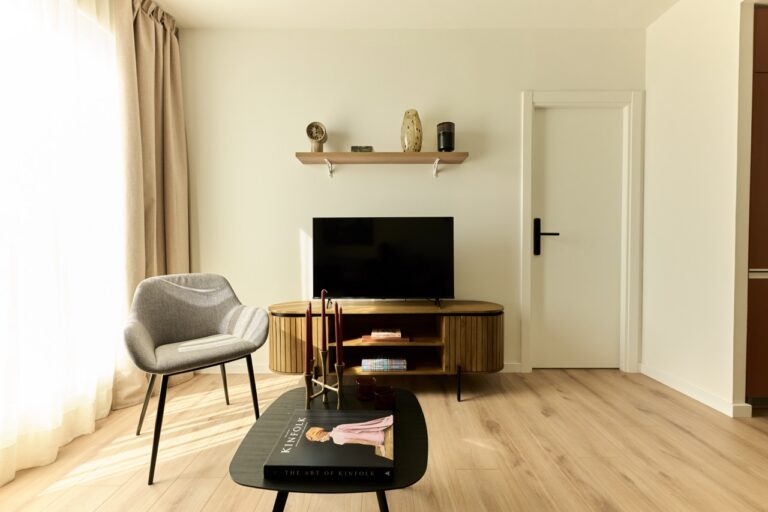
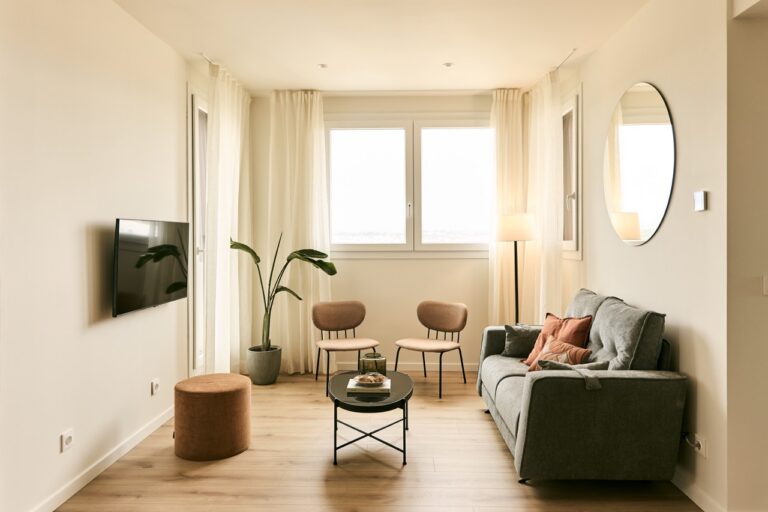
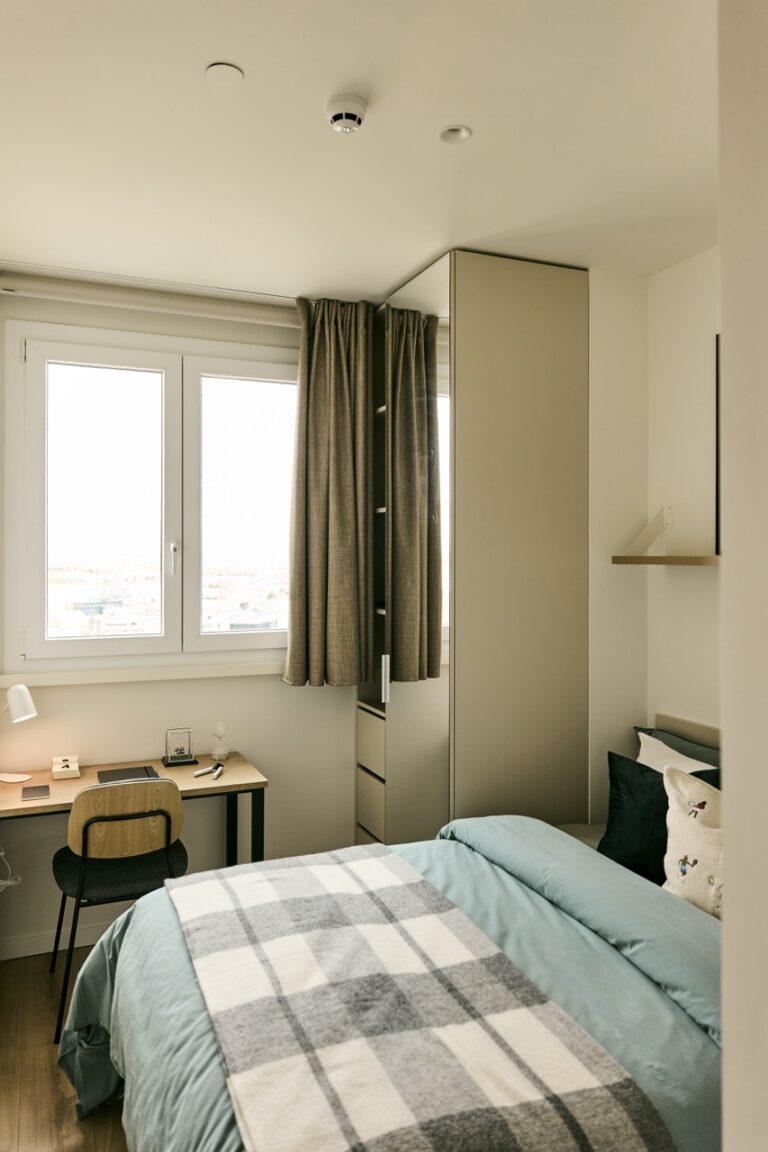
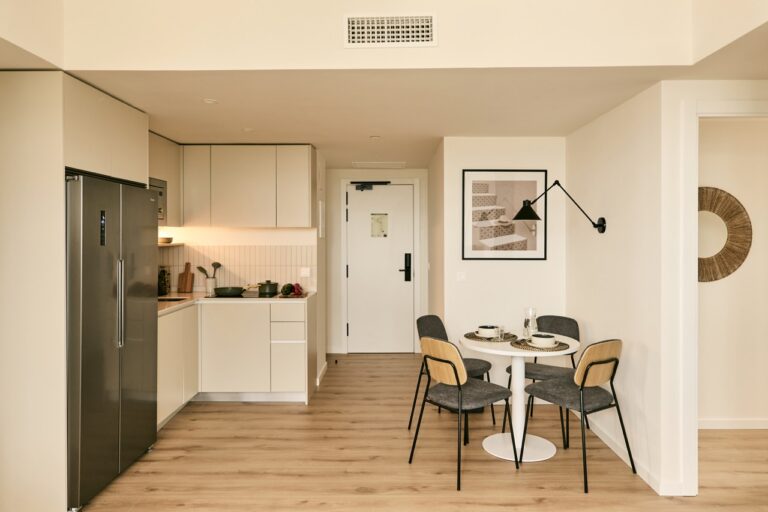
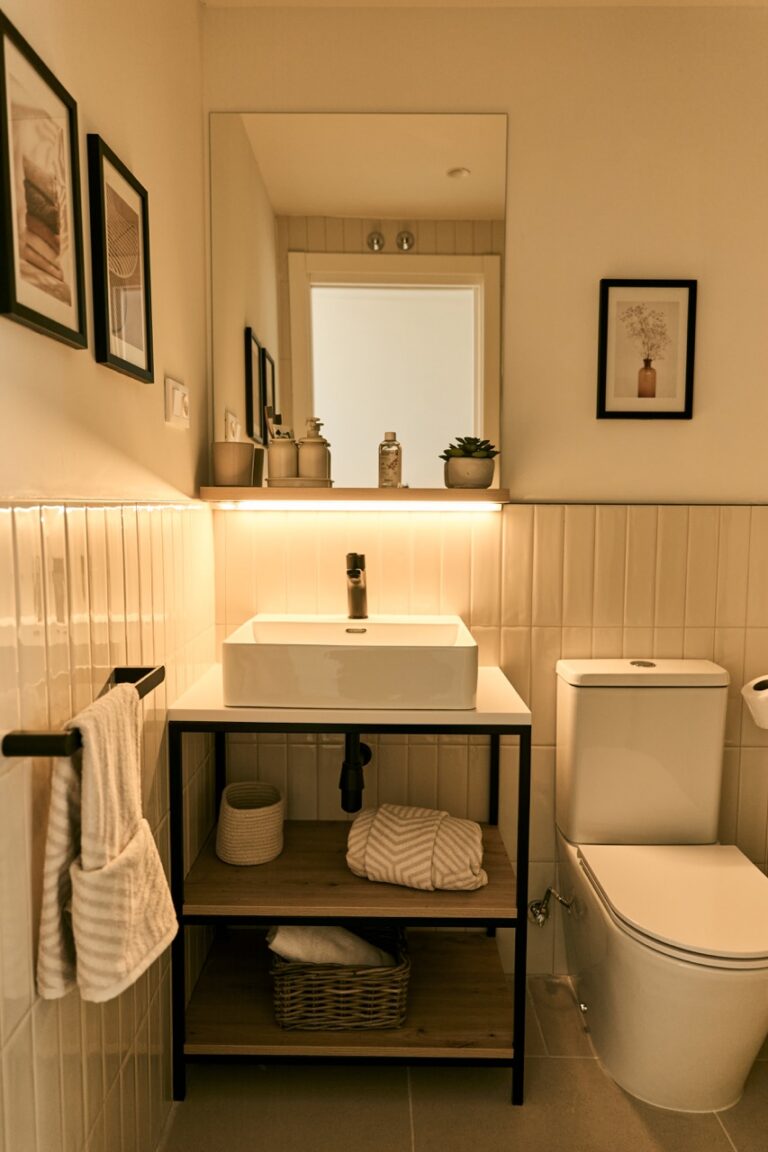
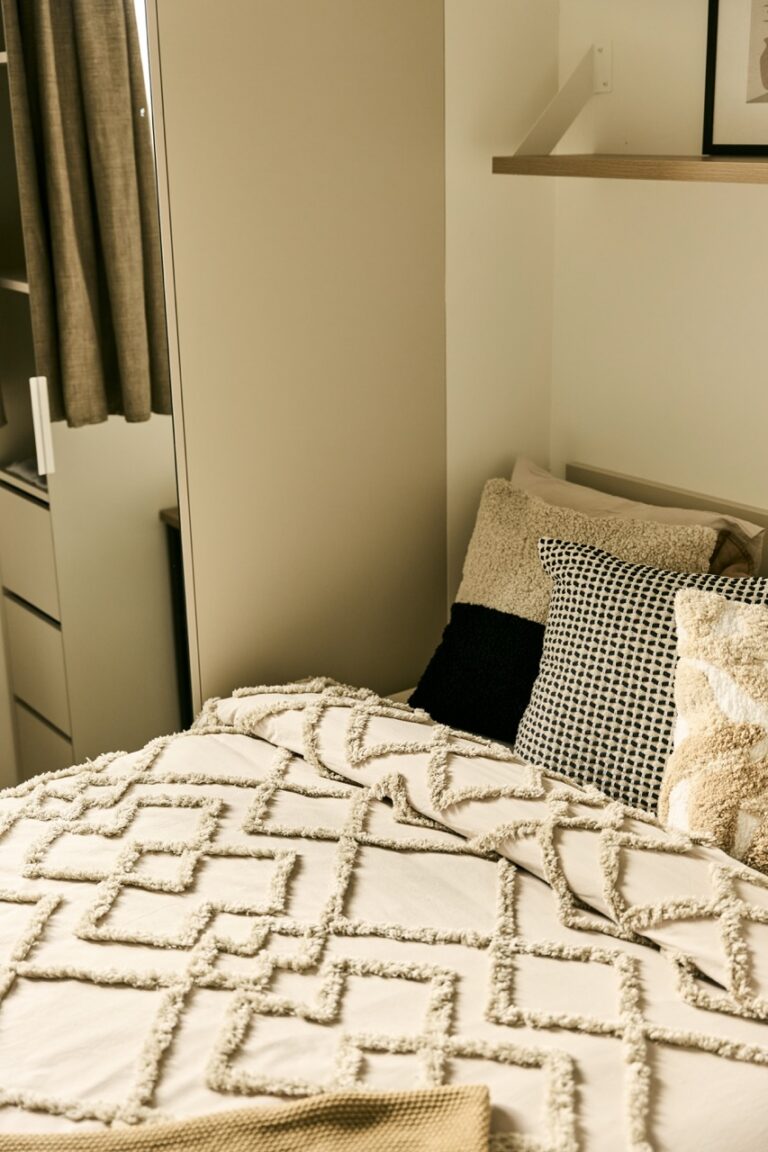
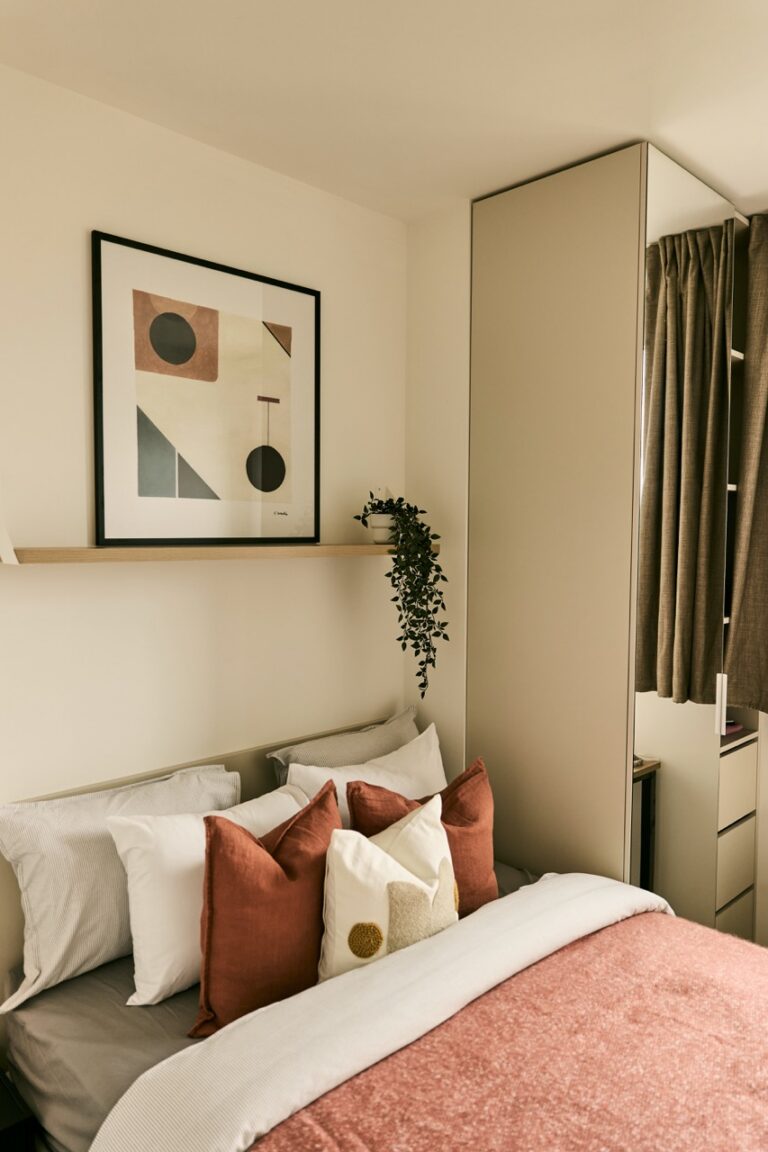
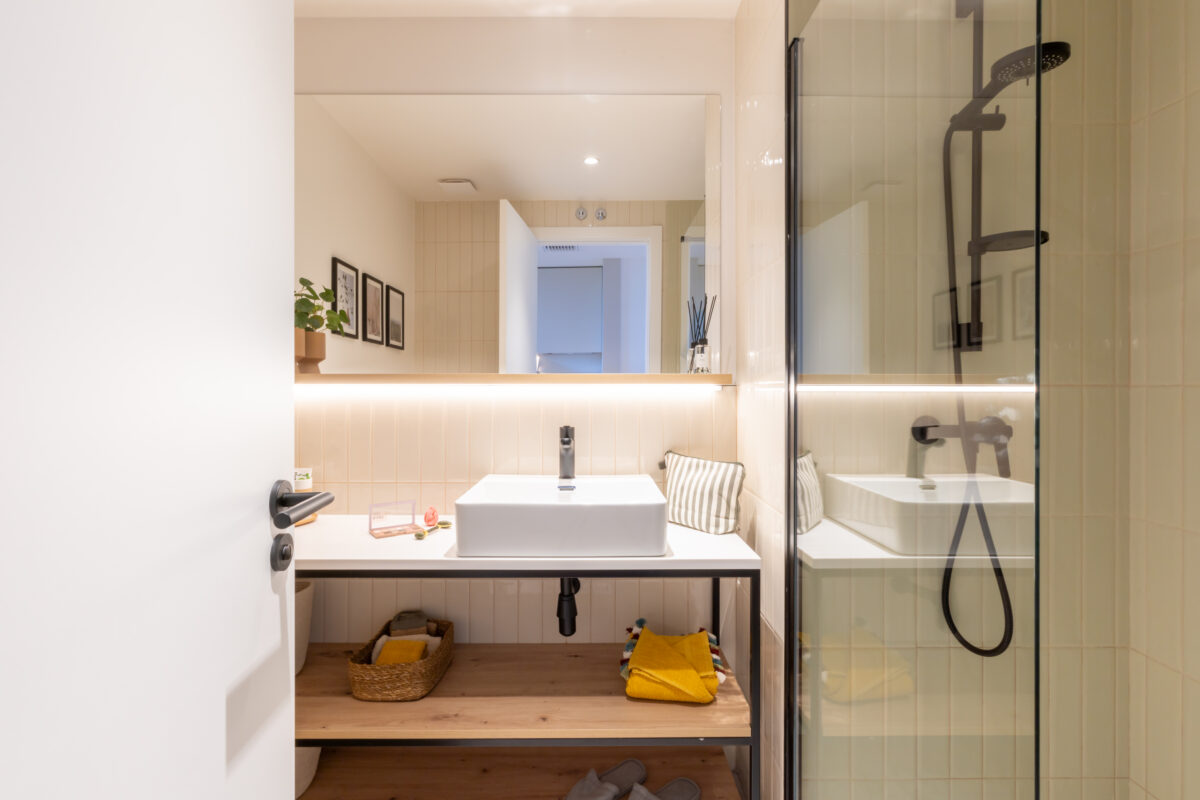
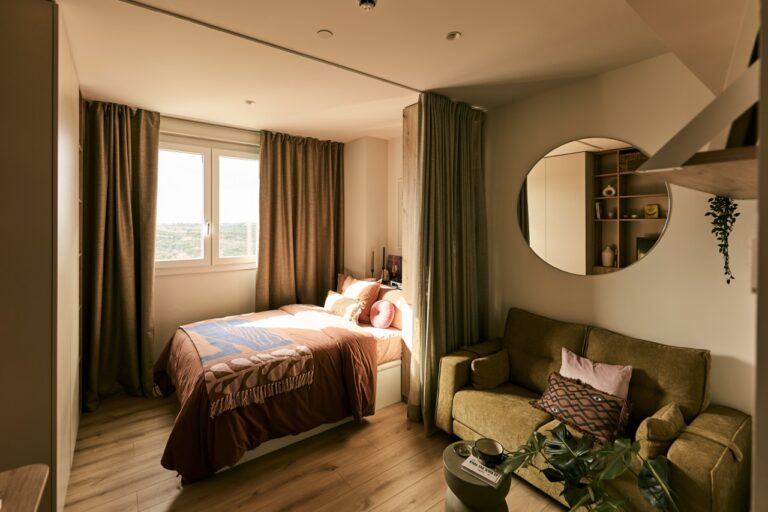
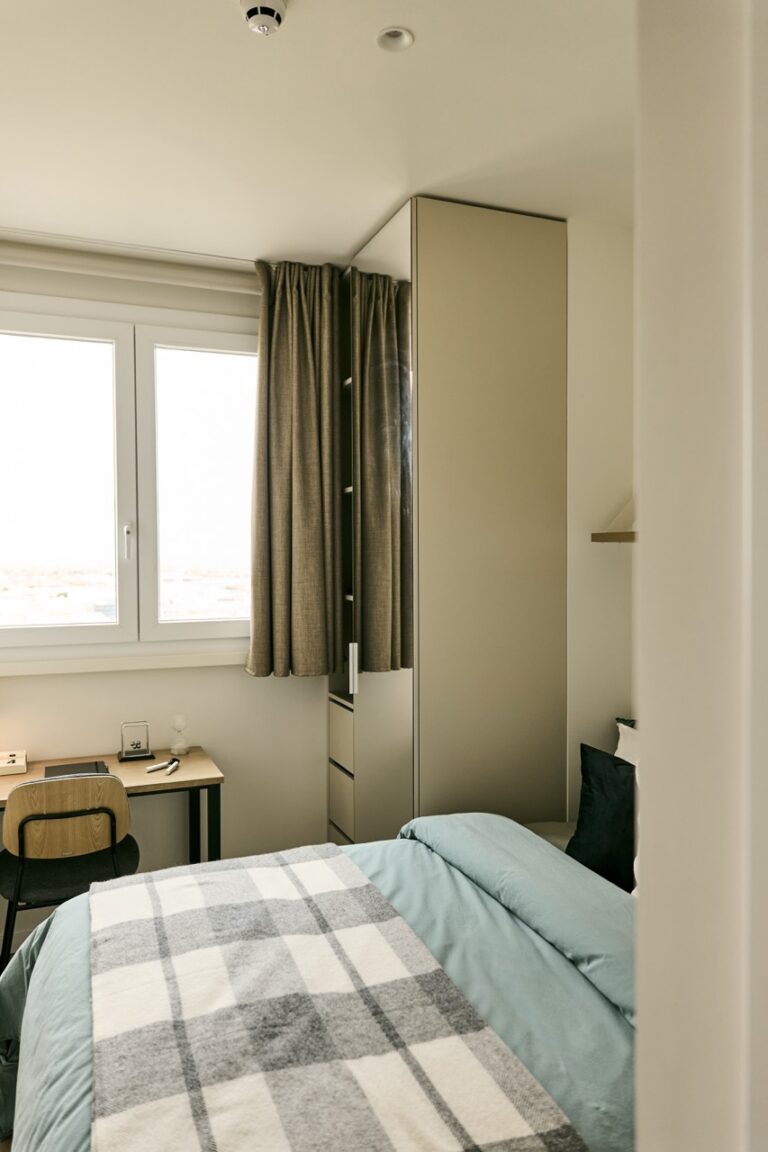
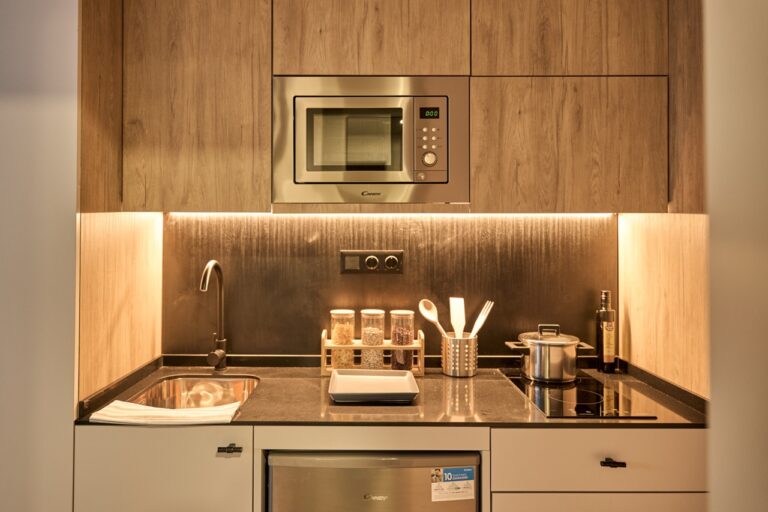
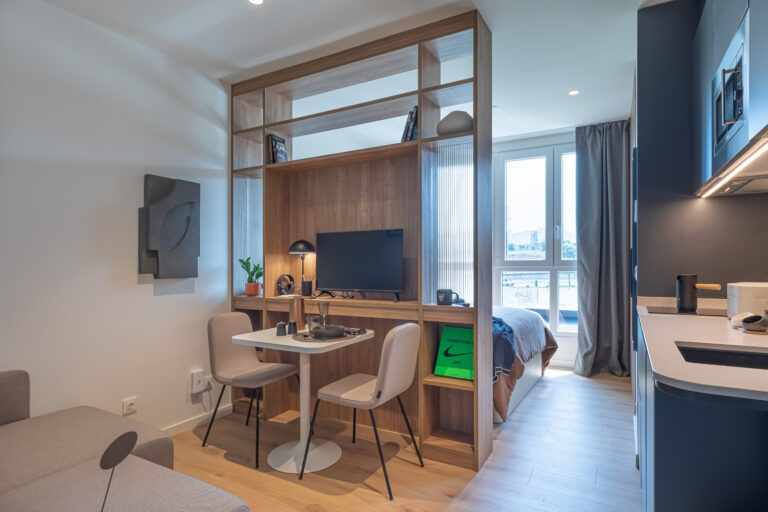
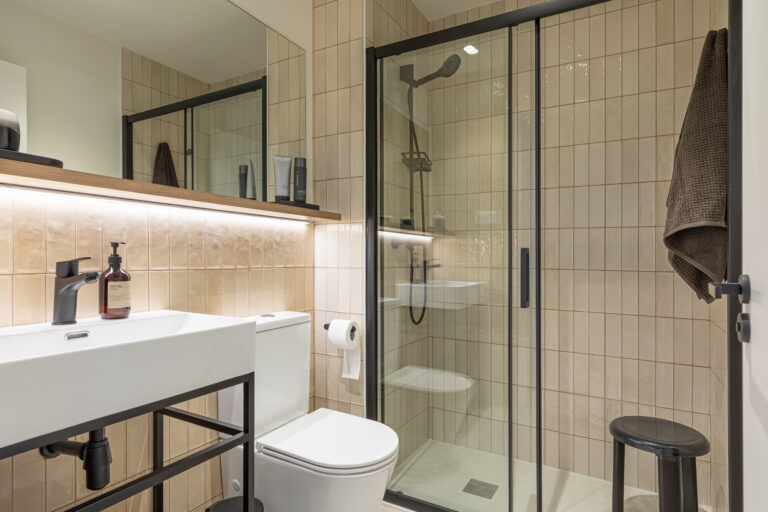
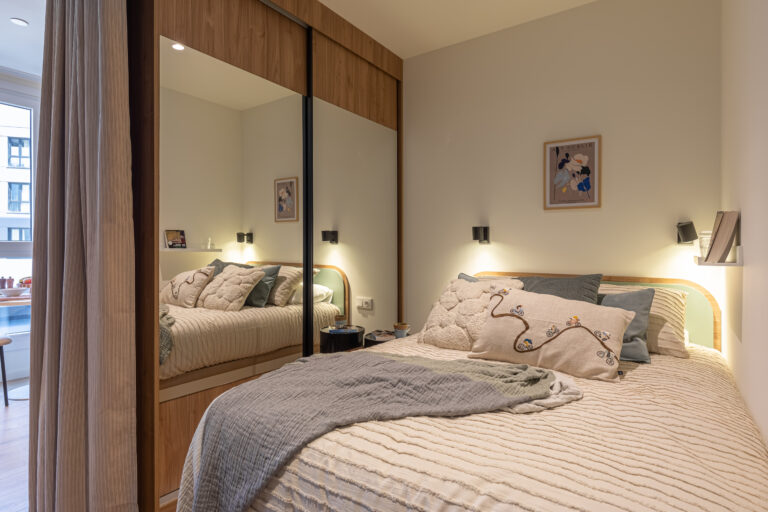
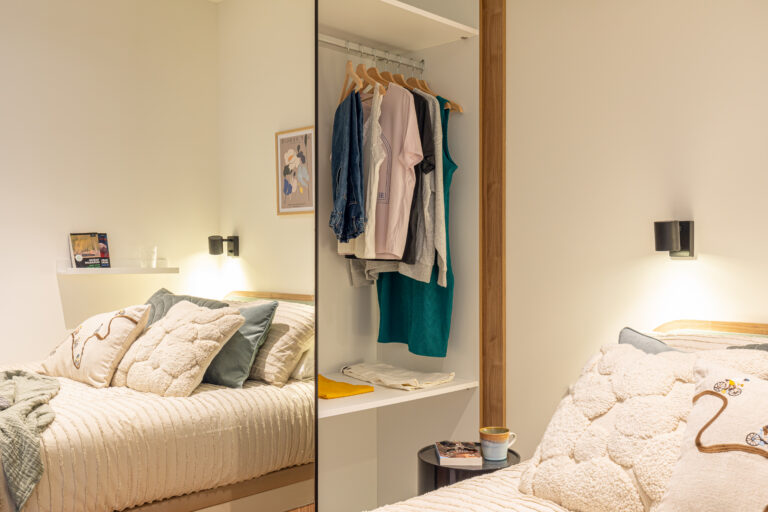
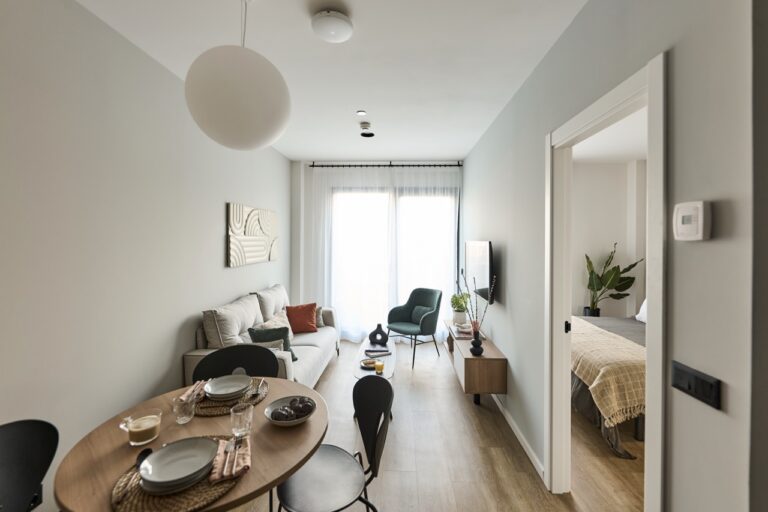
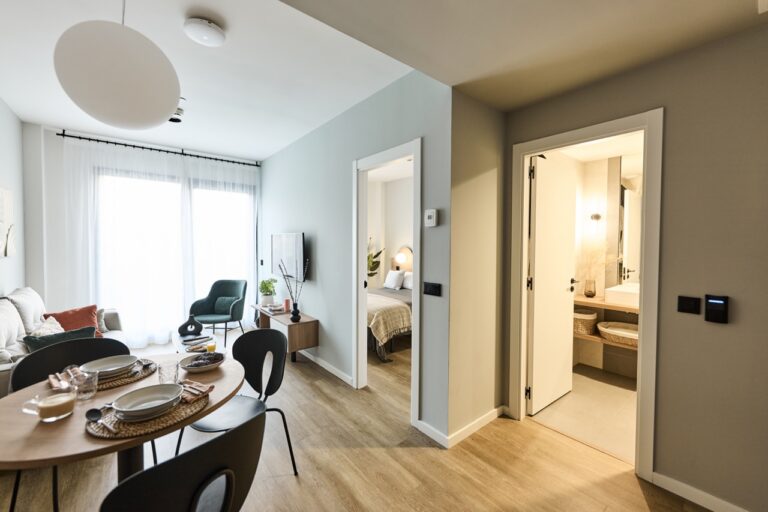
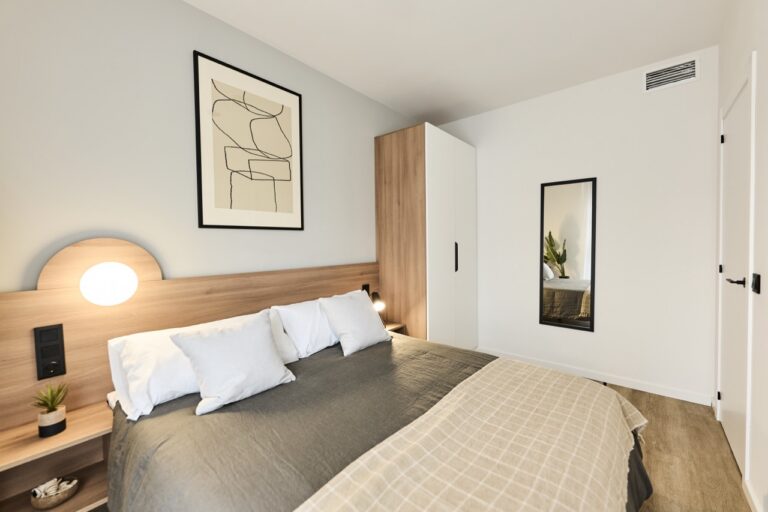
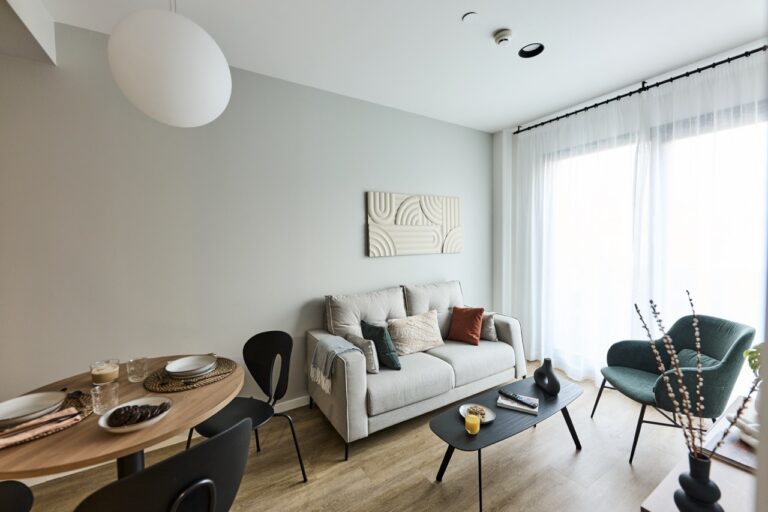
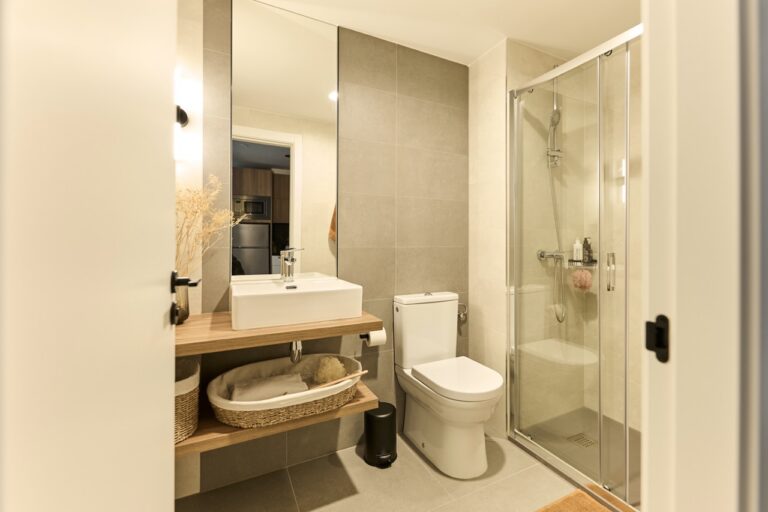
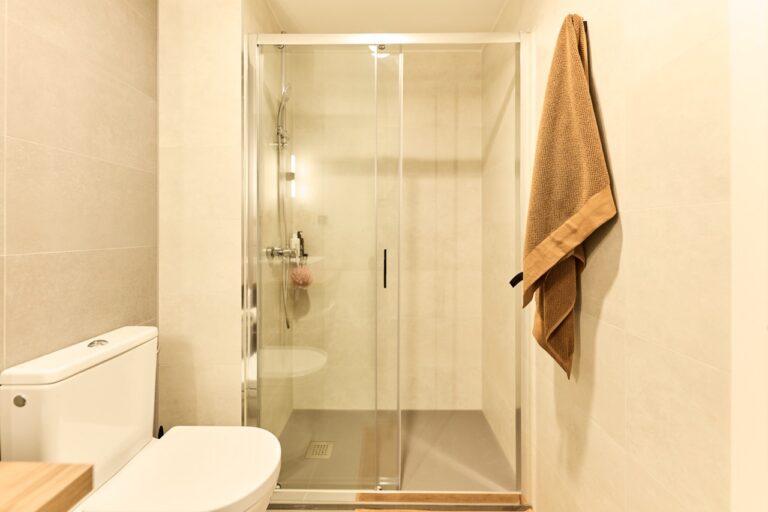
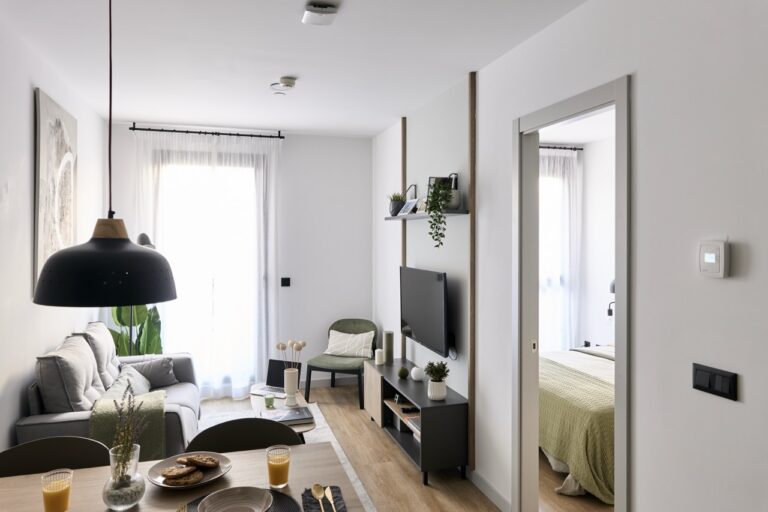
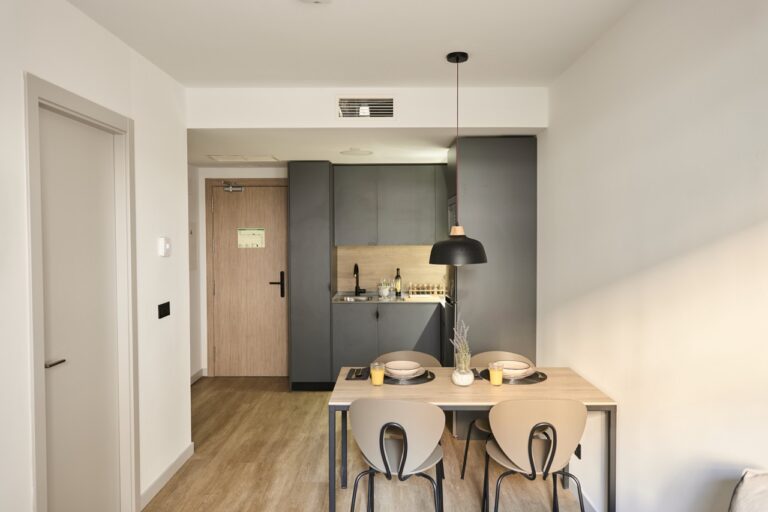
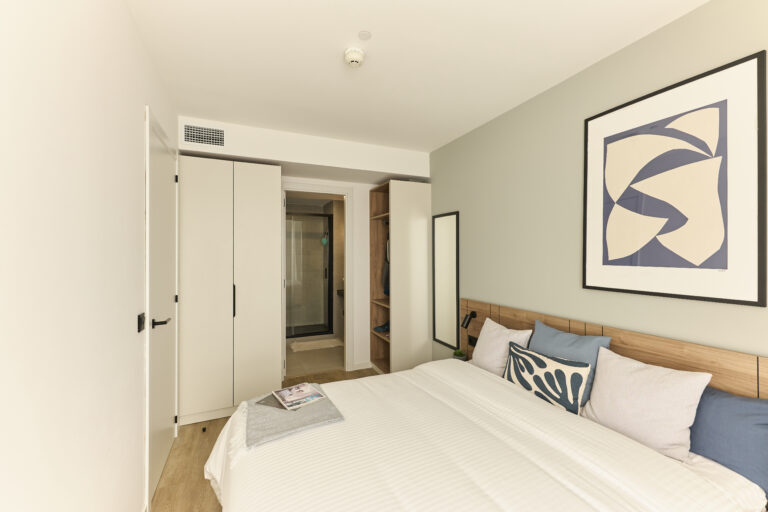
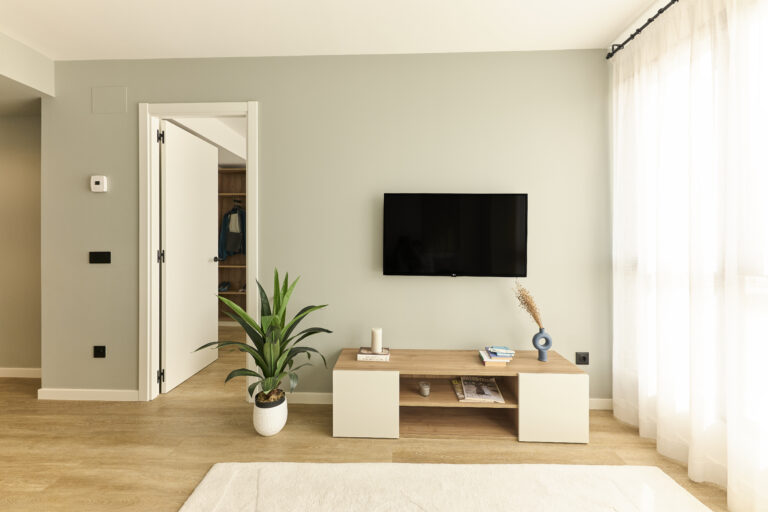
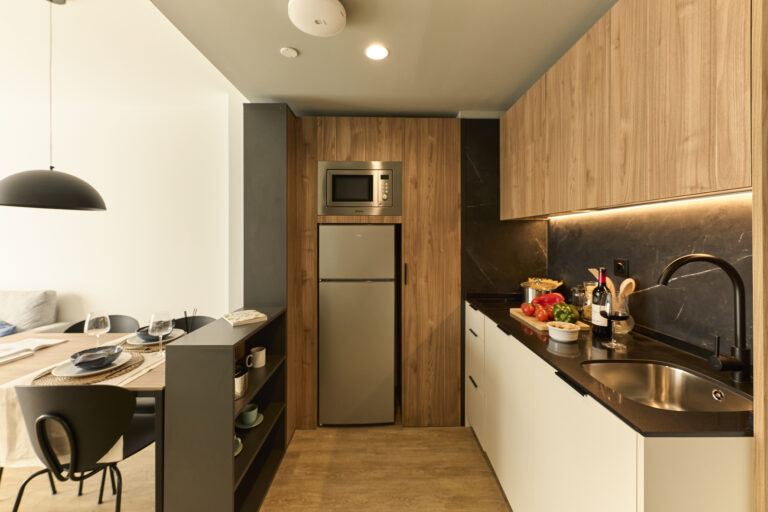
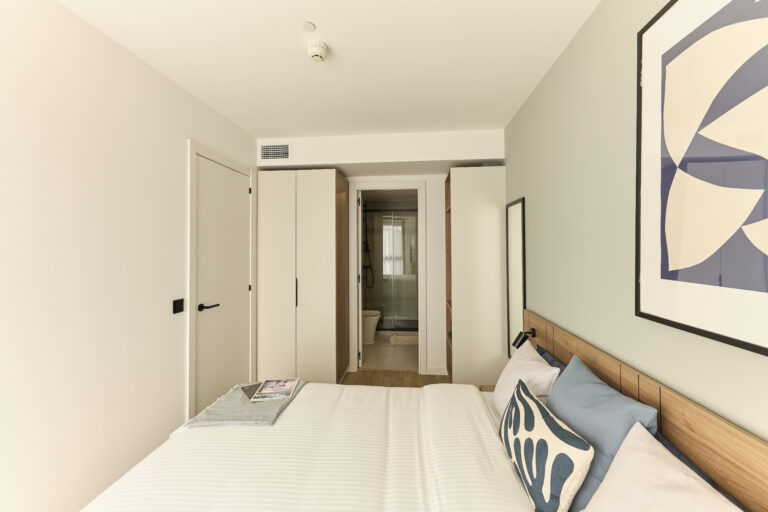
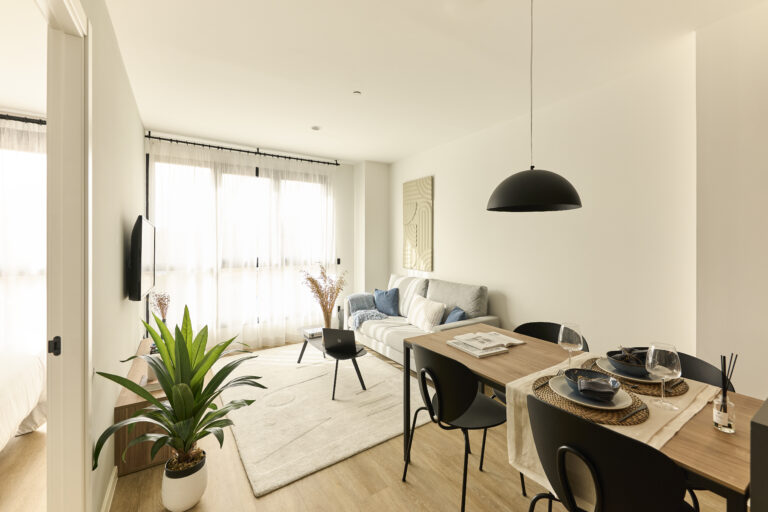
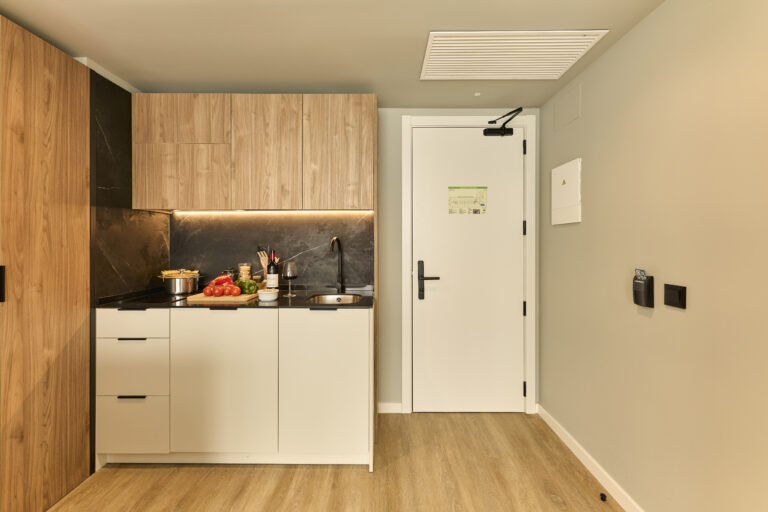
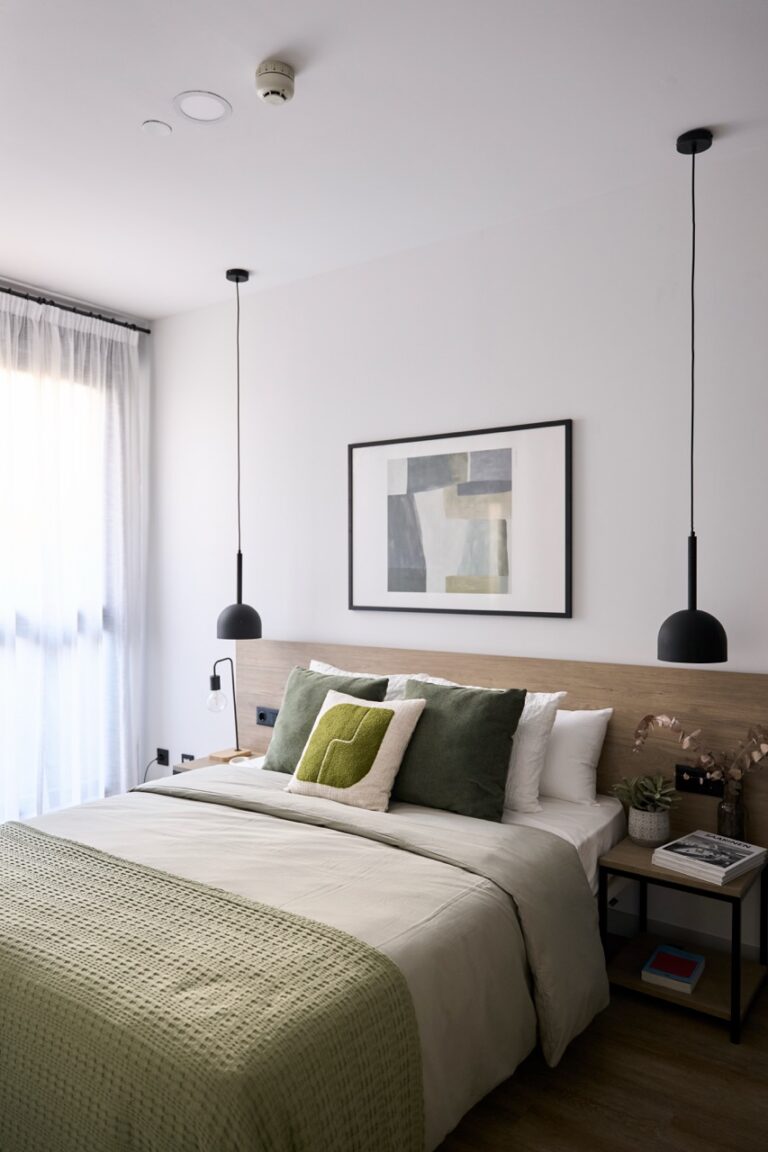
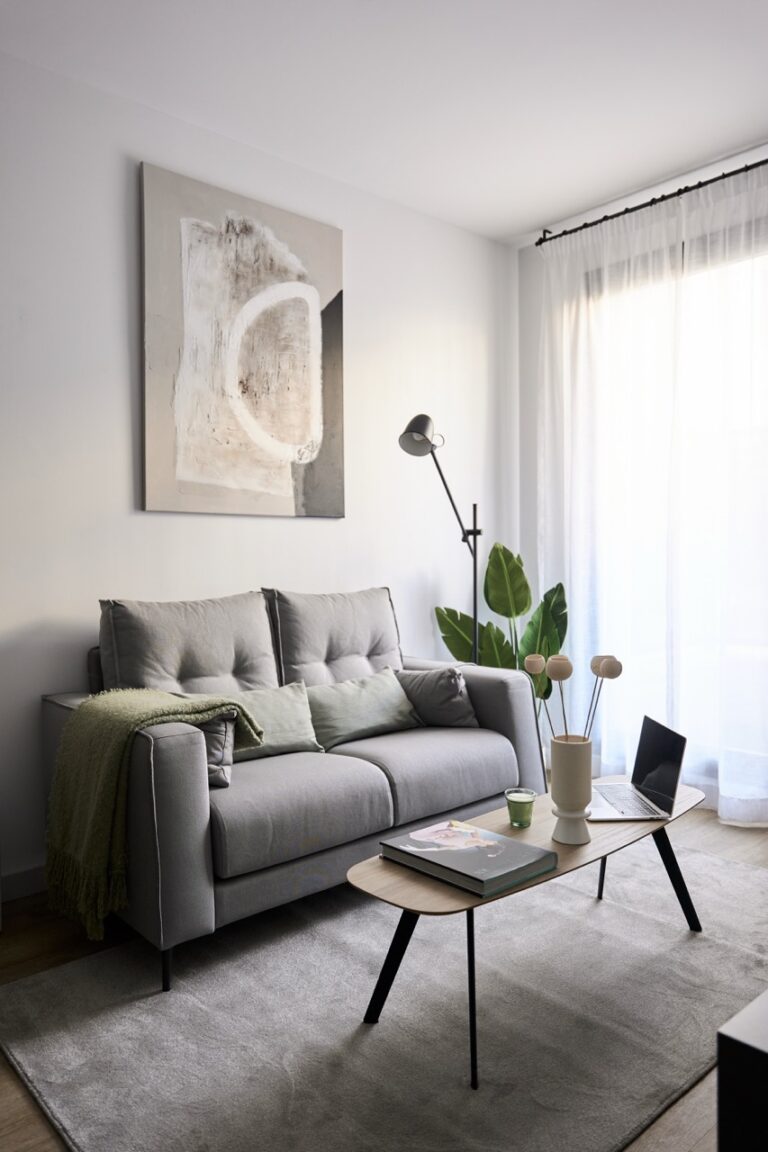
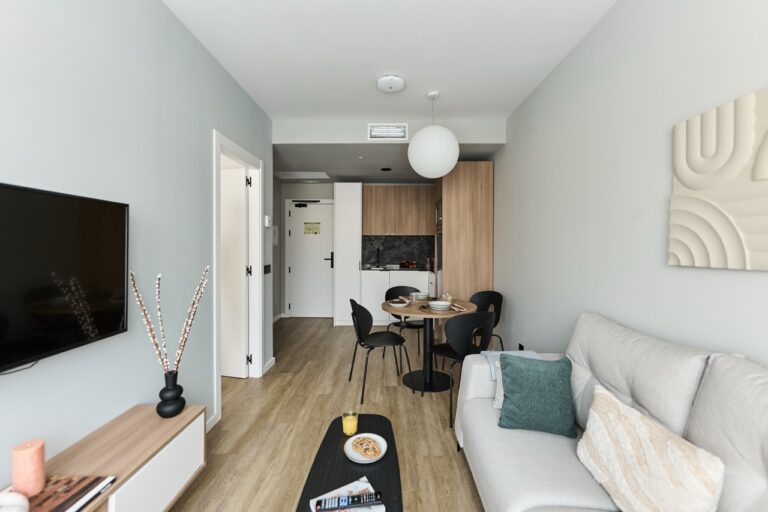
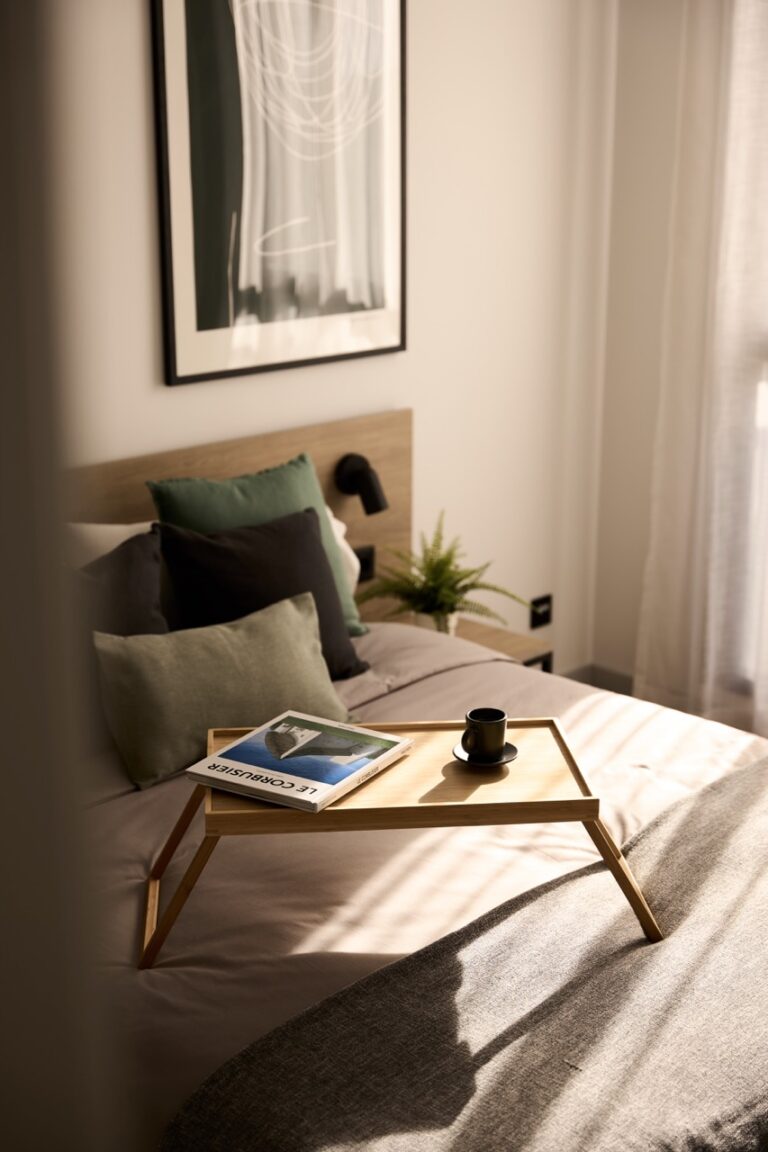
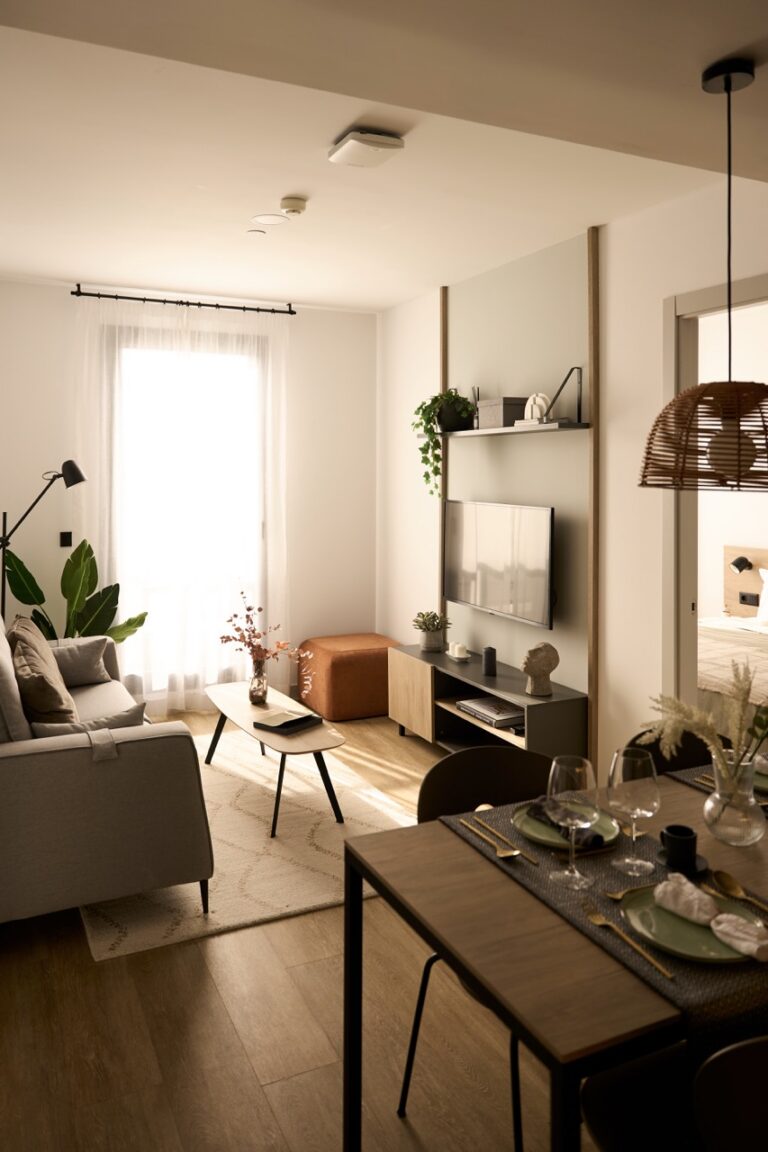
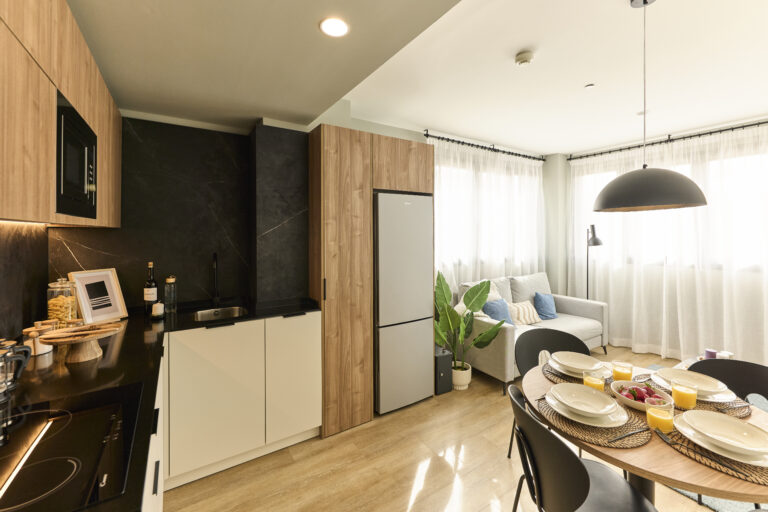
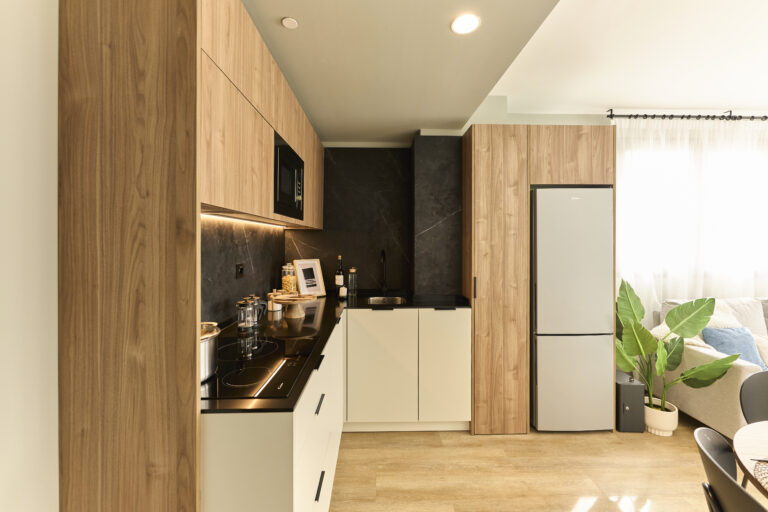
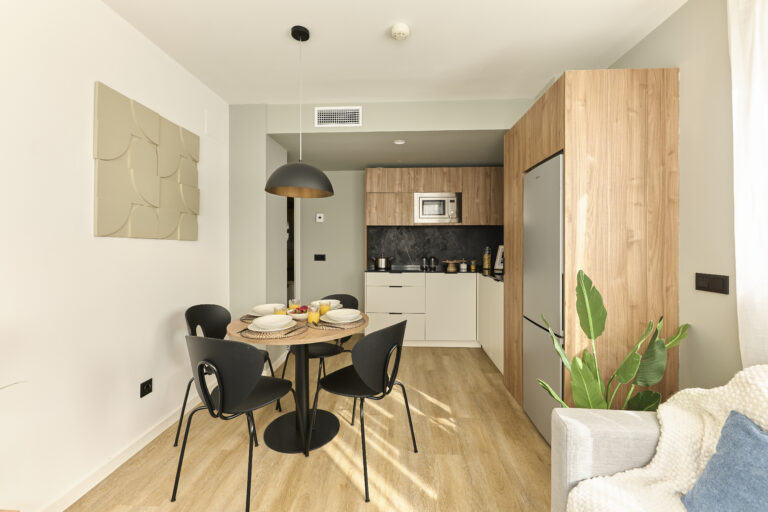
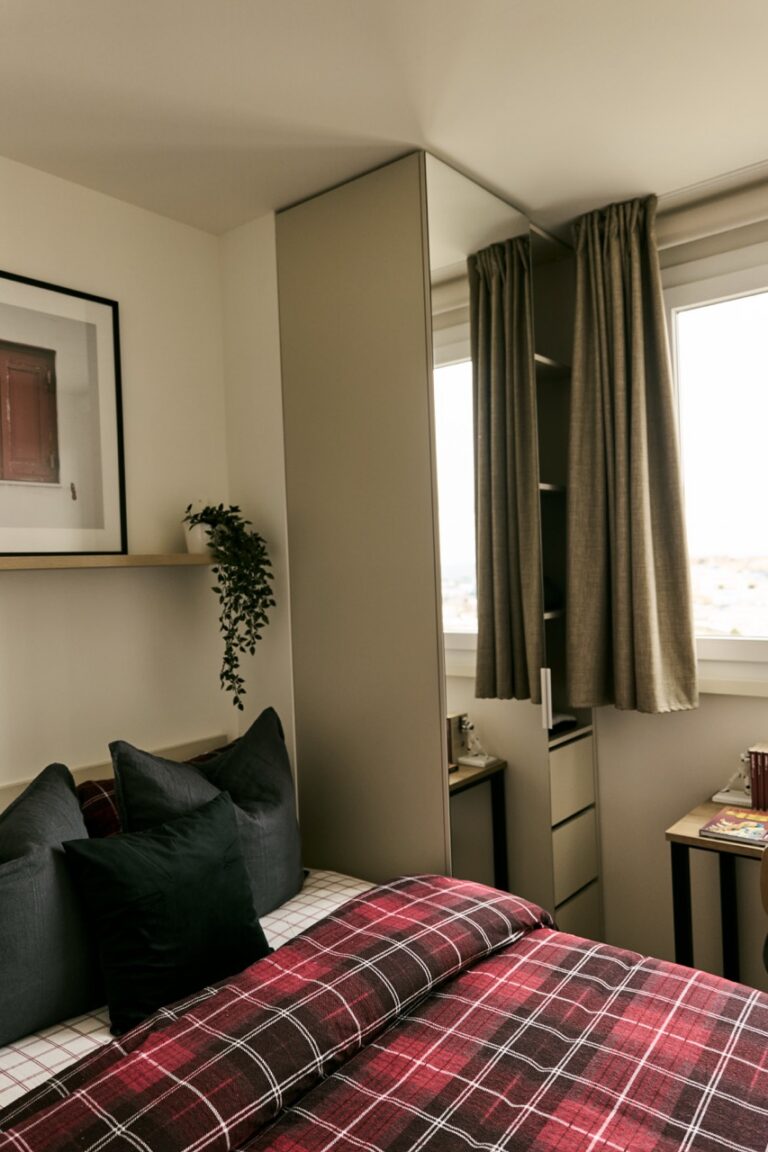
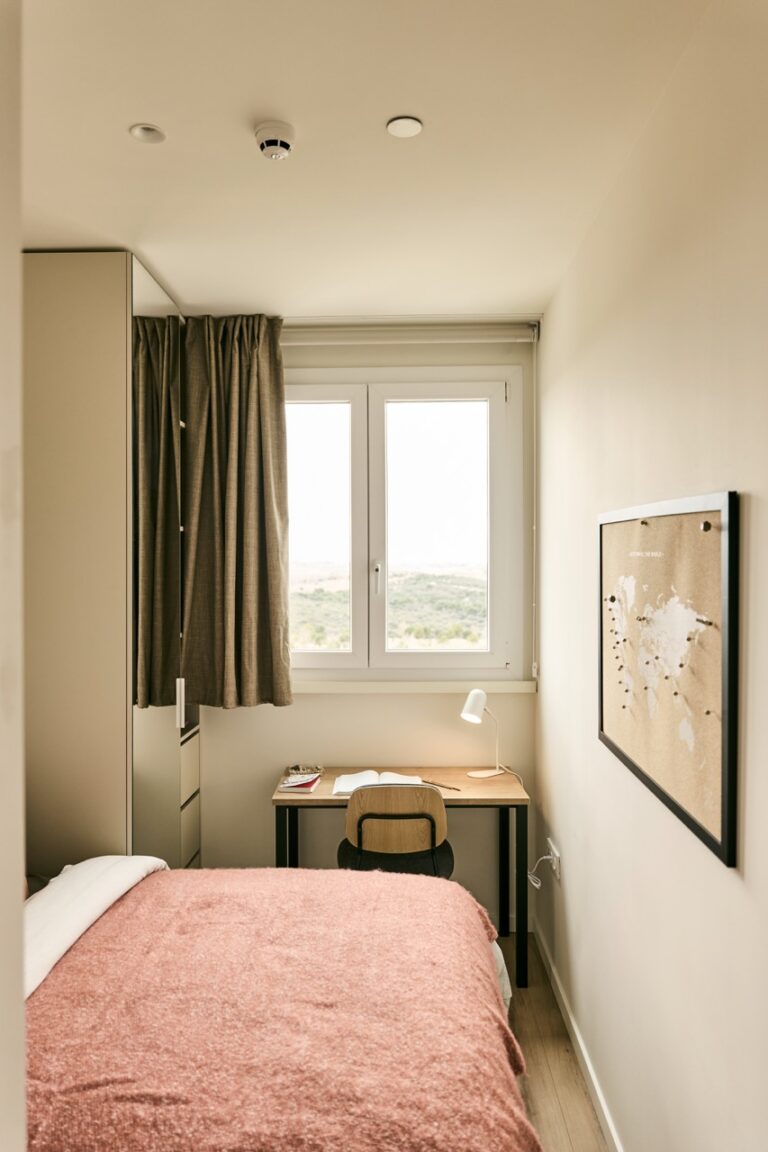
With this type of accommodation, apartments are ready to move into and offer more freedom, both in the length of your stay and the type of home you choose.
Homes that adapt to the way you live
Depending on who you’re moving with, your needs may change:
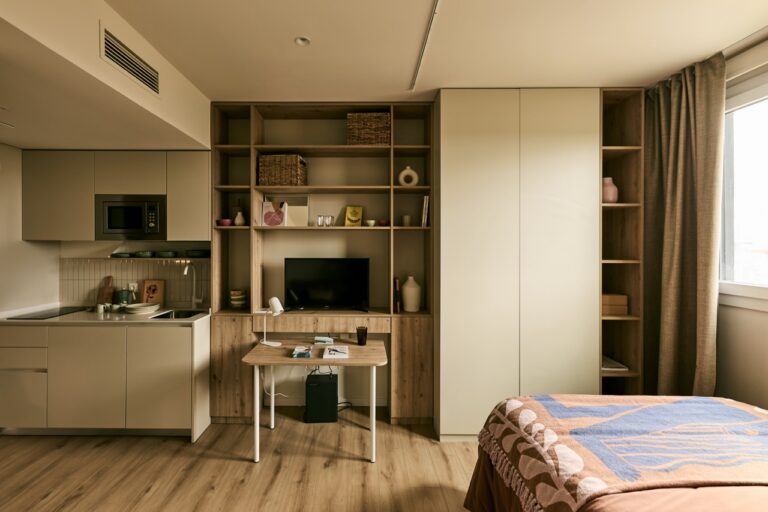
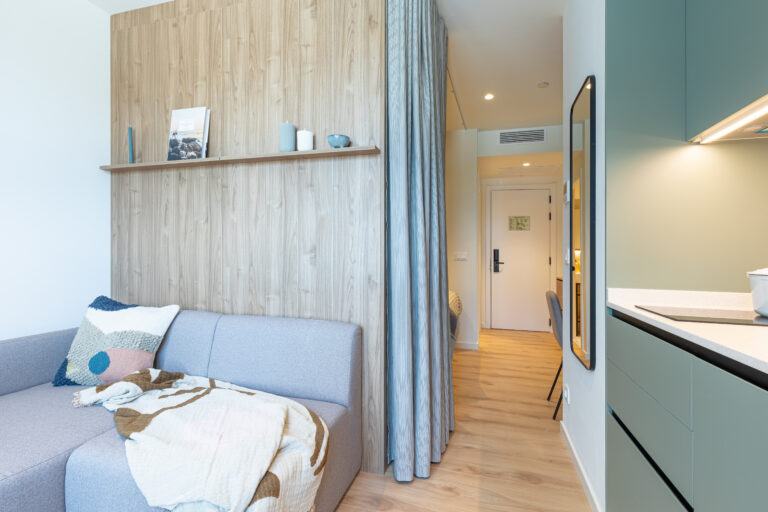
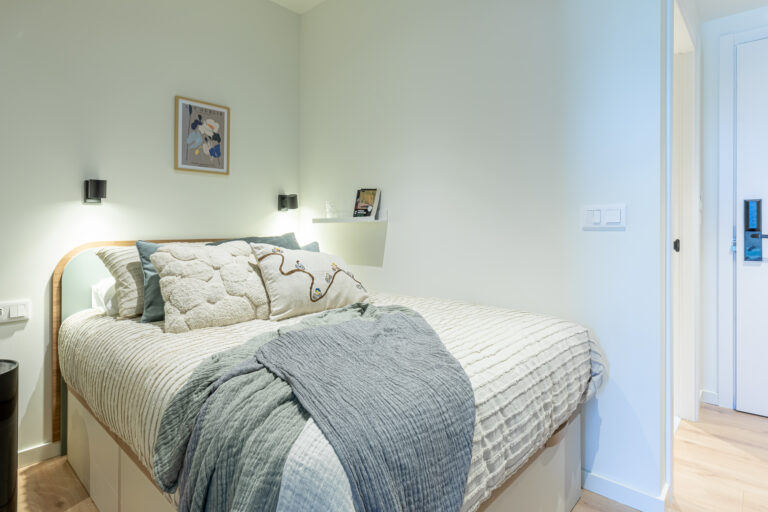
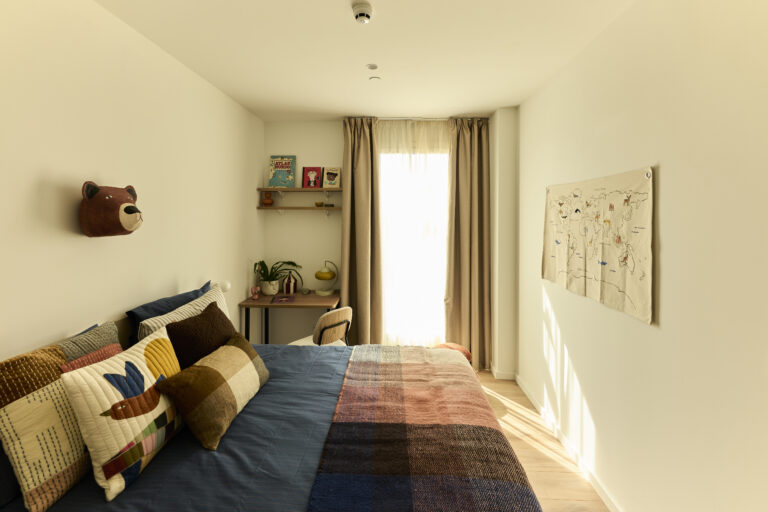
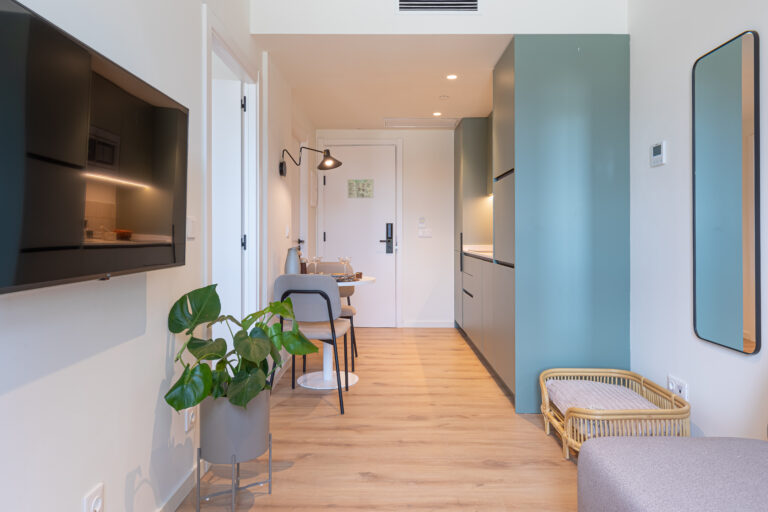
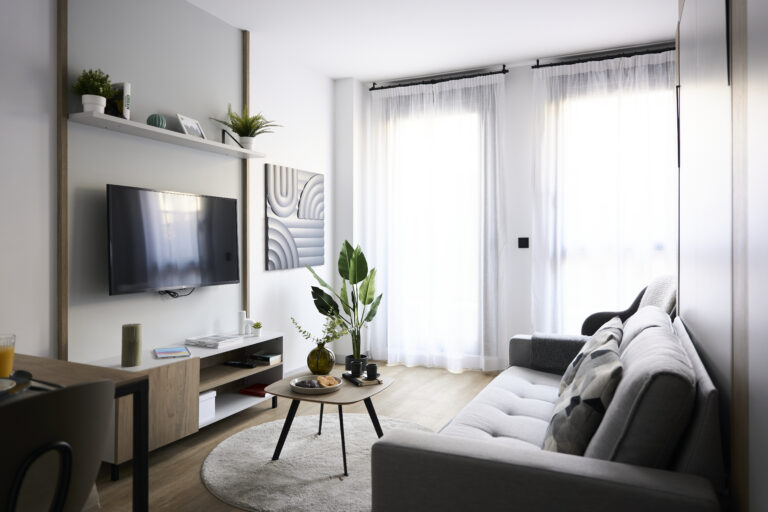
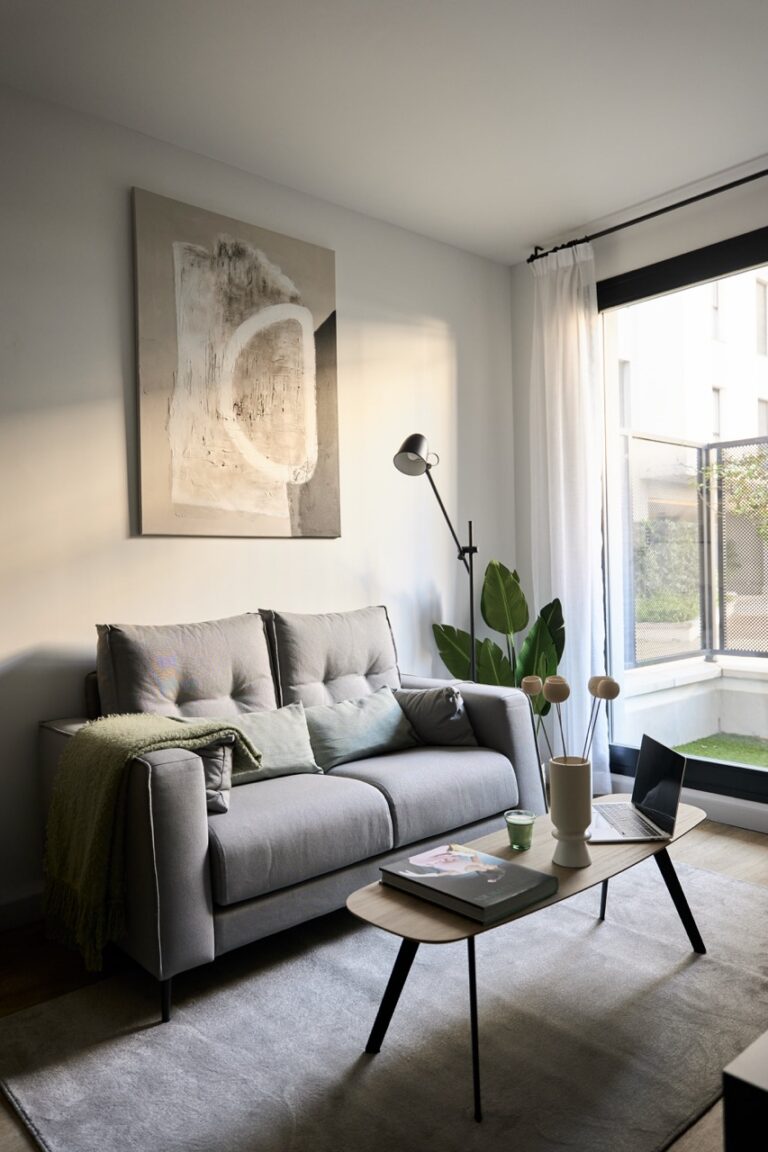
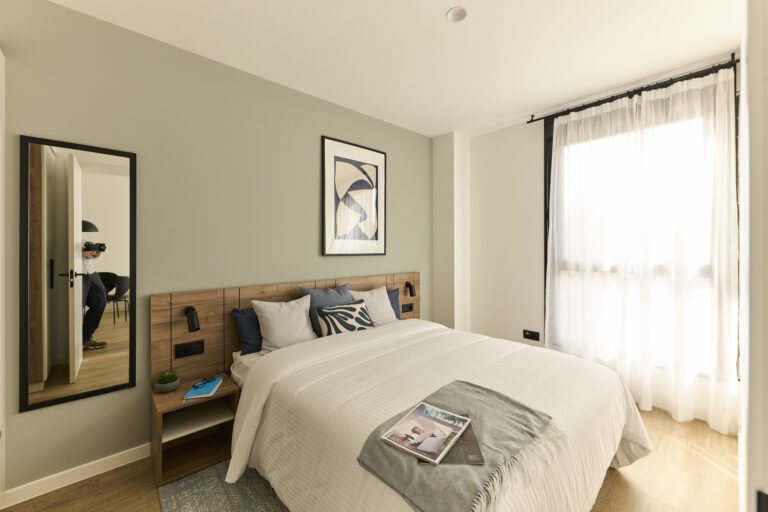
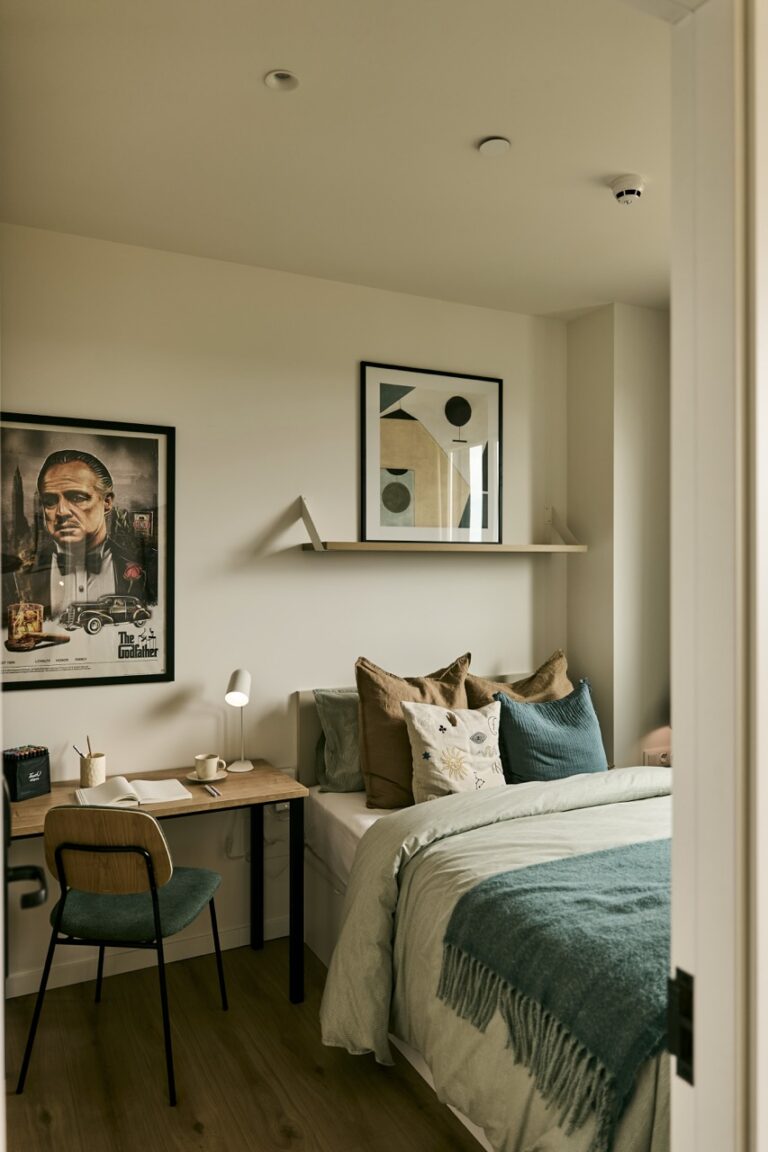
- If you’re moving on your own, a studio or 1-bedroom apartment may be the ideal option.
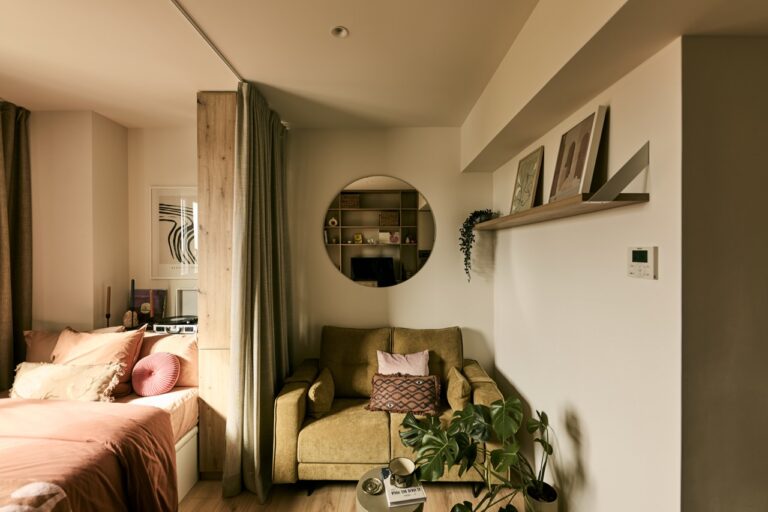
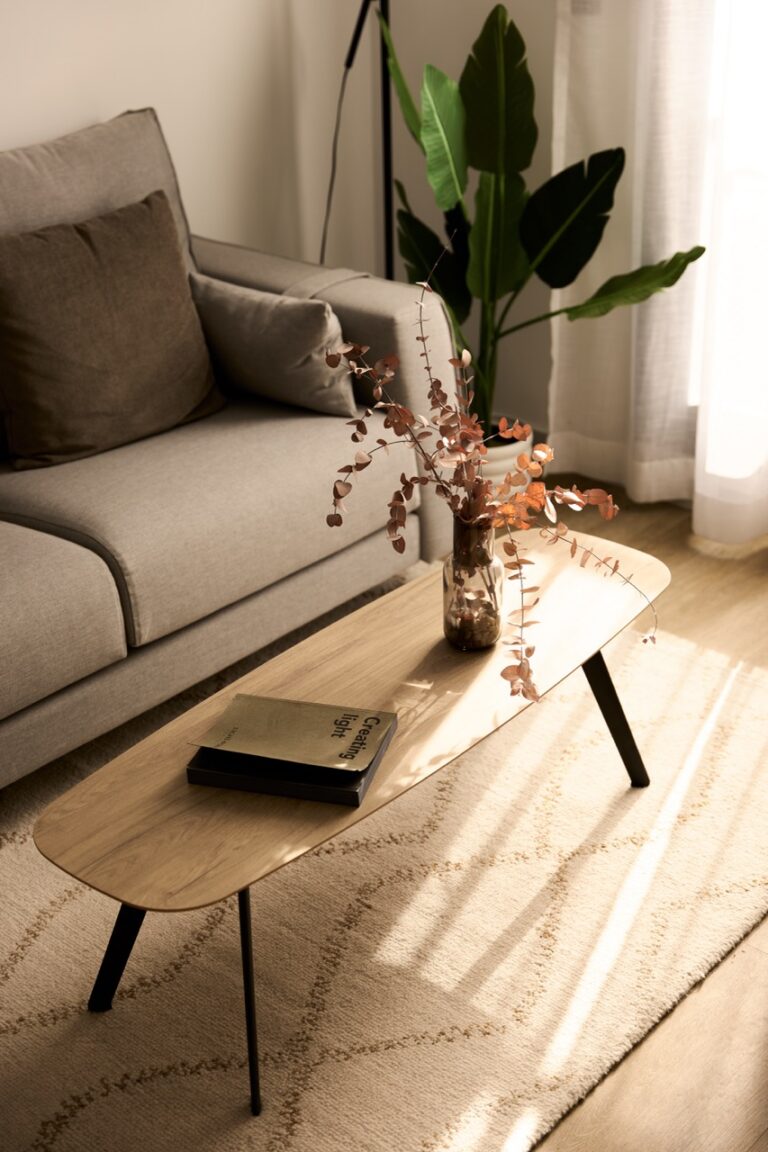
- If you’re moving as a couple, having more space and common areas makes a real difference.
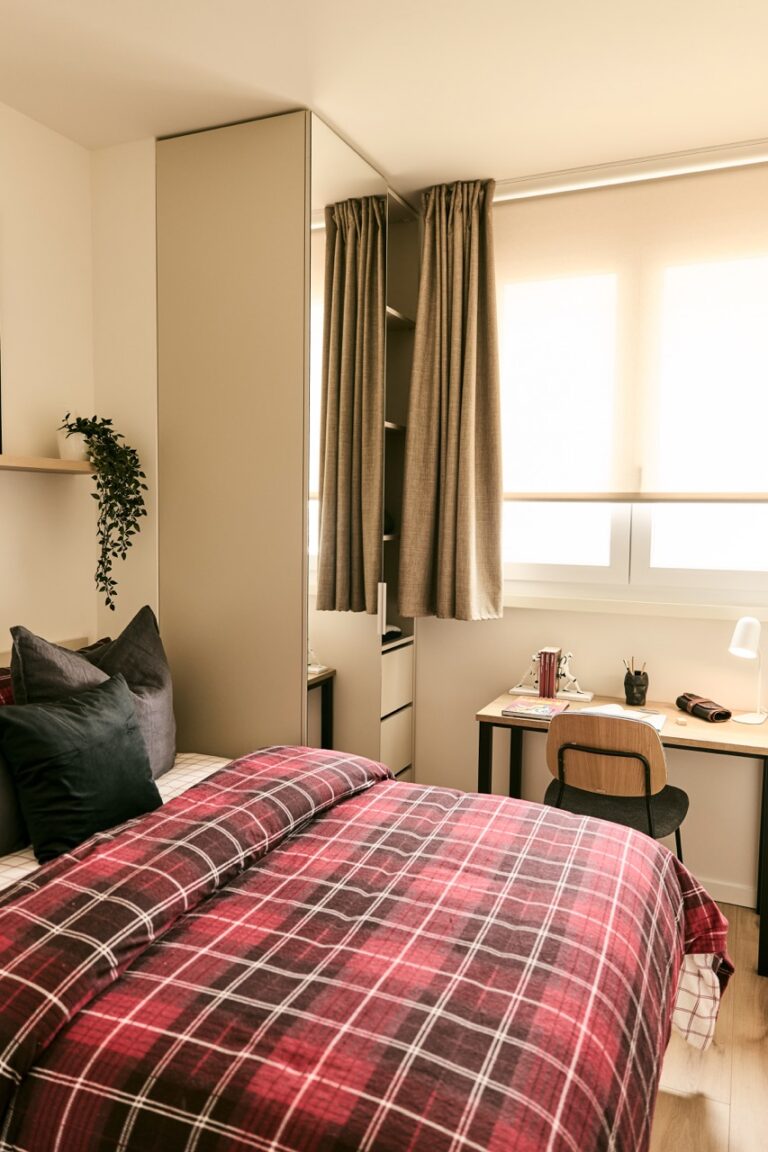
- If you’re sharing a flat, there are 2- or 4-bedroom apartments designed for comfortable shared living.
- If you’re moving with a pet, it’s essential to choose an environment that’s ready for it.
Flexibility in unit types means the home adapts to you, not the other way around.
3. Spaces that support your daily routine
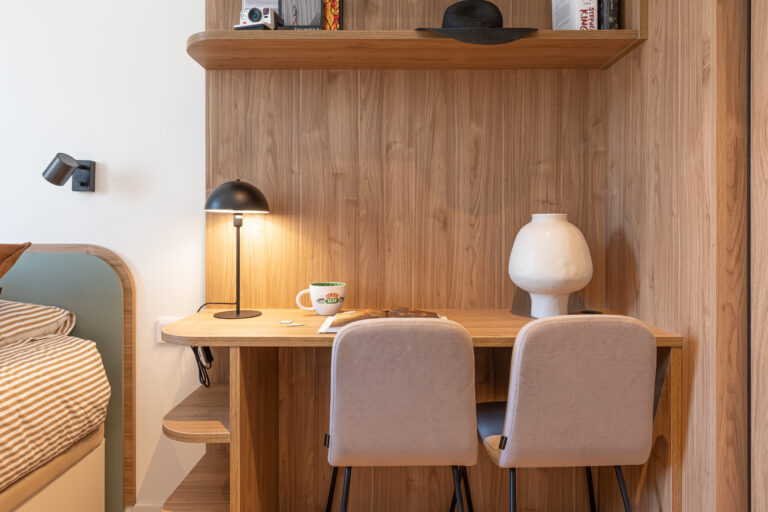
When choosing where to live, what matters isn’t just the apartment, but everything around it. Today the home plays multiple roles: working, resting, training and socialising.
In Flex Living communities, these aspects are considered from the design stage:
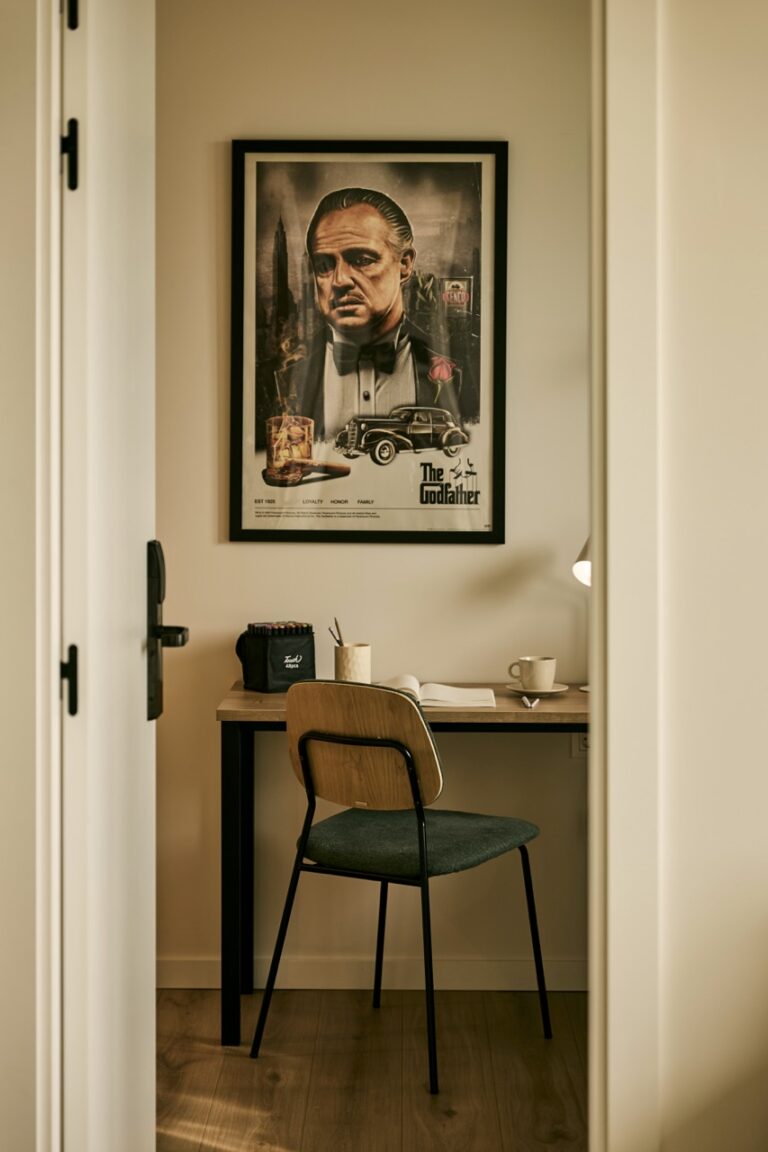
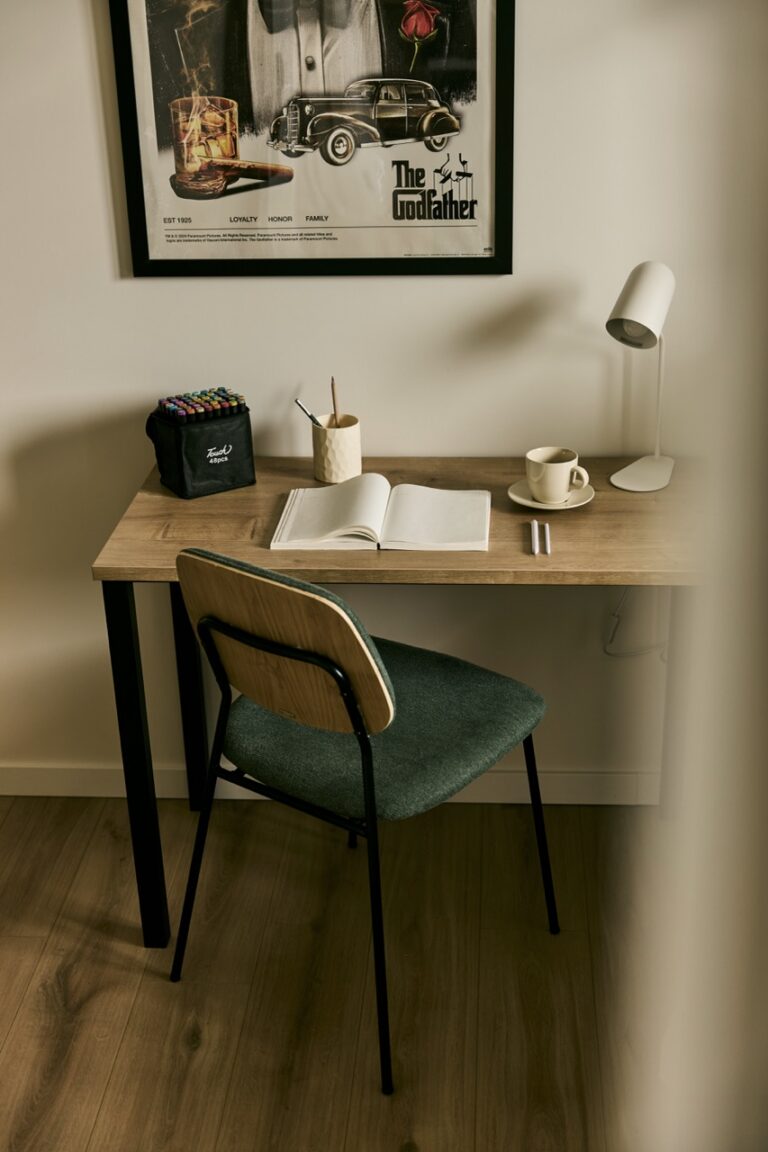
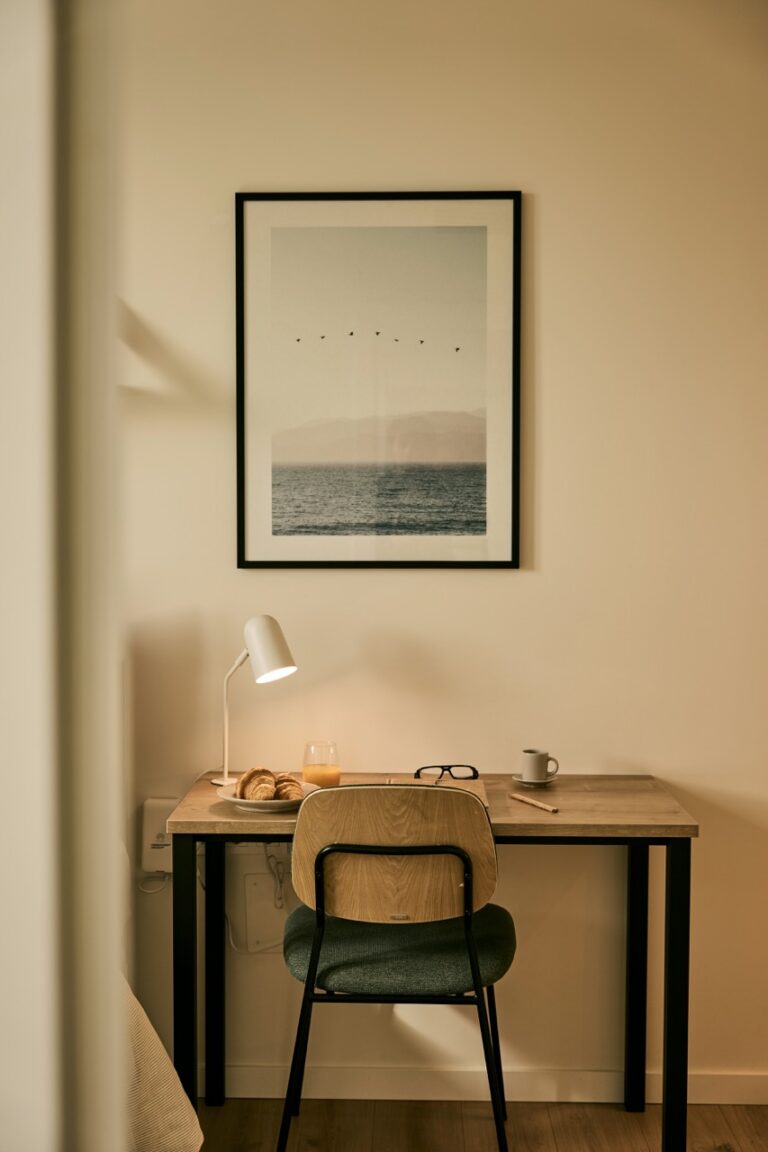
- Coworking areas so you can work without leaving home
- Gym and wellness spaces
- Terraces, rooftops and common areas
- Cinema, social areas and events for residents