How community living improves your day-to-day when you live in the city
Living in a big city has plenty of upsides: job opportunities, an active cultural scene and an endless list of things to do. But it can also bring a fast-paced rhythm and a sense of isolation that many people experience in urban environments.
That’s why more and more people are looking for ways to live that combine independence with community. Residential spaces that encourage shared living make it possible to build real connections with others without giving up your privacy.
Community living doesn’t just improve social well-being — it also transforms the way we experience our day-to-day life in the city.
What does community living really mean?
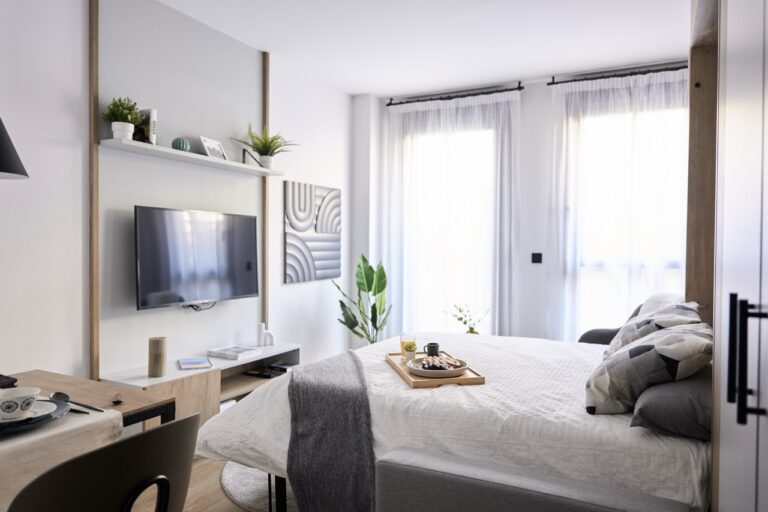
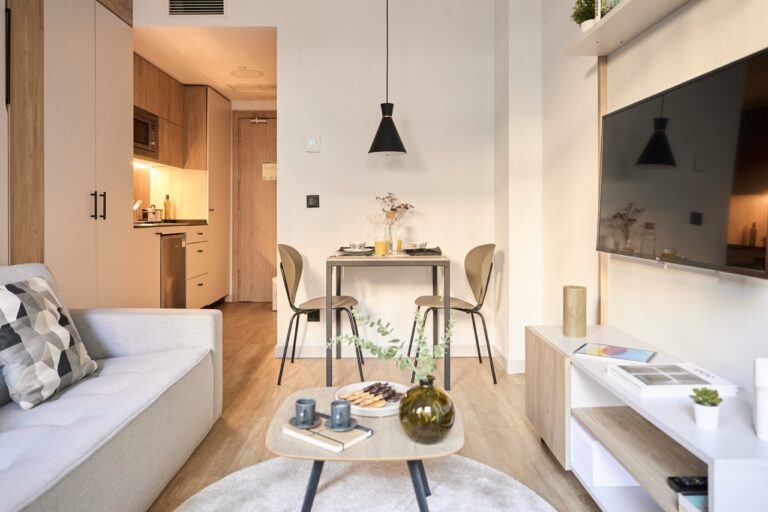
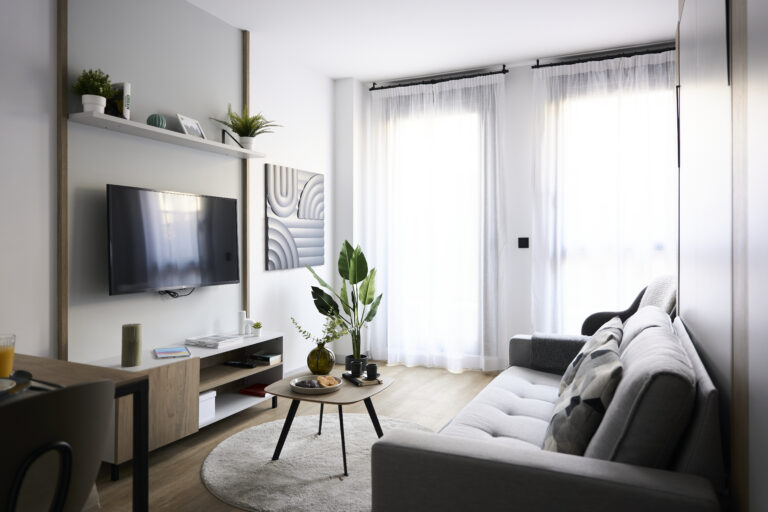
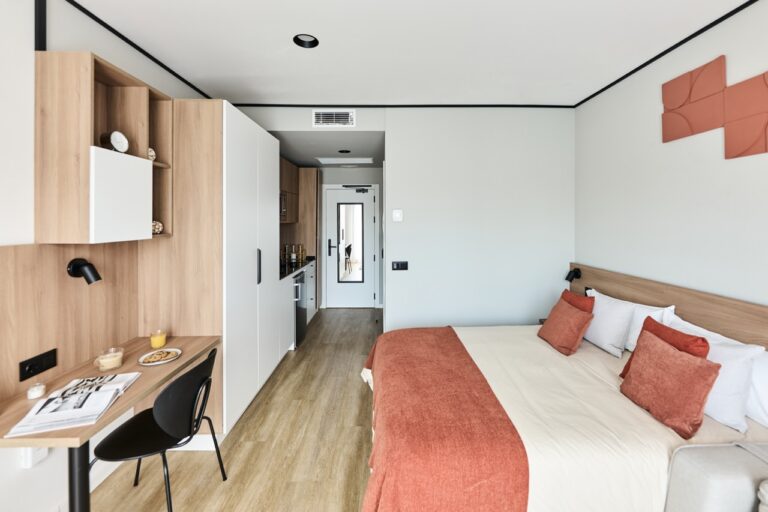
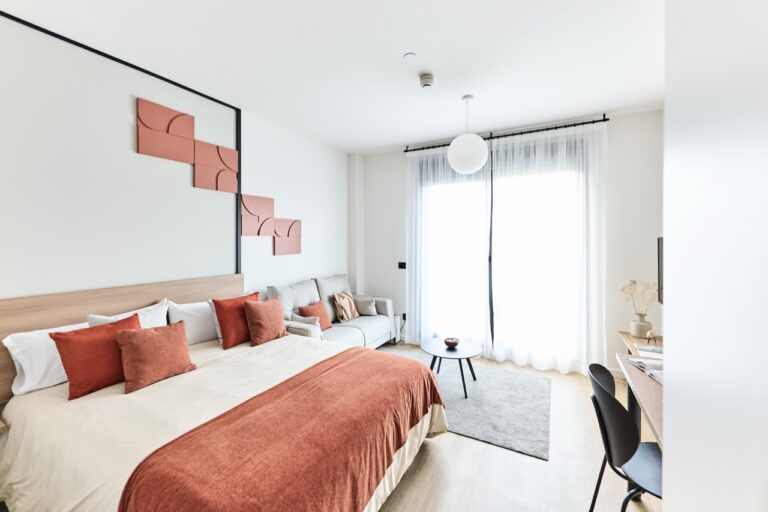
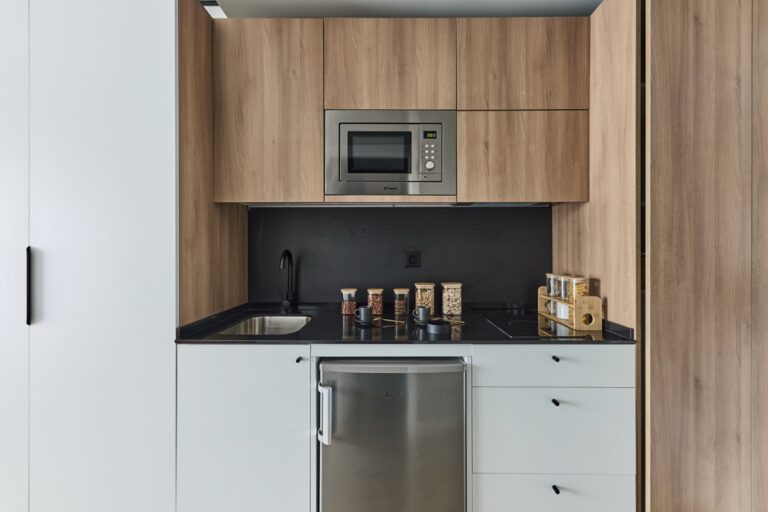
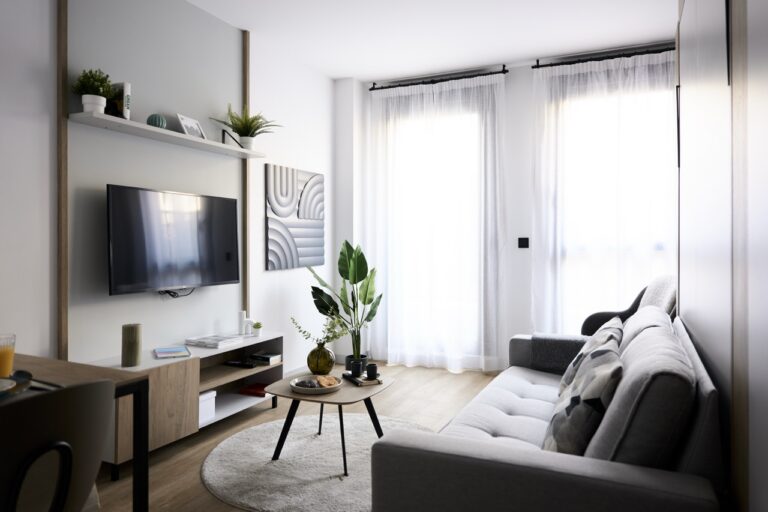
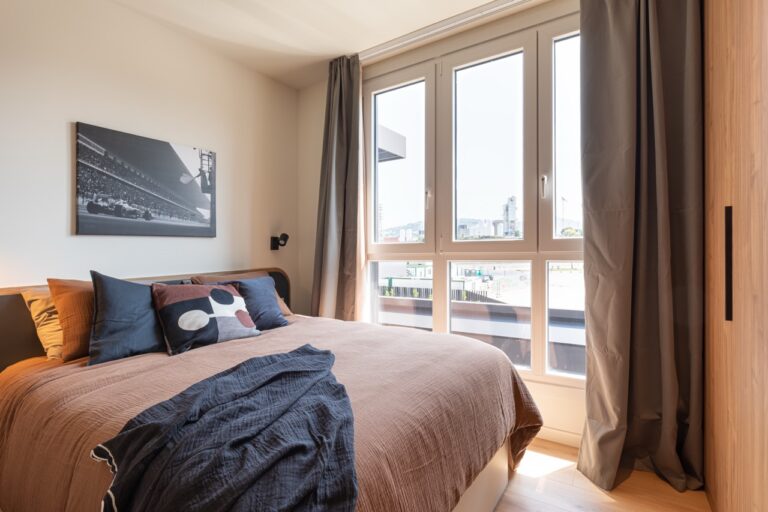
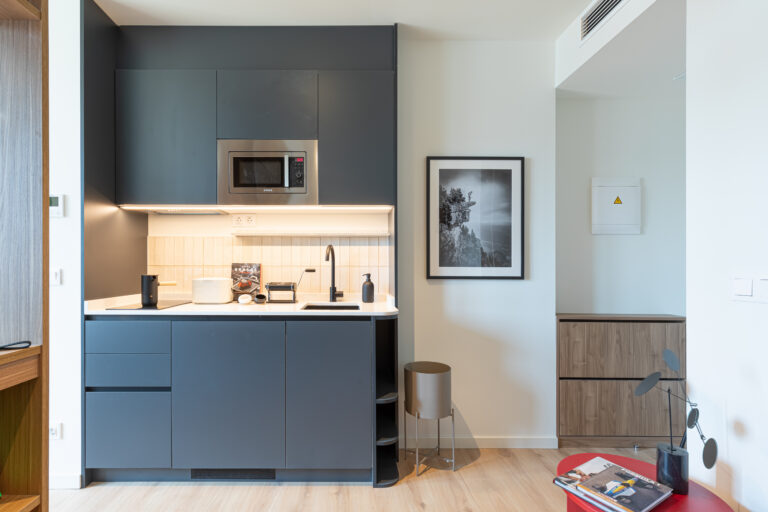
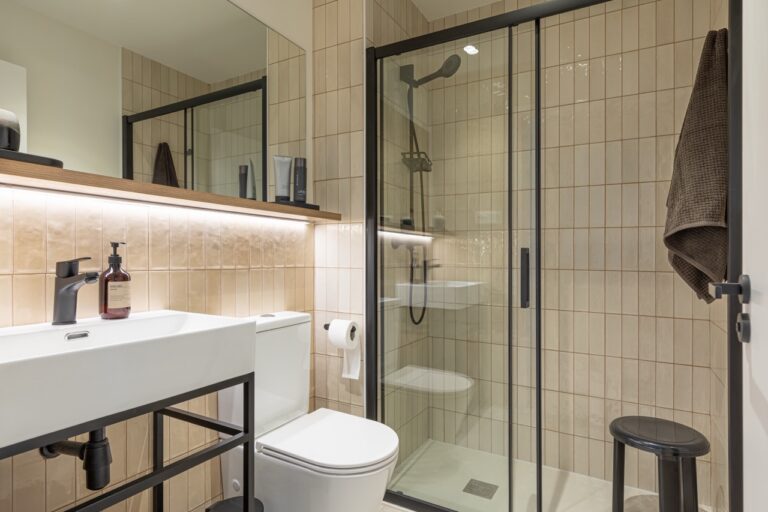
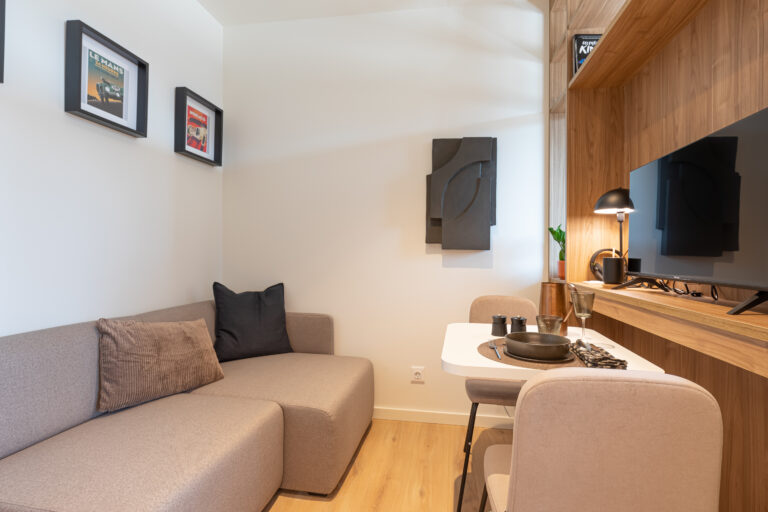
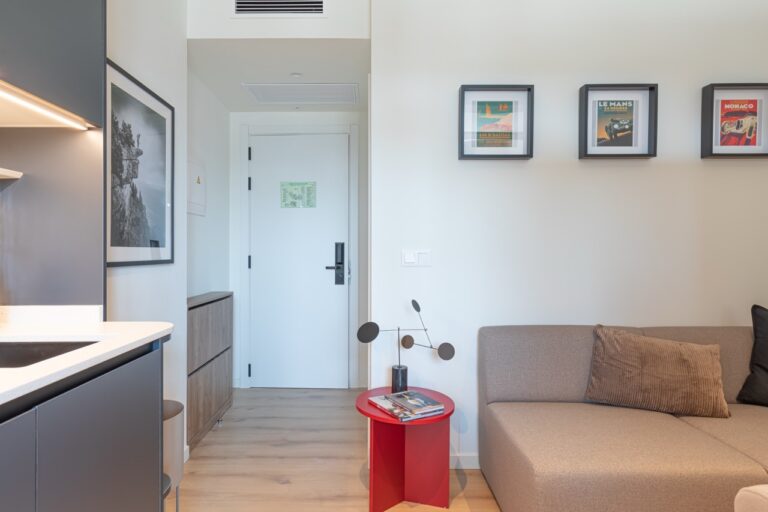
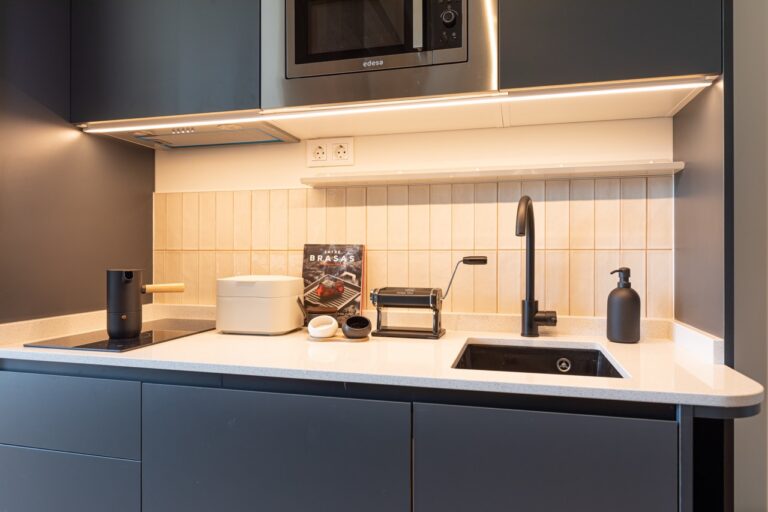
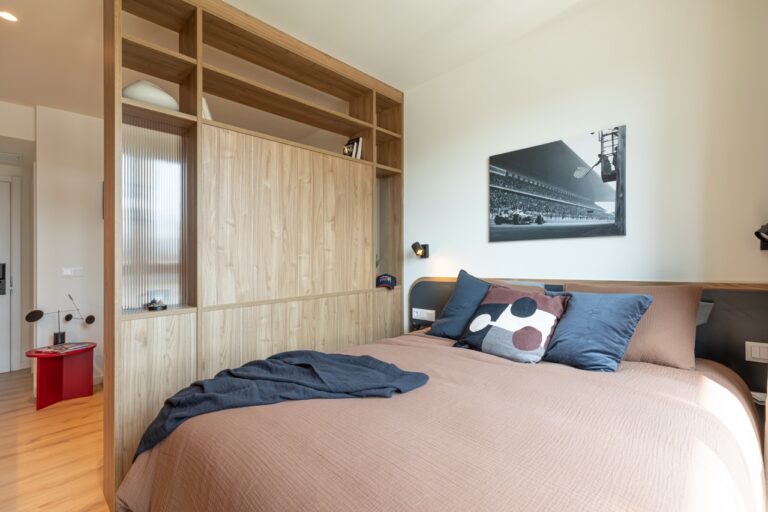
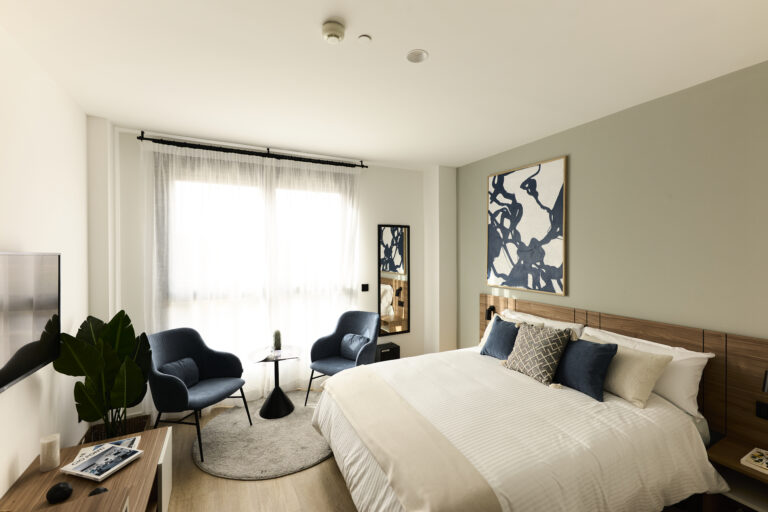
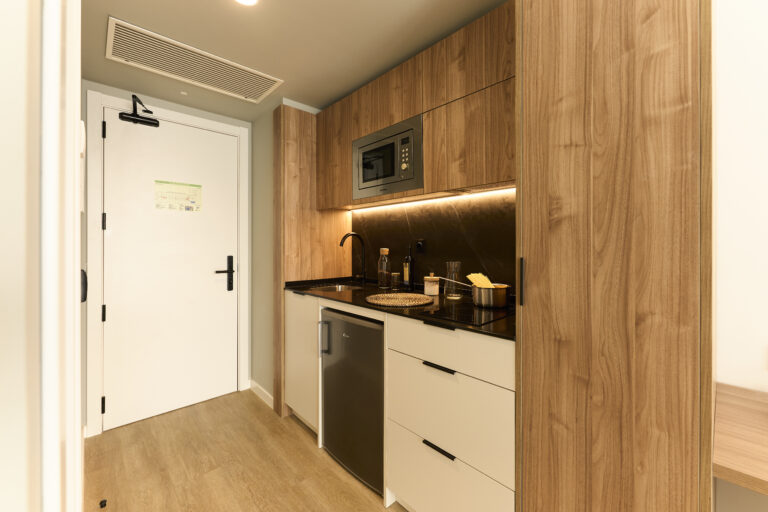
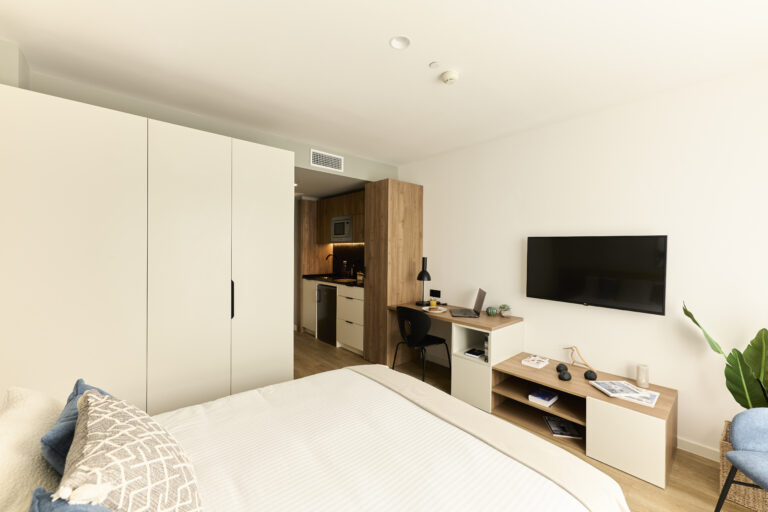
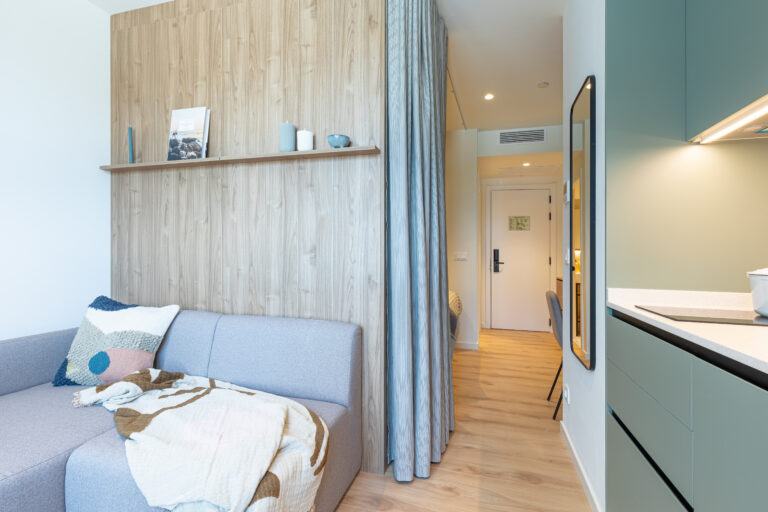
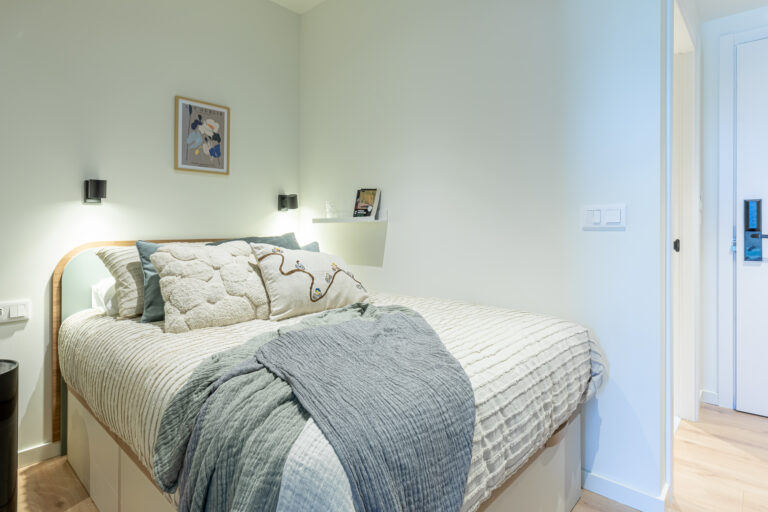
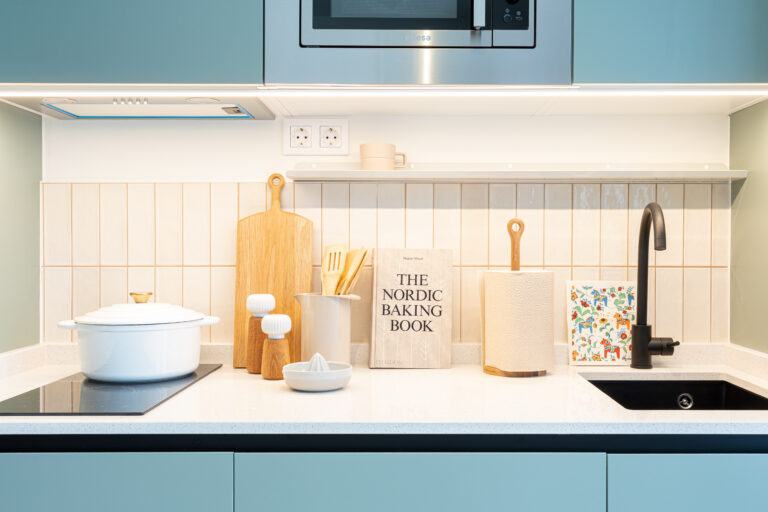
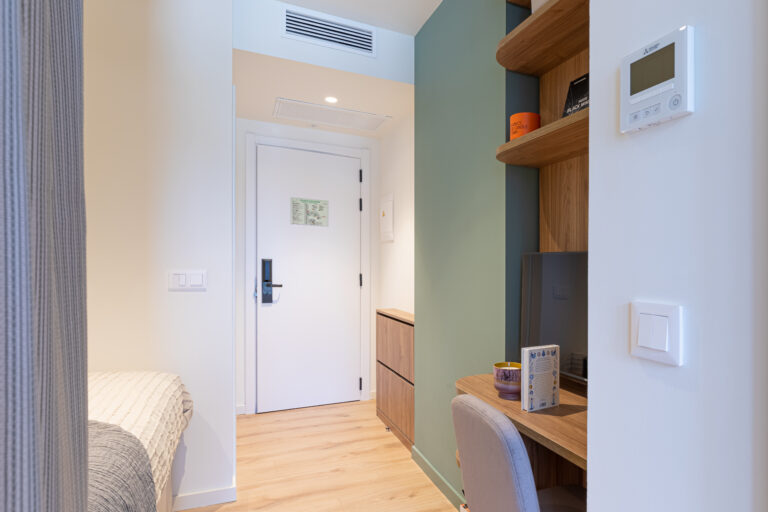
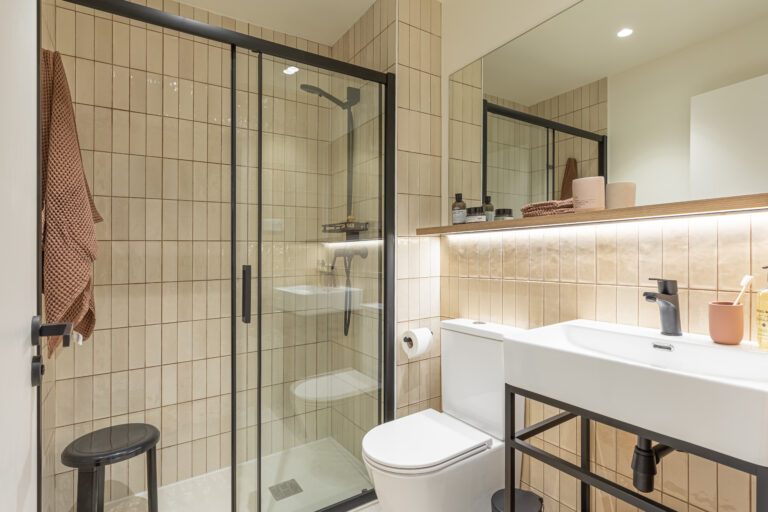
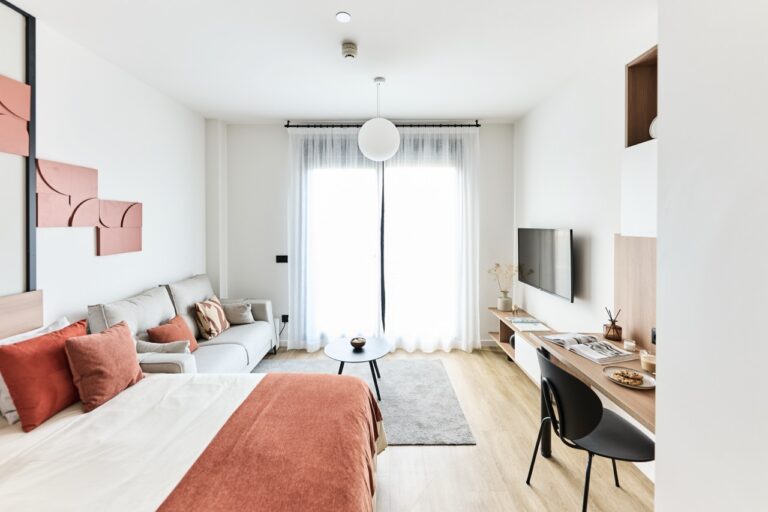
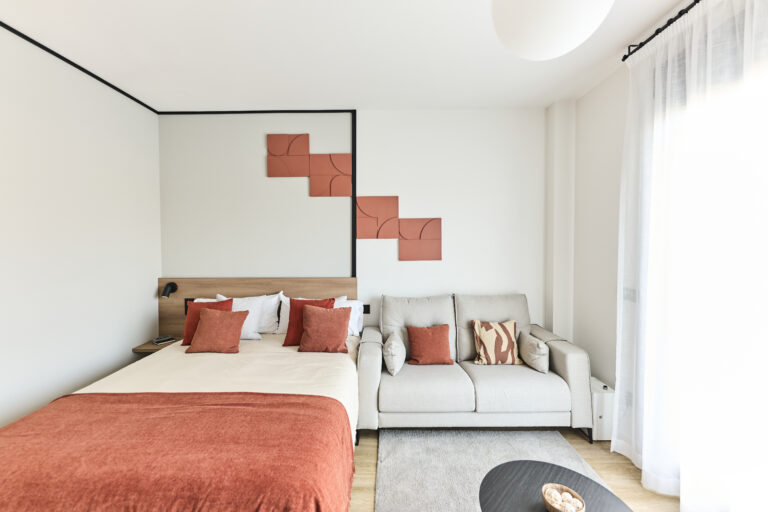
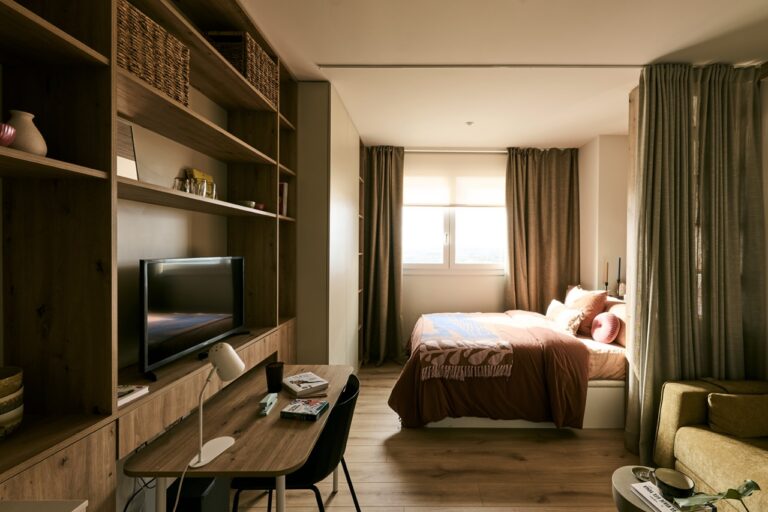
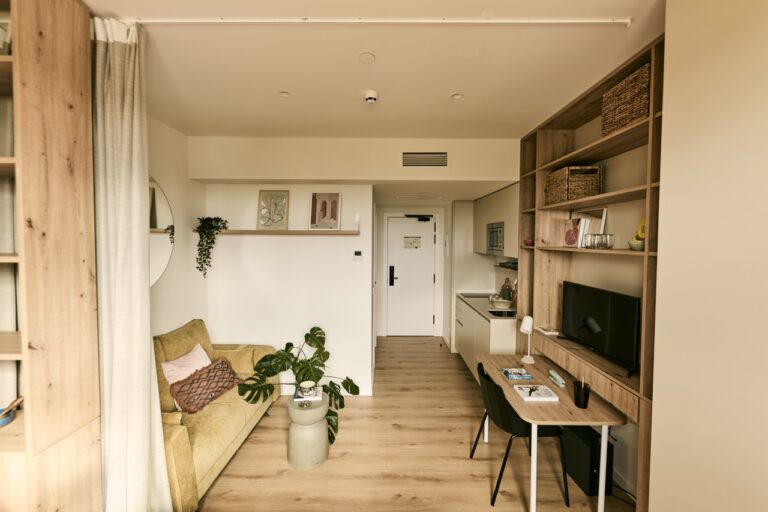
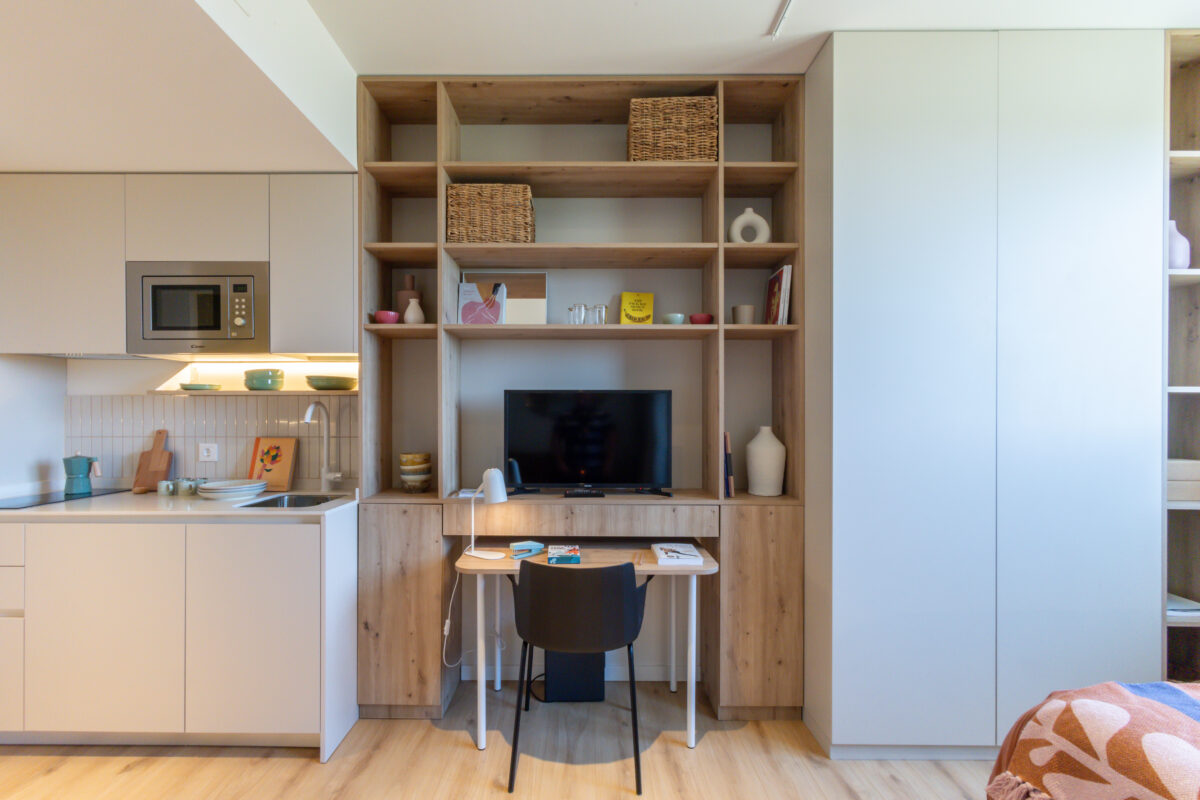
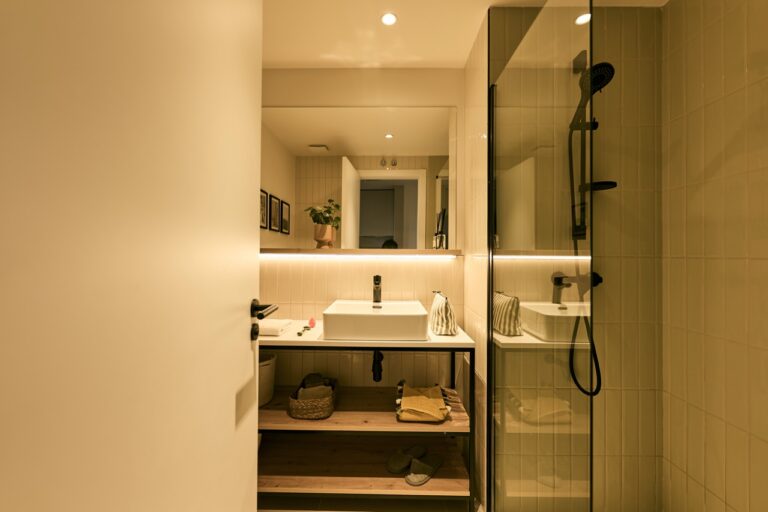
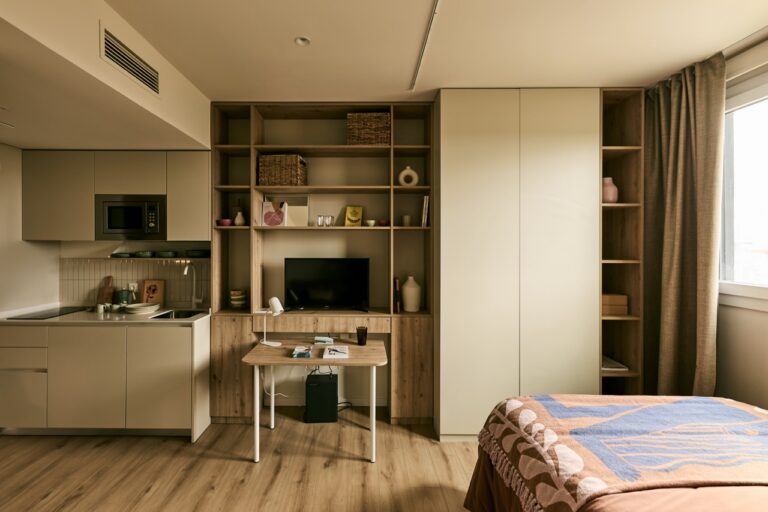
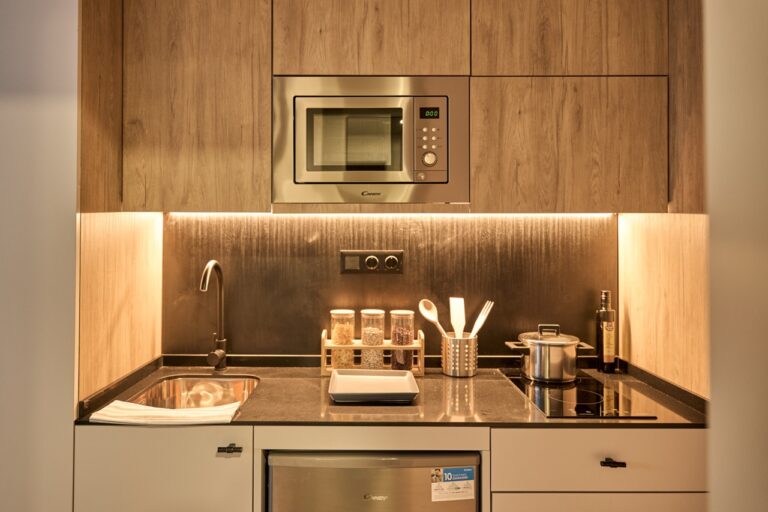
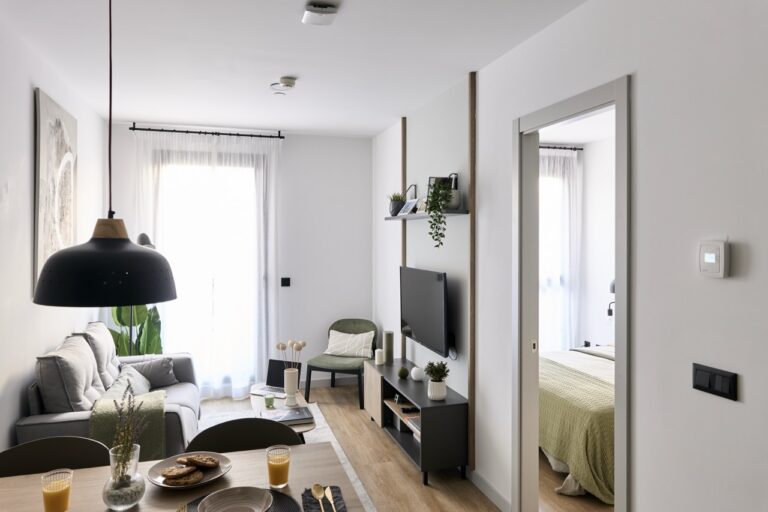
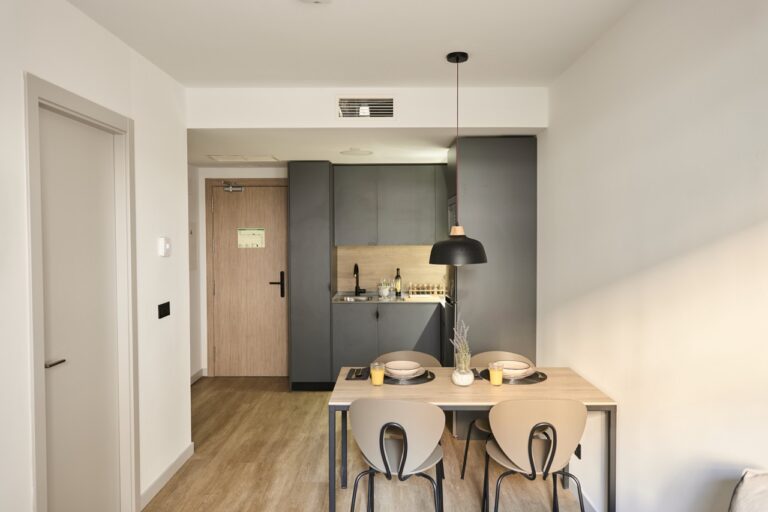
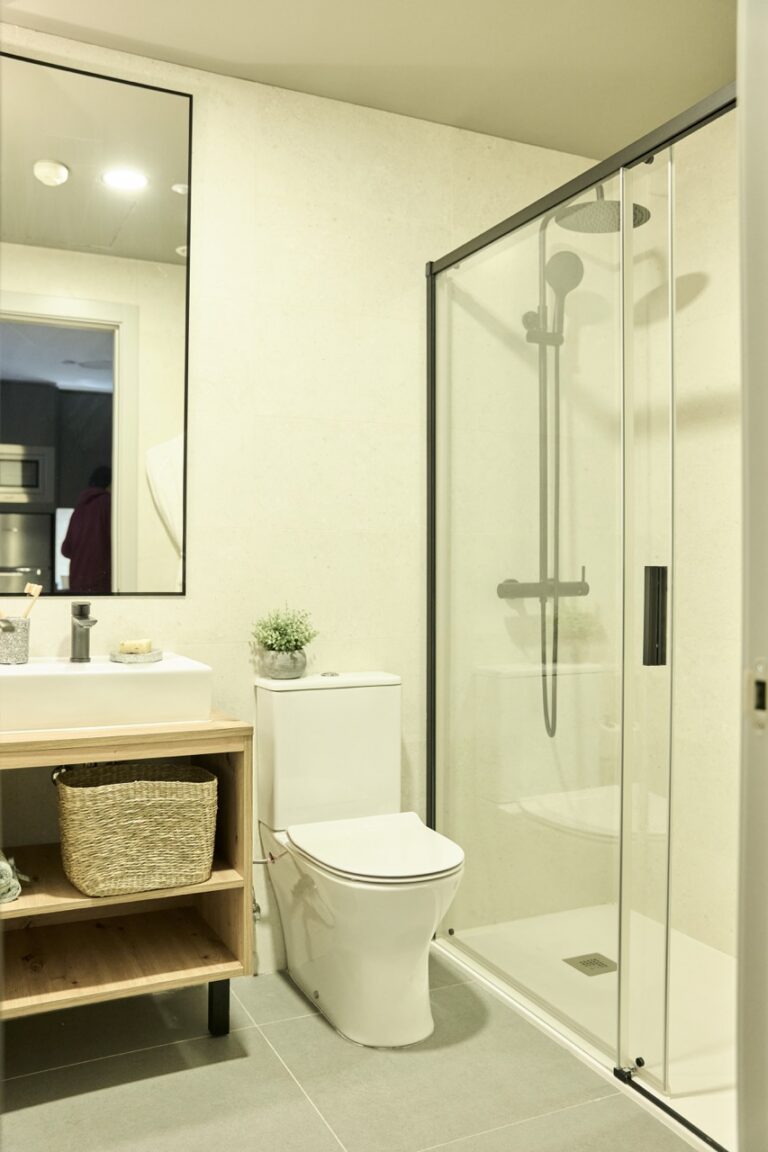
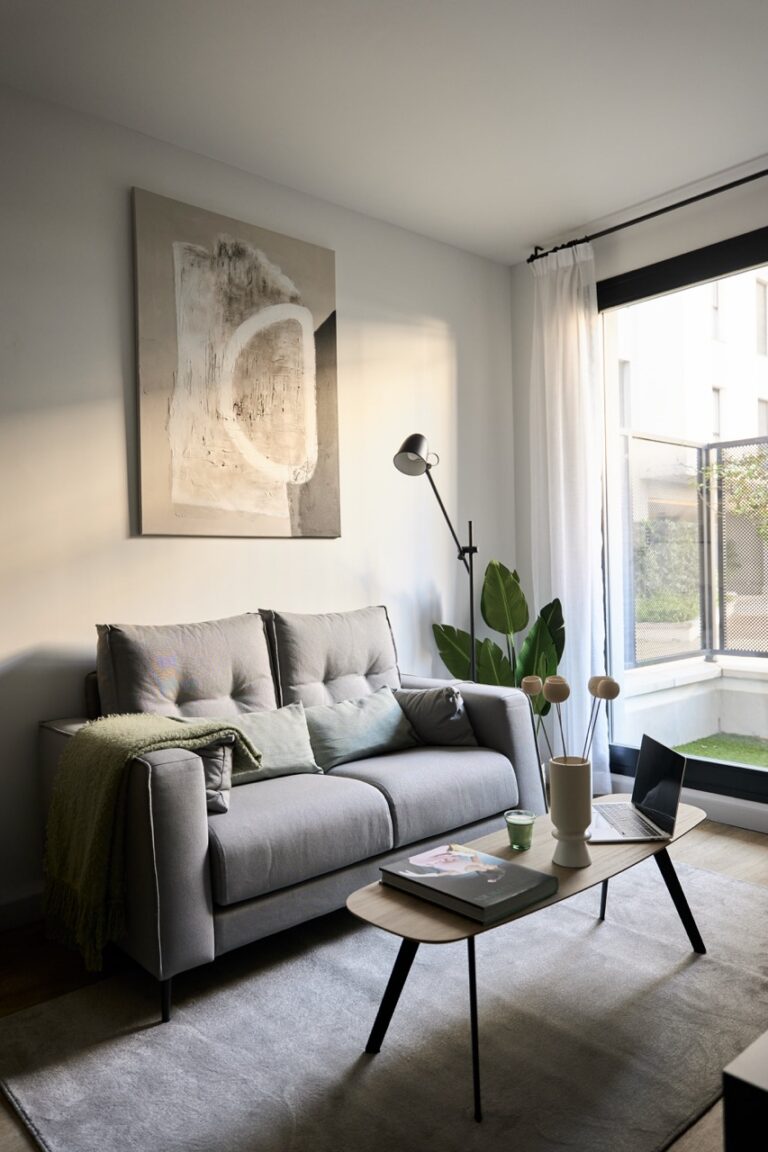
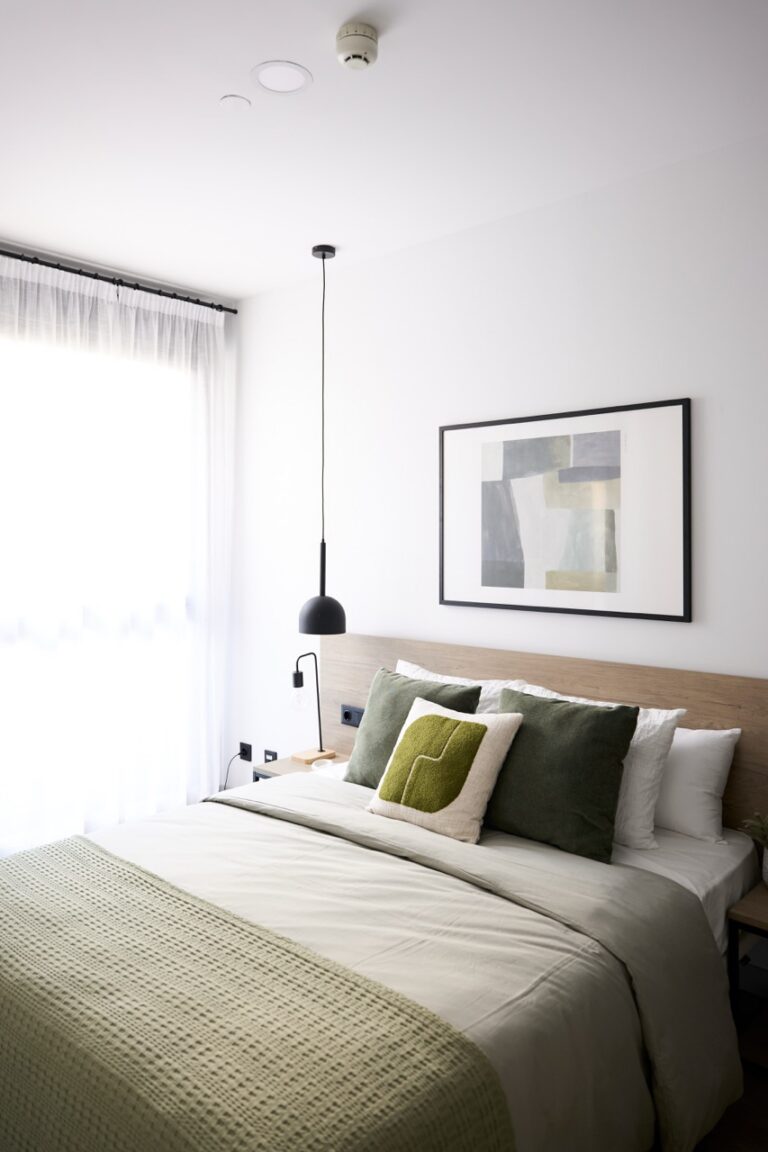
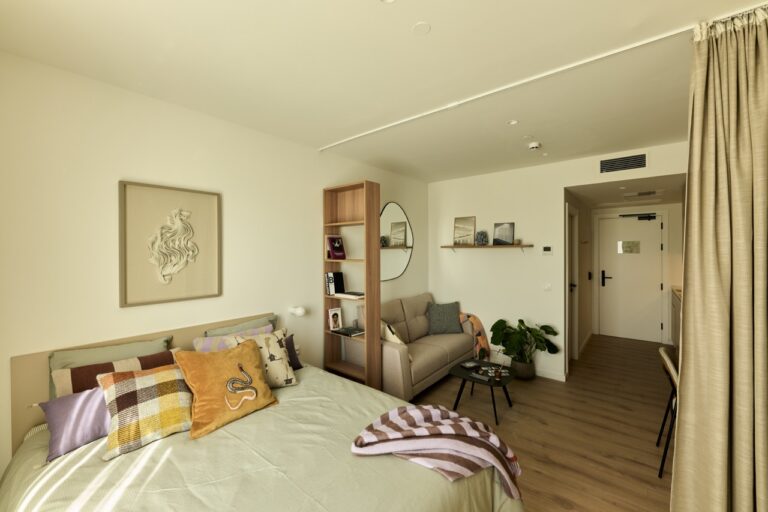
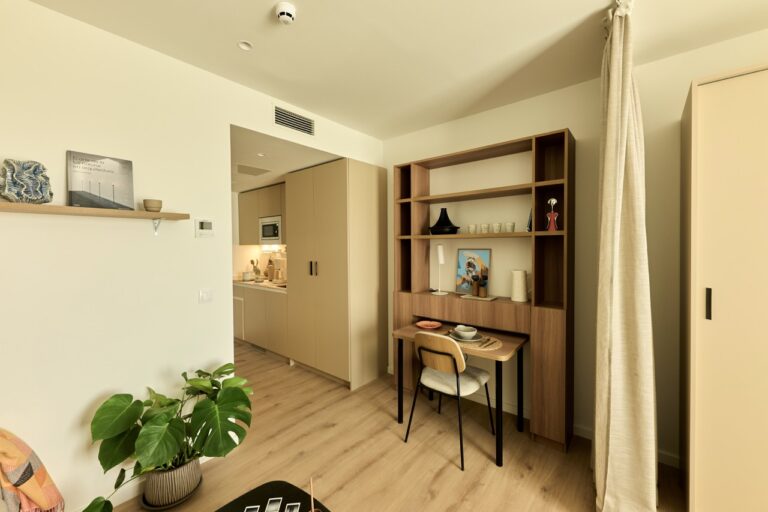
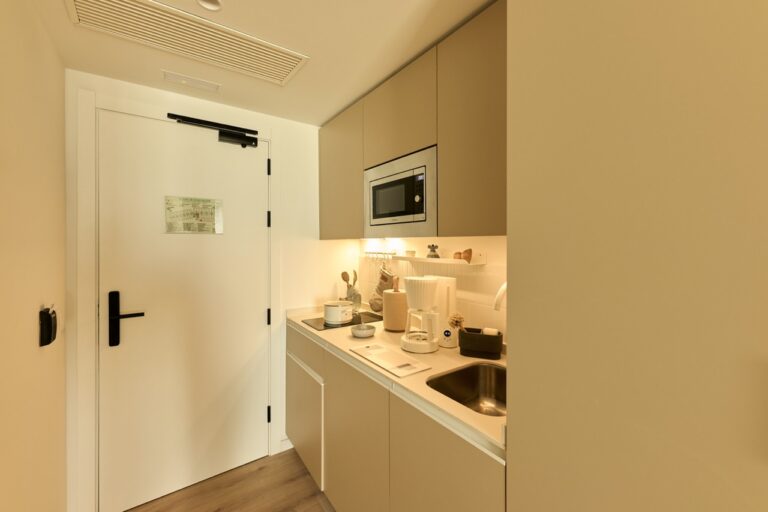
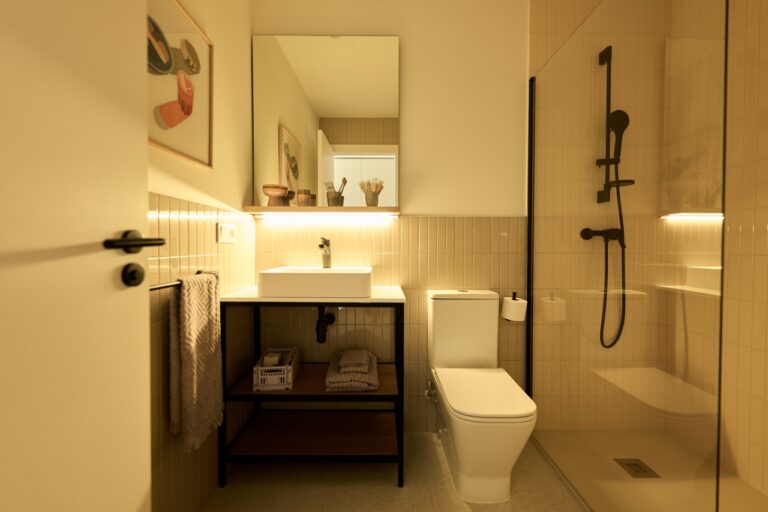
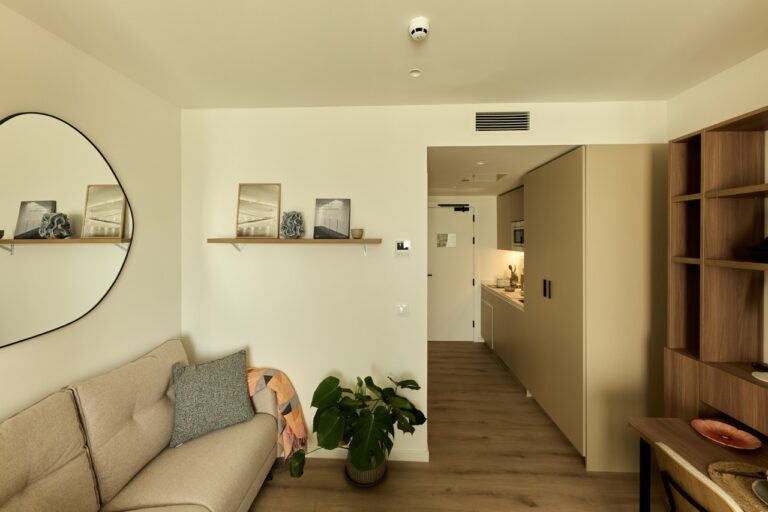
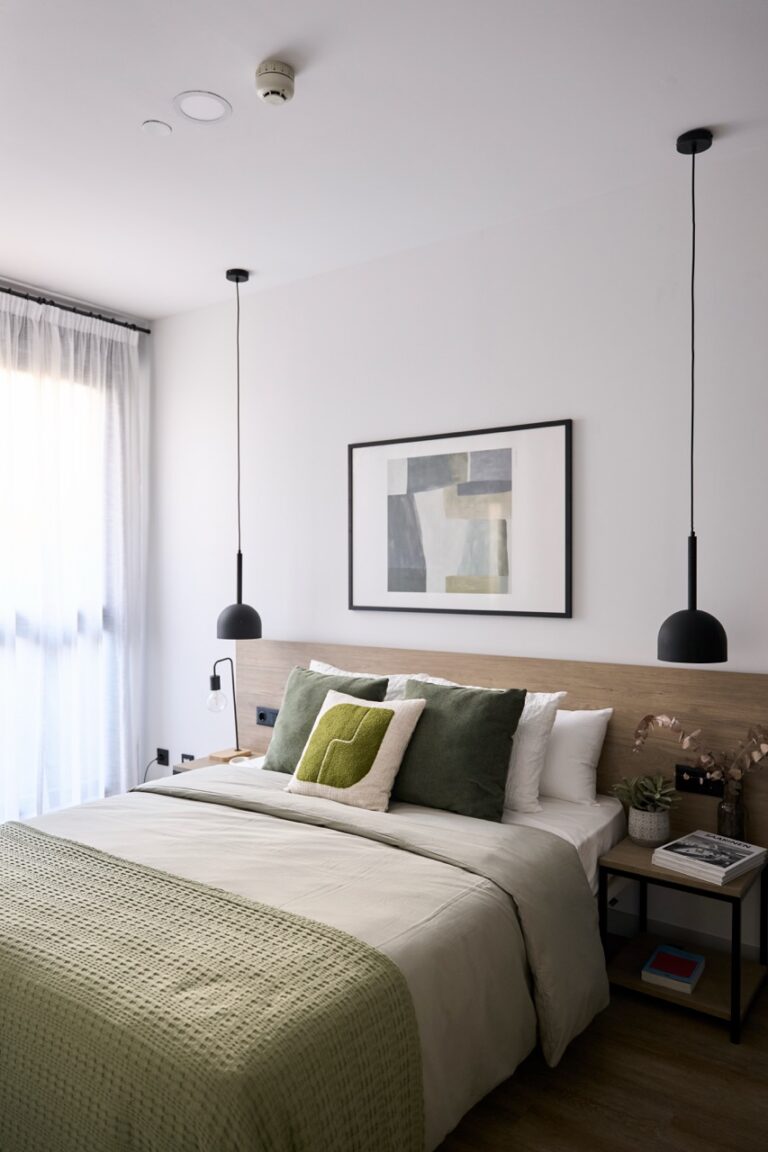
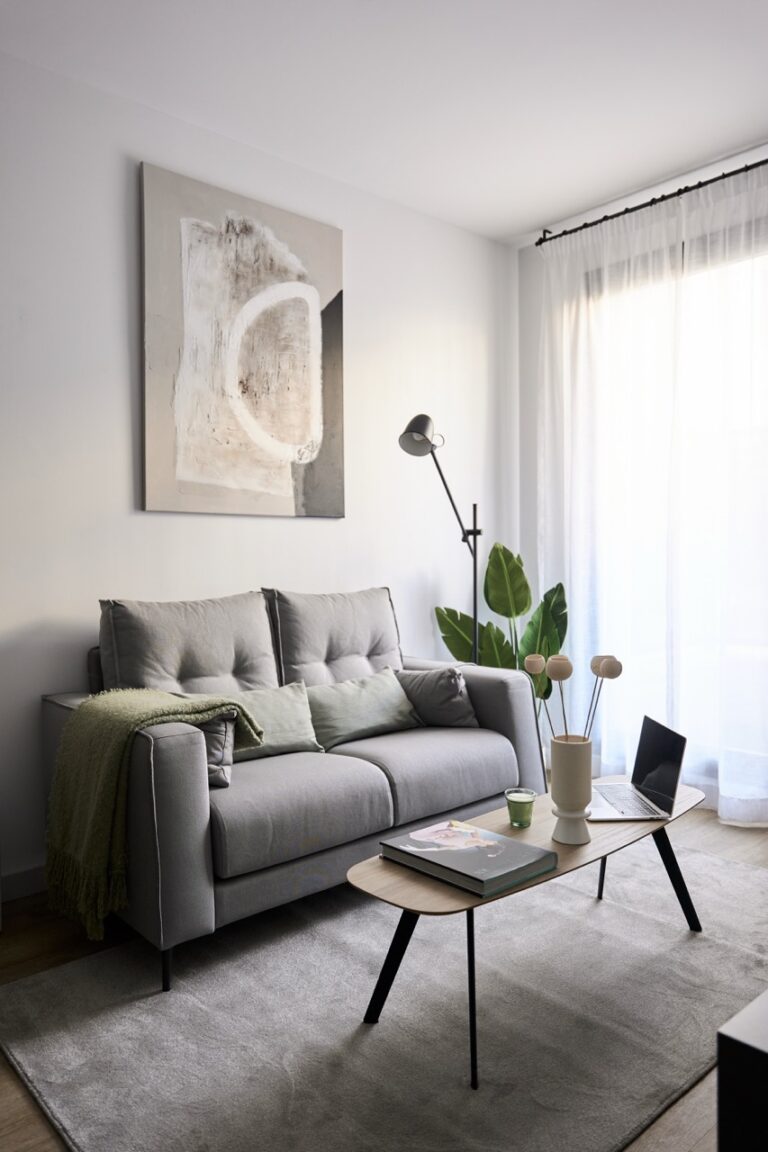
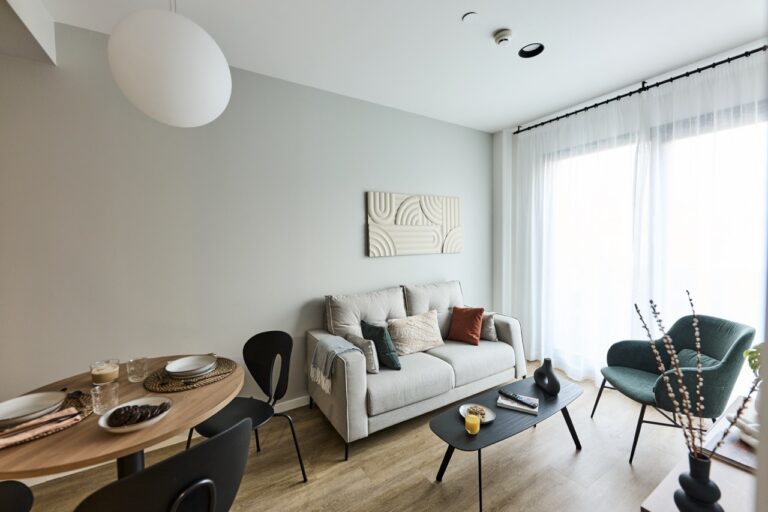
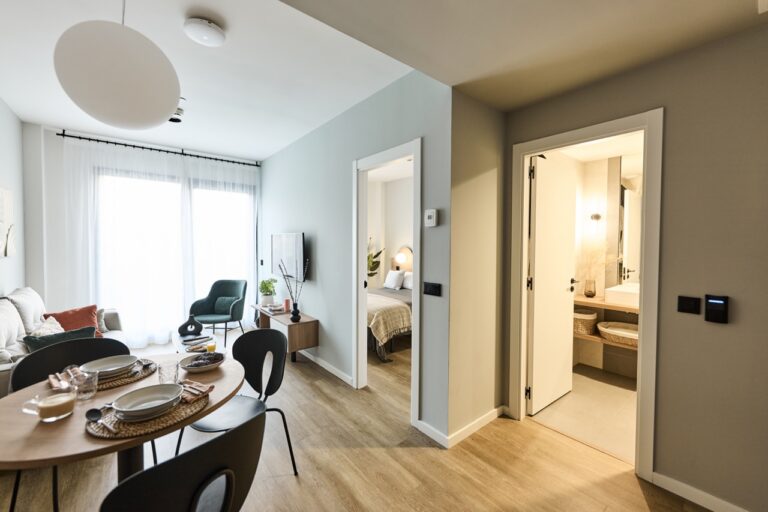
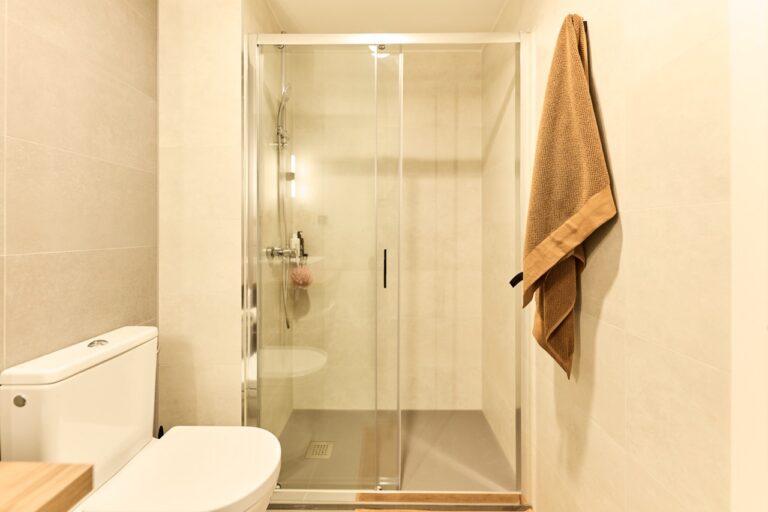
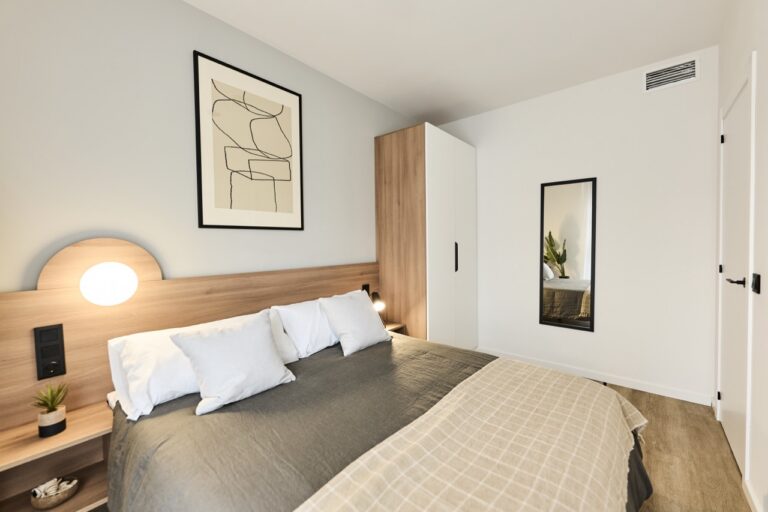
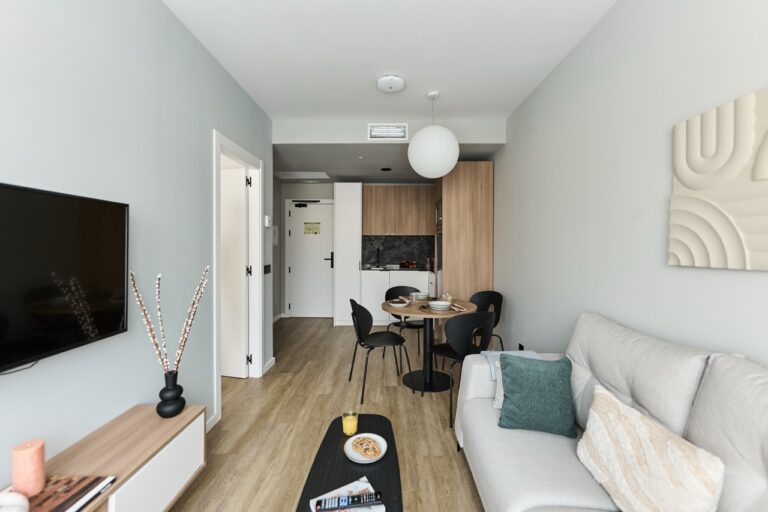
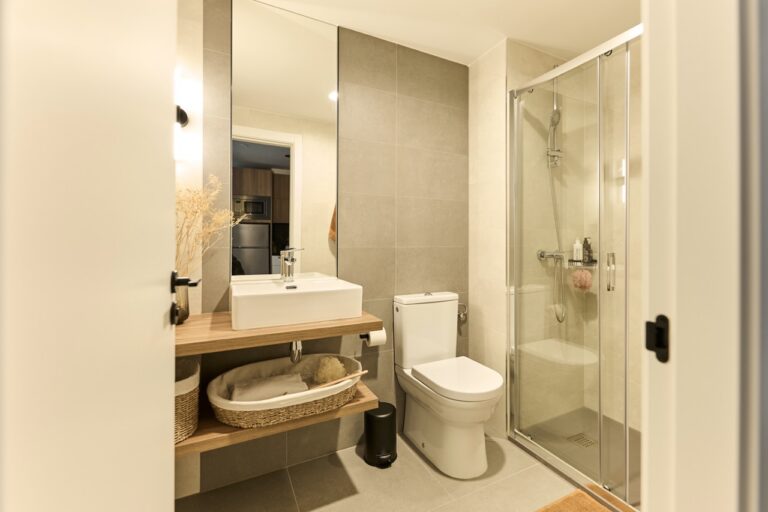
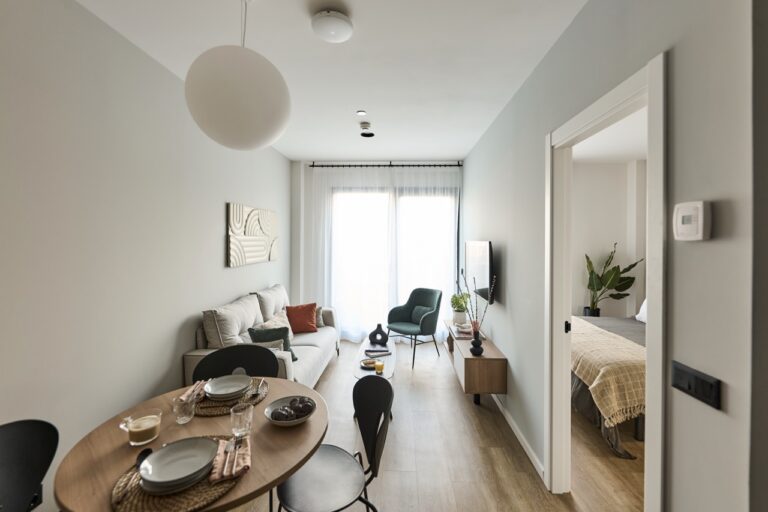
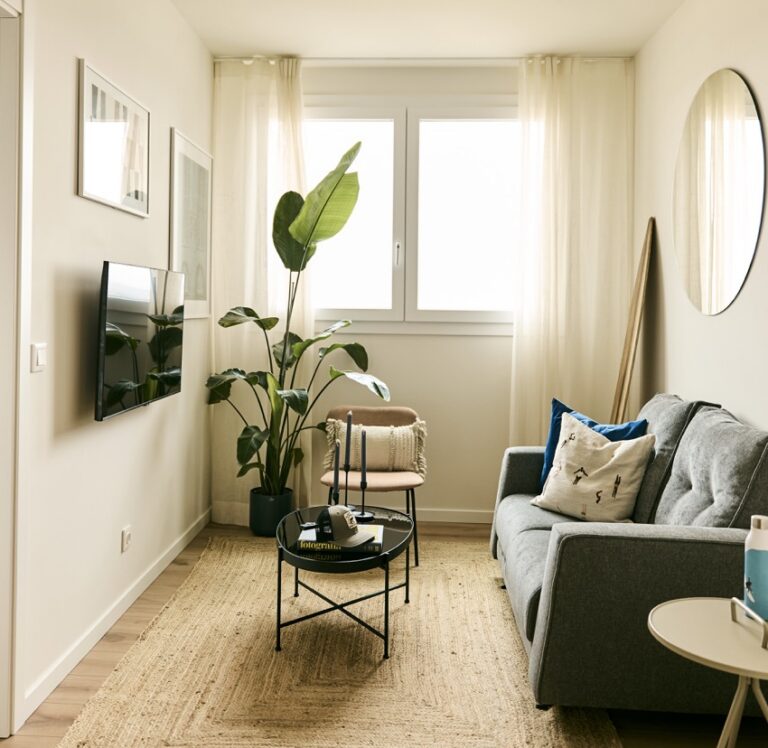
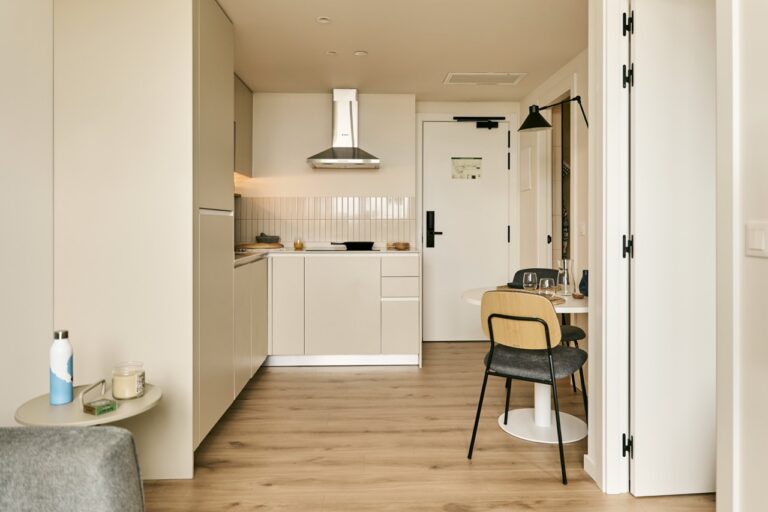
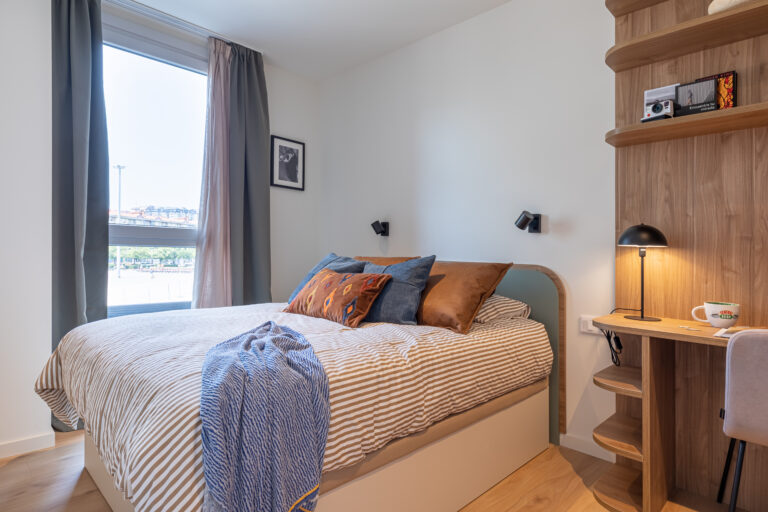
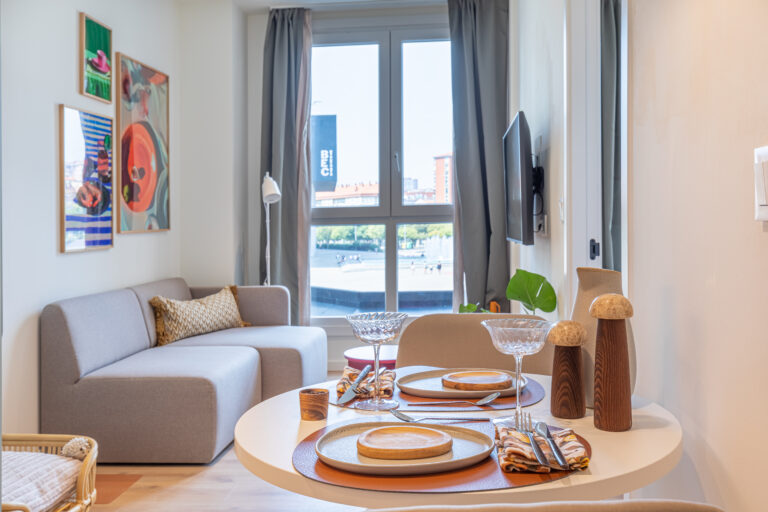
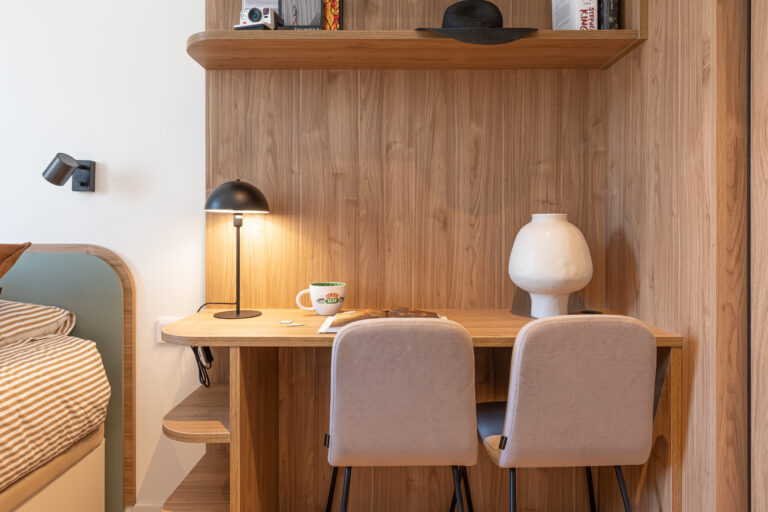
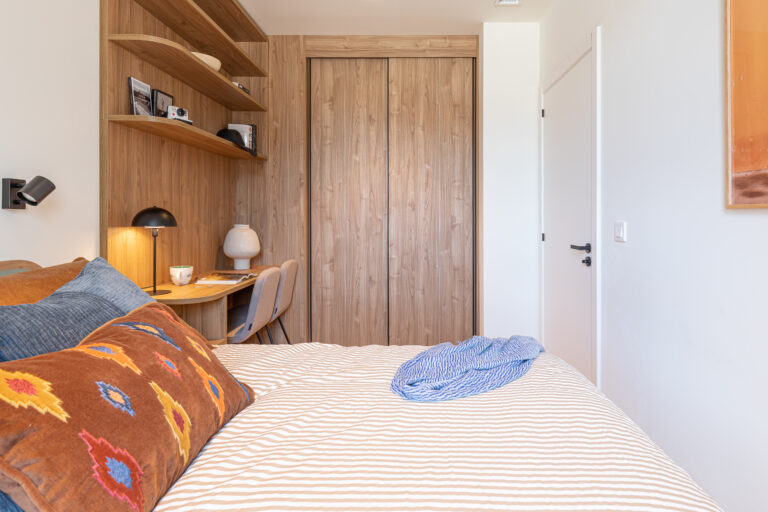
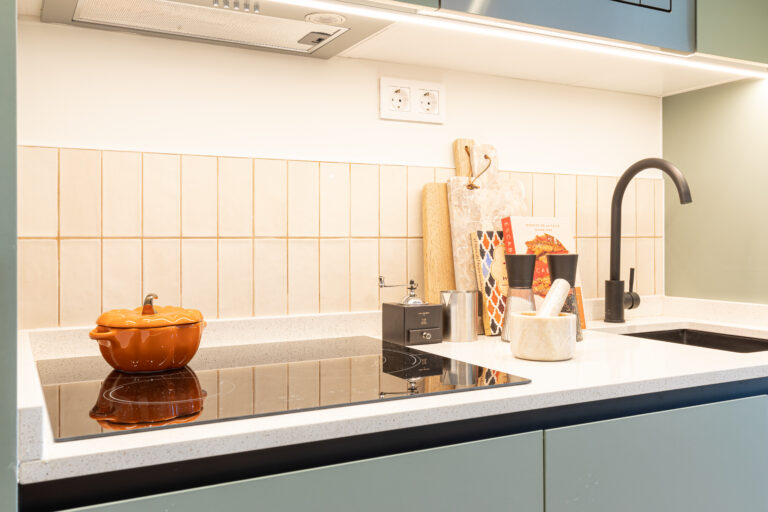
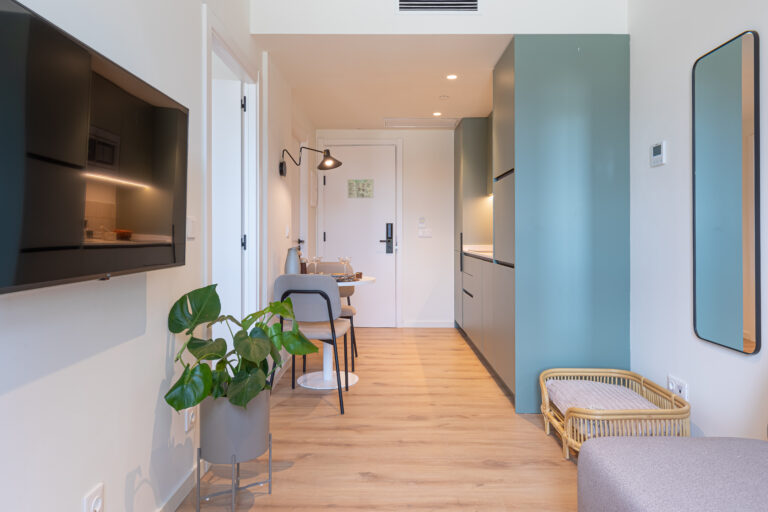
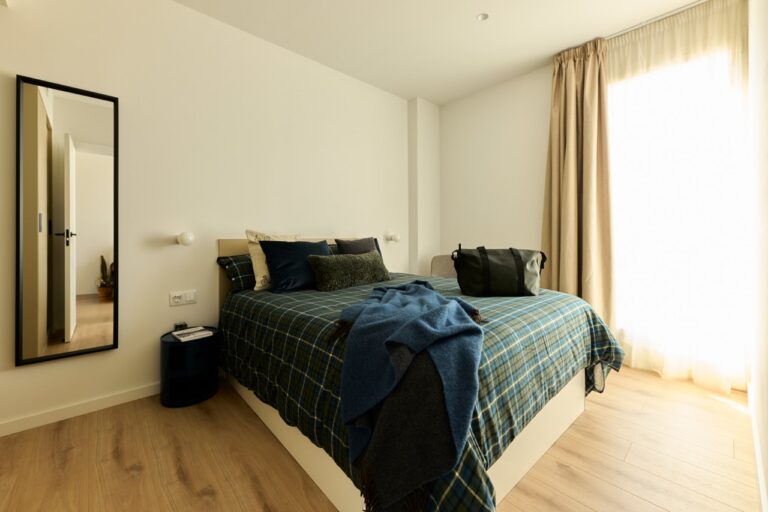
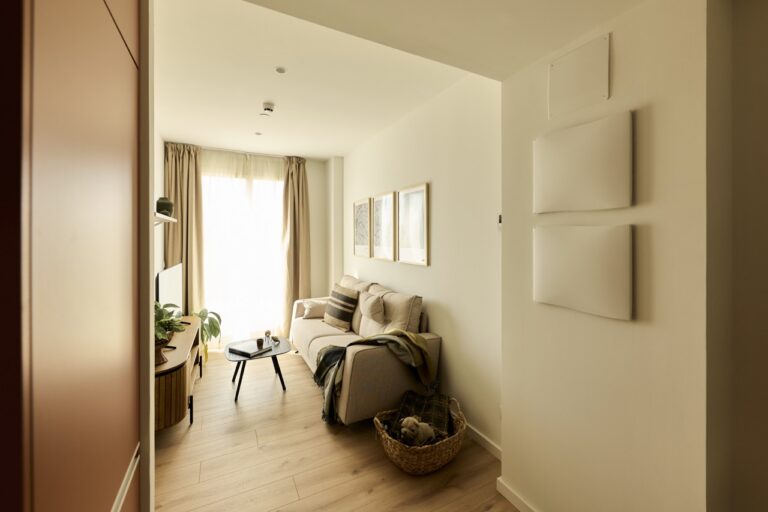
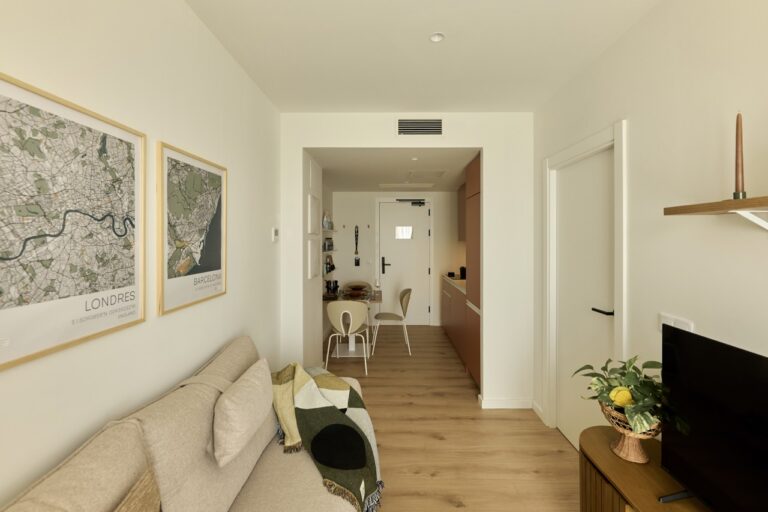
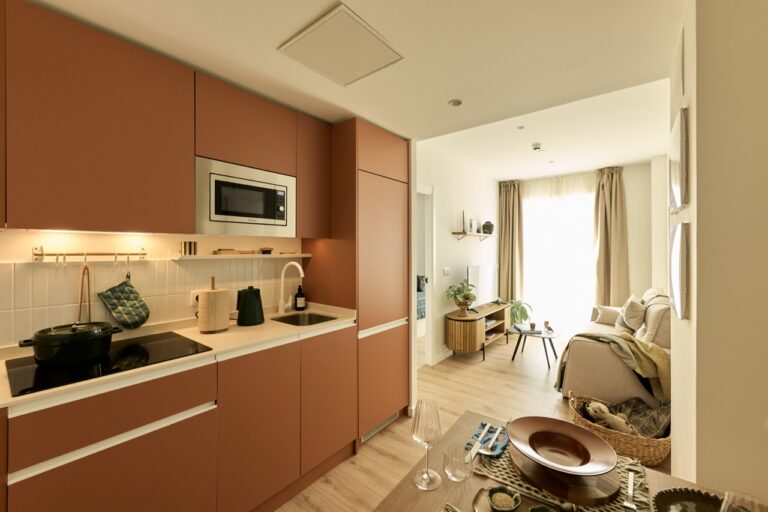
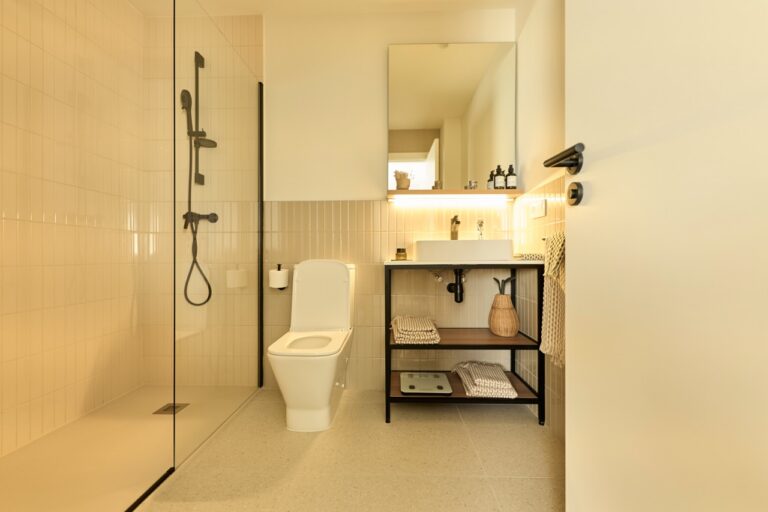
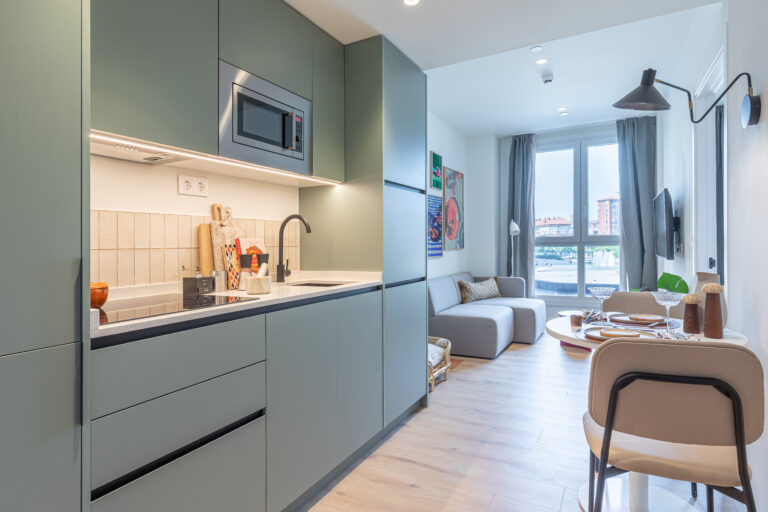
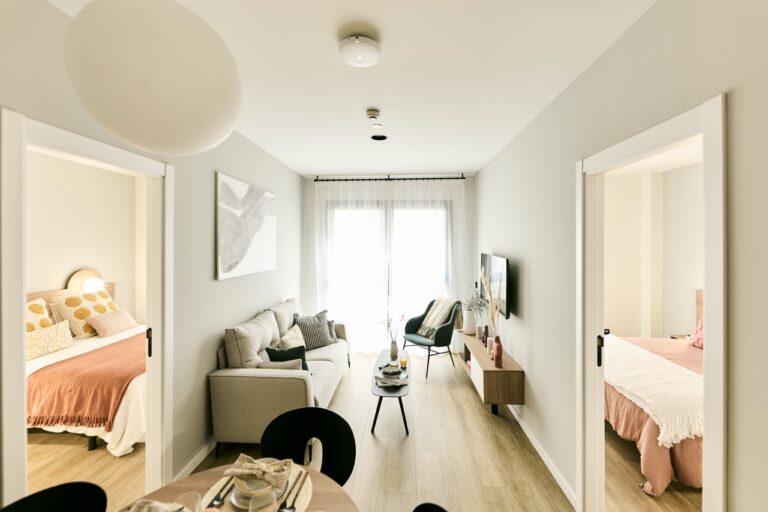
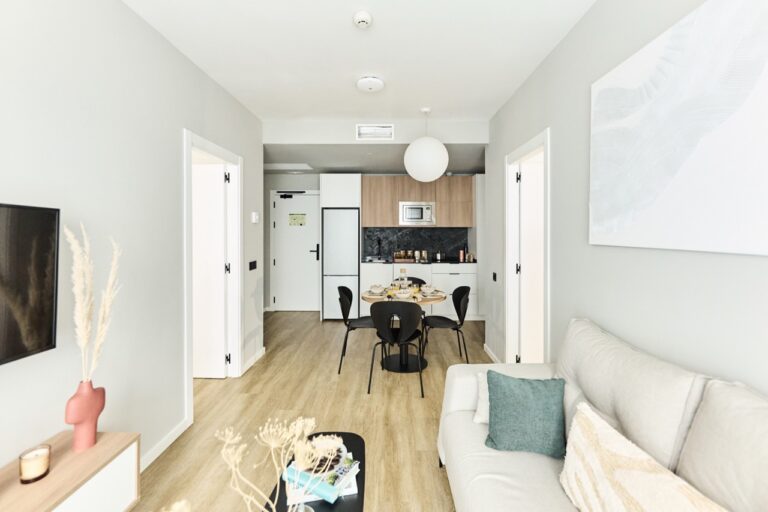
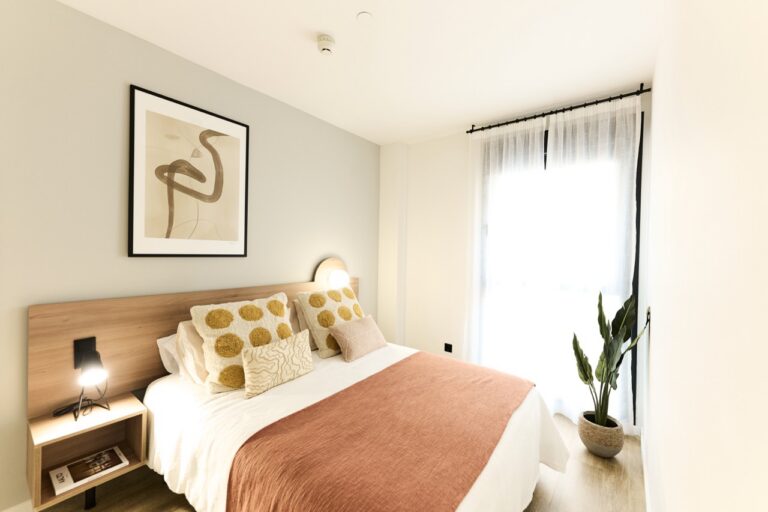
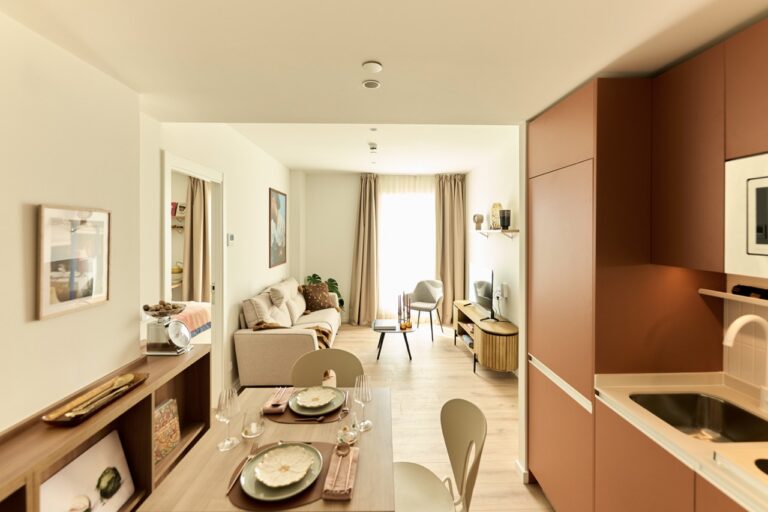
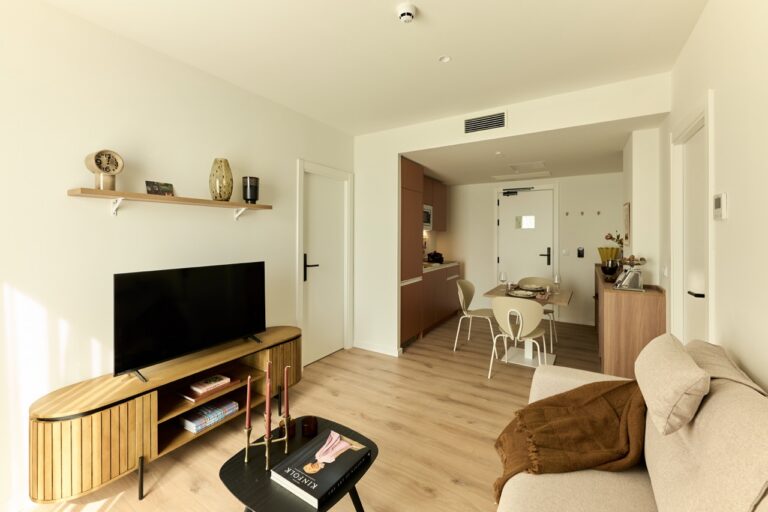
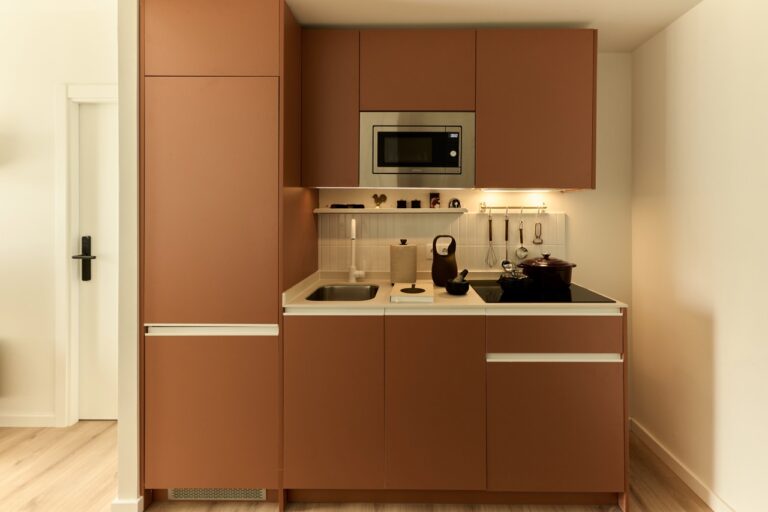
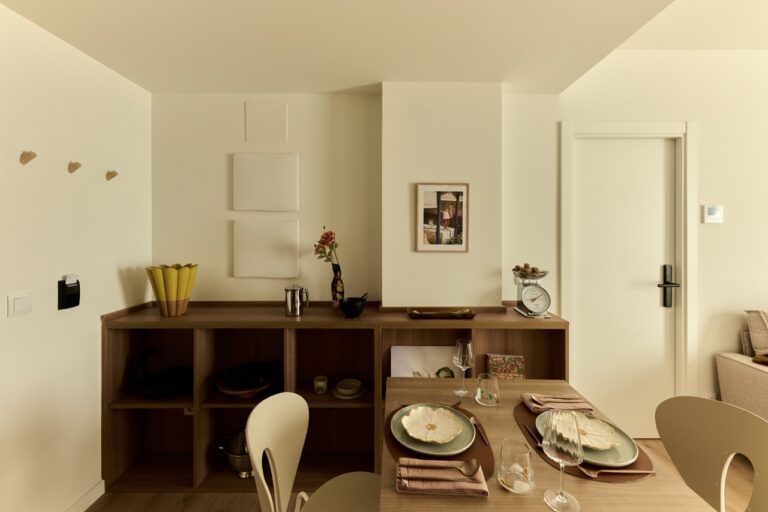
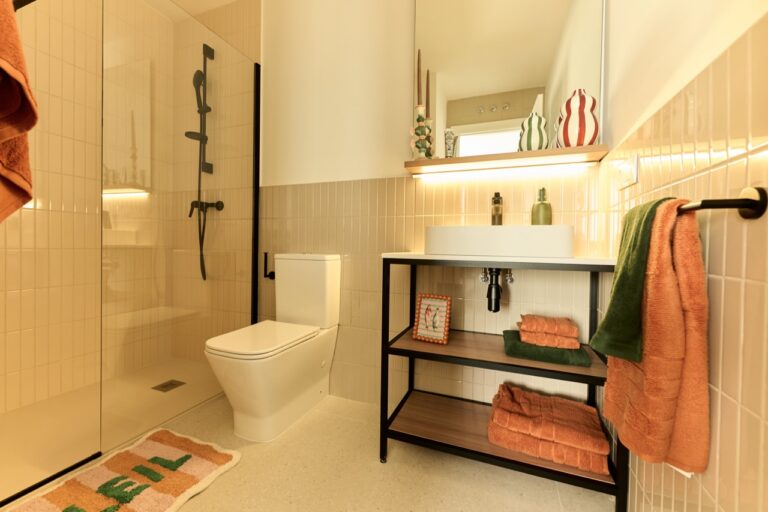
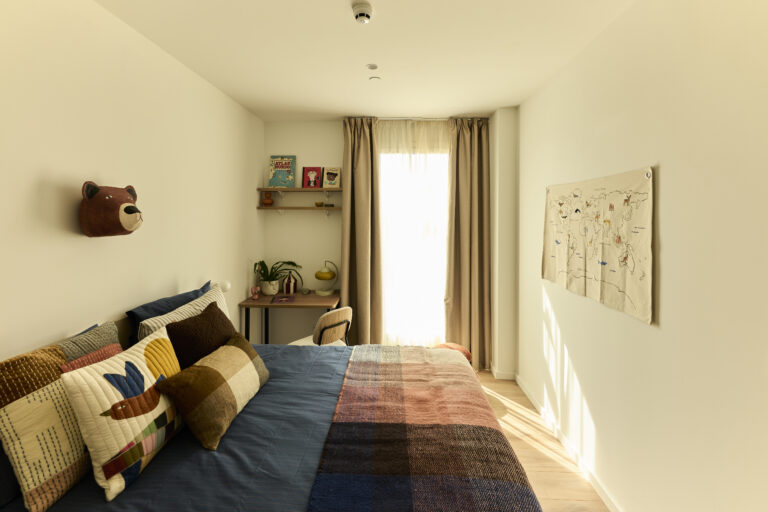
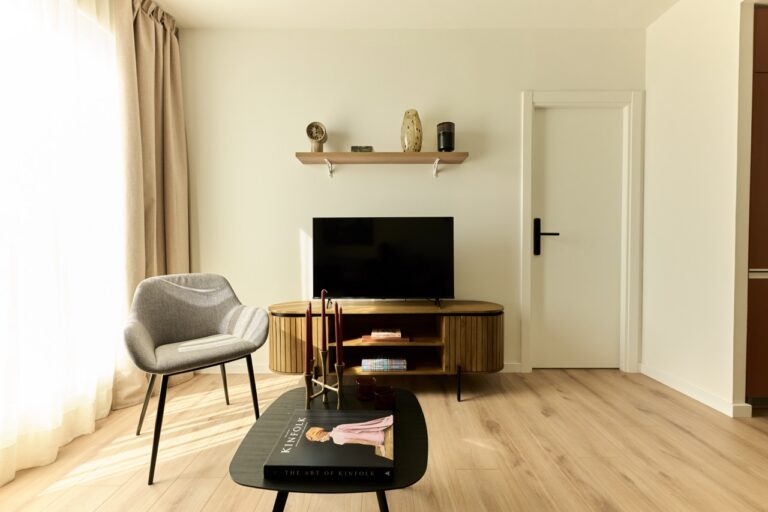
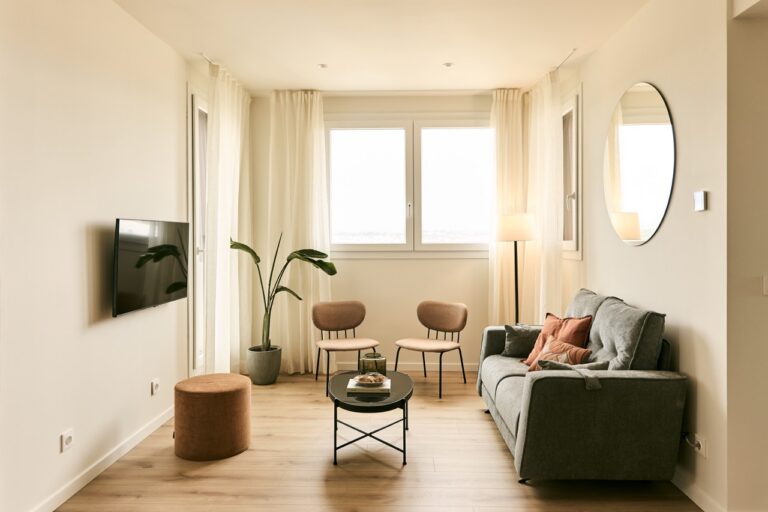
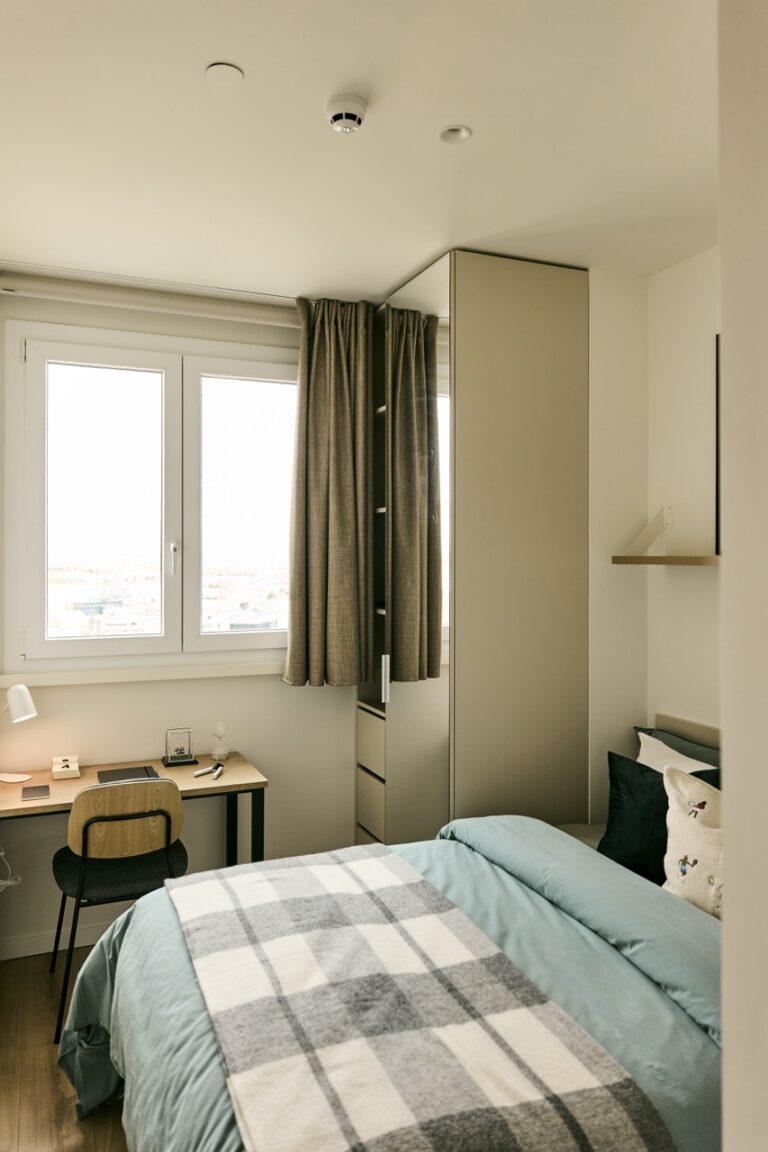
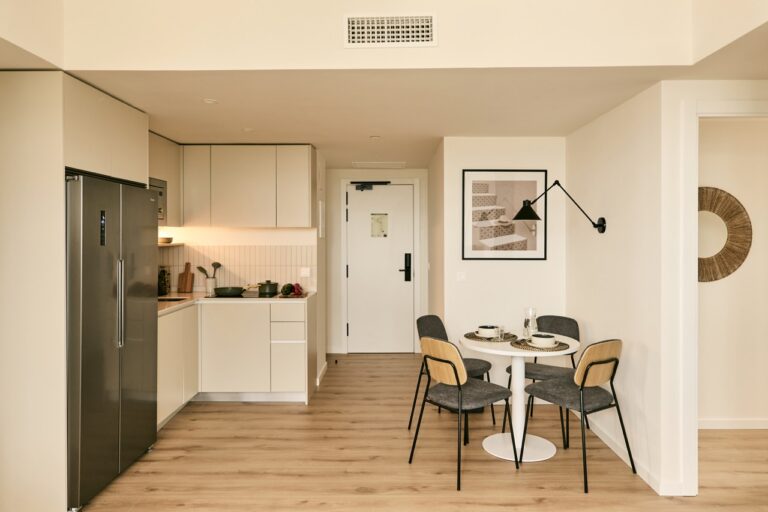
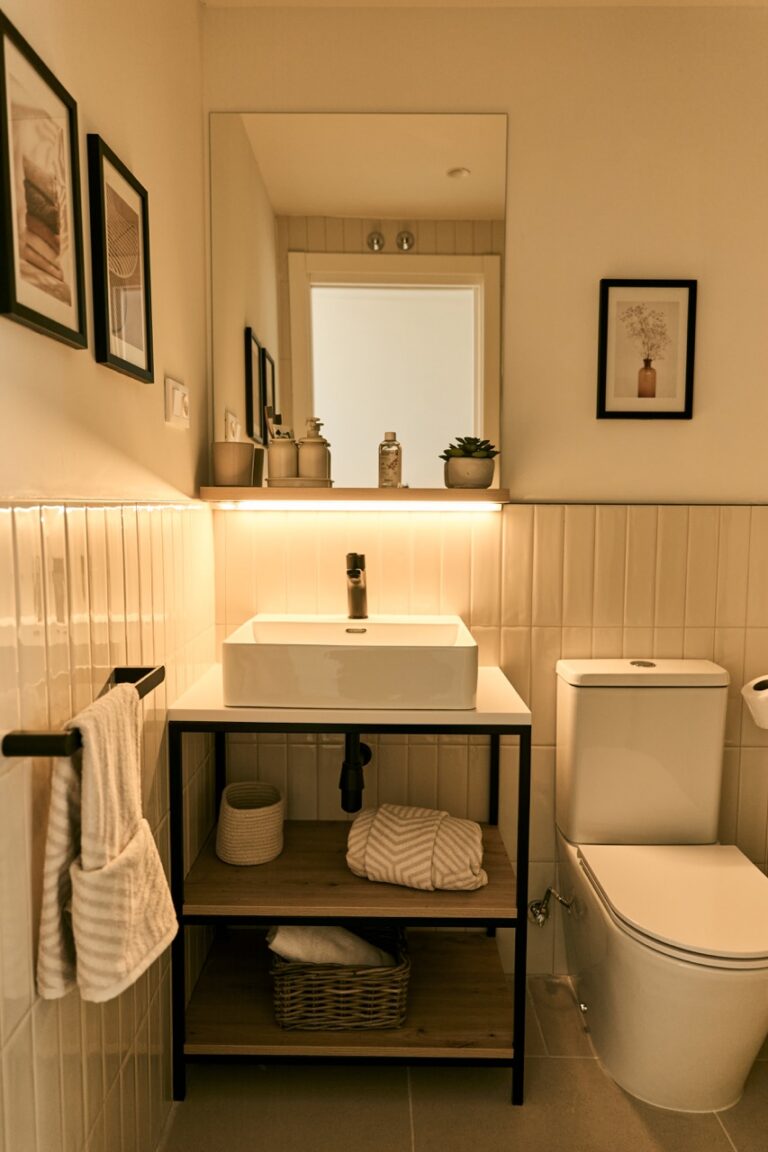
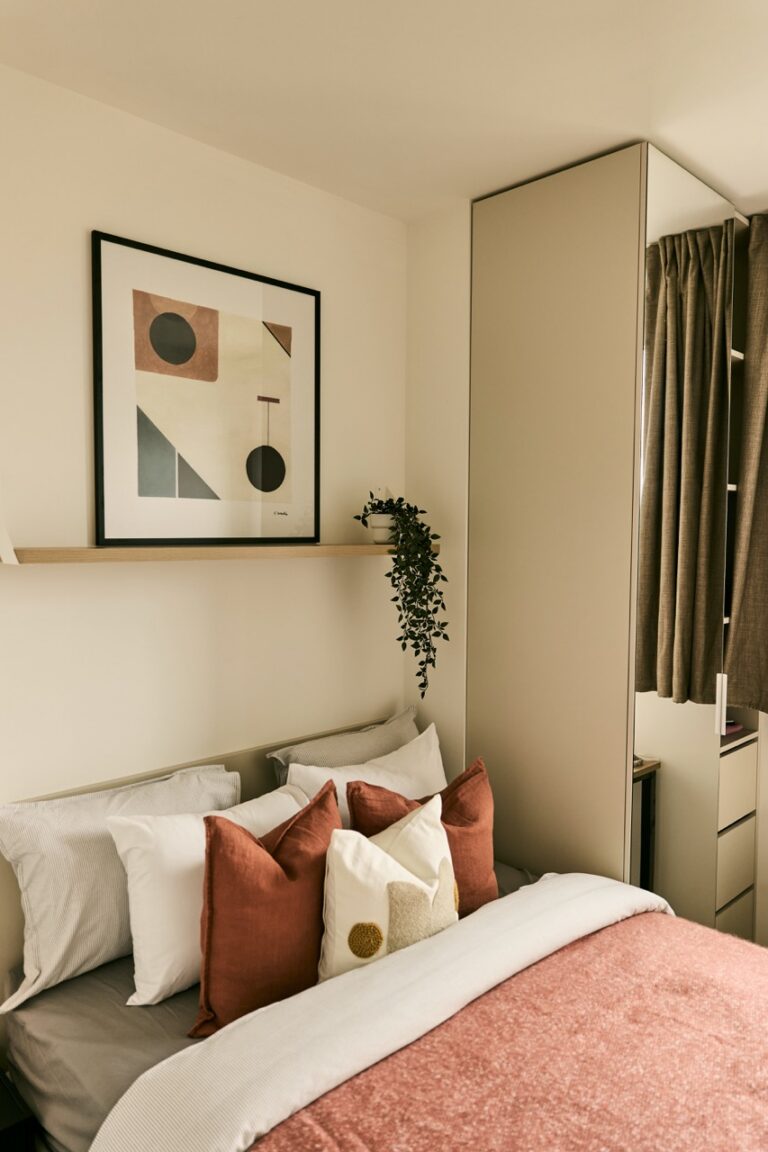
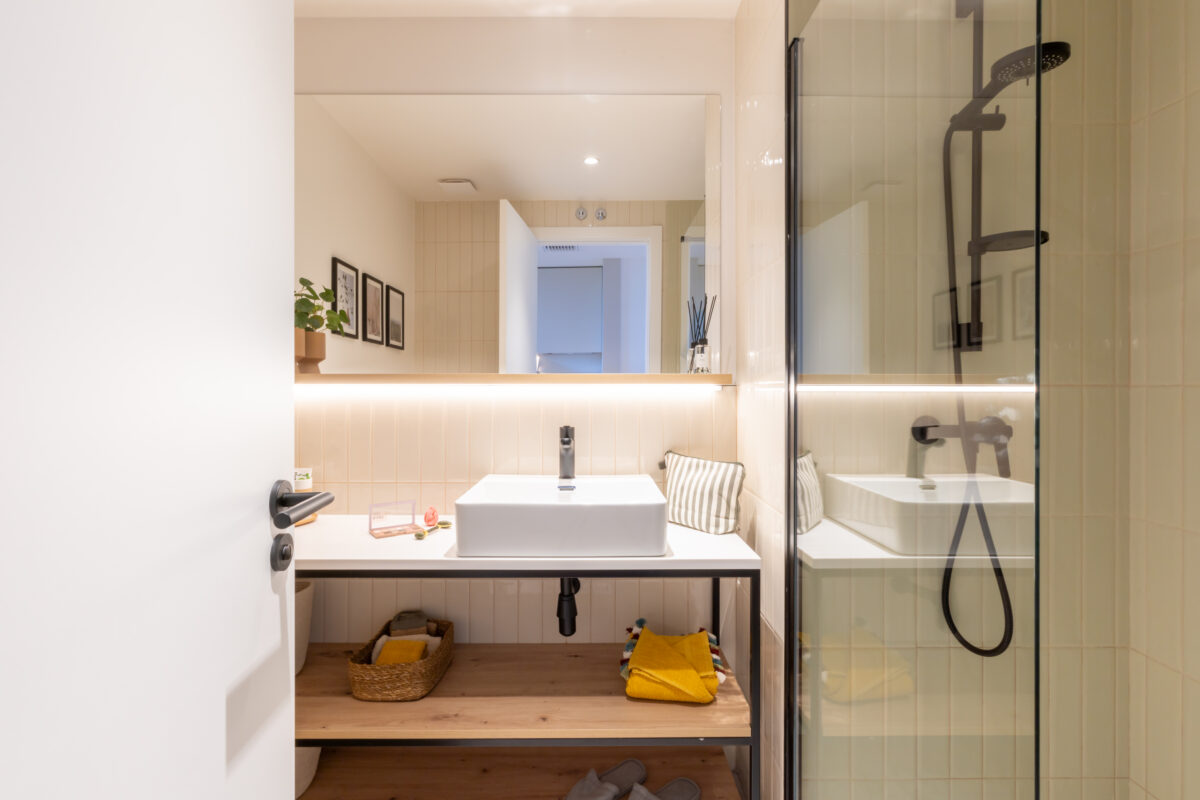
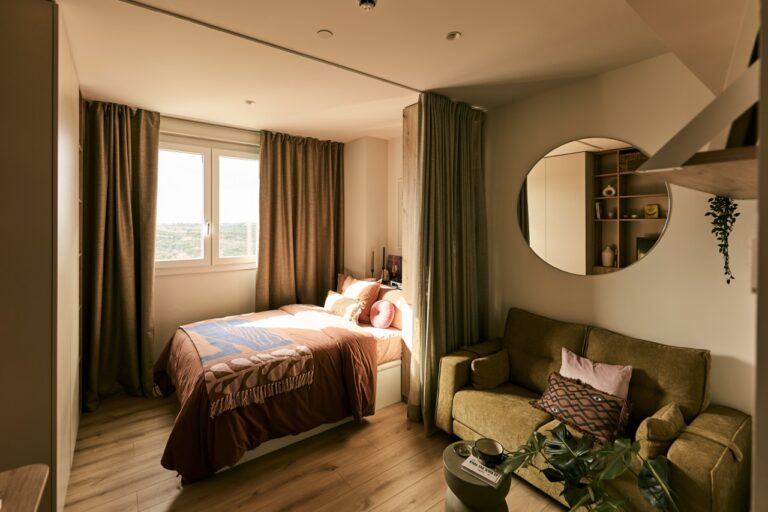
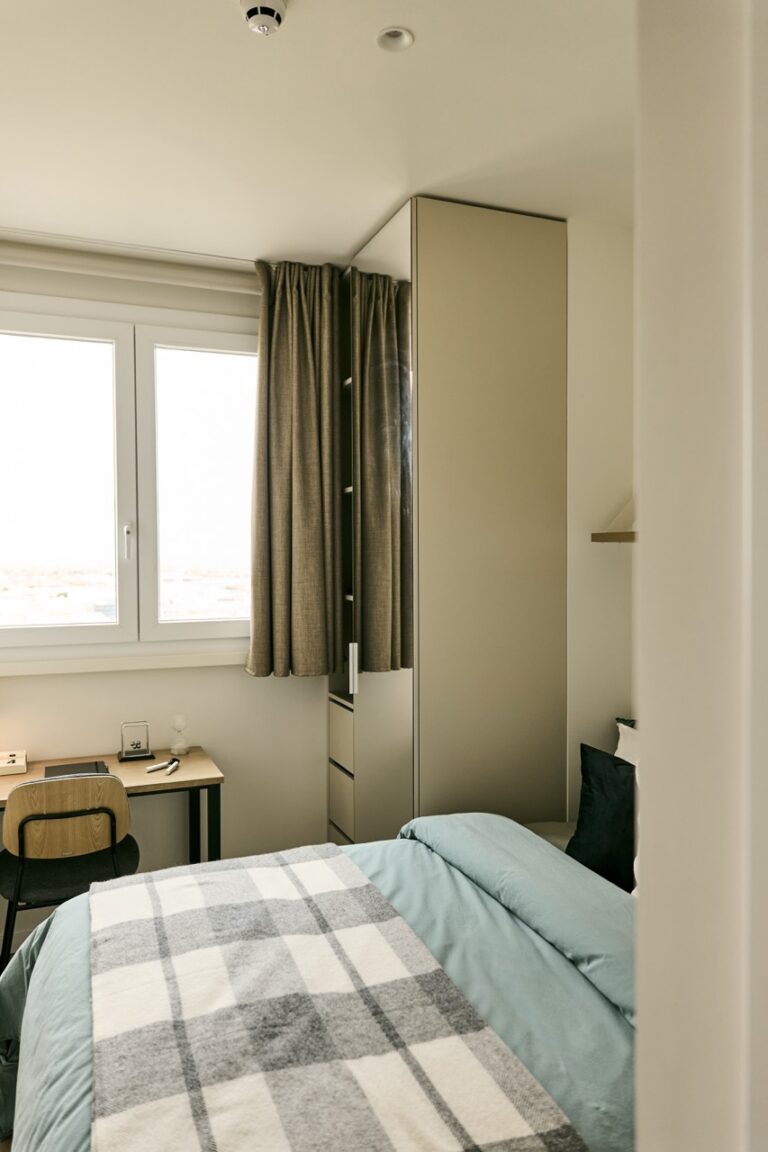
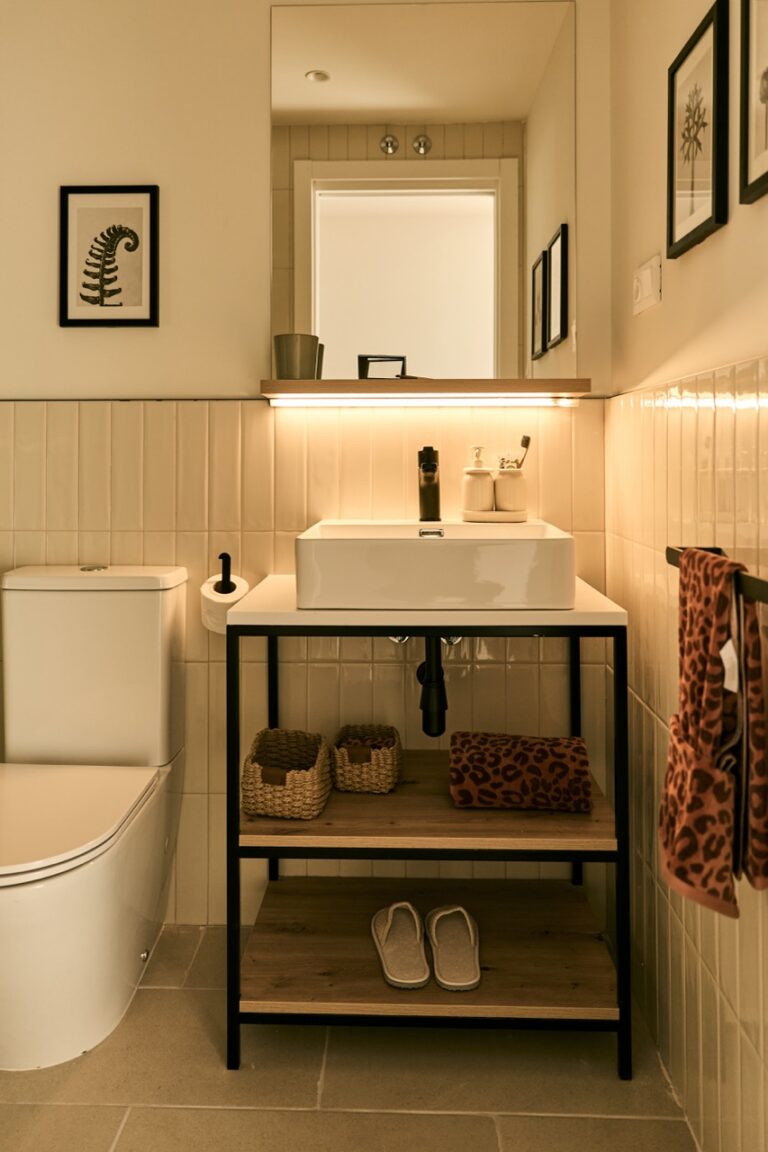
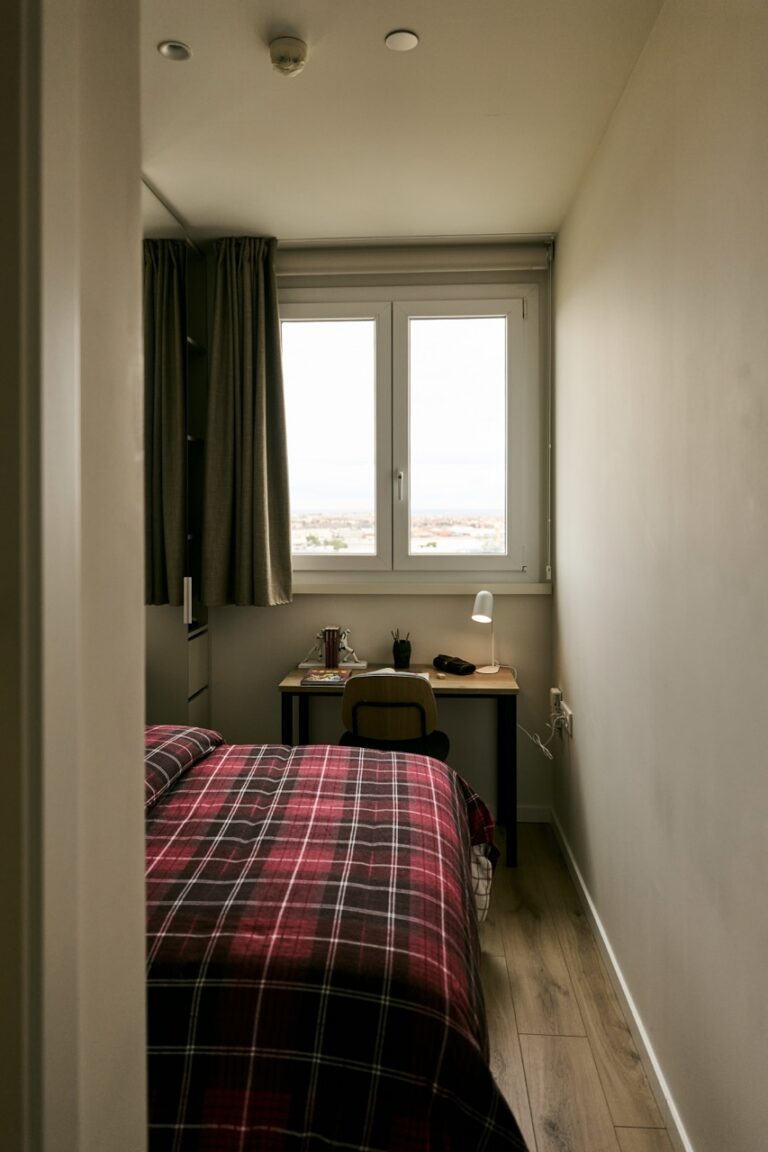
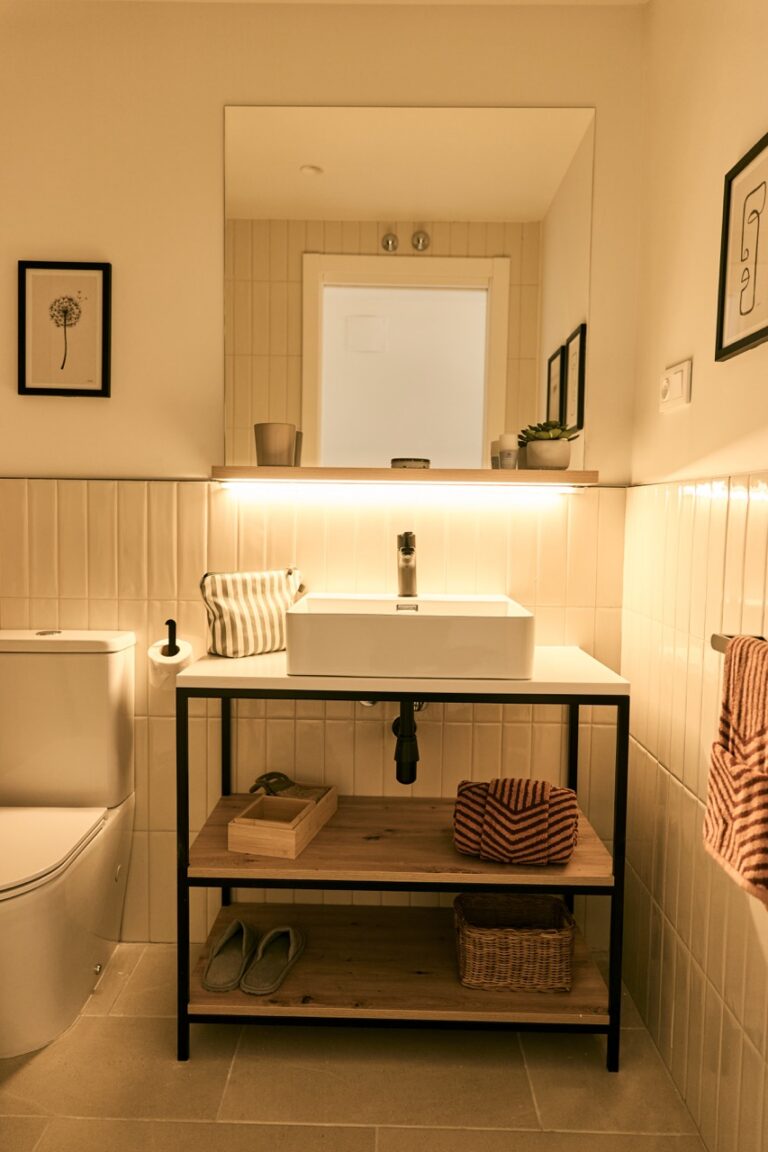
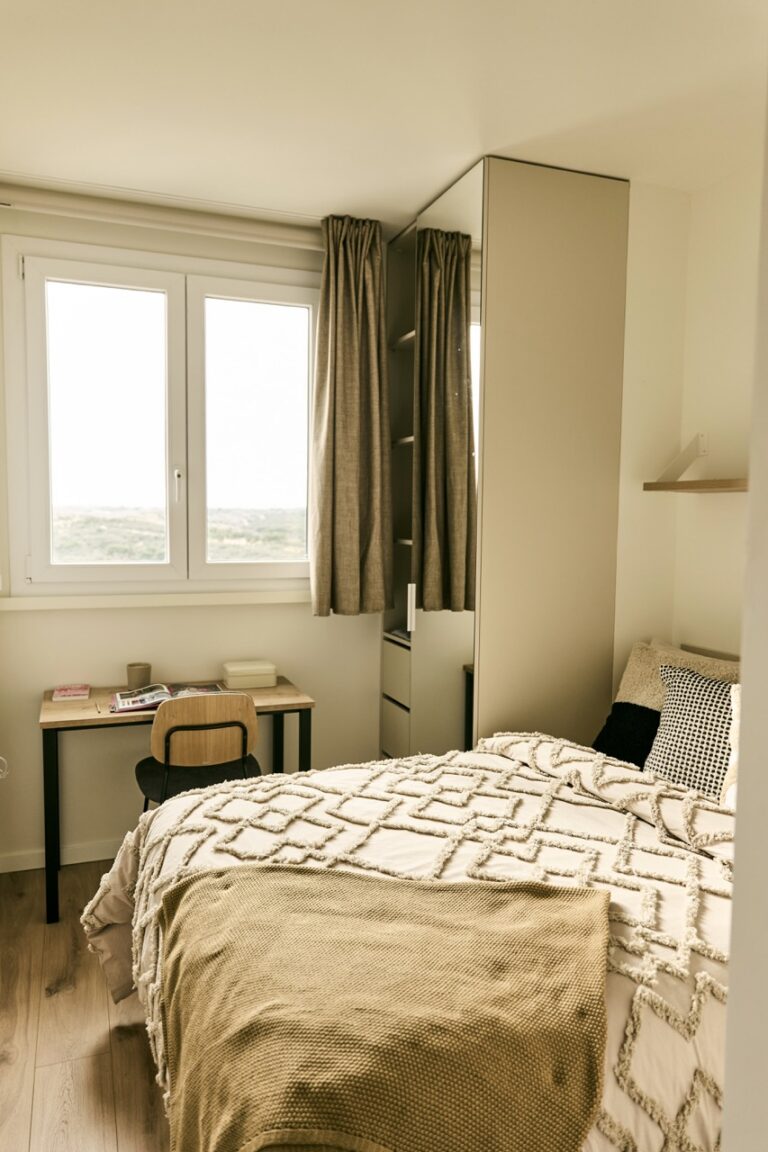
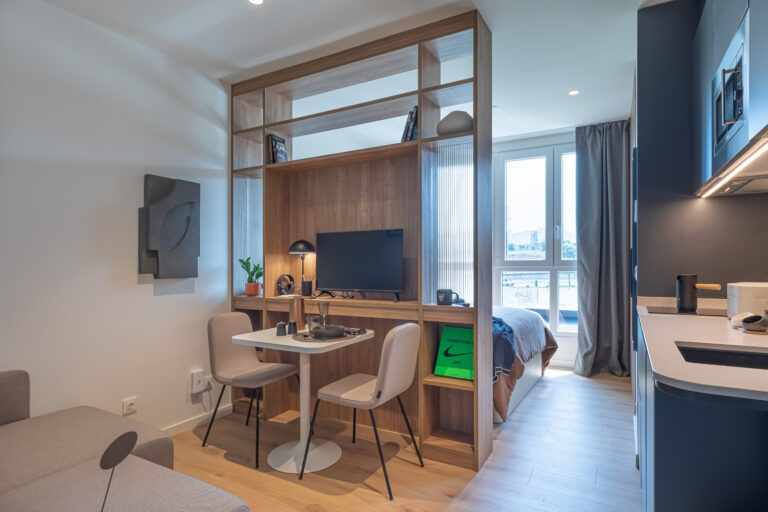
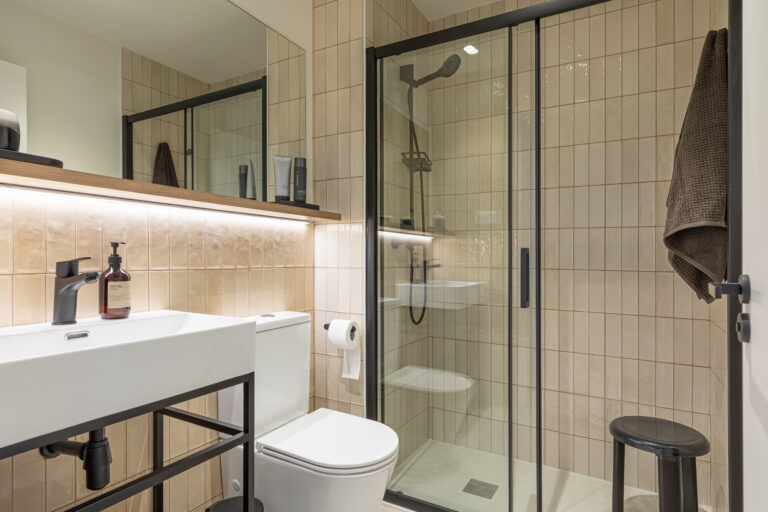
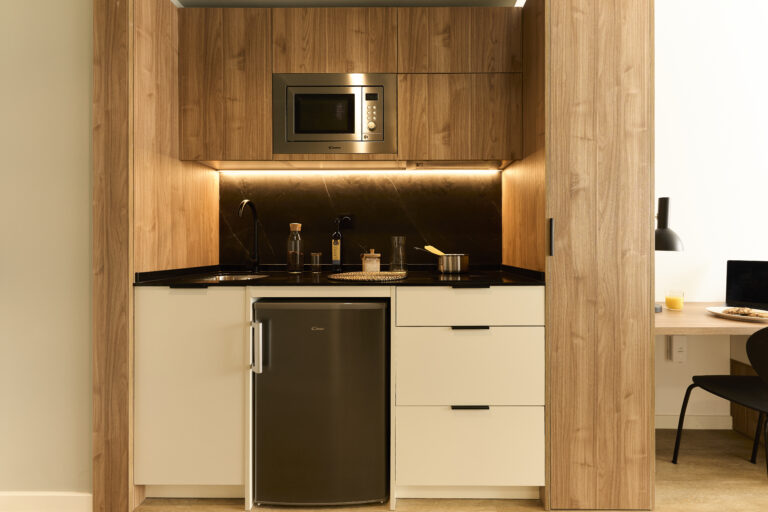
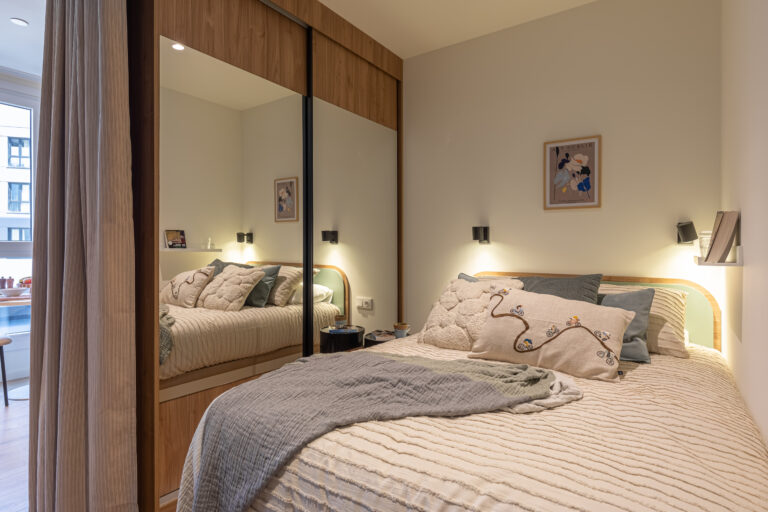
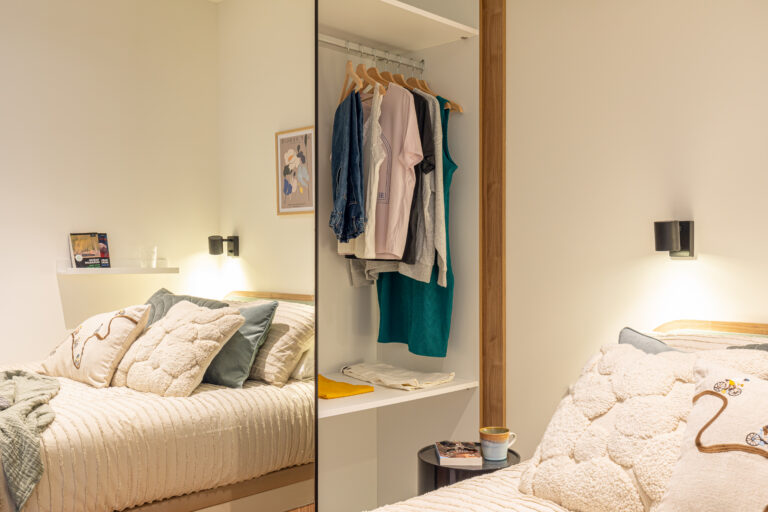
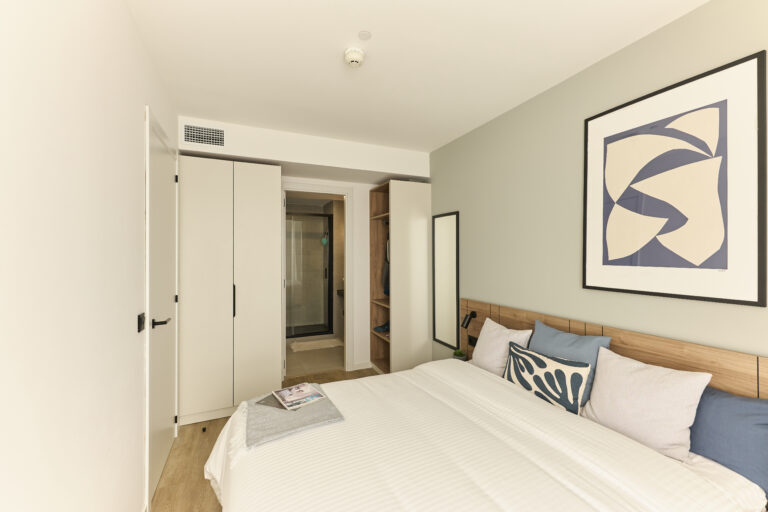
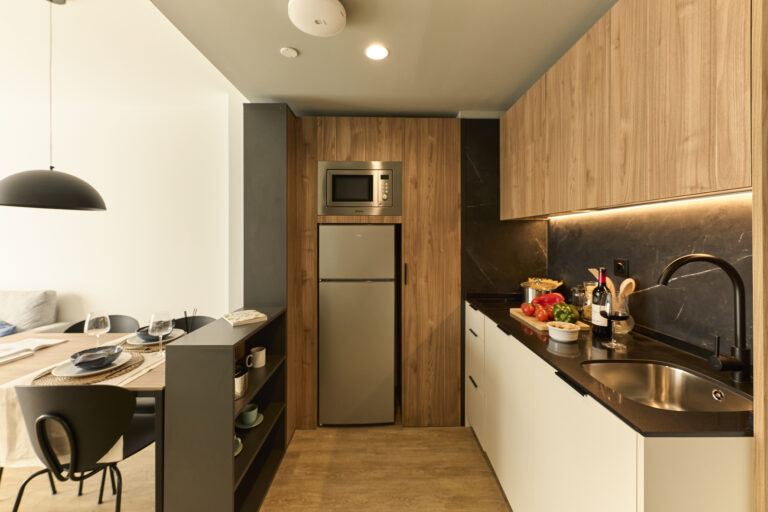
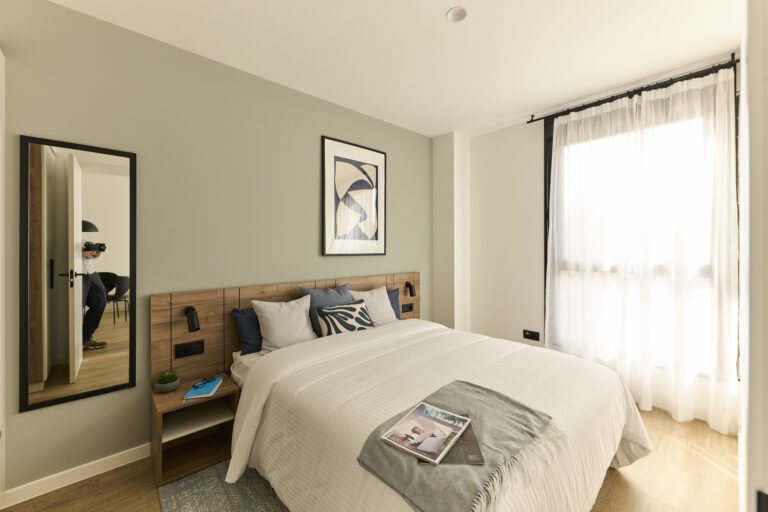
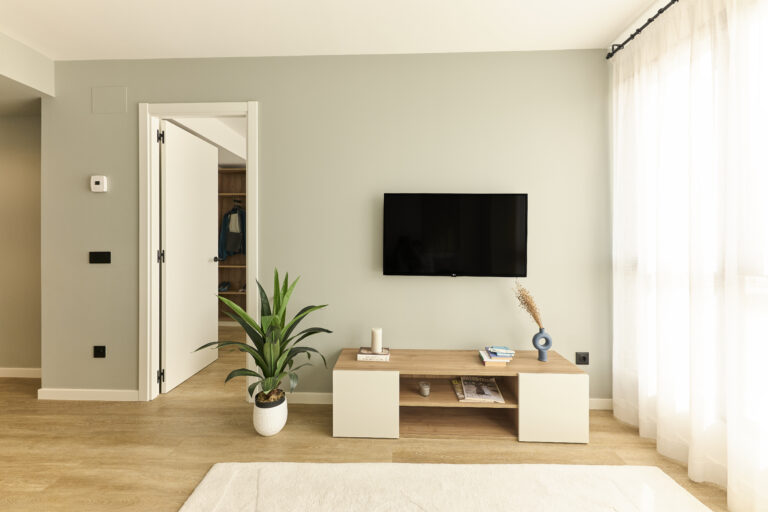
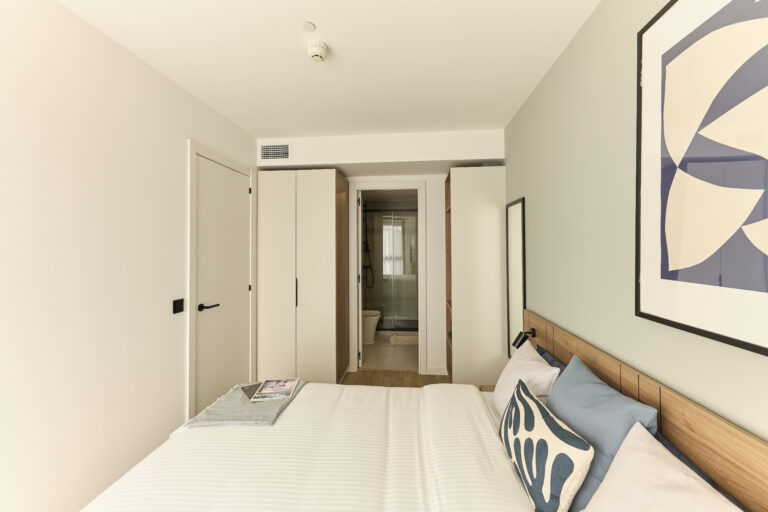
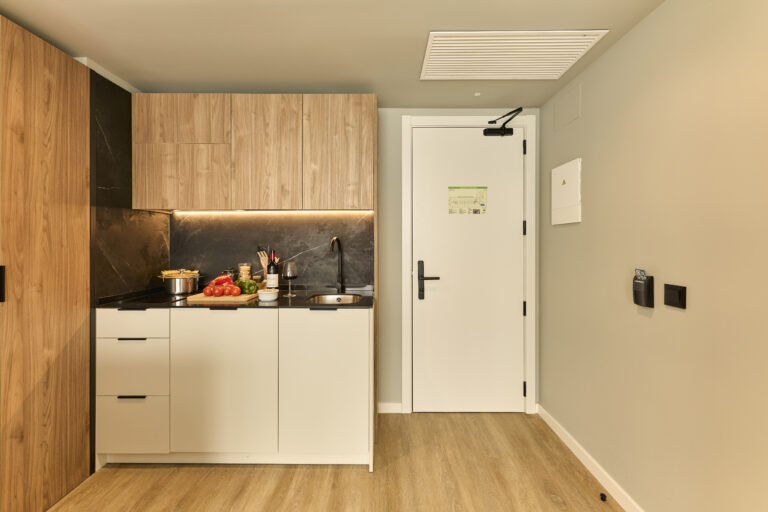
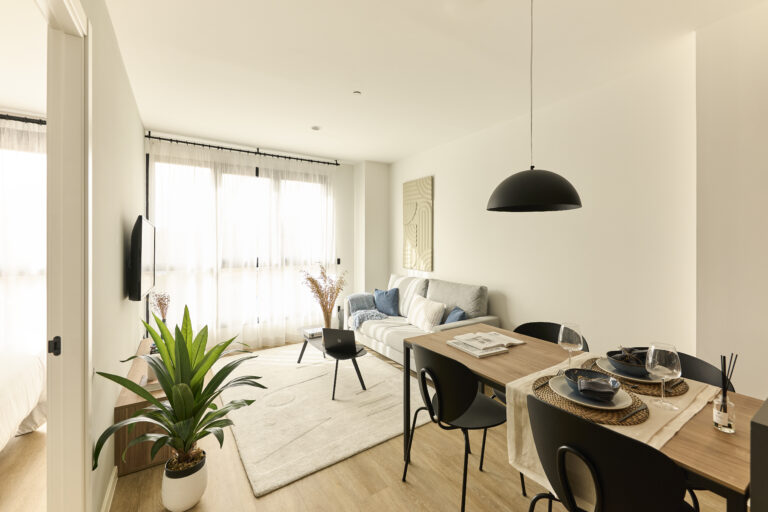
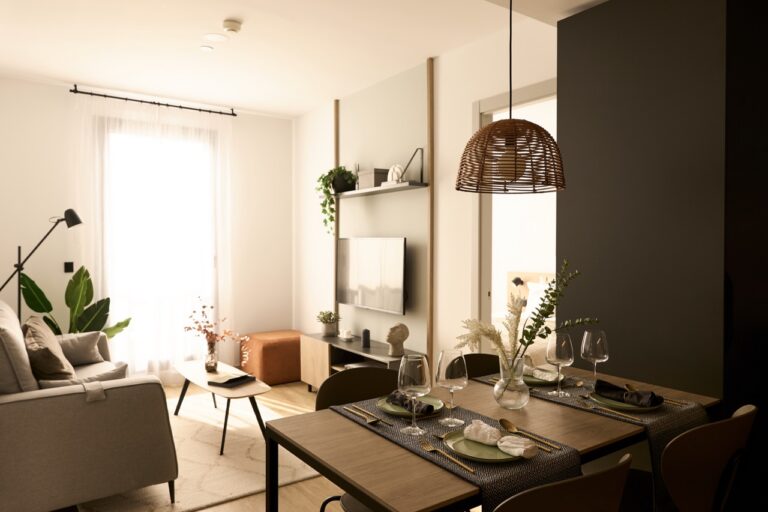
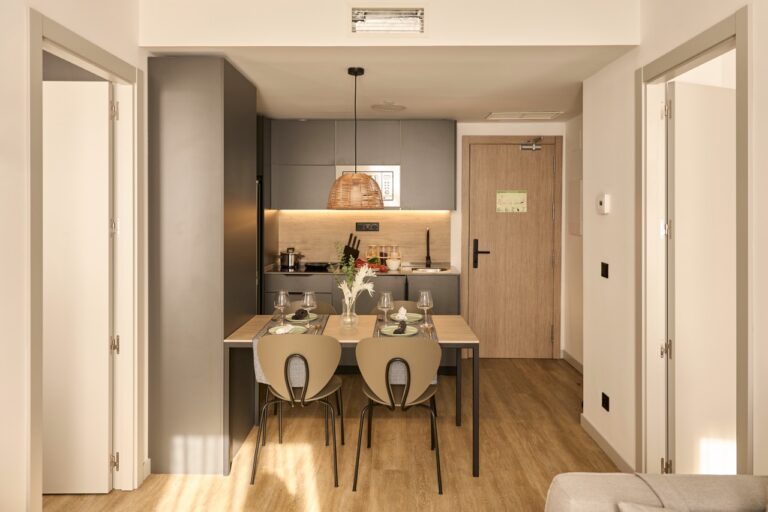
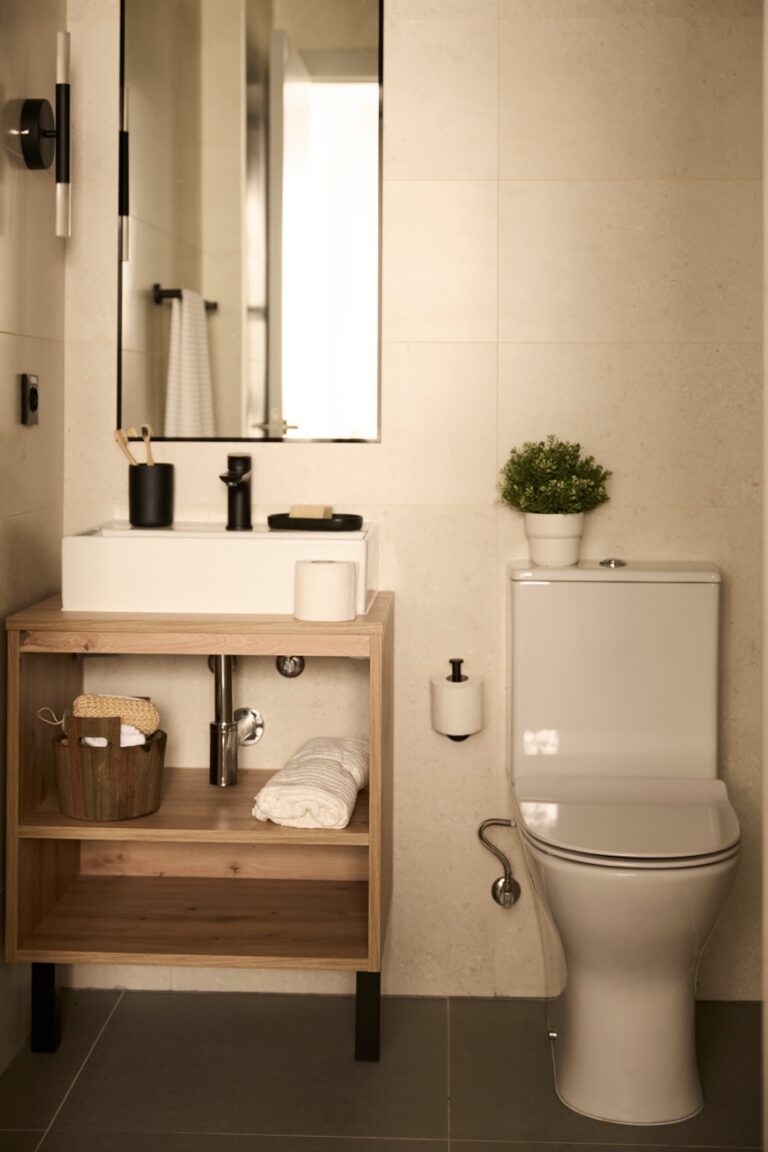
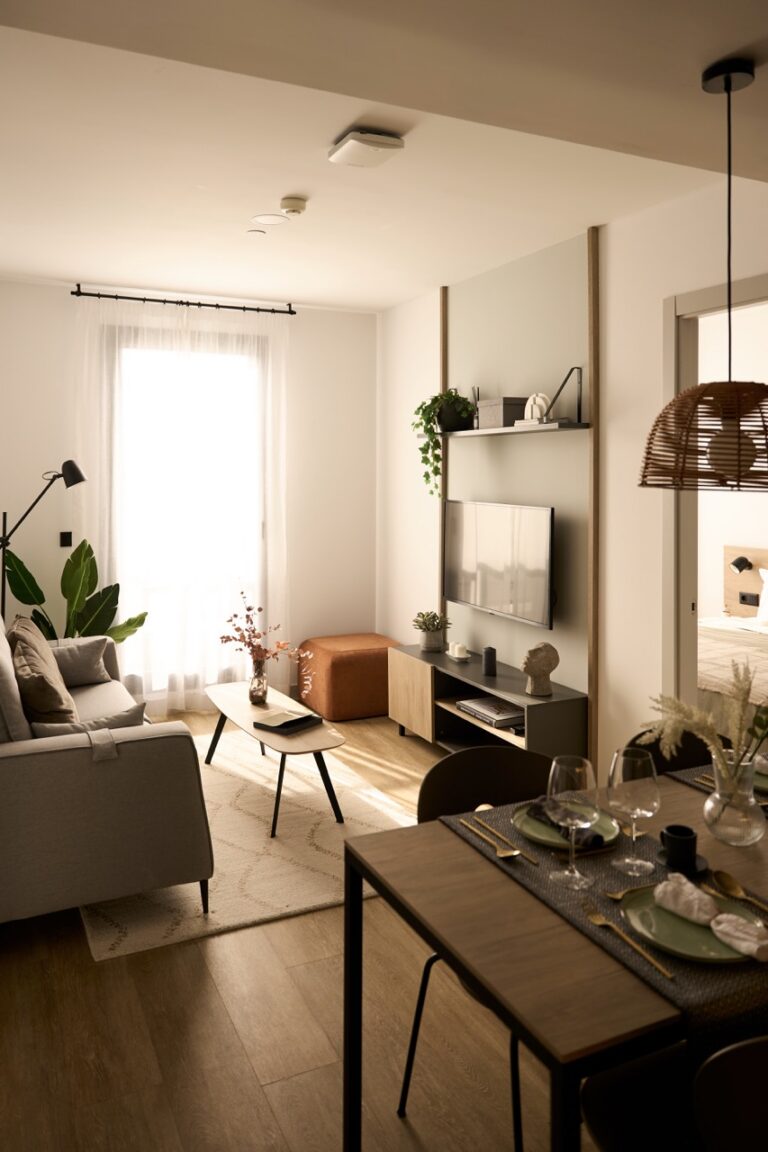
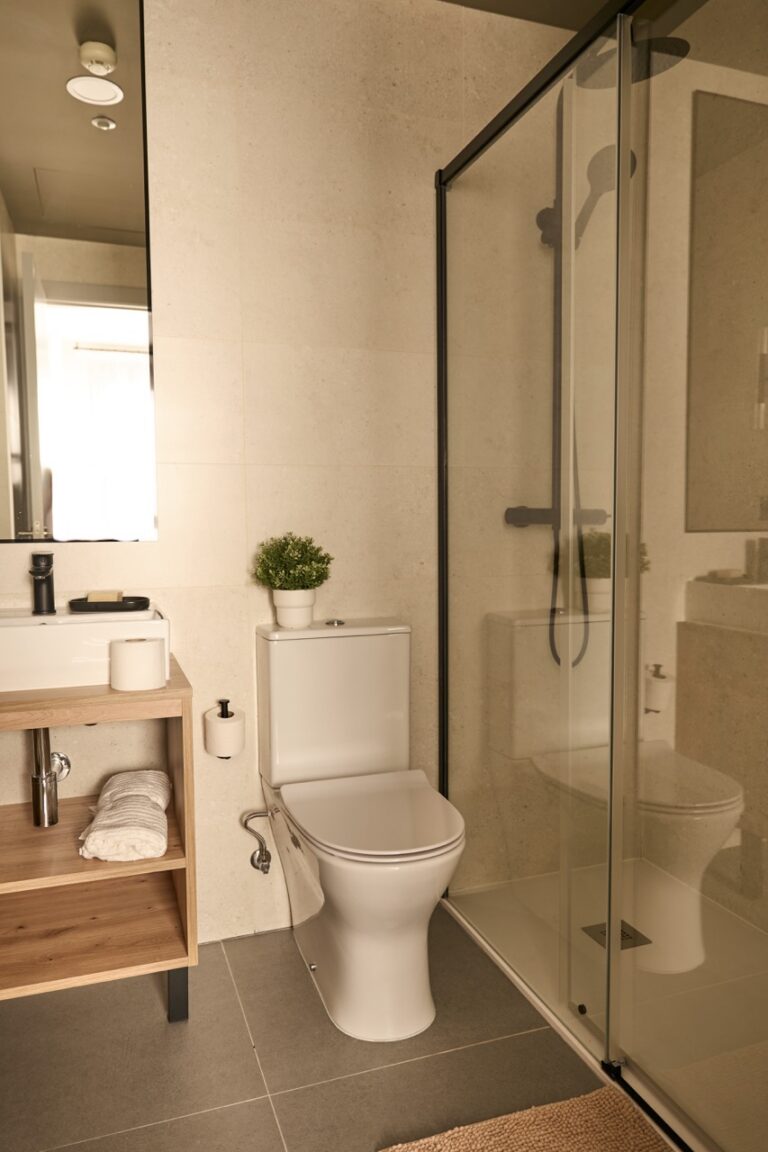
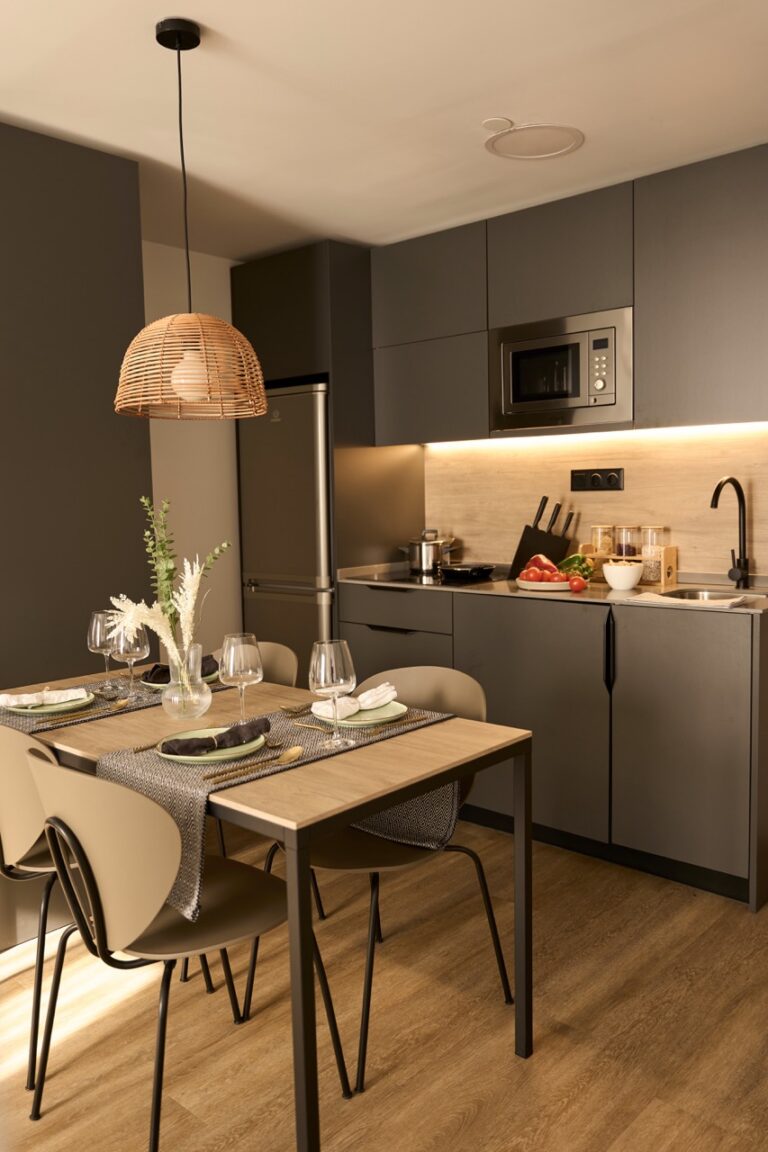
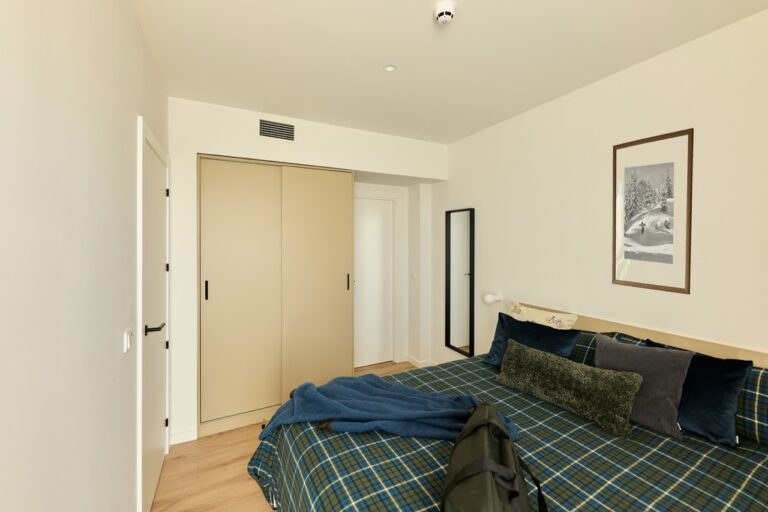
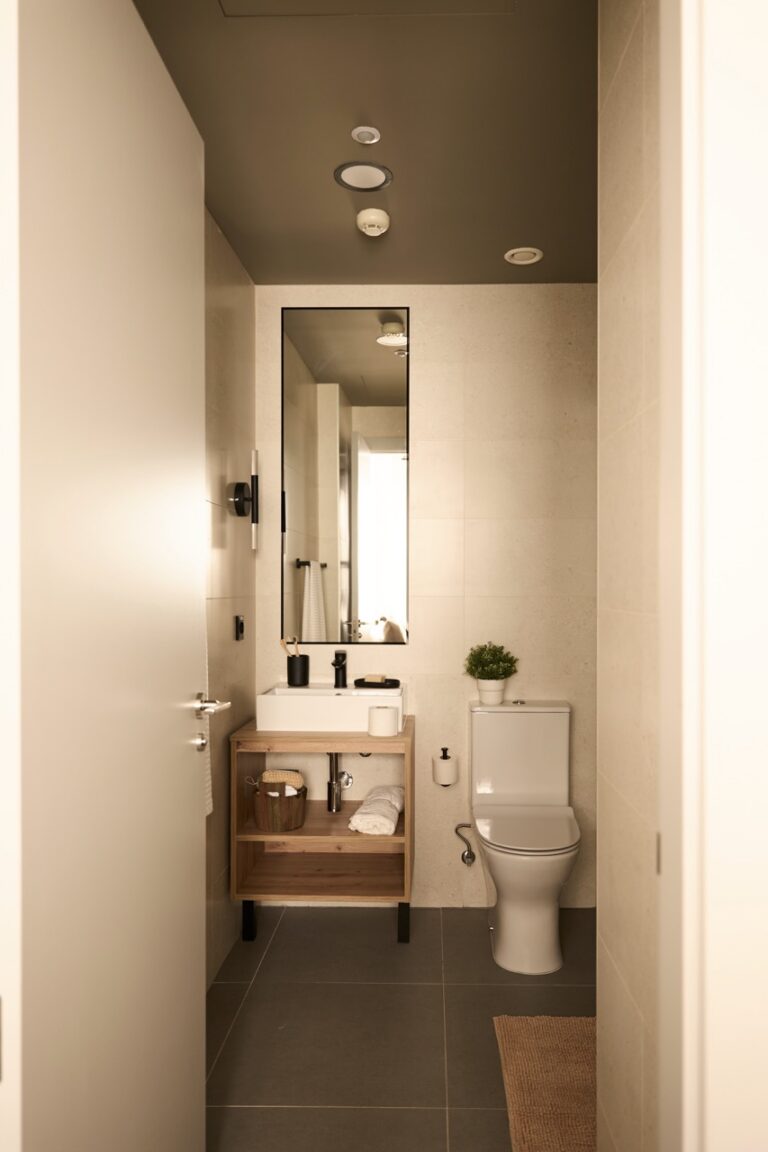
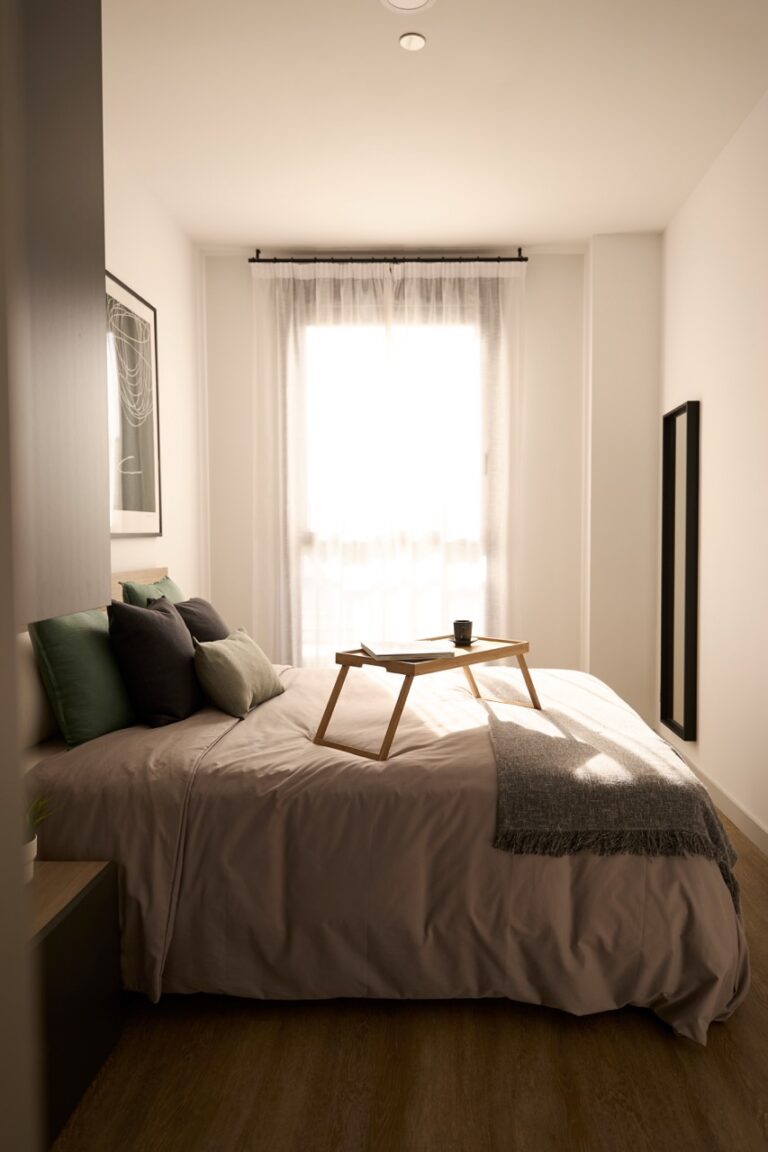
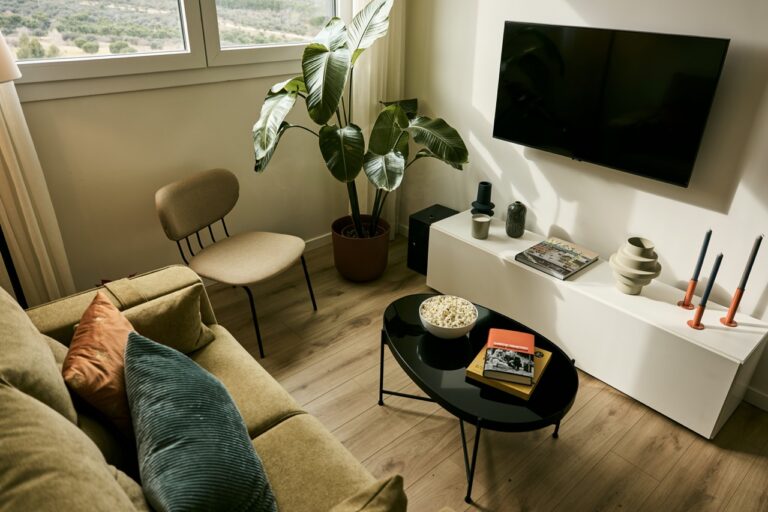
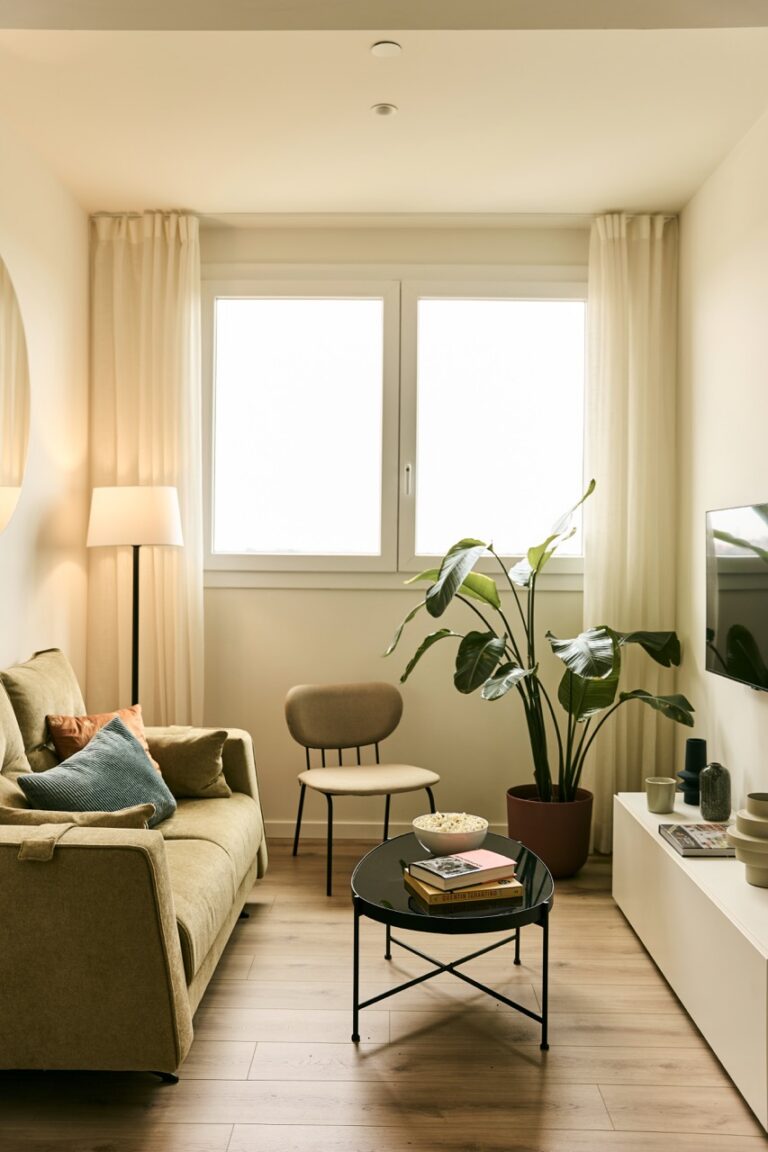
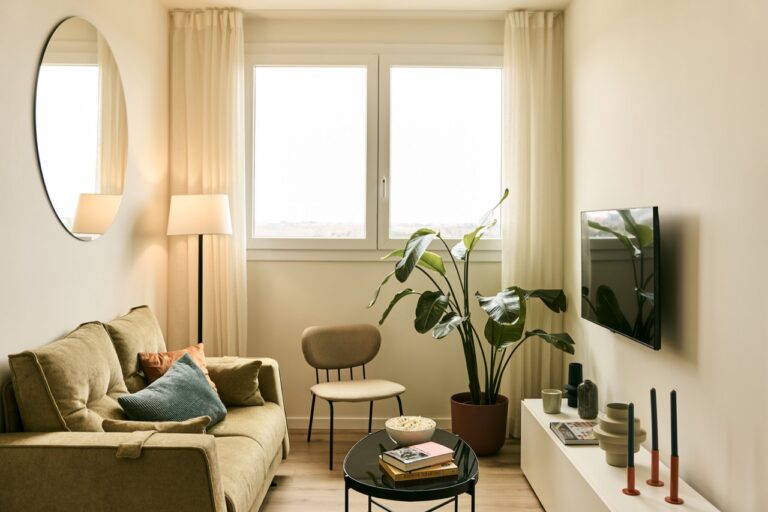
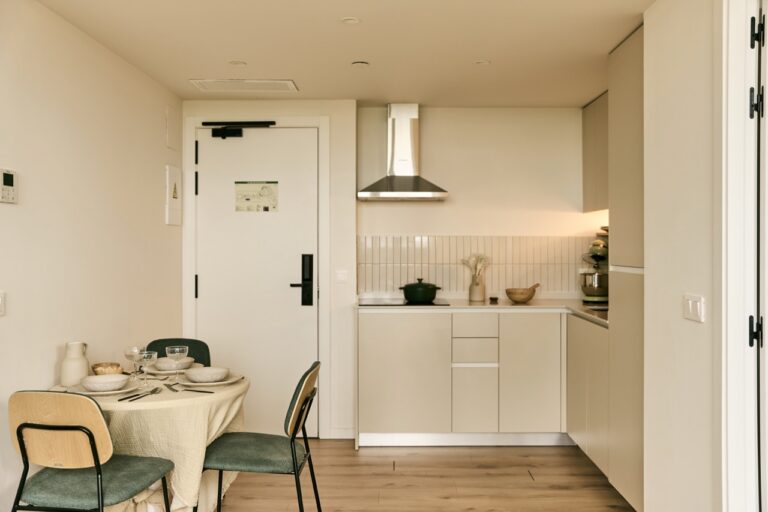
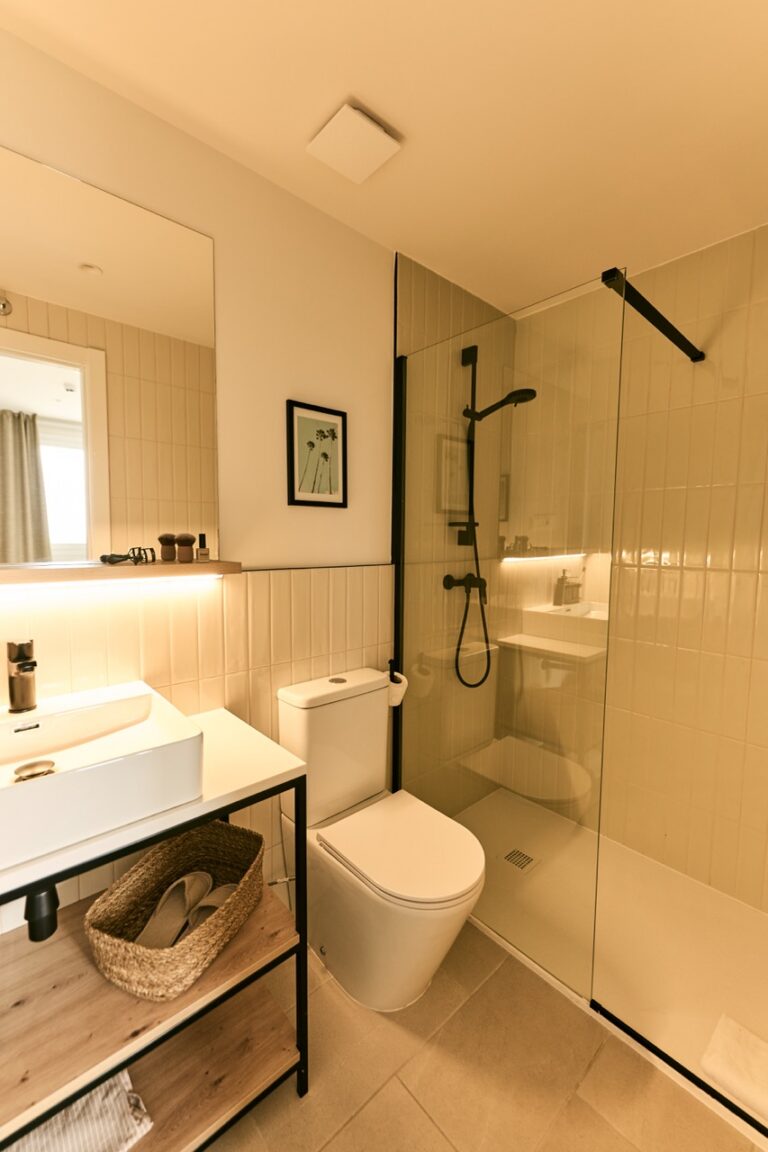
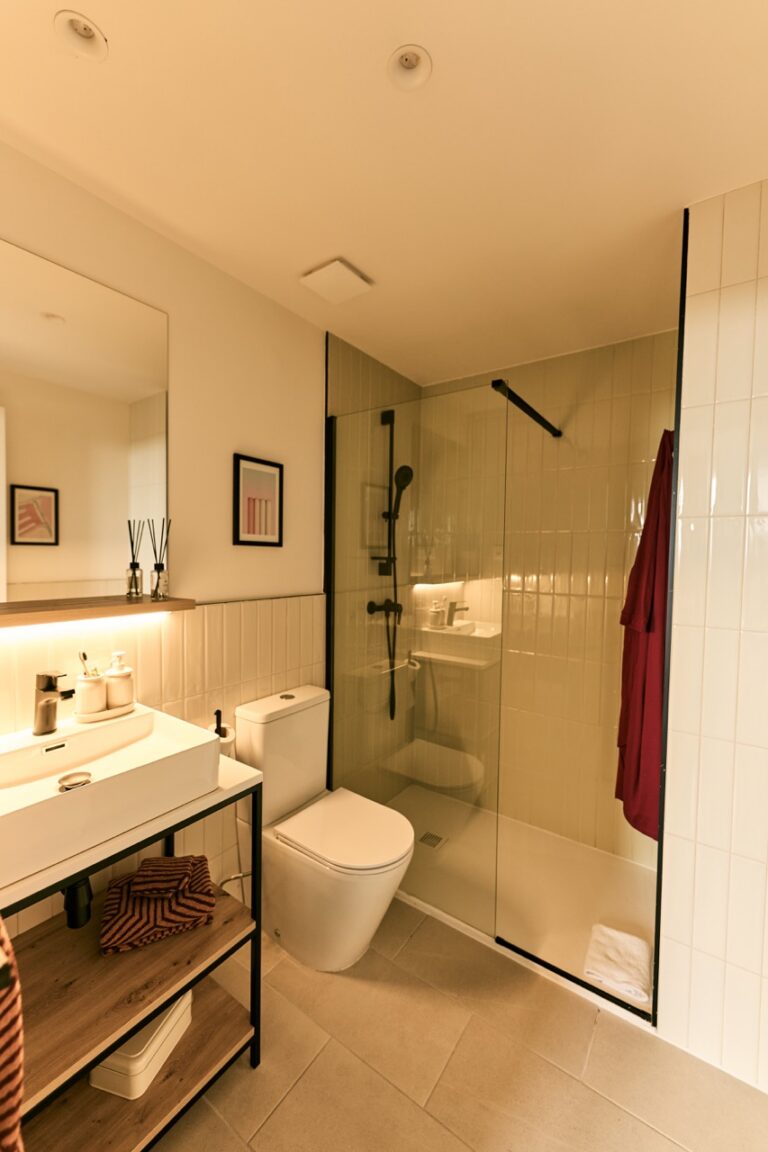
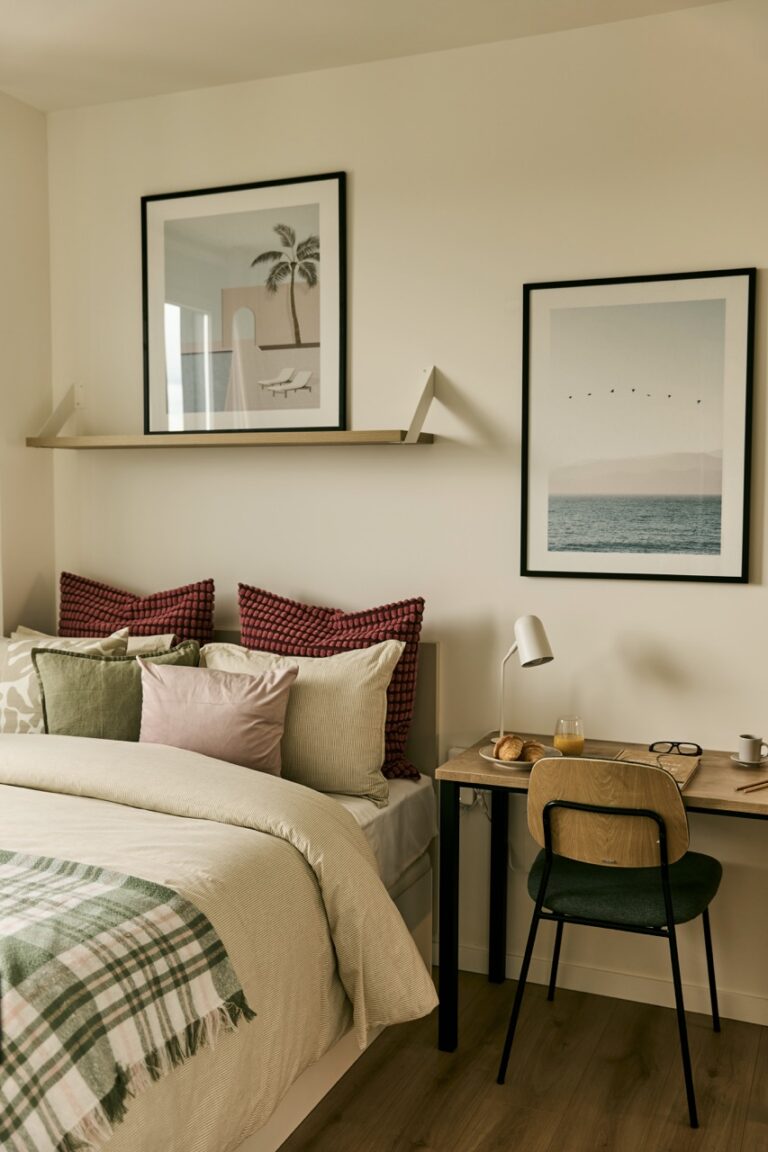
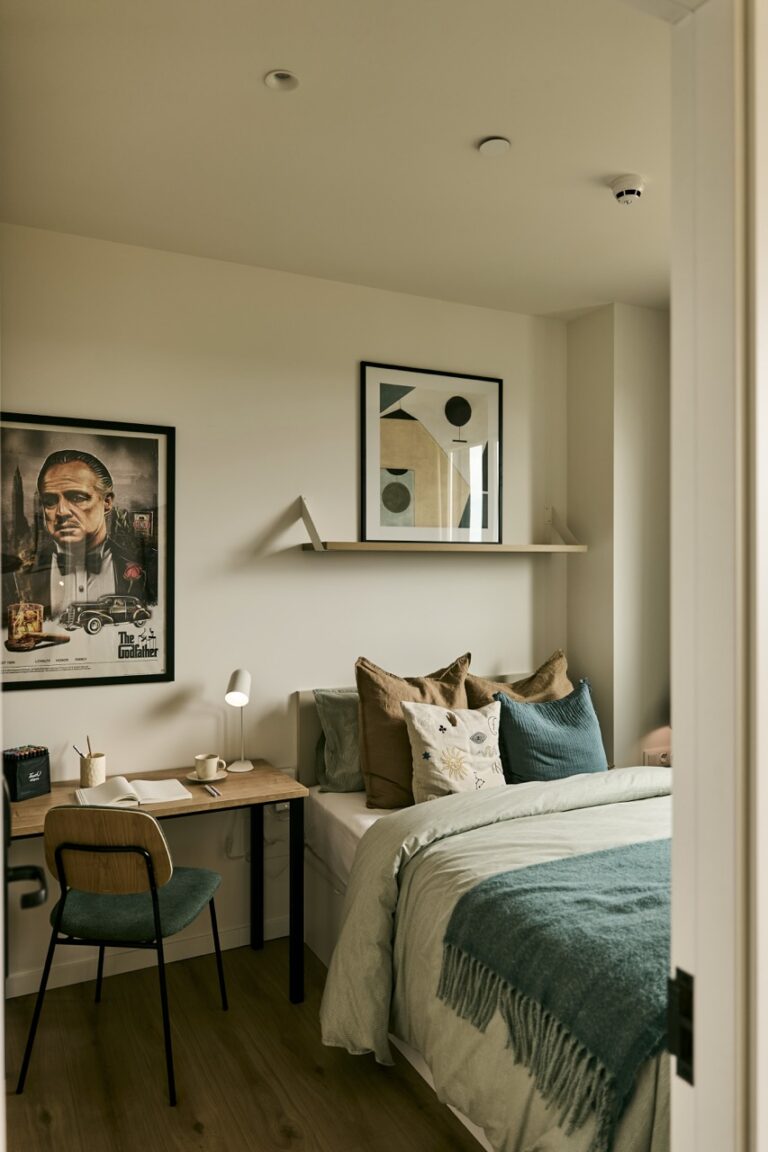
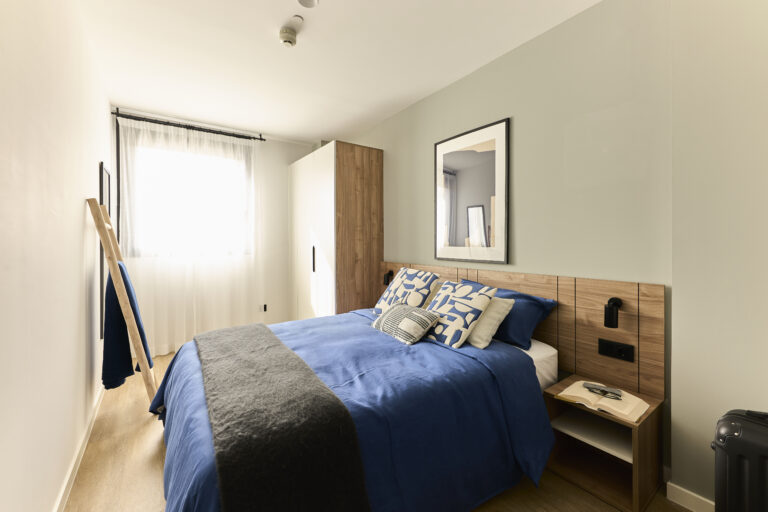
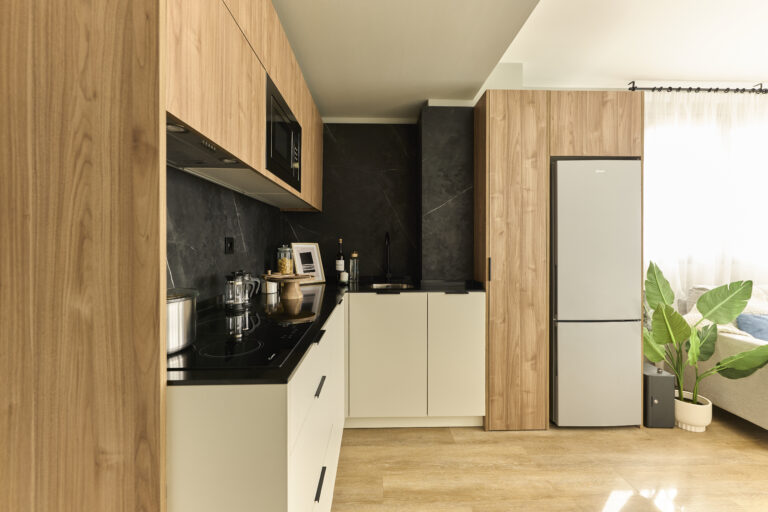
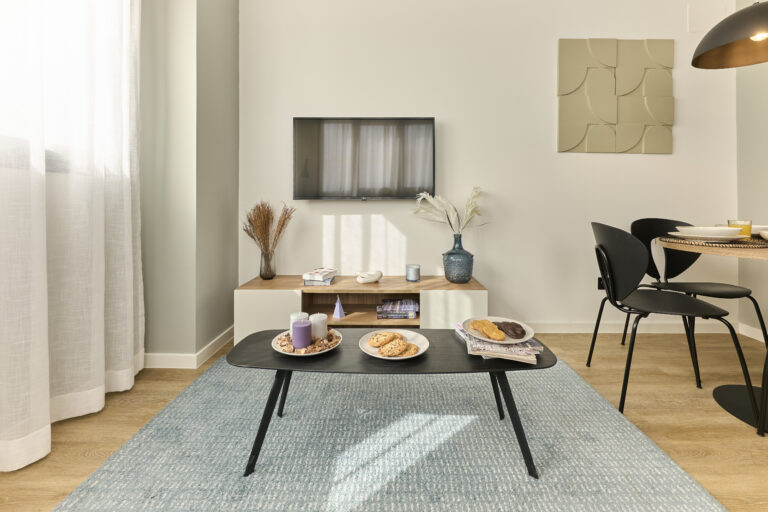
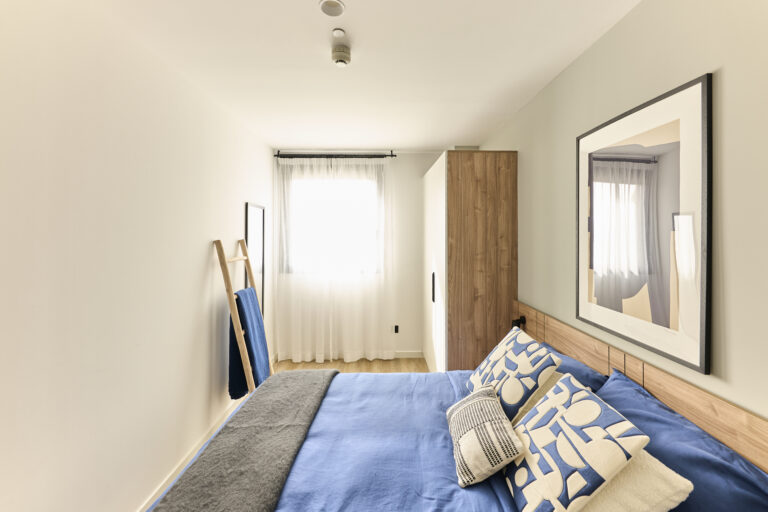
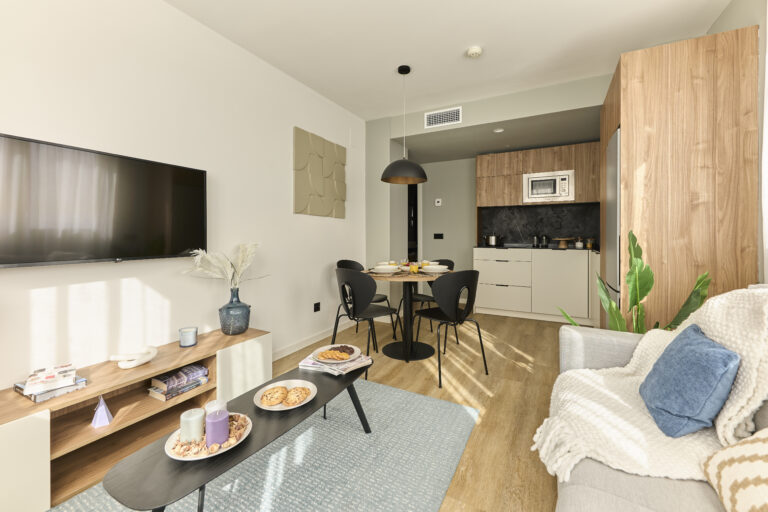
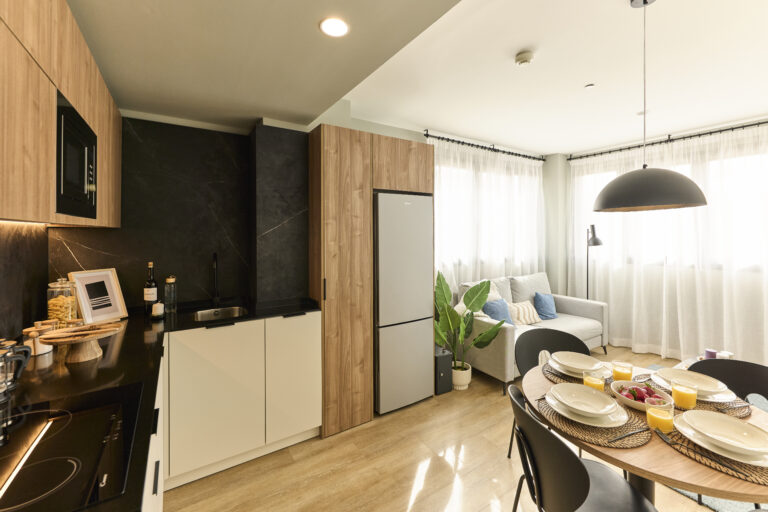
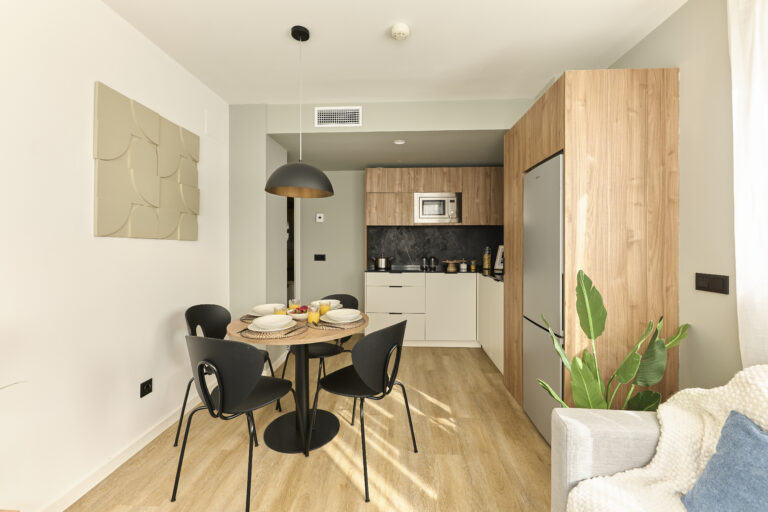
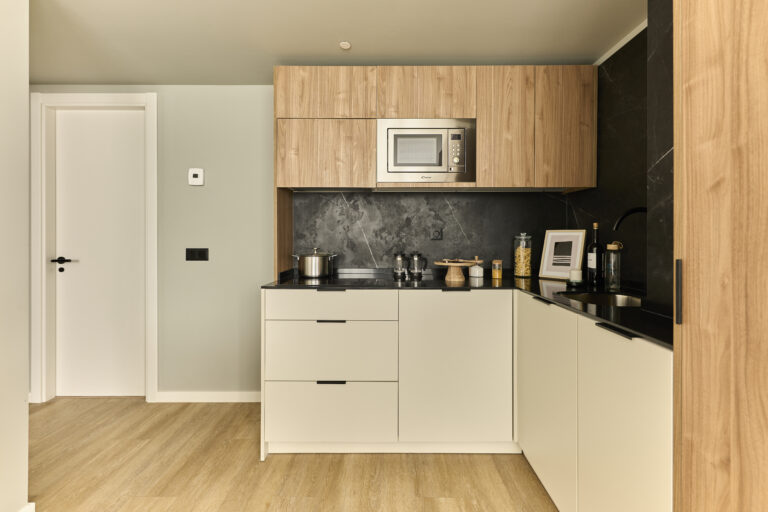
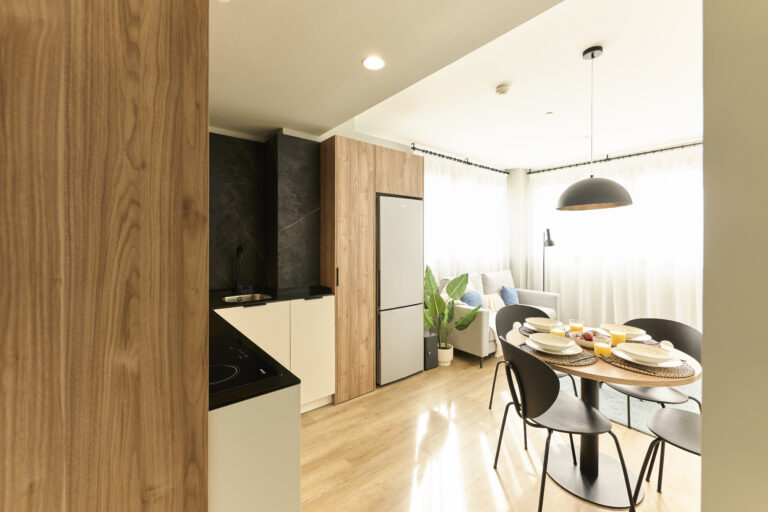
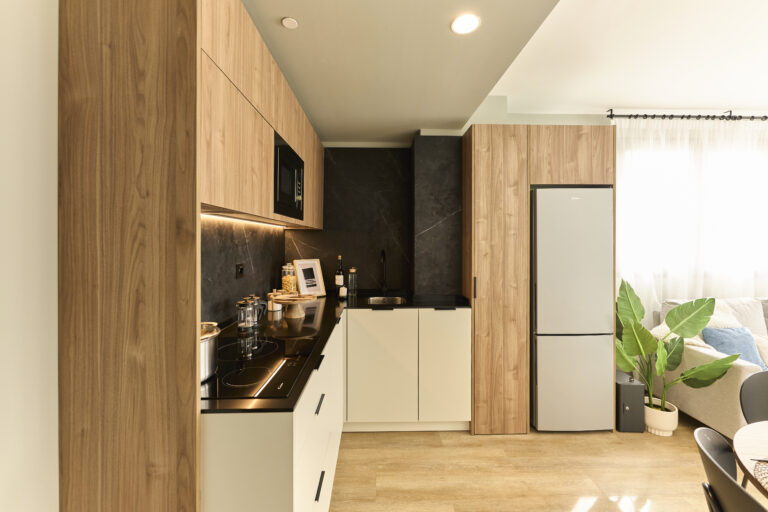
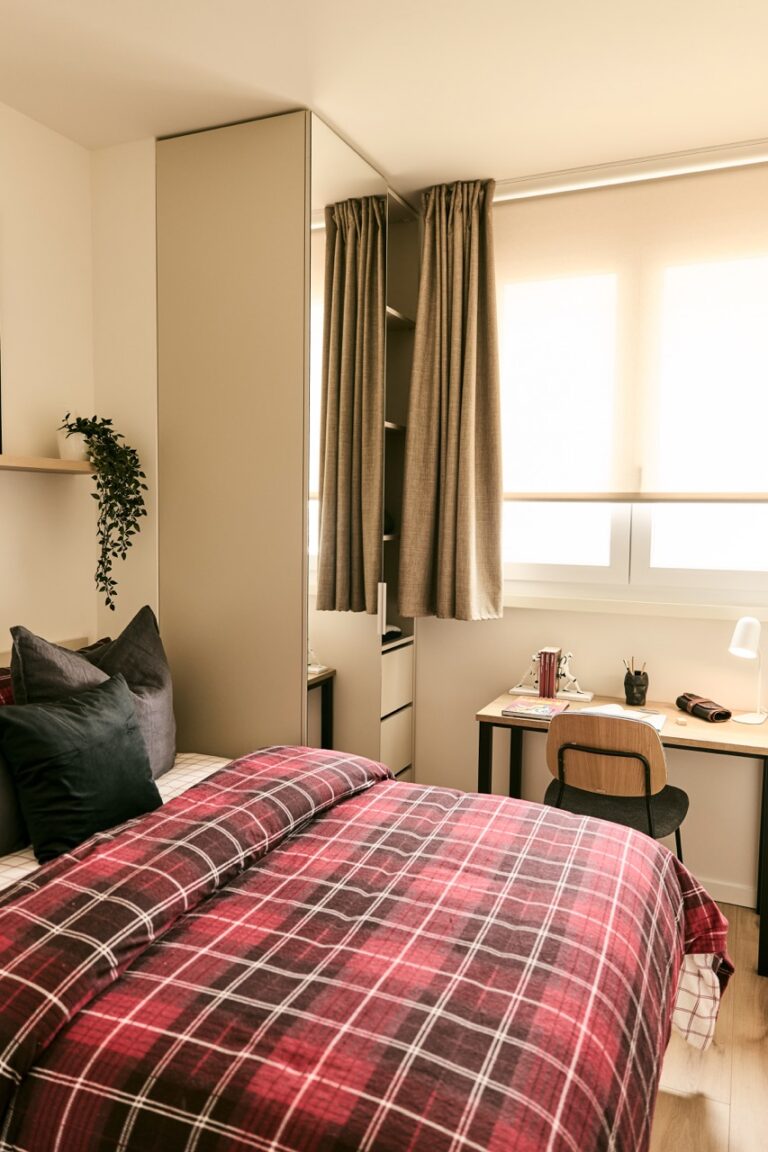
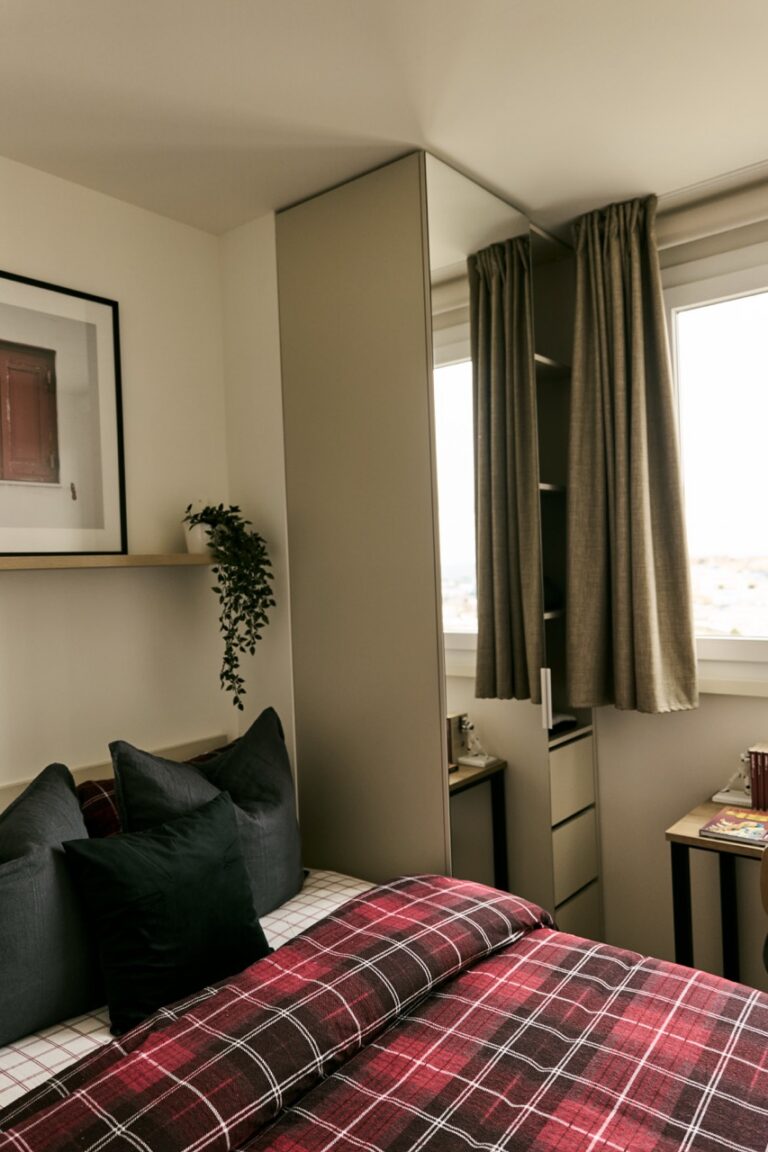
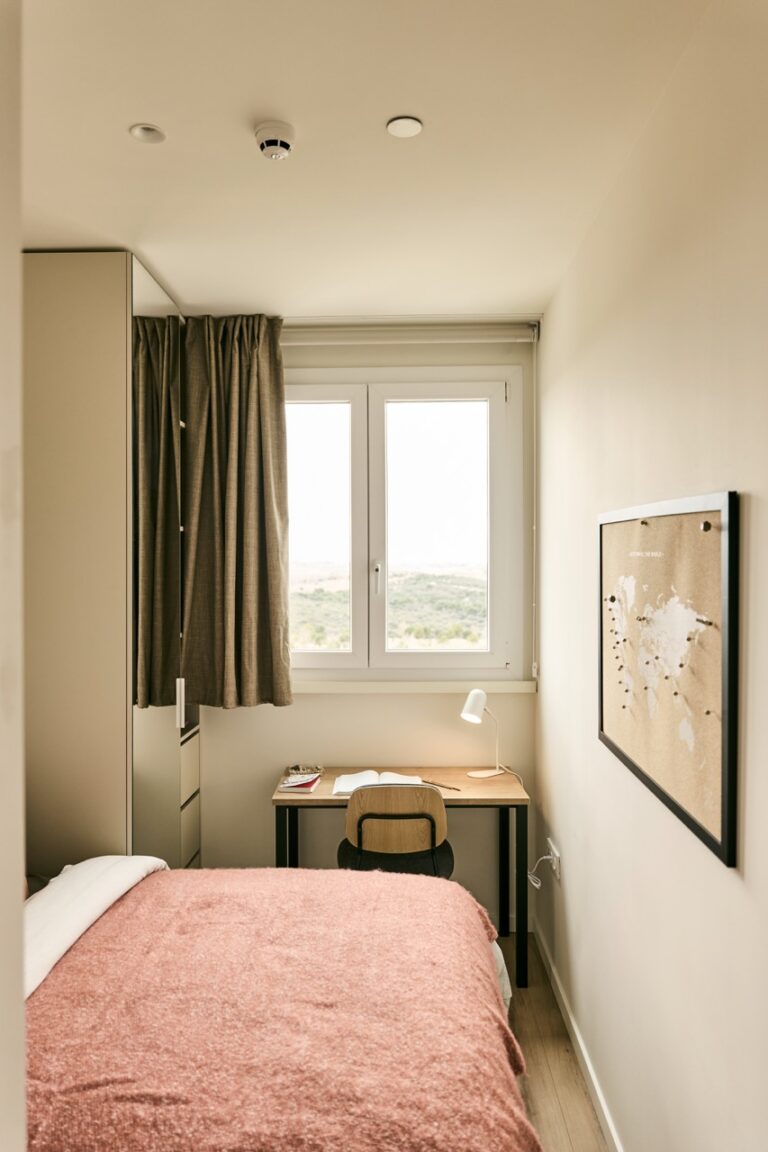
Living in community doesn’t mean giving up your personal space. Quite the opposite: it means having your own private apartment, with everything you need for daily life, inside an environment that makes human connections and shared experiences easier.
This model combines the best of both worlds:
- the privacy and independence of your own apartment
- common spaces designed for sharing moments
- activities that encourage interaction between residents
This way, everyone can choose how they want to live each day: enjoy their own space or connect with other residents.
Benefits of community living in urban environments
1. Building connections in a city where everything moves fast
One of the biggest challenges of living in big cities is meeting new people and creating meaningful relationships.
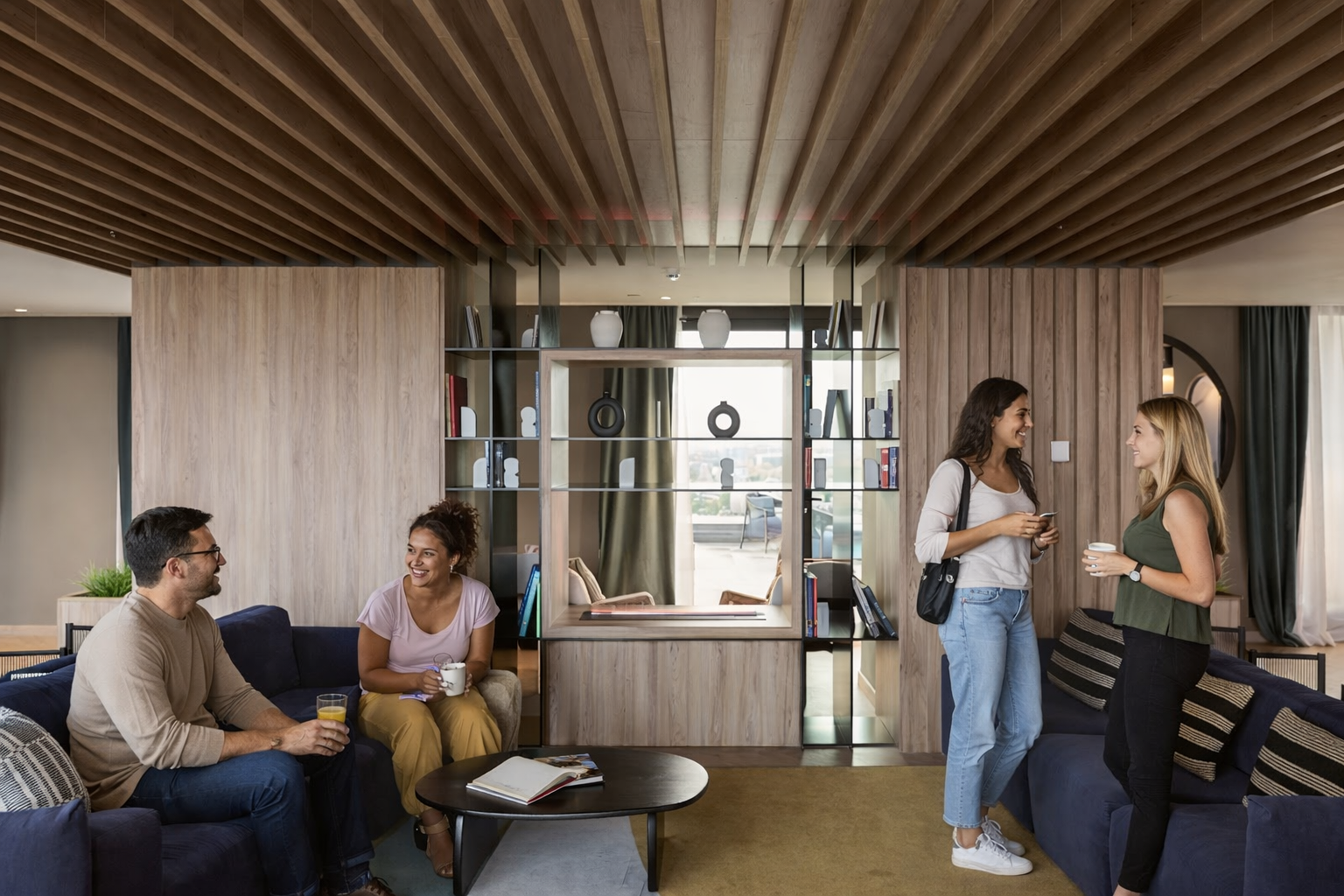
Spaces that promote community living make natural encounters between neighbours easier, whether in common areas, events or organised activities.
This turns the building into something more than just a place to sleep: it becomes an environment where new friendships and real connections can grow.
2. The freedom to choose between privacy and social life
One of the biggest perks of this way of living is flexibility.
Some days you want quiet time and to enjoy your apartment, and other days you feel like socialising or sharing a moment with other people.
Community living lets you do exactly that: always having the choice. Your apartment is your private space, but just a few steps away you’ve got opportunities to connect with other residents.
3. Spaces that enrich your daily routine
Shared spaces let you enjoy facilities that bring comfort and quality of life.
These include:
- gyms
- coworking areas
- terraces or rooftops
- common rooms to relax or work
These spaces not only make life more practical, they also encourage spontaneous encounters between neighbours, creating a community naturally.
4. Unexpected opportunities: Networking and new connections
Community living can also open unexpected doors.
Sharing spaces like the coworking or the gym makes spontaneous conversations easier — and many times these can lead to new ideas, professional collaborations or even job opportunities.
In an environment where people with different interests and professions live together, connections happen naturally.
5. A greater sense of well-being in the city
Several studies show that feeling part of a community improves emotional well-being.
Sharing experiences, exchanging ideas or simply running into familiar faces can have a really positive impact on daily life.
In big cities, where anonymity often dominates, these little moments help build a sense of belonging that improves quality of life.
The future of urban living: more community, more experiences
New ways of living in the city are evolving toward models that prioritise experience, flexibility and human connection.
Today, people aren’t just looking for a place to live, but an environment that lets them enjoy their time more, meet people and feel part of something.
In this context, community living is becoming one of the most relevant trends in modern urban housing.