Do you know what a digital nomad is?
The global pandemic declared in 2020 has brought an unprecedented rise in remote work, making digital nomadism a growing trend that is part of many conversations. However, it seems not everyone is entirely sure what a digital nomad really is. That’s why we publish this post, in which we talk about a lifestyle already adopted by 35 million people worldwide, according to Brotherabroad.
So… what is a digital nomad?
Let’s start by clarifying that a digital nomad is not simply someone who has switched from on-site to remote work. In fact, digital nomadism isn’t even just about work; it’s a way of life that began long before the pandemic made us realise that many of us can perfectly work from home thanks to (no longer so new) technologies.
Indeed, that’s the origin of this phenomenon: the appearance of the technical means that allow us to work remotely. And you may not believe it, but the first digital nomad in history emerged long before the internet became popular. We’re talking about Steve Roberts, a freelance writer from Ohio who in 1983 decided to travel the world on his bicycle, using a computer of the time to write the articles he sent to editors through CompuServe, one of the pioneering companies in telematic services.
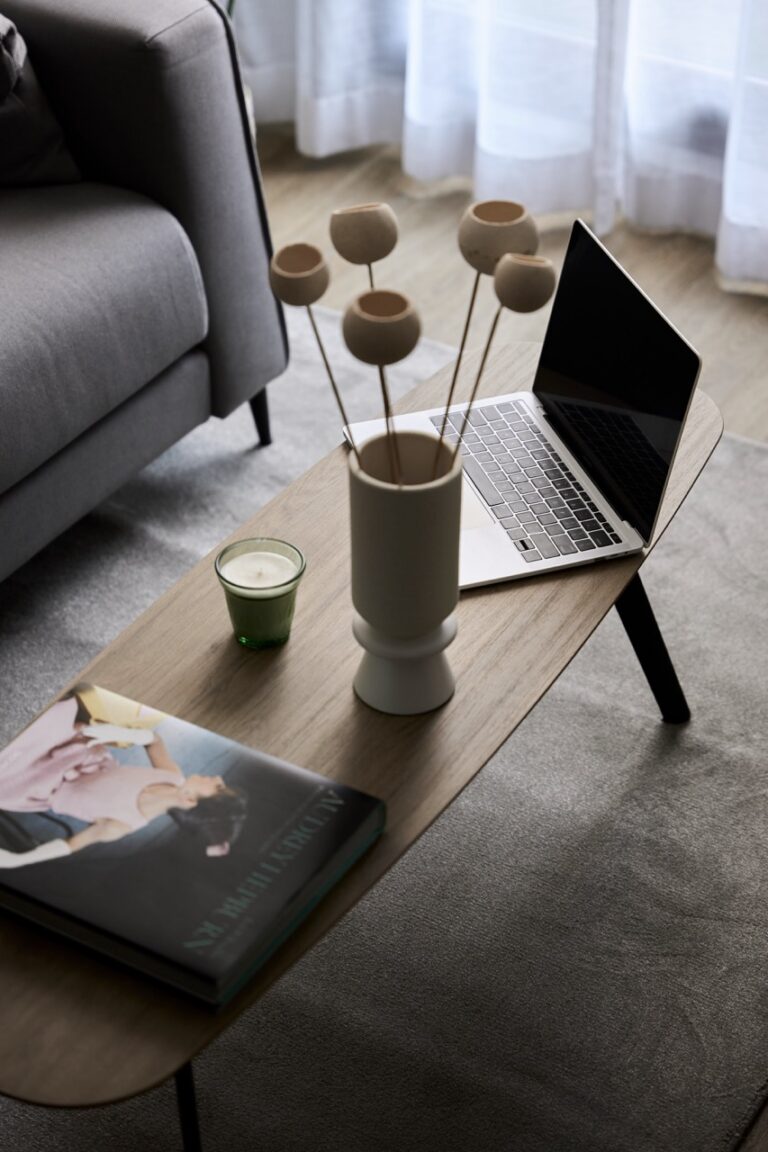
What Steve Rogers did 4 decades ago is what more and more people have been doing since the beginning of the 21st century. Because a digital nomad (as we said) is not just someone who works remotely thanks to digital environments, but someone who takes advantage of the opportunity to offer 100% online services to embrace a lifestyle without a fixed residence, which allows them to be in contact with nature, travel through other countries or get to know different cultures.
Although to dive into that adventure all you need is an activity that can be done remotely, the truth is that the most common professions among digital nomads have to do with design, creativity or web development.
As for the types of digital nomad according to their relationship with work, there are three main groups: freelancers (independent professionals), entrepreneurs and employees who agree on this type of relationship with their company.
How to become a digital nomad?
If you work in something that lets you work online from anywhere and you’re thinking about becoming a digital nomad, you have to take into account the different variables that influence that decision.
The first requirement (and perhaps the most important) is to be fully convinced of what this change means socially, family-wise and emotionally. After all, being a nomad is the opposite of putting down roots, so the opportunity to travel from one place to another and change your residence whenever you want implicitly involves giving up being close to your family, your lifelong friends, etc. If you have a partner, you know you’ll have to agree on your plans together and, if you have children, you’ll need to consider things as important as their education or their social environment.
If you have all of this clear and decide to leave your office to take it wherever you are, there are several practical aspects you should consider. First, you have to decide whether you’re moving for good or whether you’ll keep your fixed residence to come back someday. That’s important for census registration, direct debits, etc. and also to estimate what you need to take with you, whether you’re going to make a full move with everything you have at home or if you’re only going to travel with the essentials.
Another question you need to ask yourself is where to go and how long you’ll stay, because there are many factors that influence that. For example, and although it may seem obvious, if you want to be a digital nomad you have to make sure you have good internet access, something that isn’t as common as it seems. If you go to a big city or an important town you won’t have problems in that regard, but if your destination is a village, find out beforehand whether it has the necessary infrastructure to do your work.
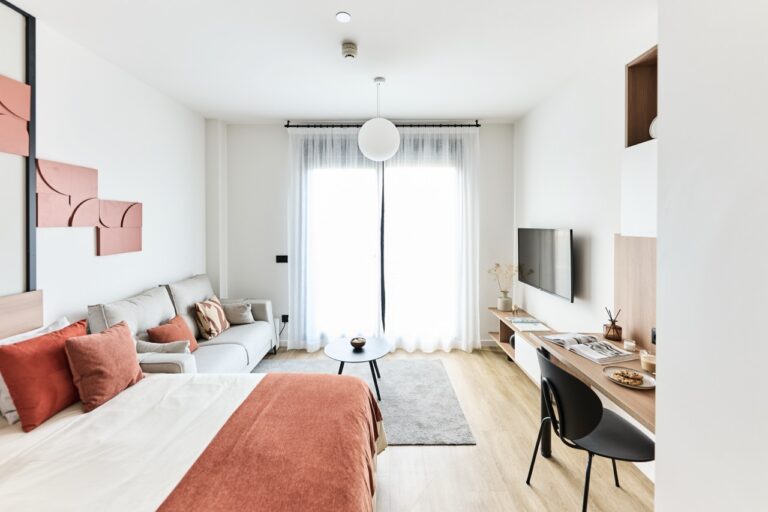
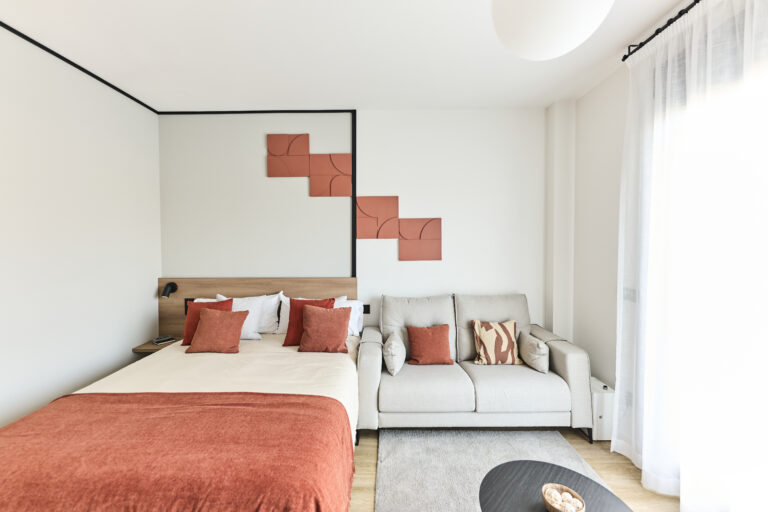
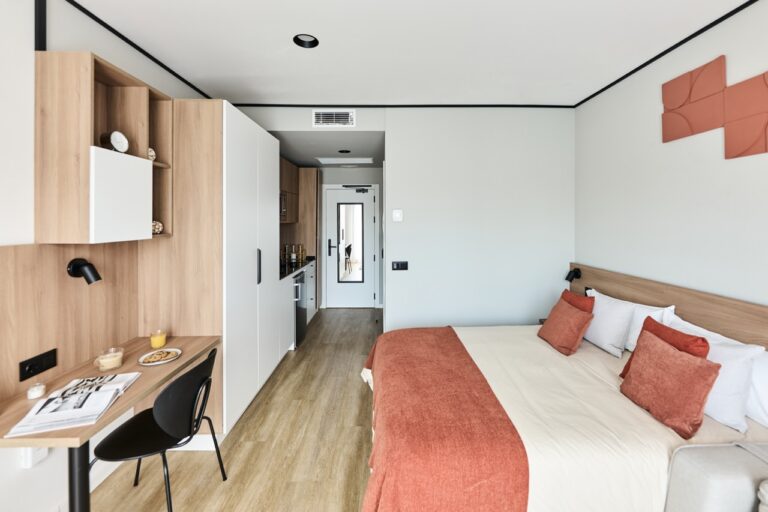
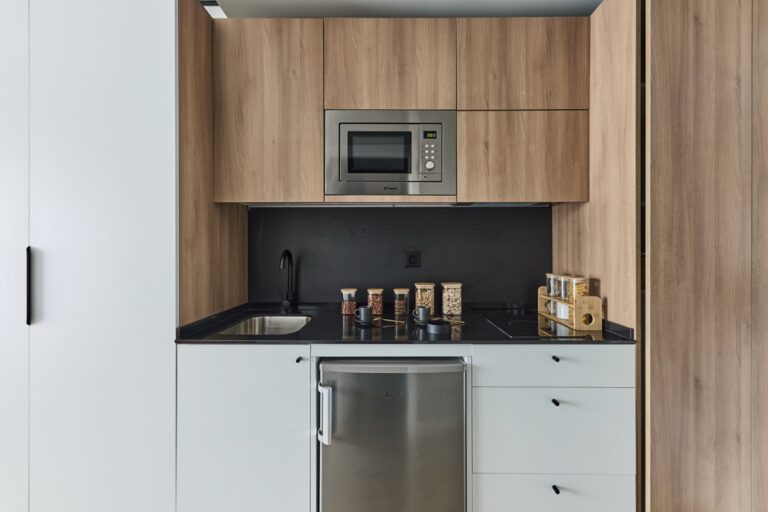
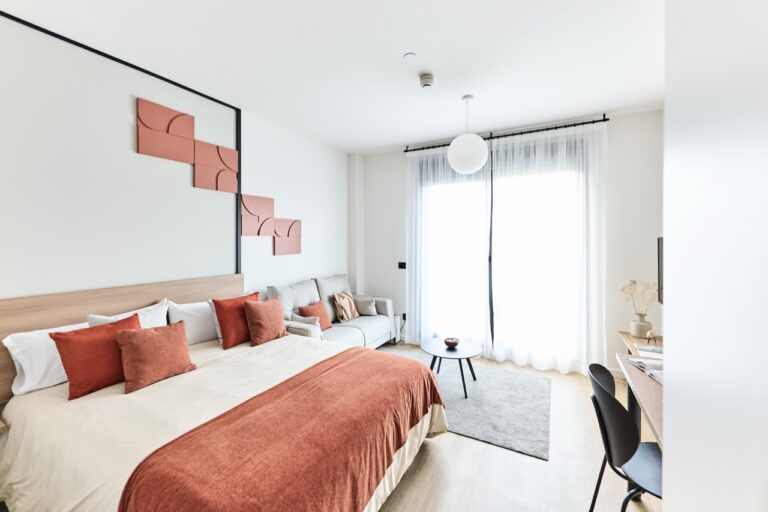
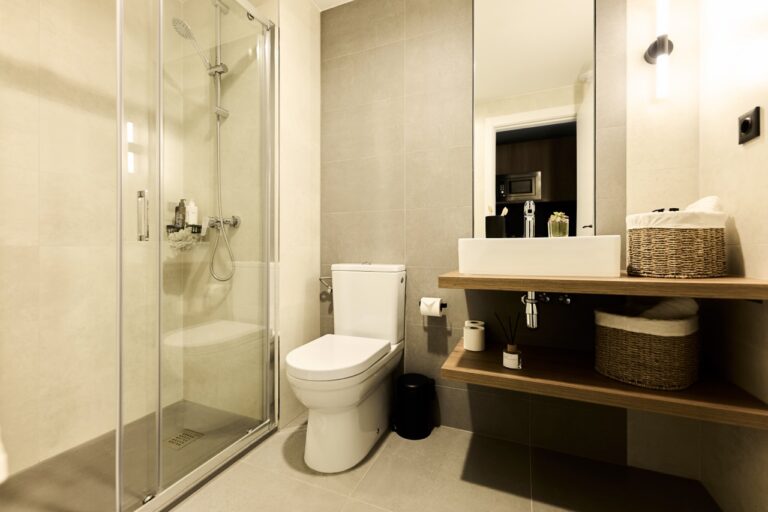
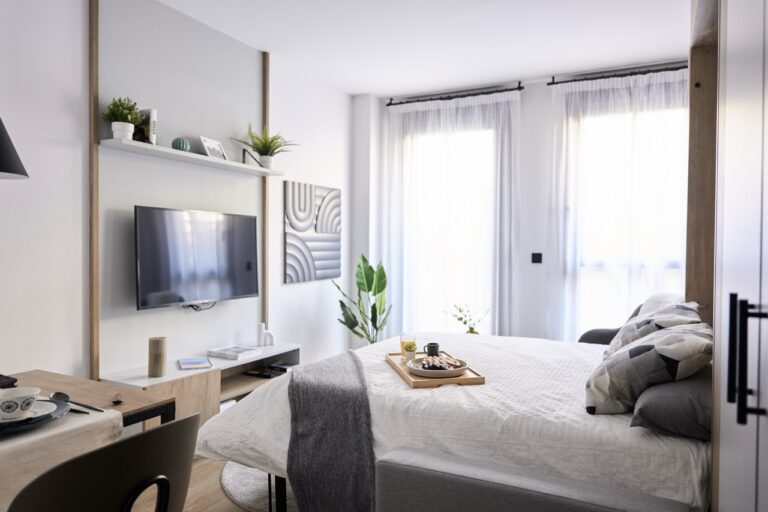
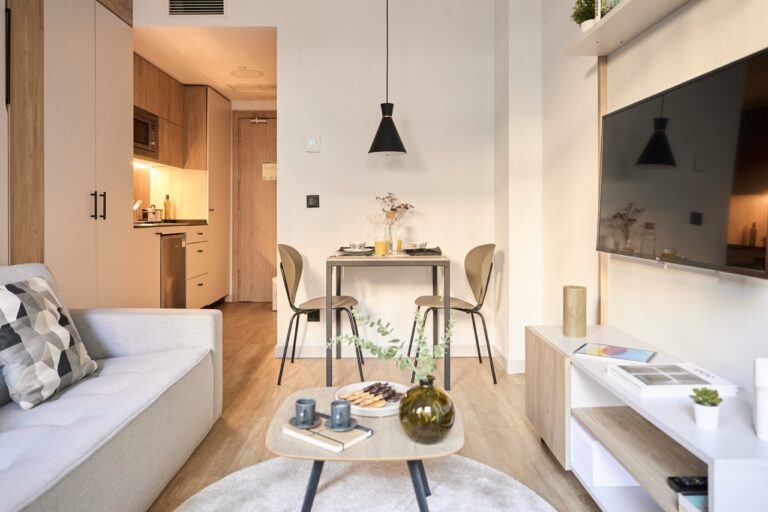
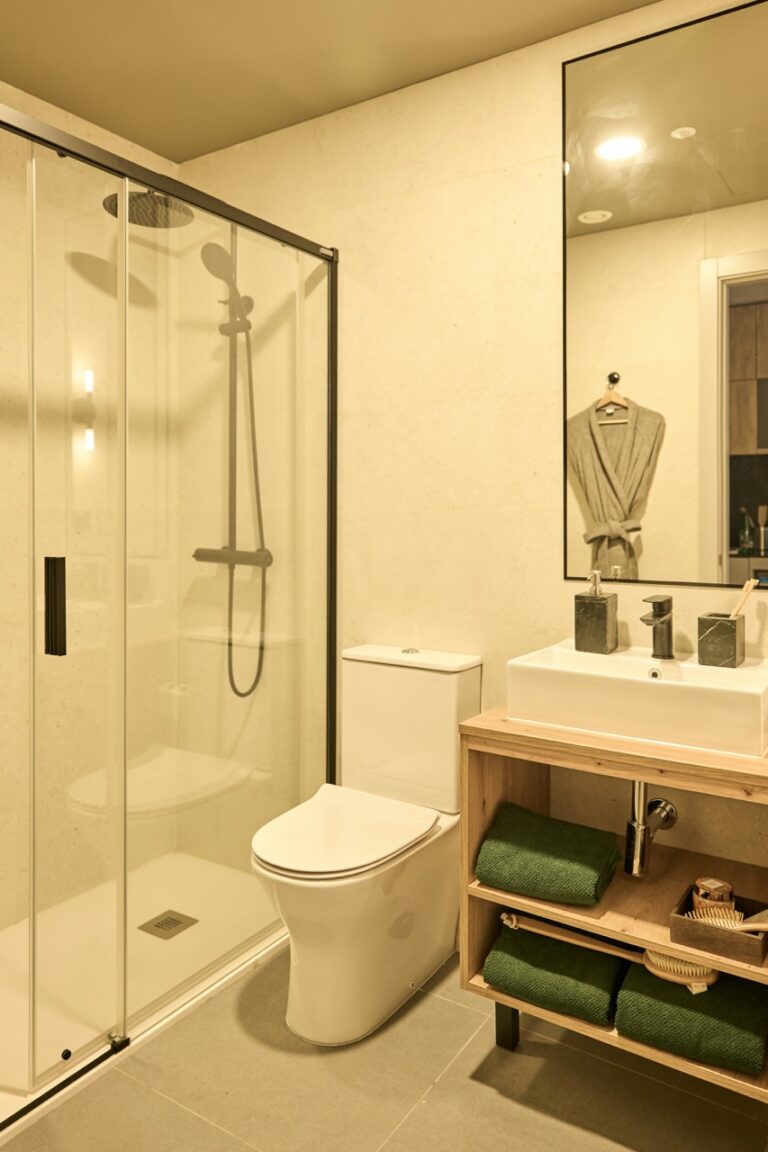
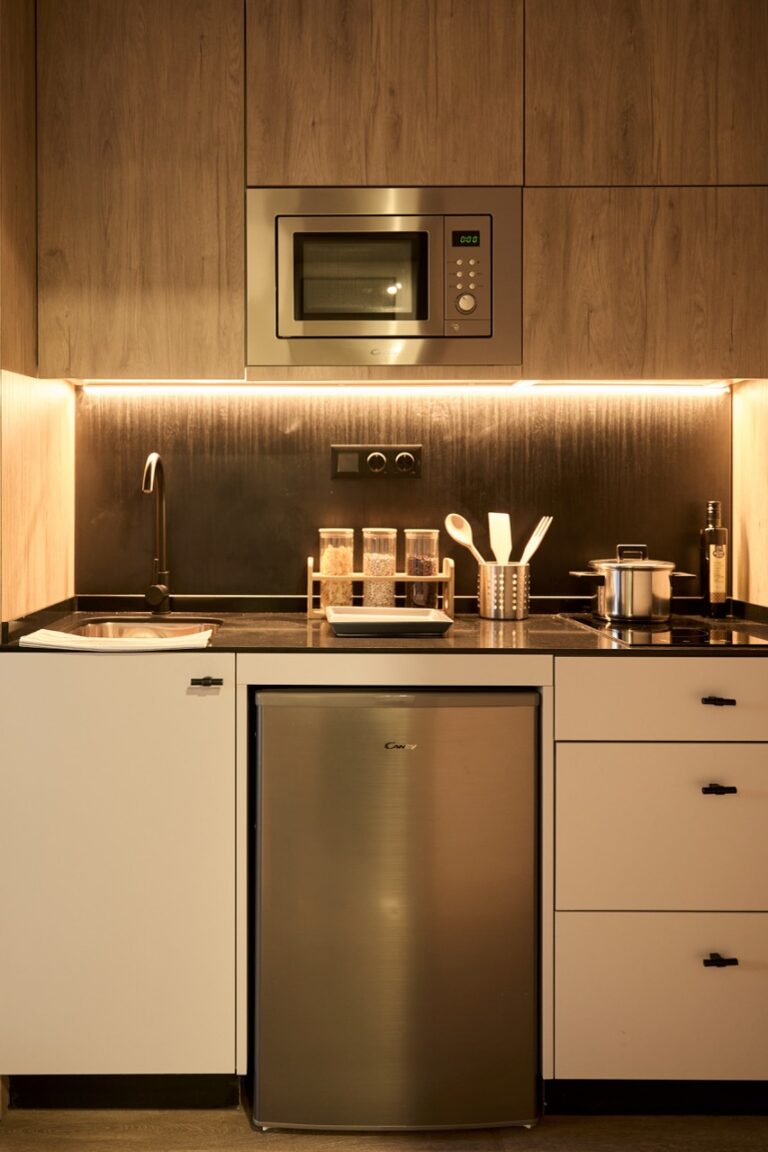
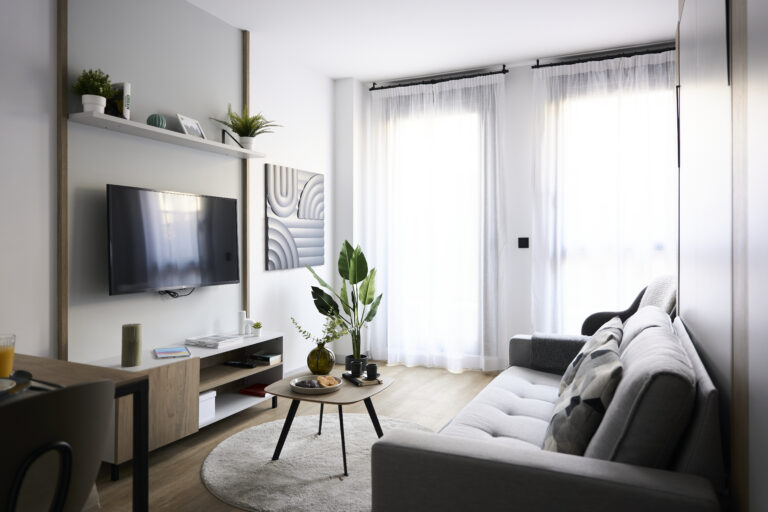
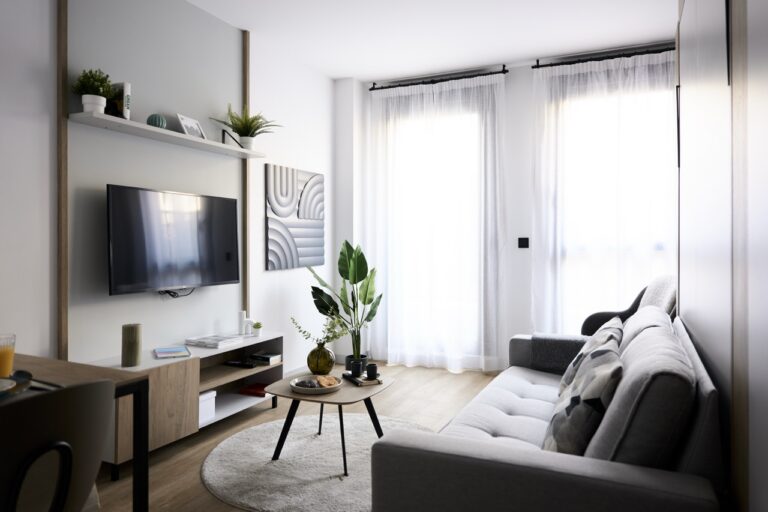
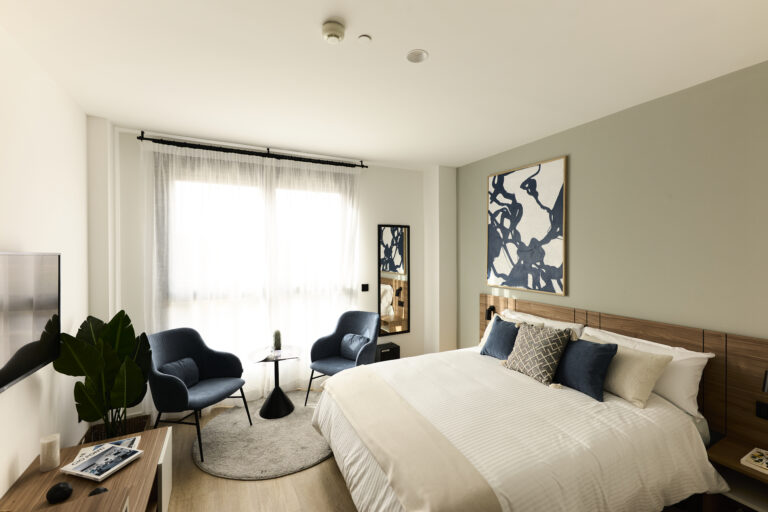
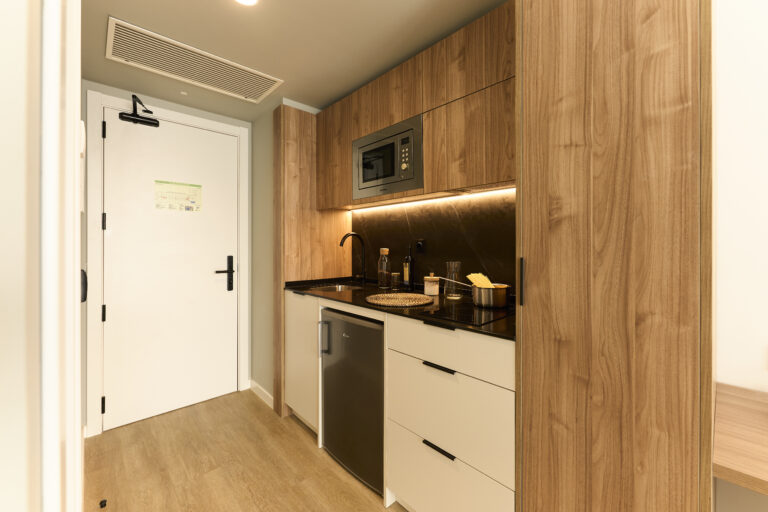
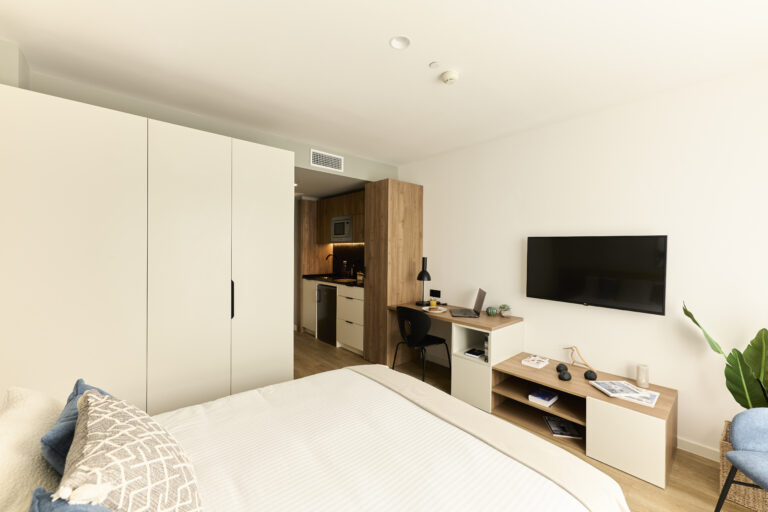
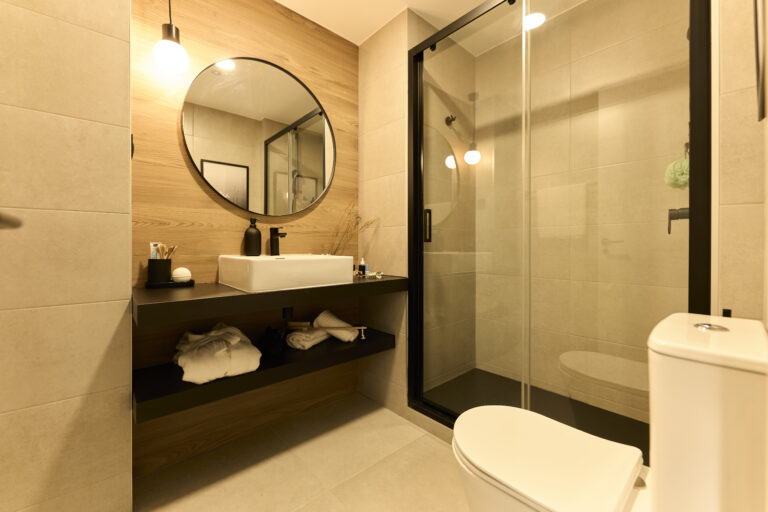
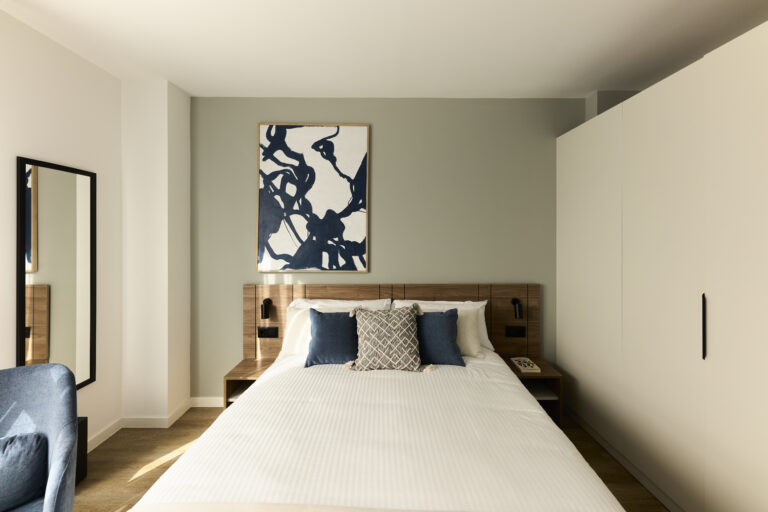
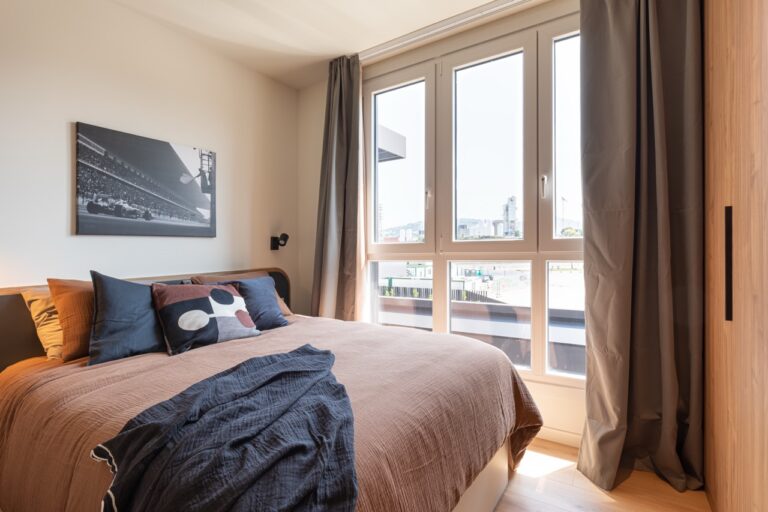
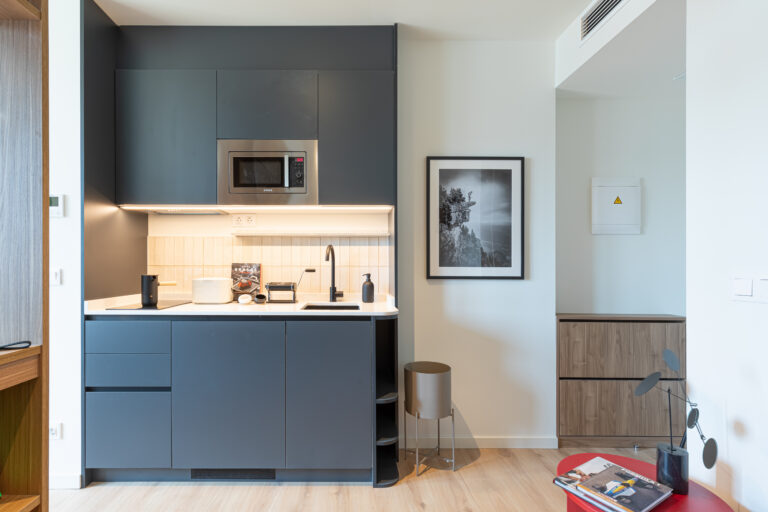
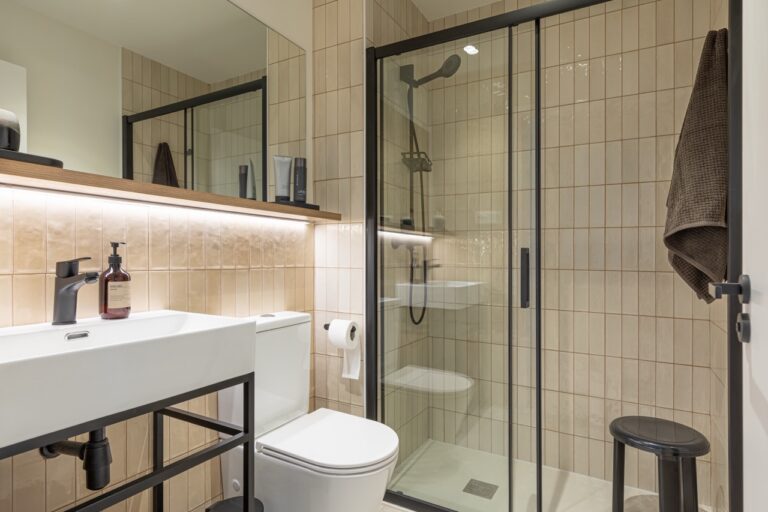
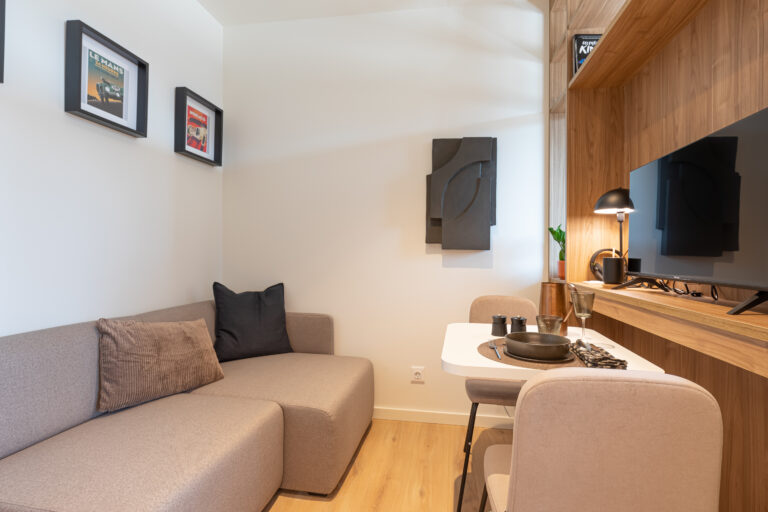
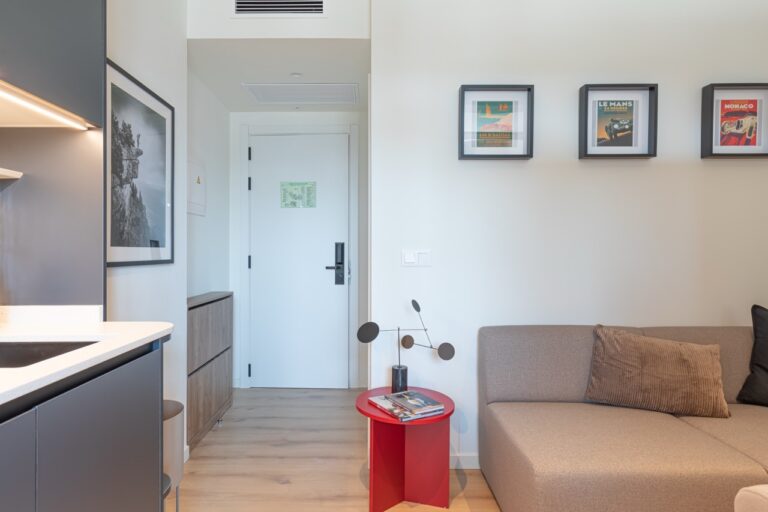
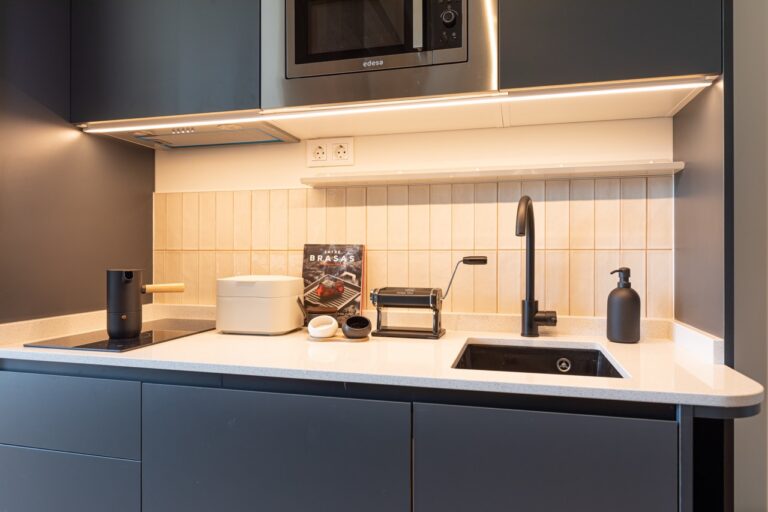
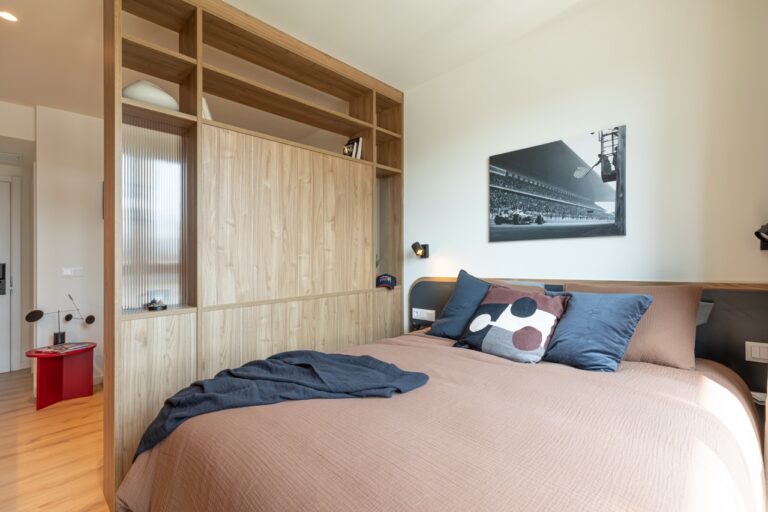
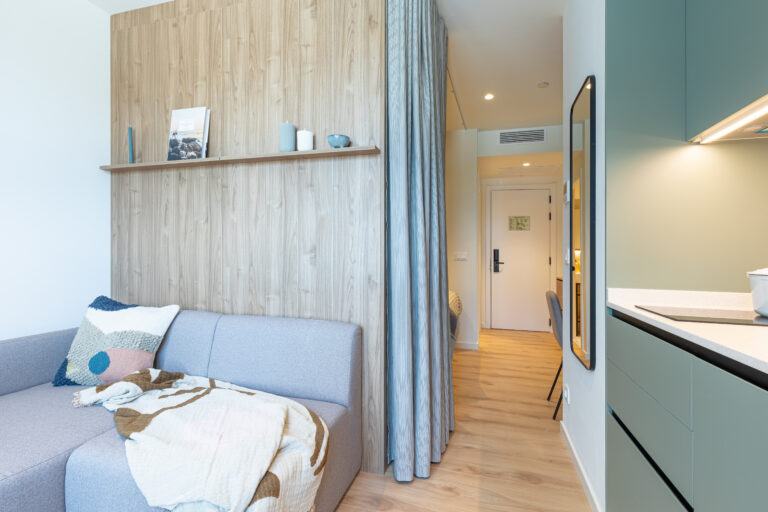
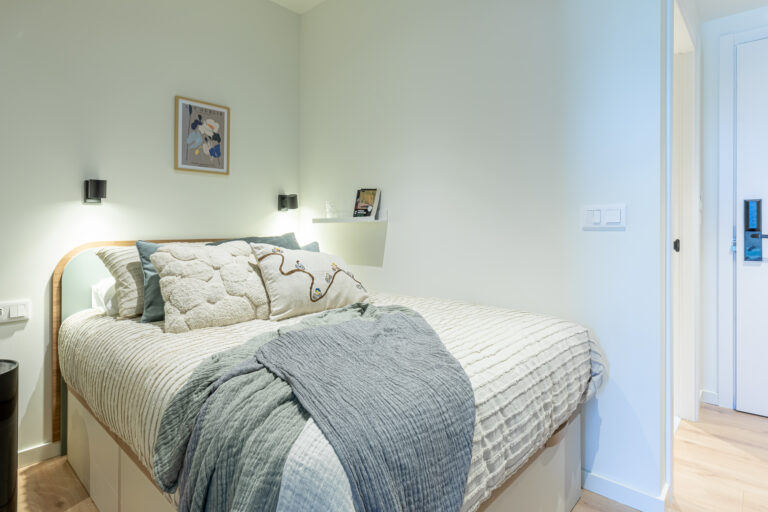
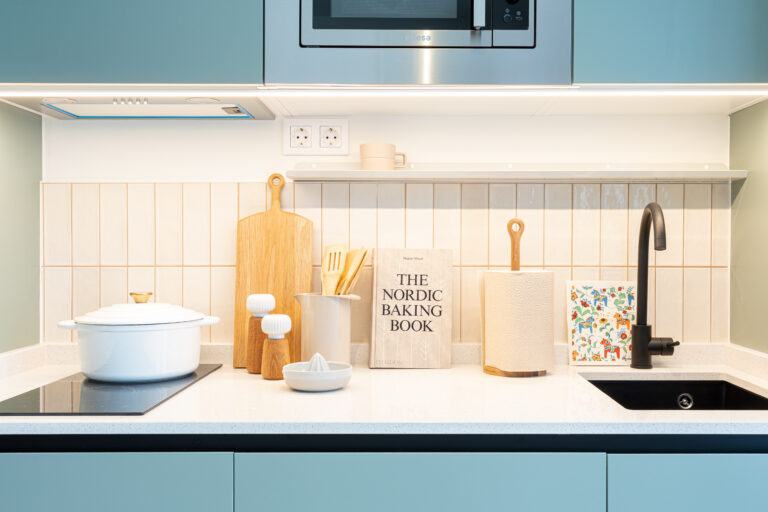
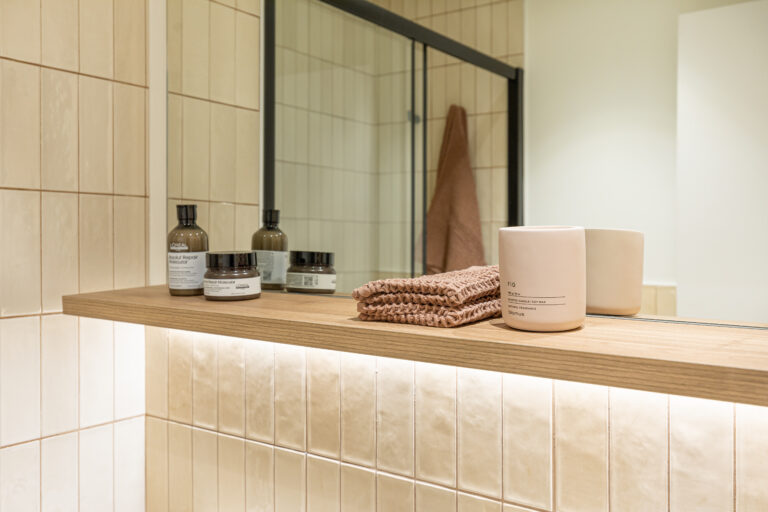
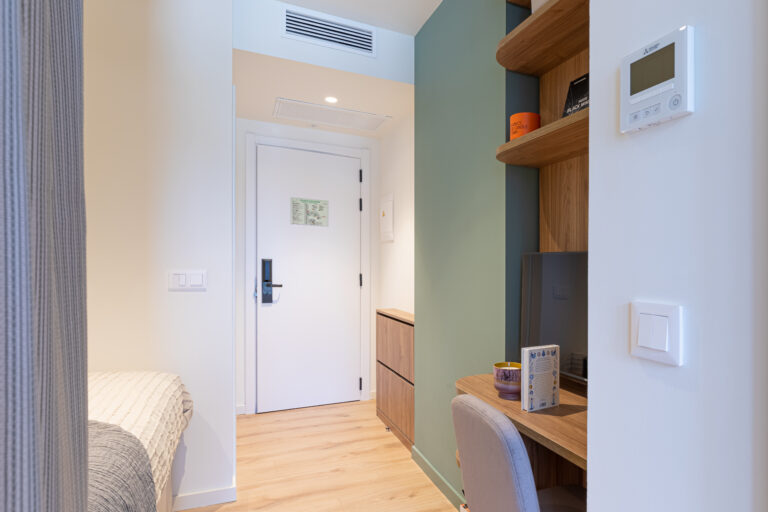
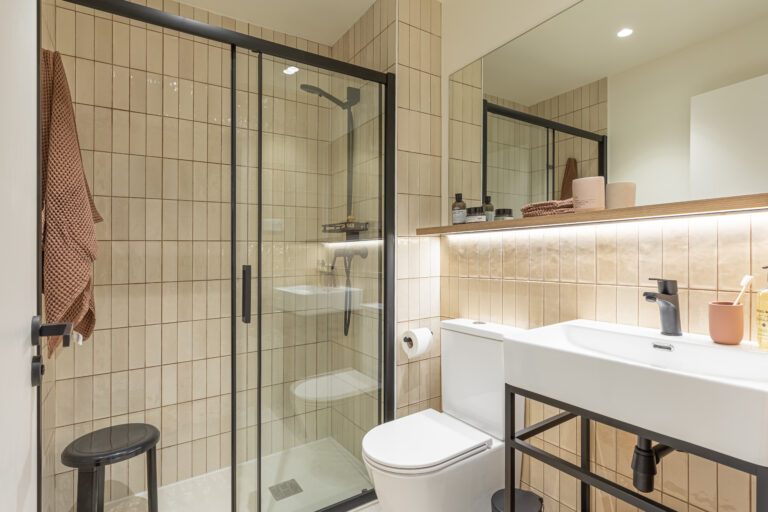
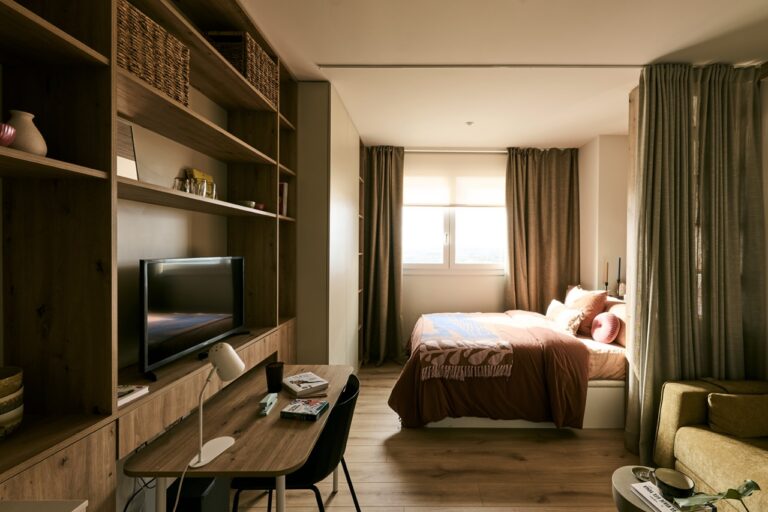
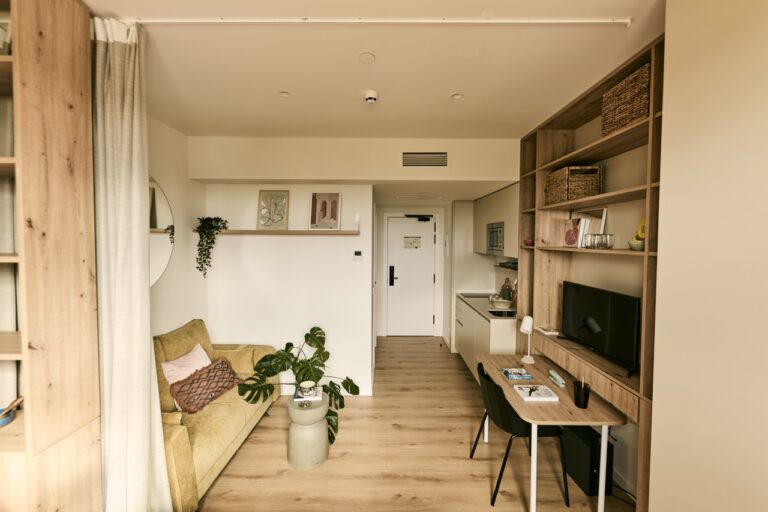
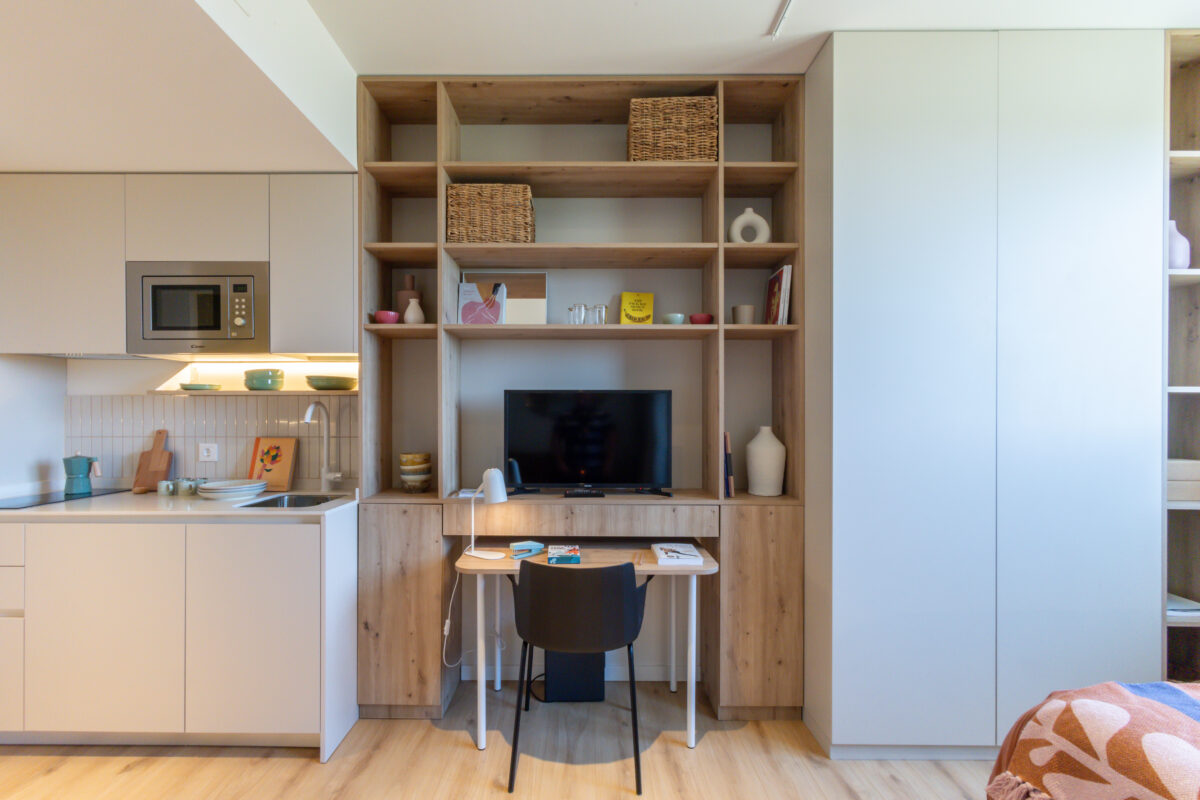
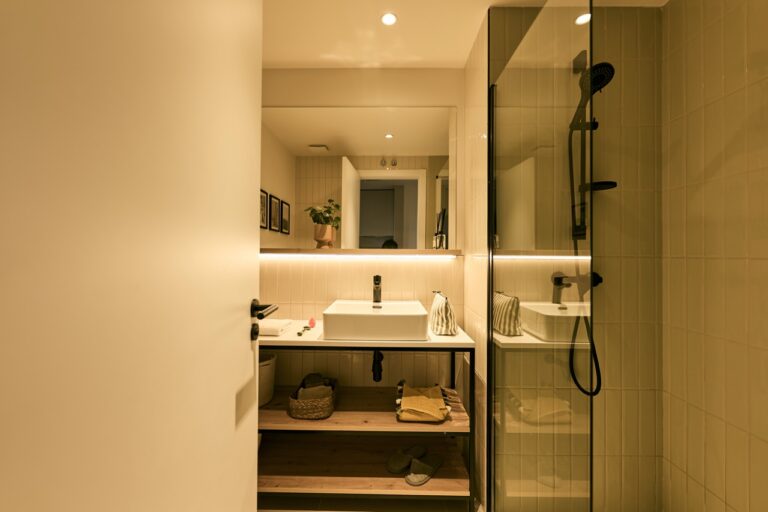
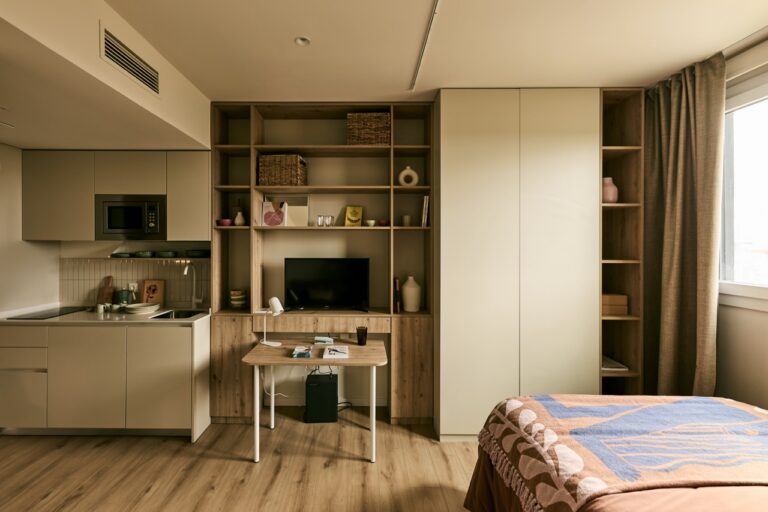
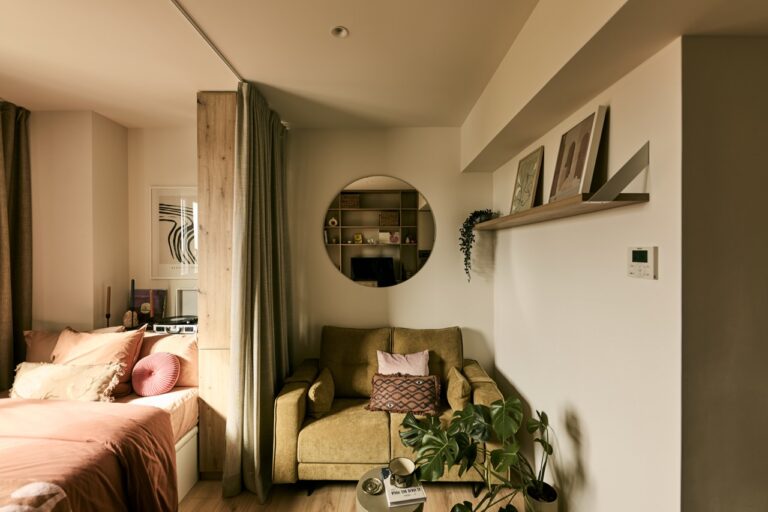
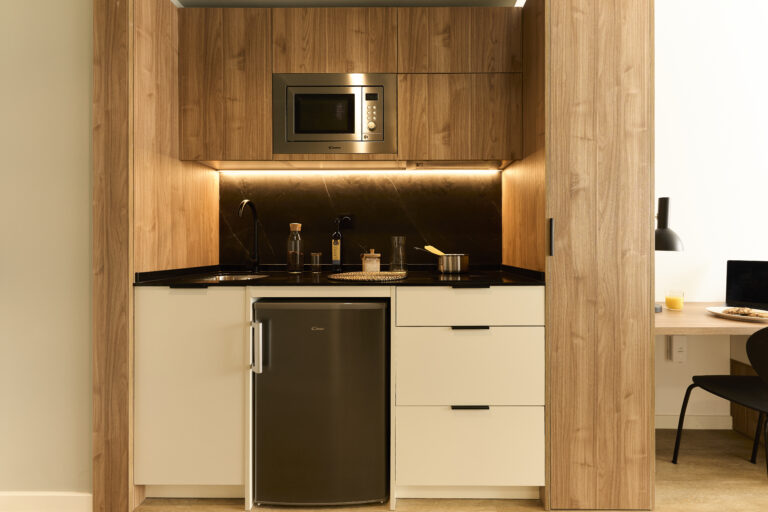
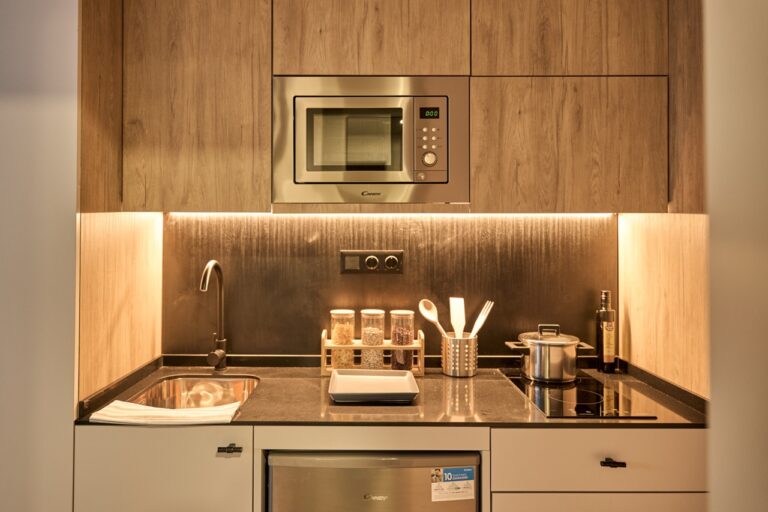
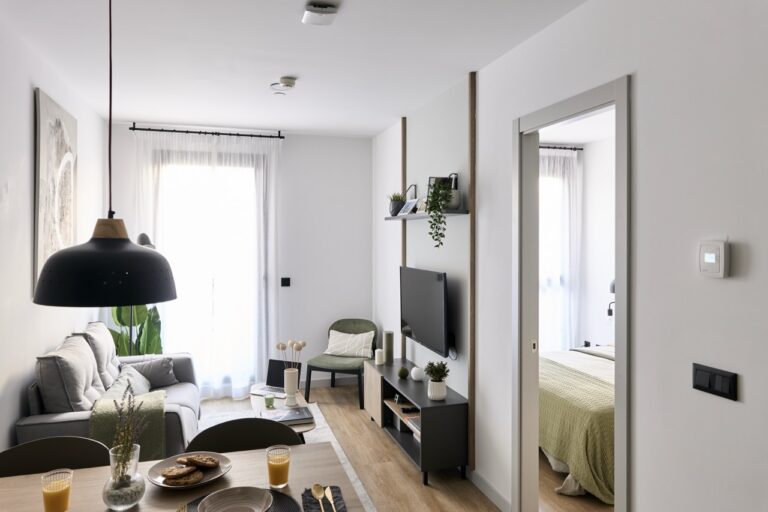
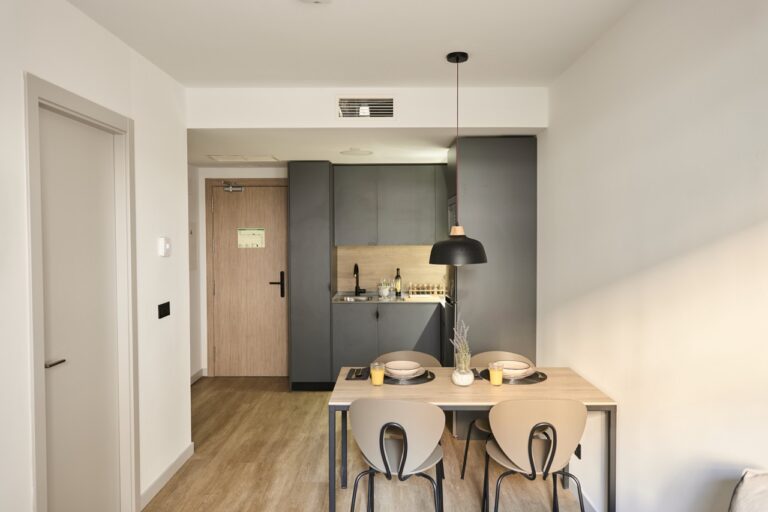
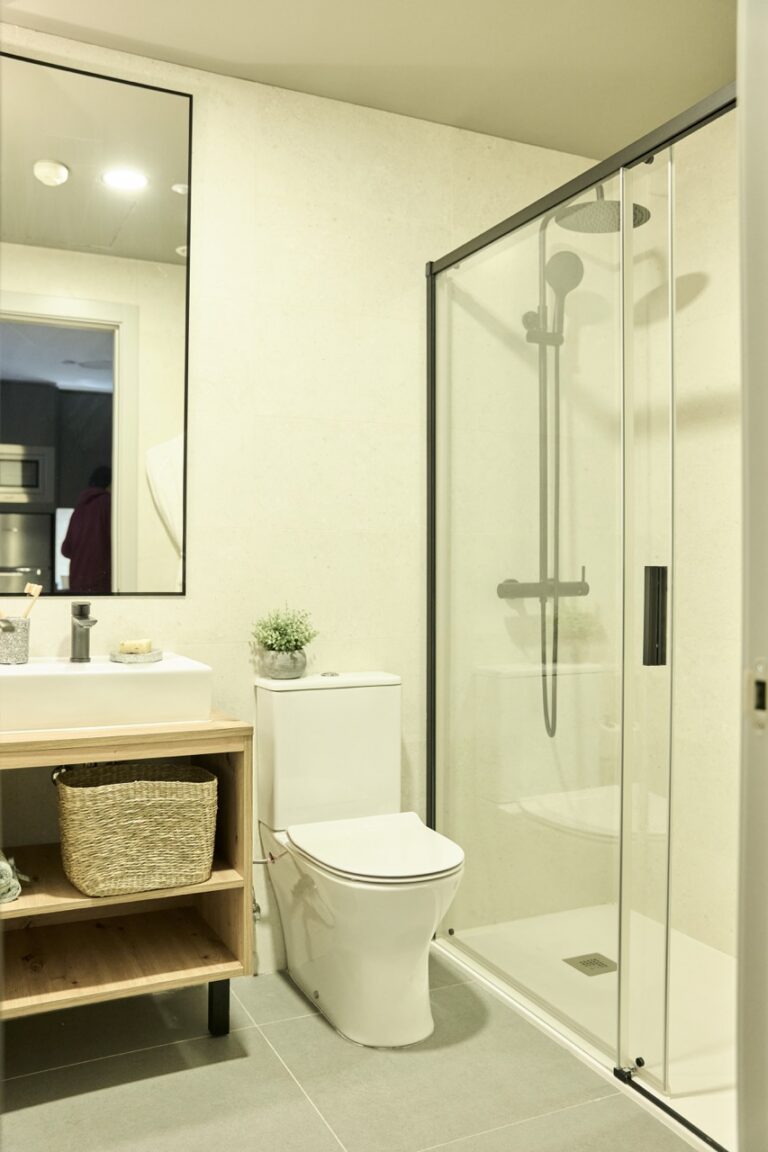
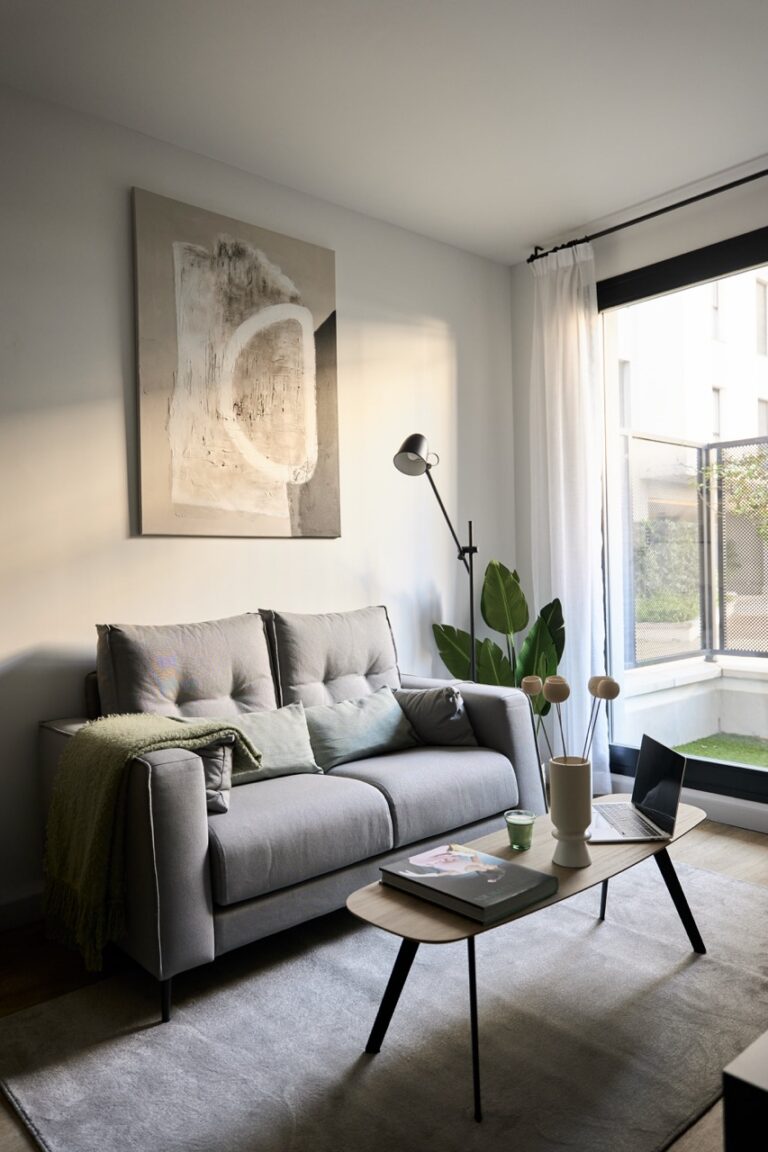
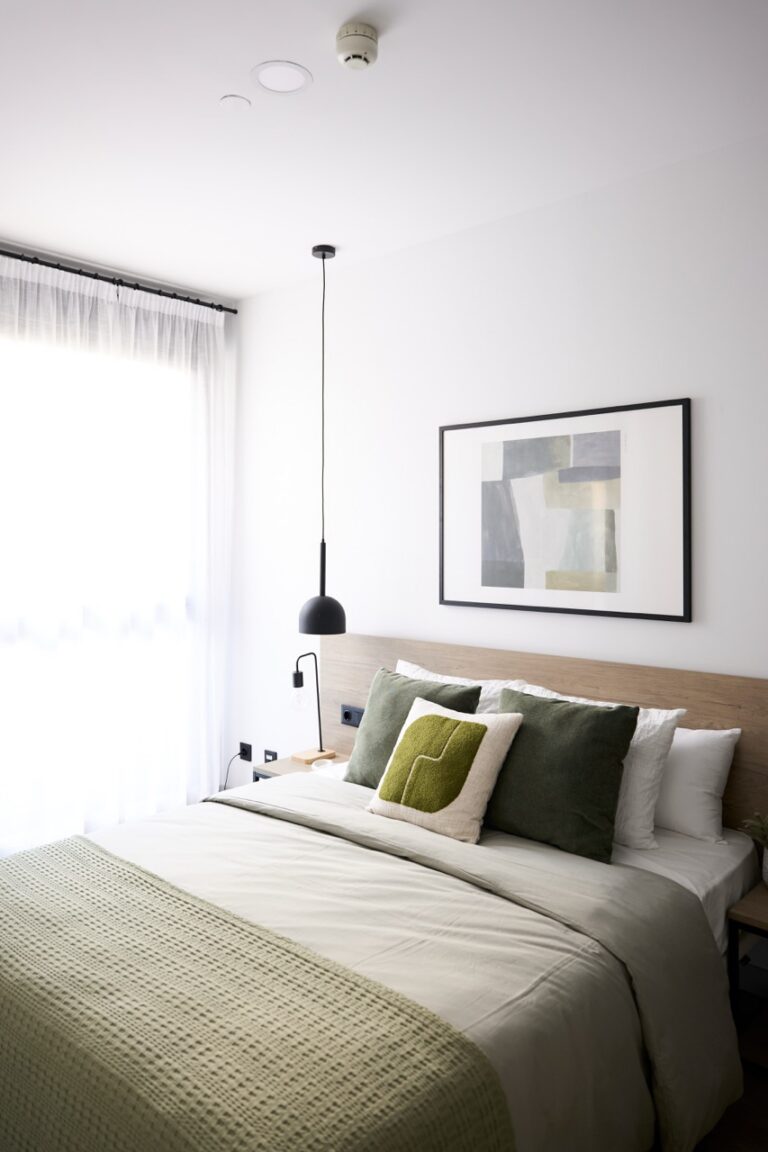
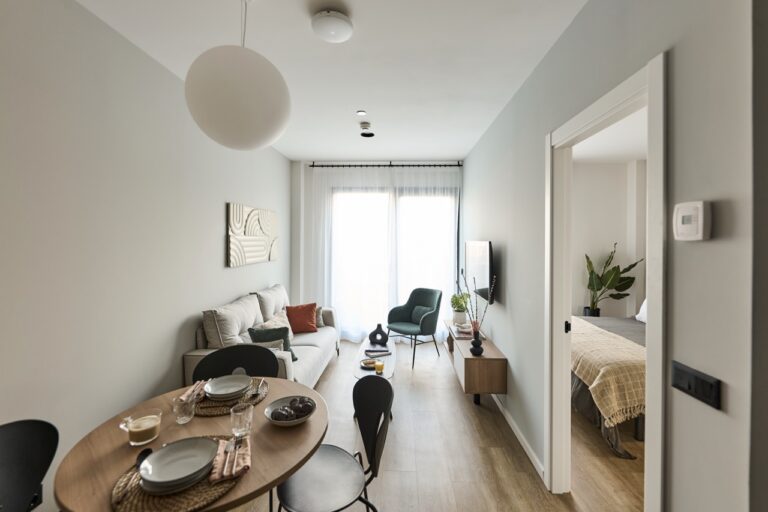
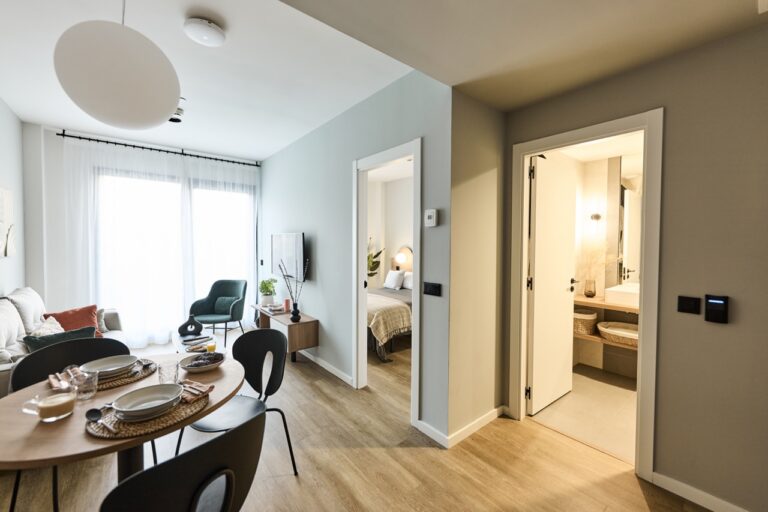
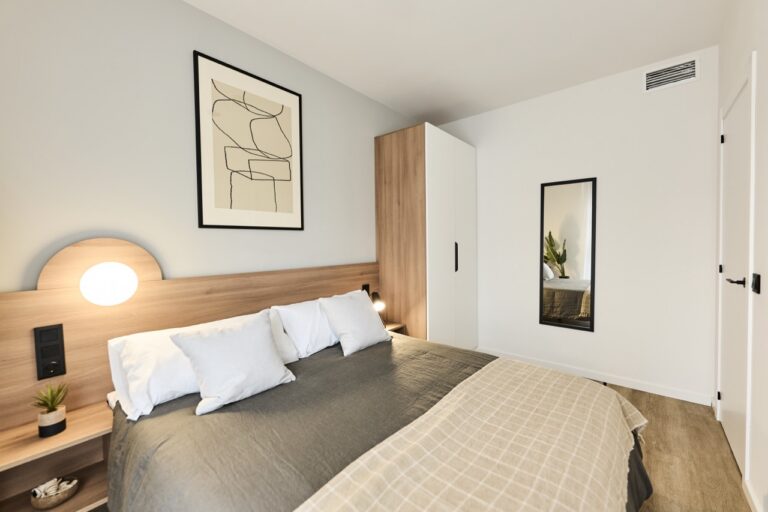
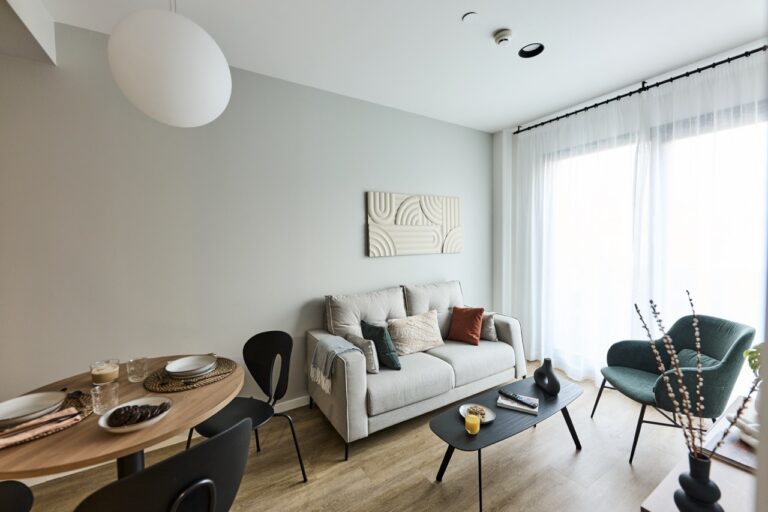
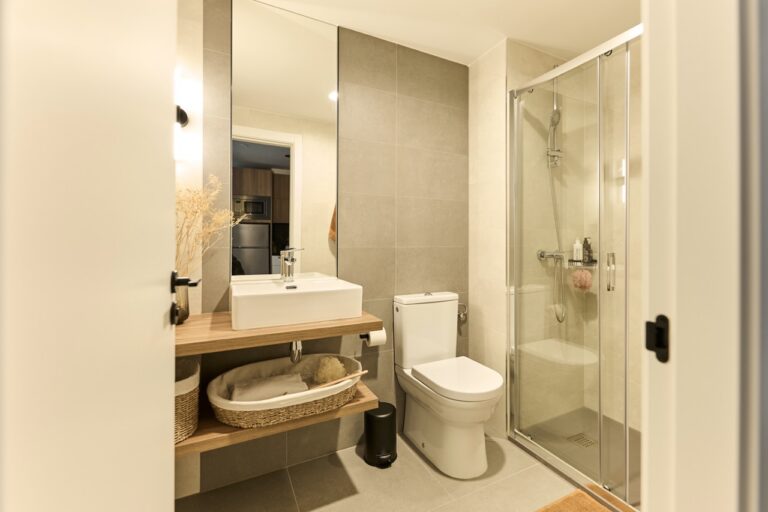
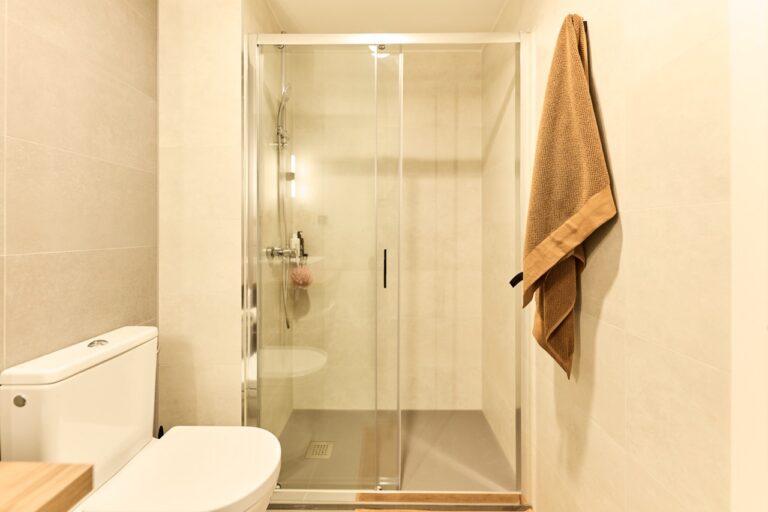
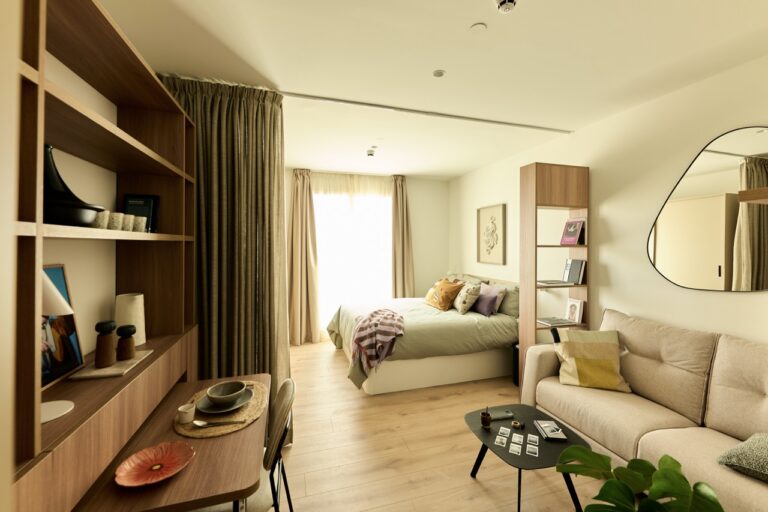
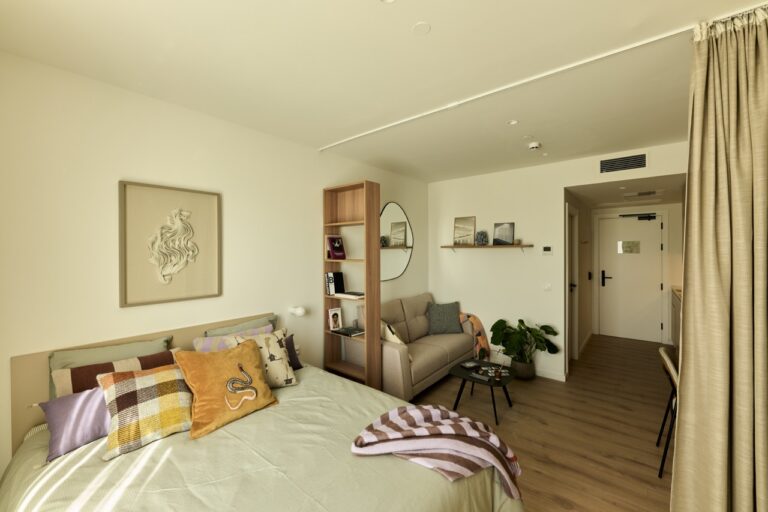
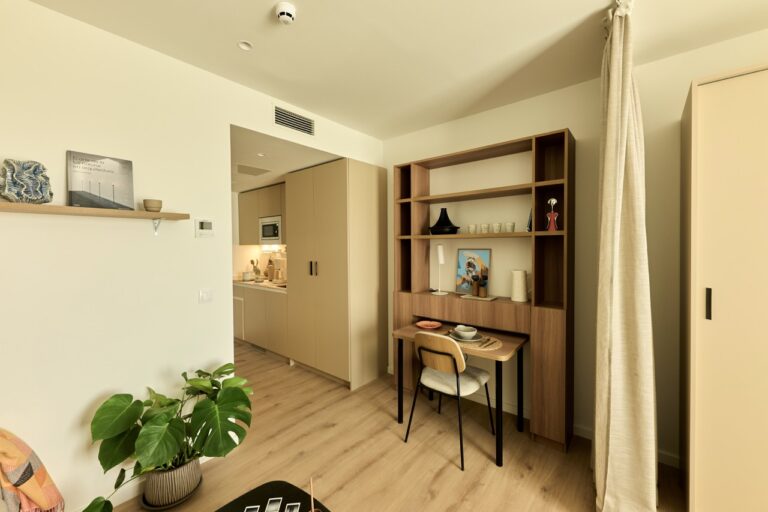
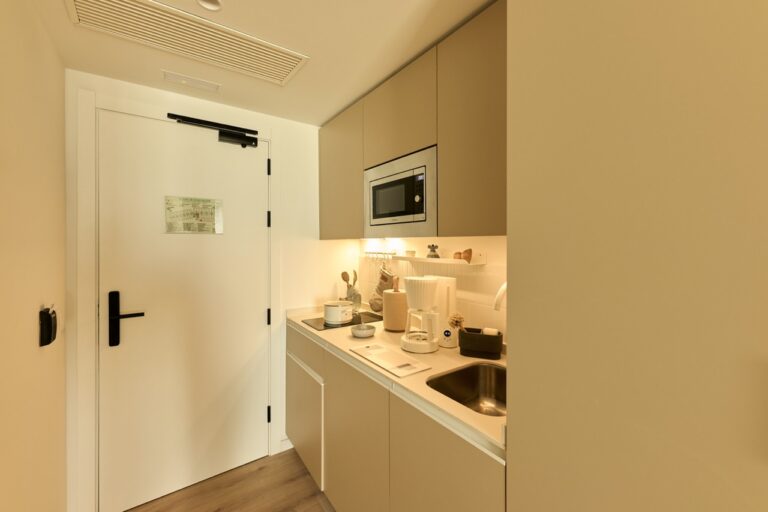
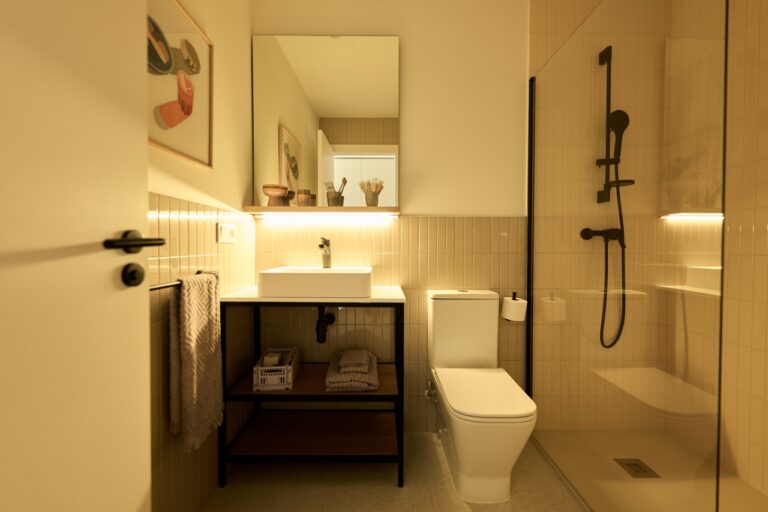
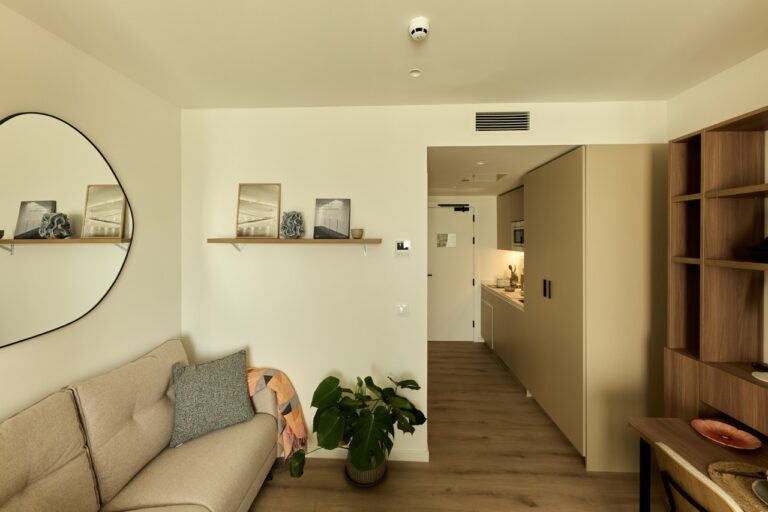
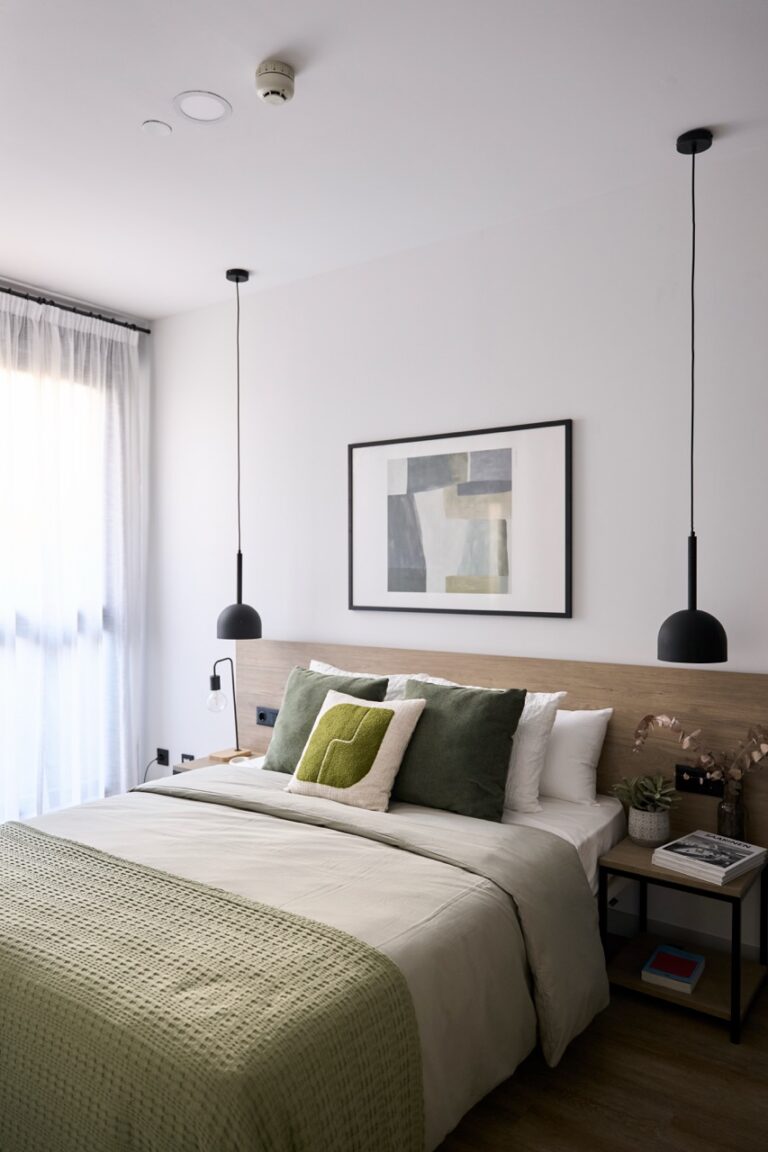
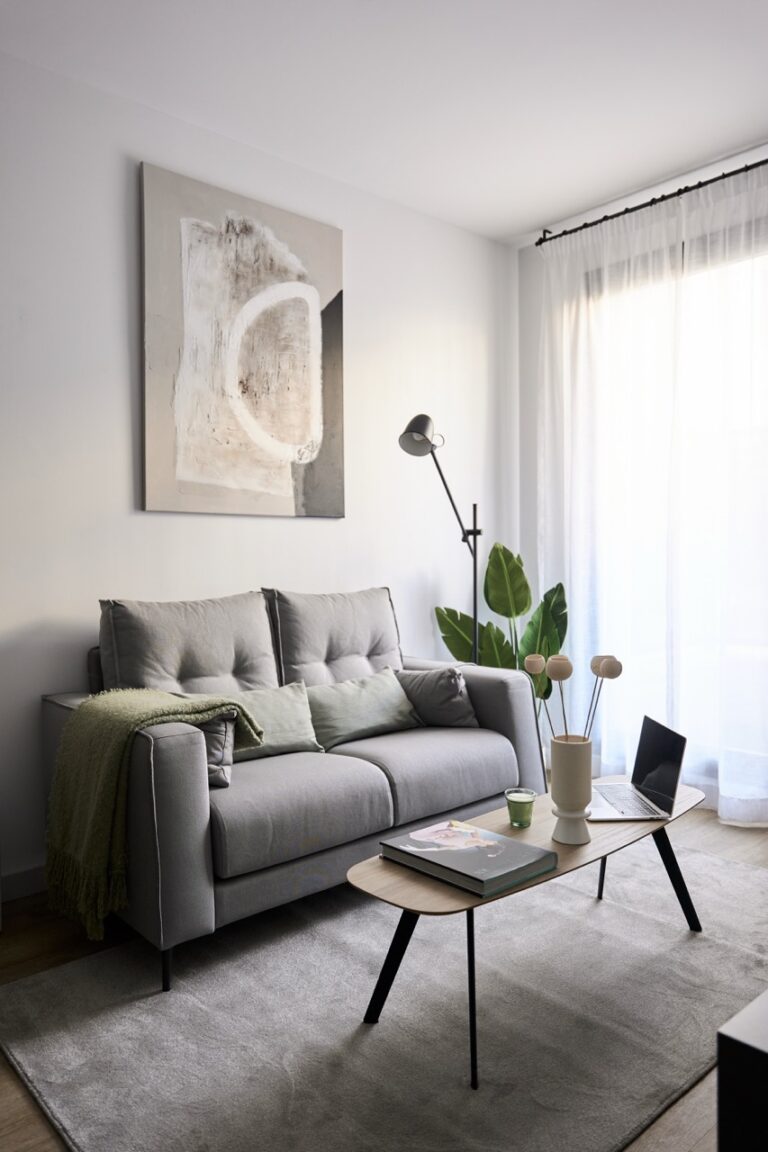
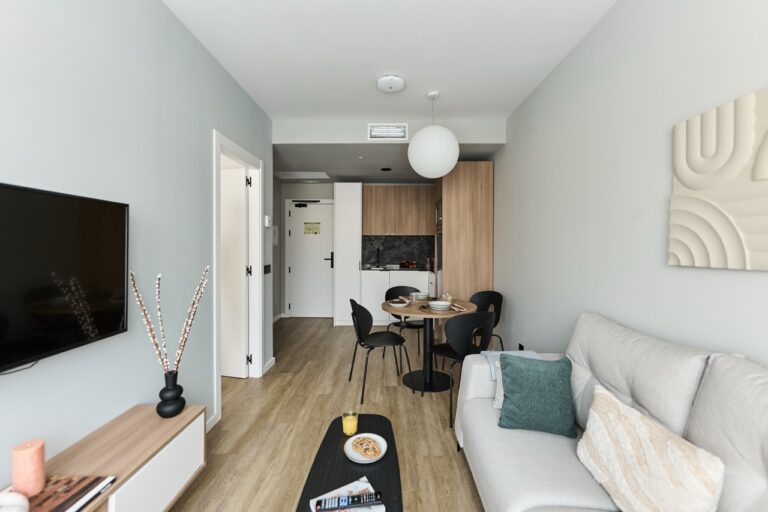
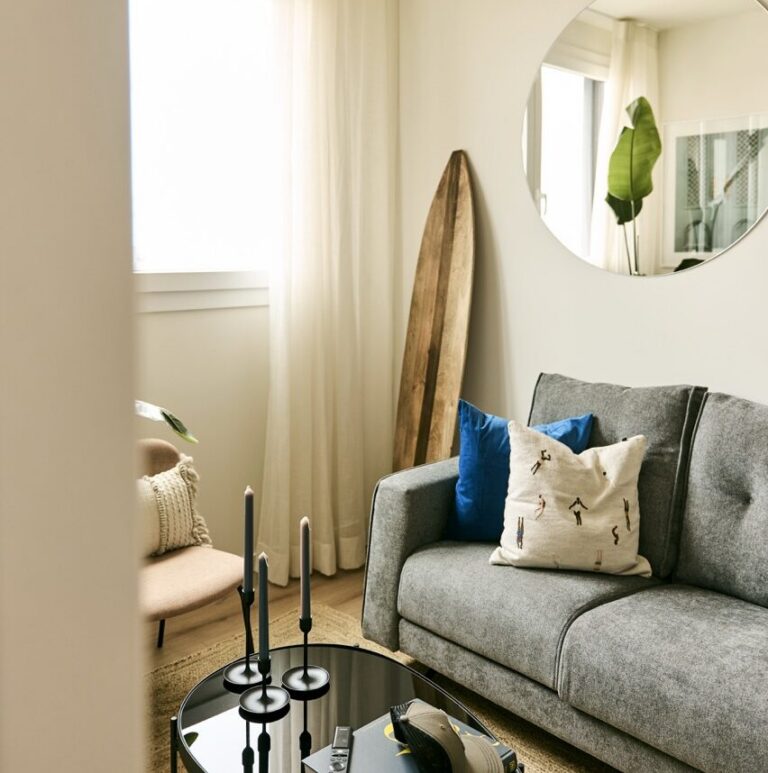
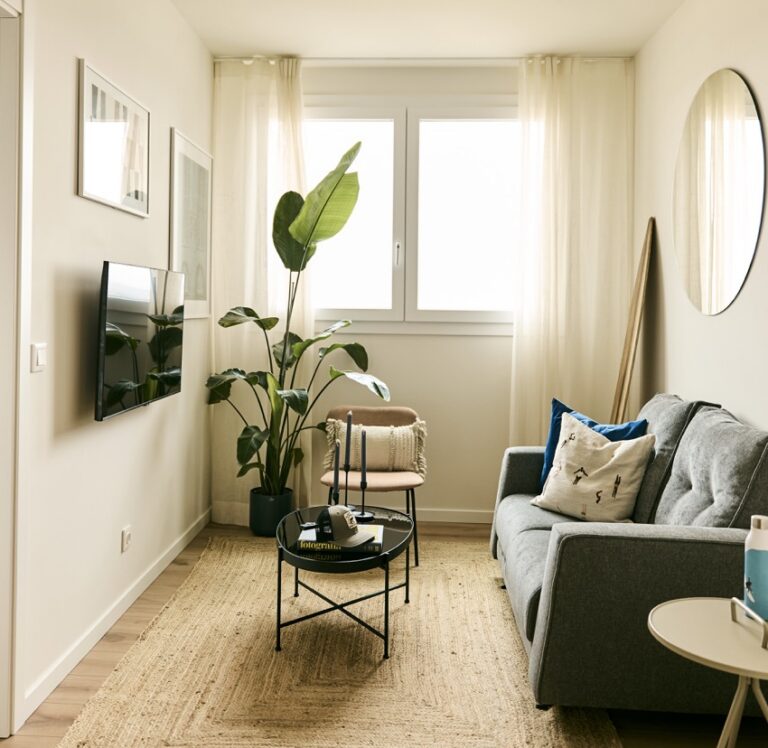
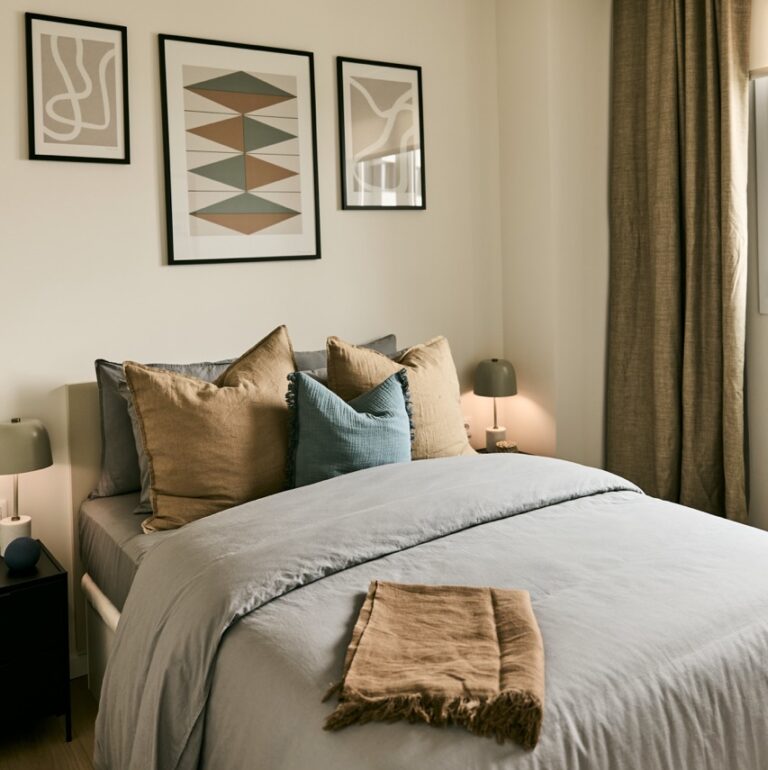
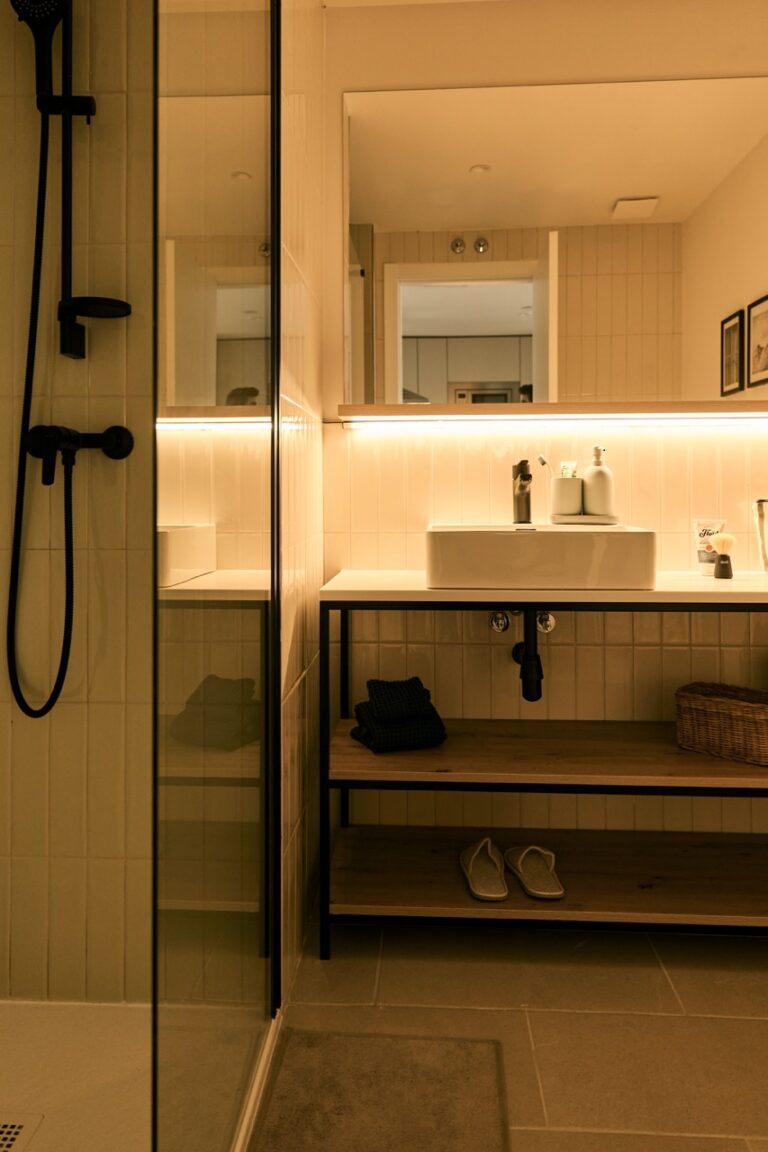
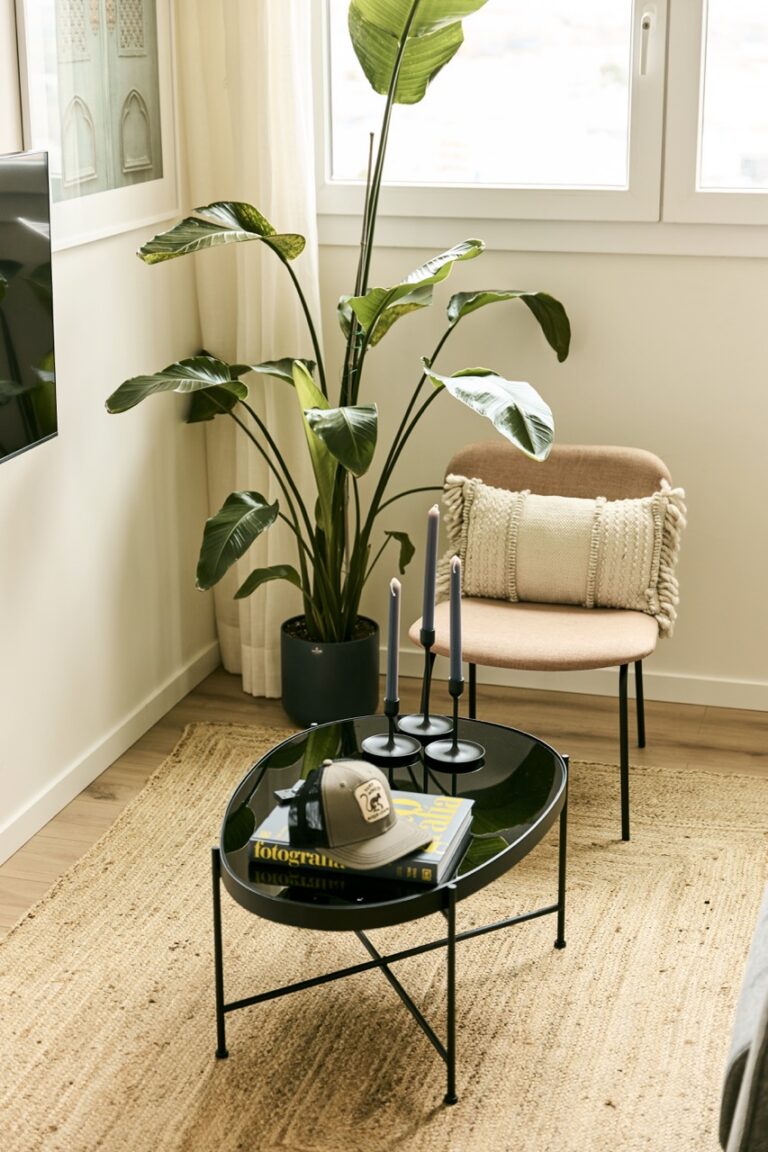
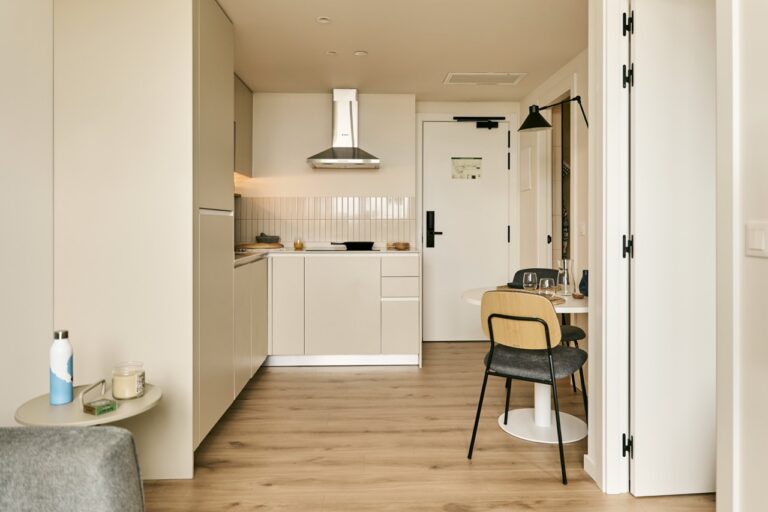
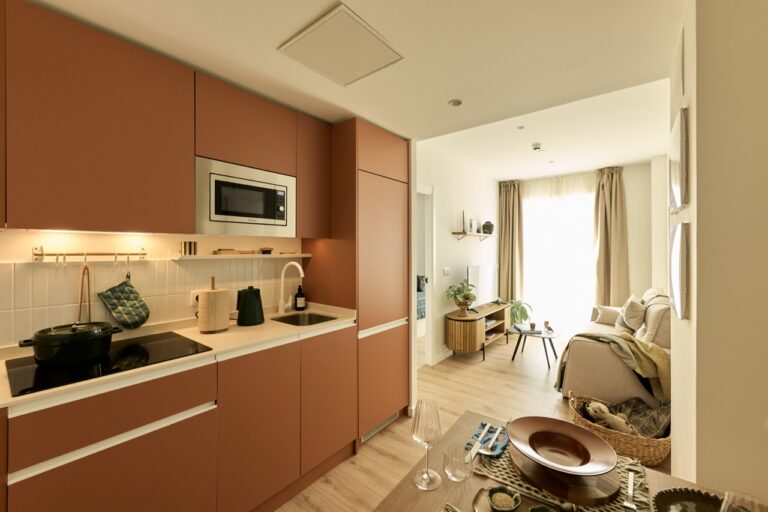
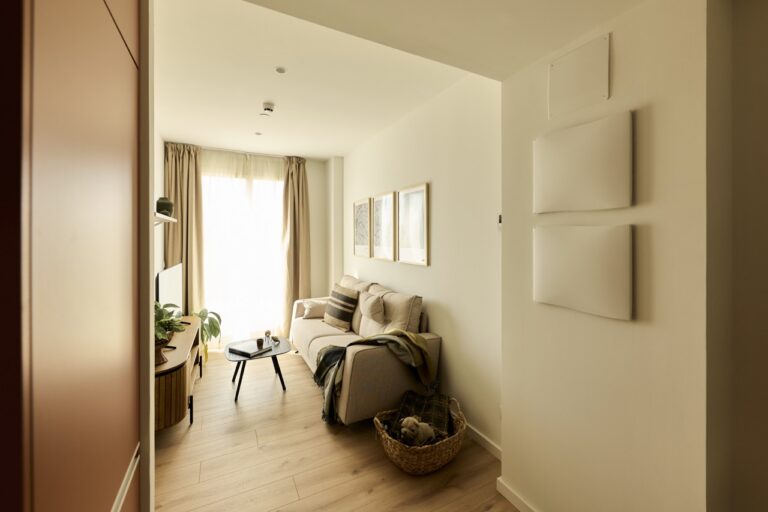
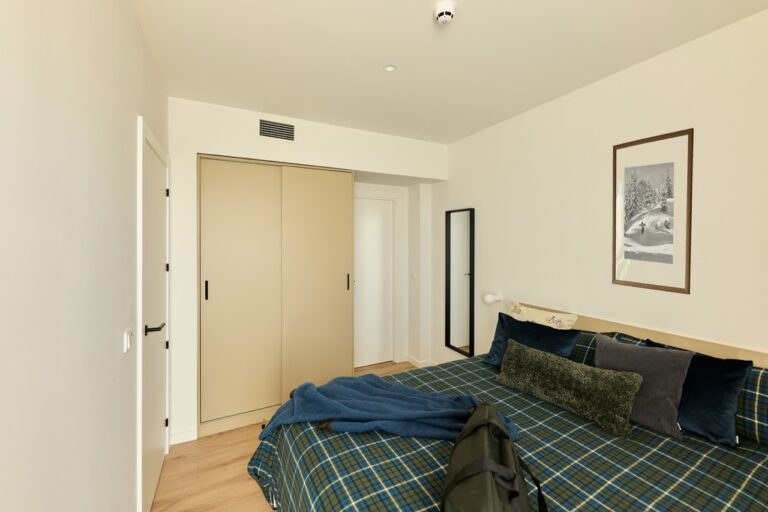
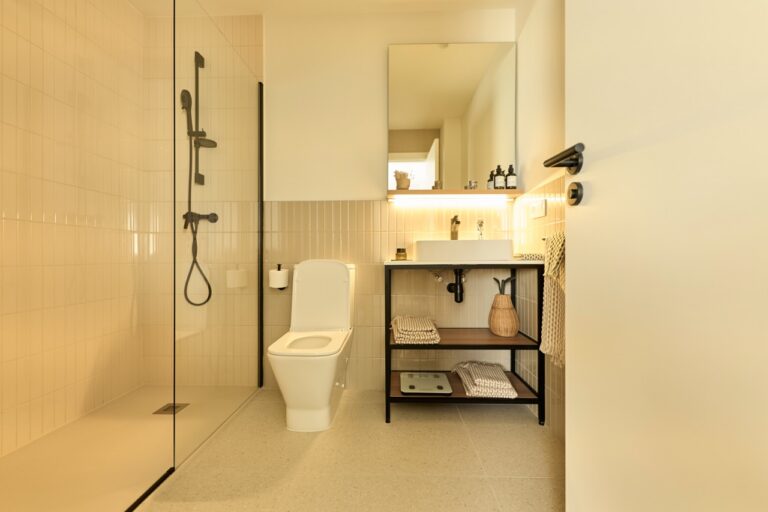
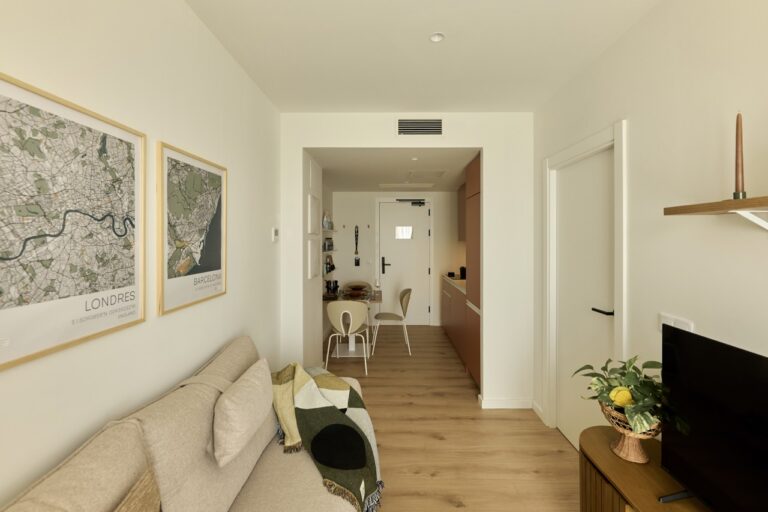
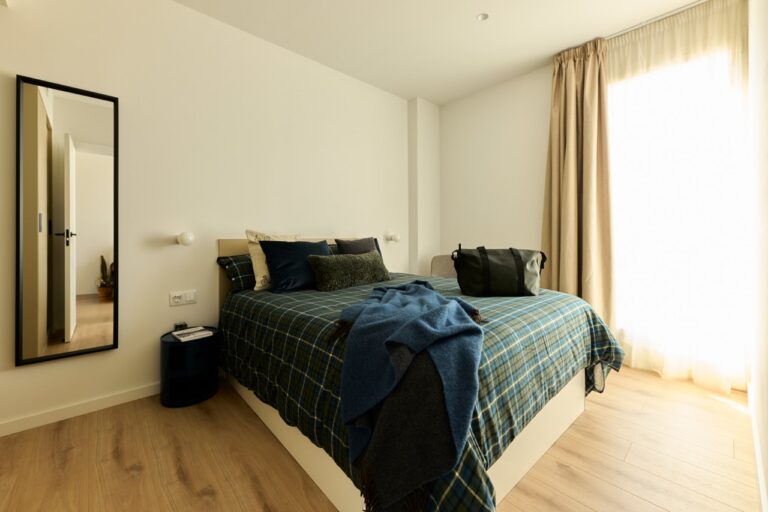
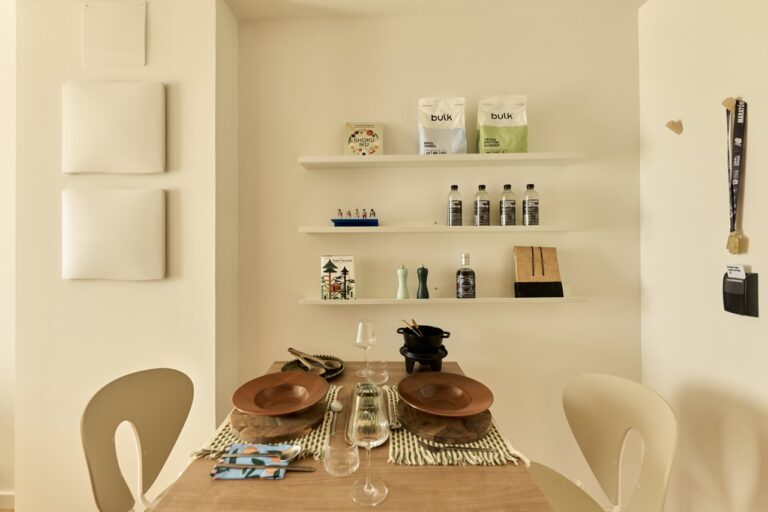
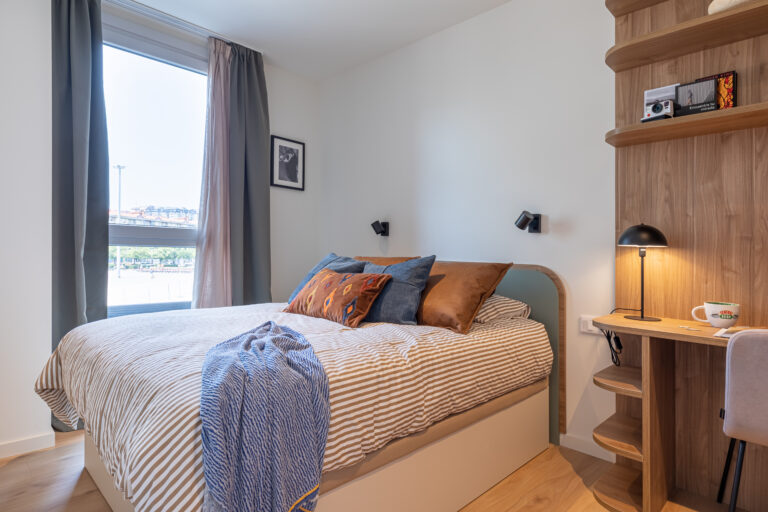
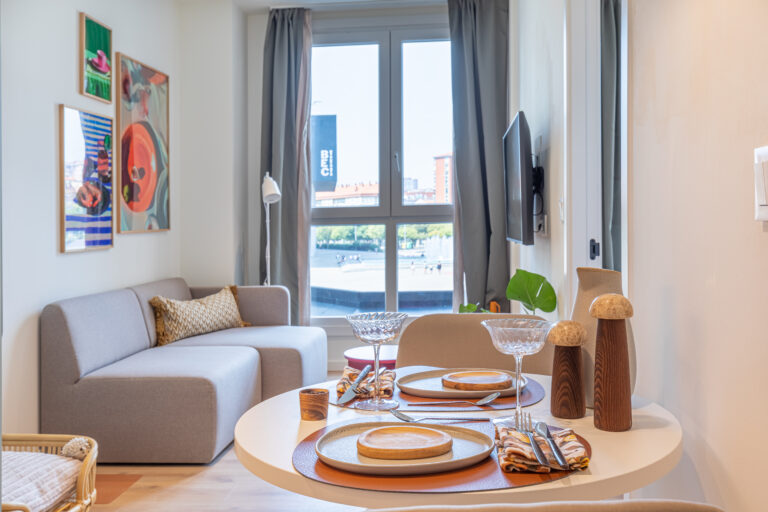
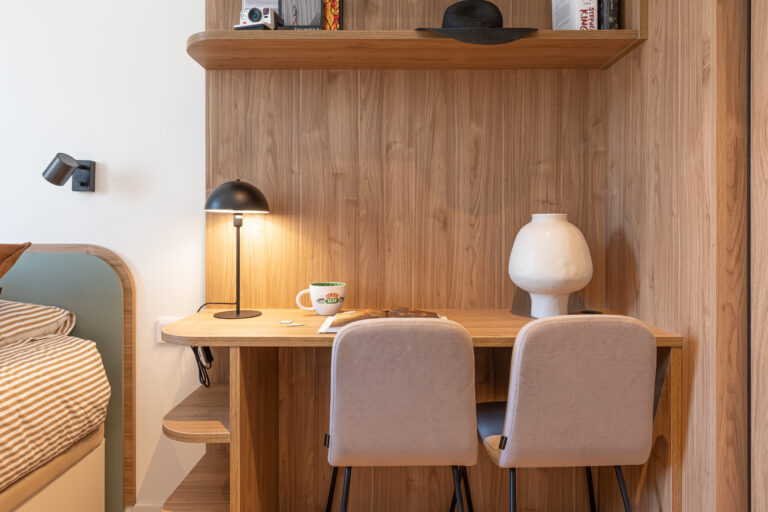
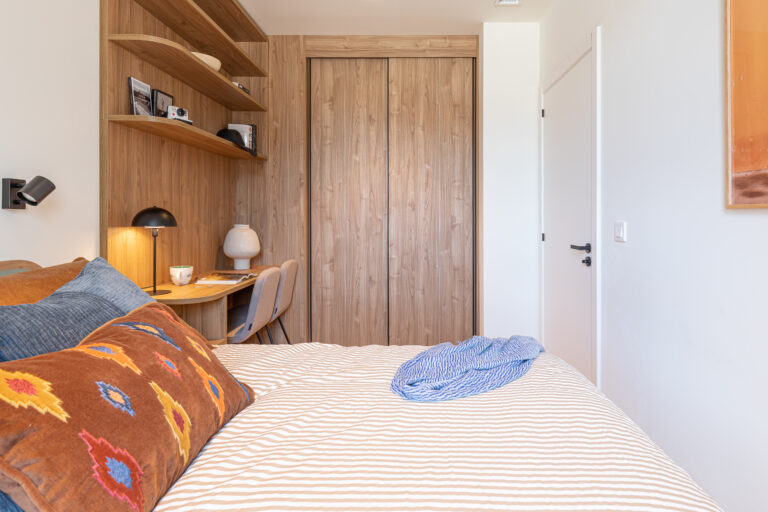
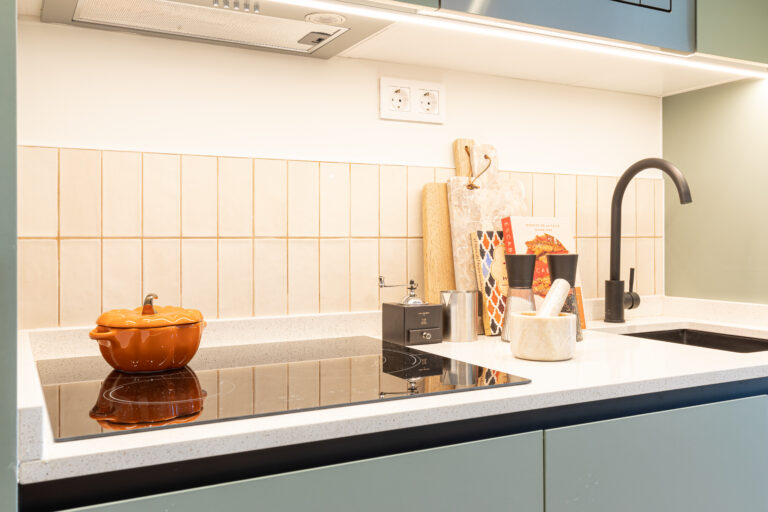
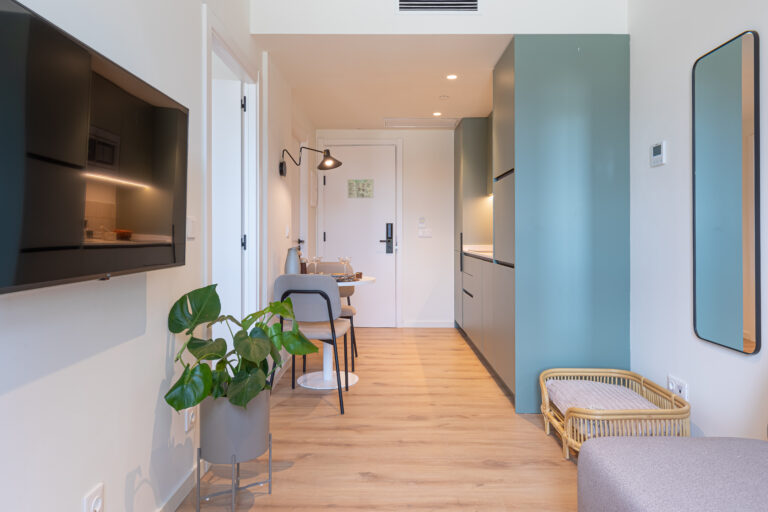
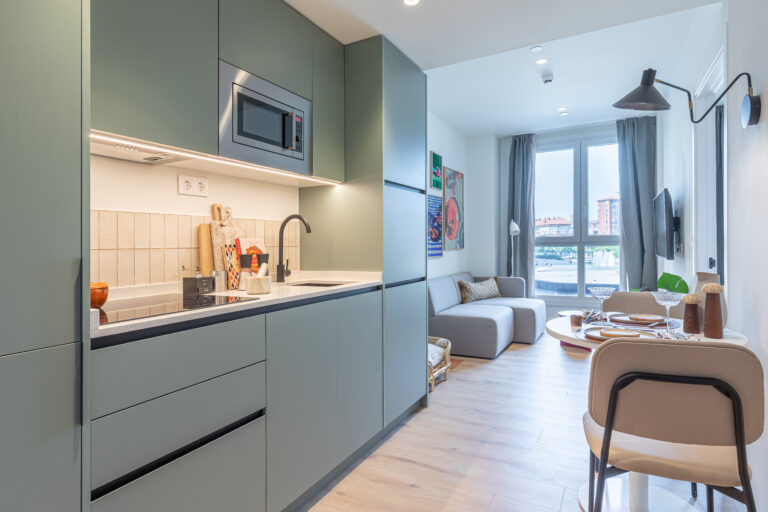
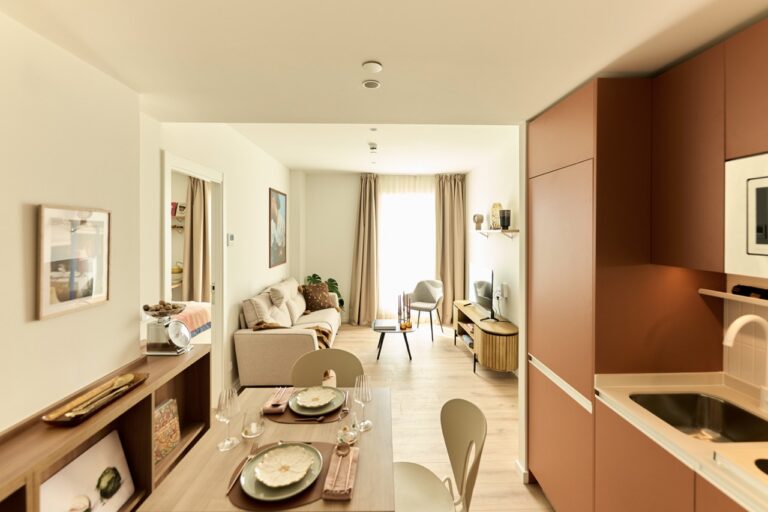
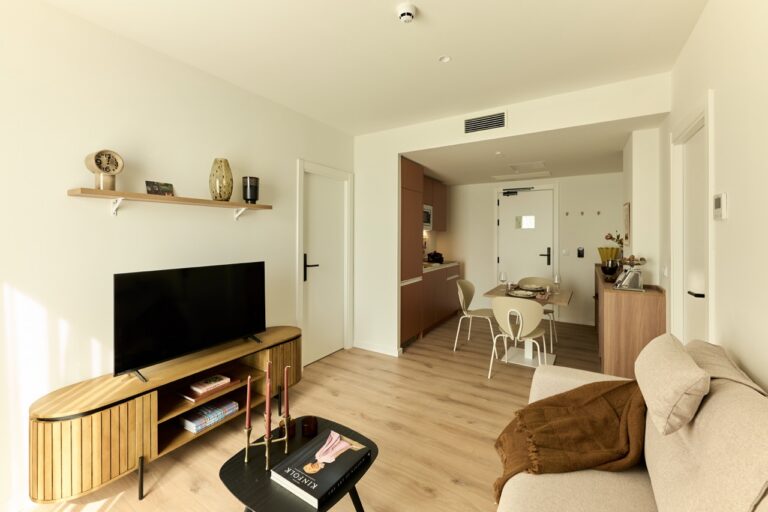
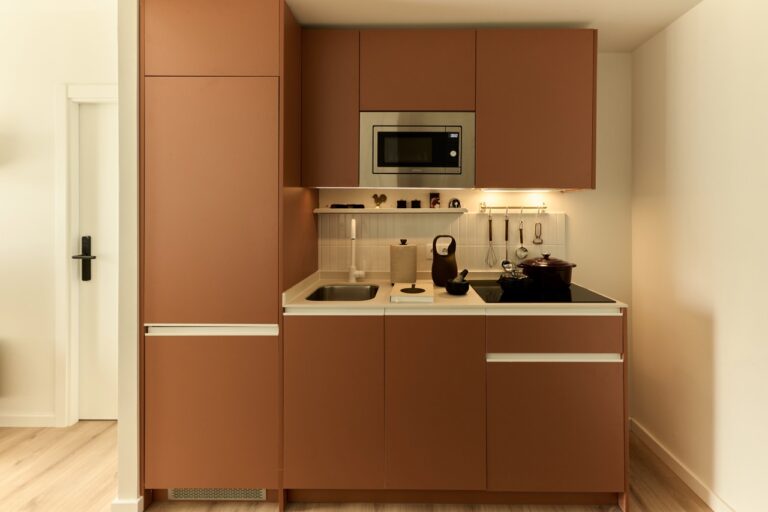
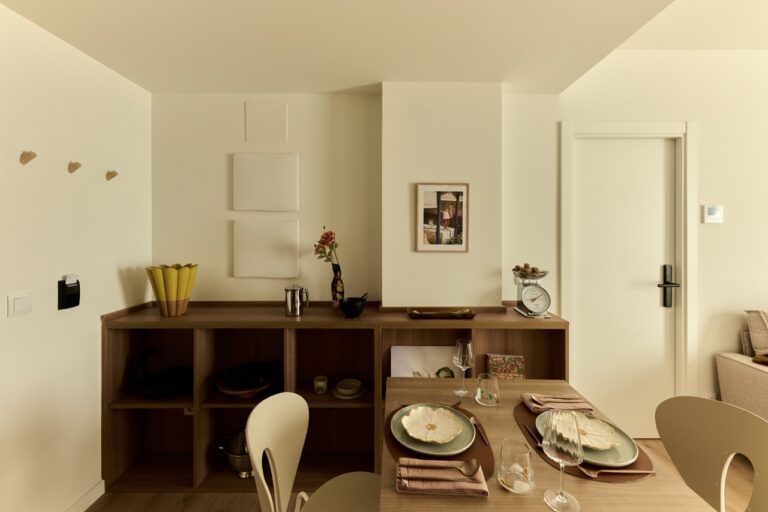
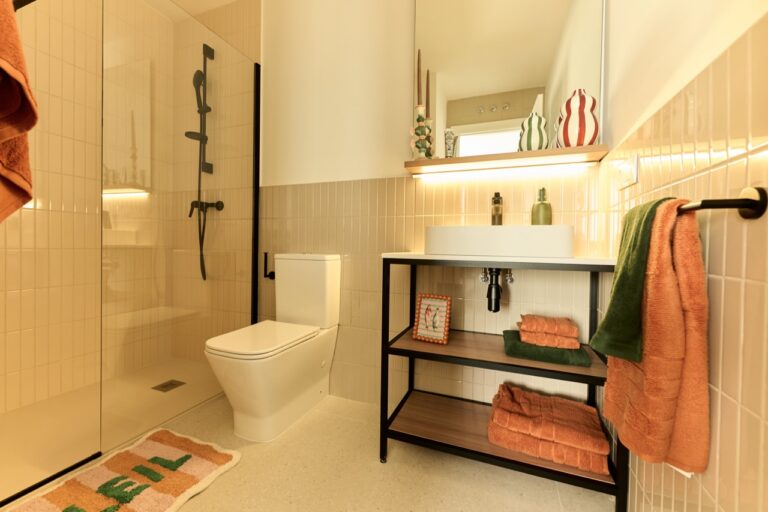
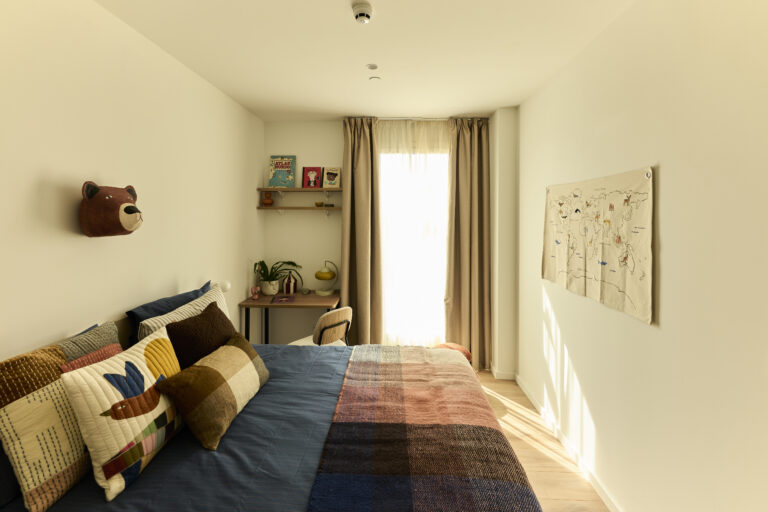
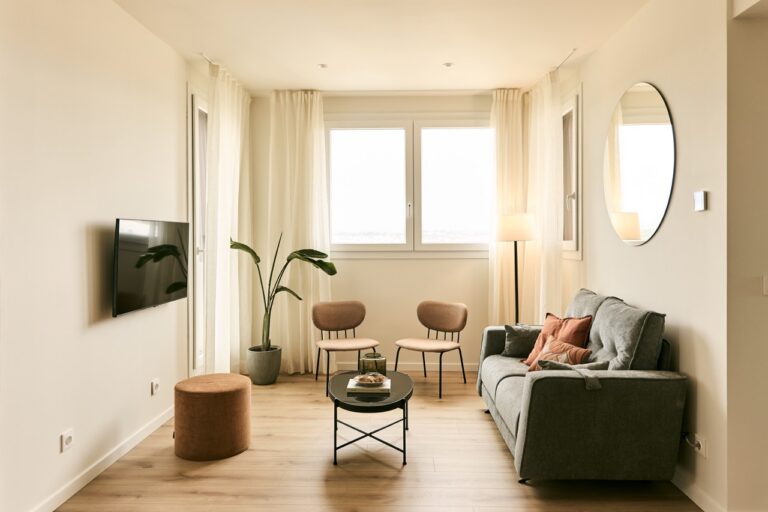
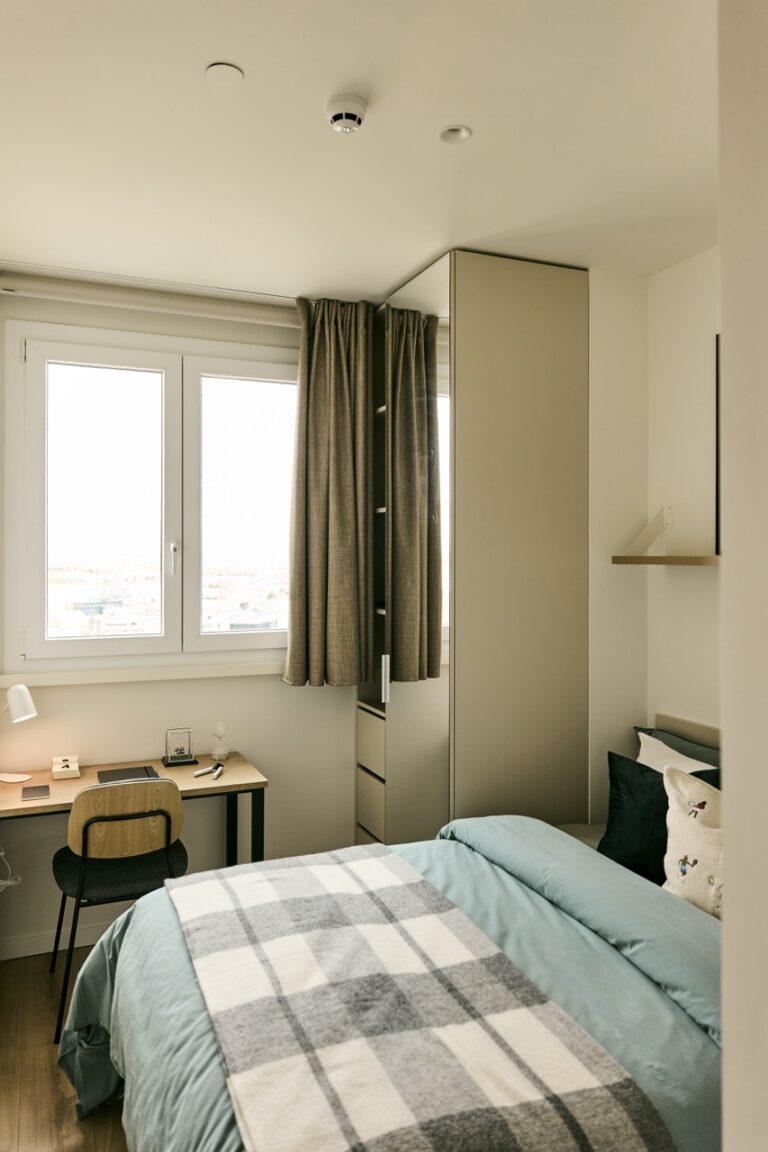
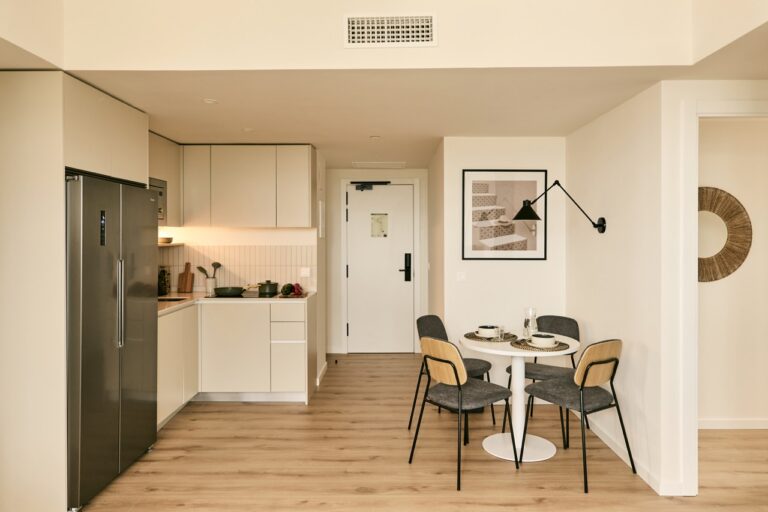
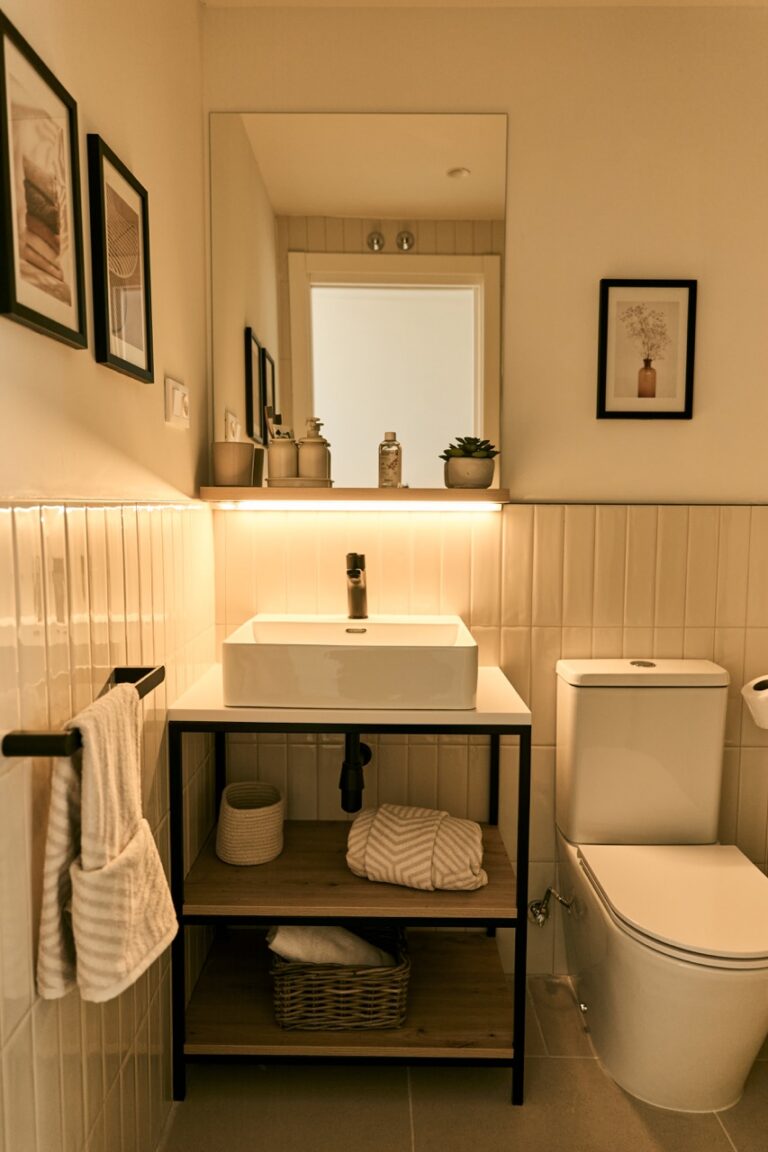
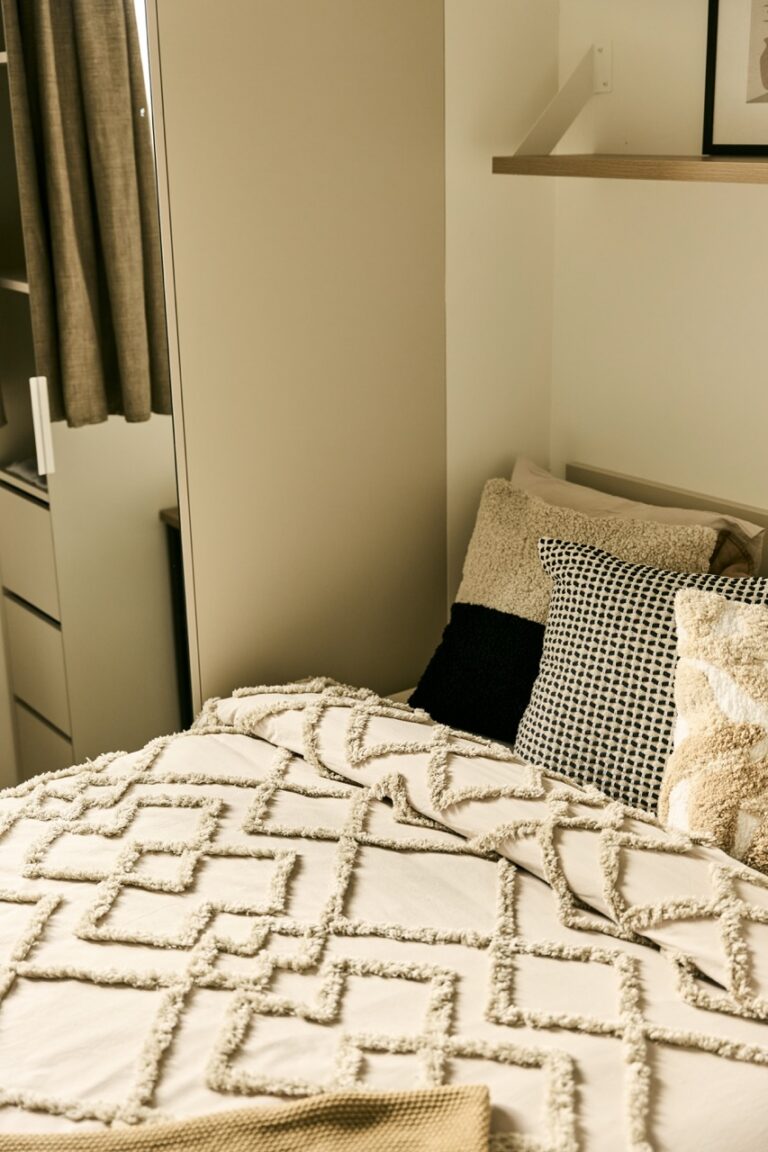
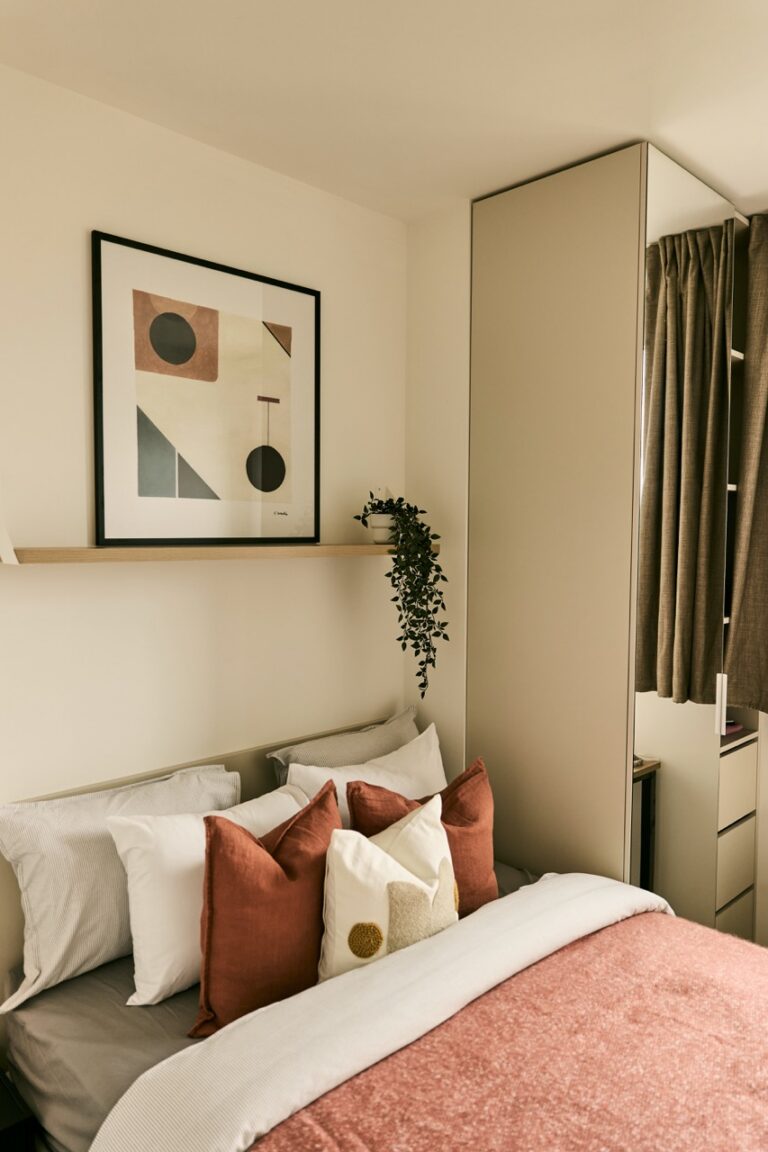
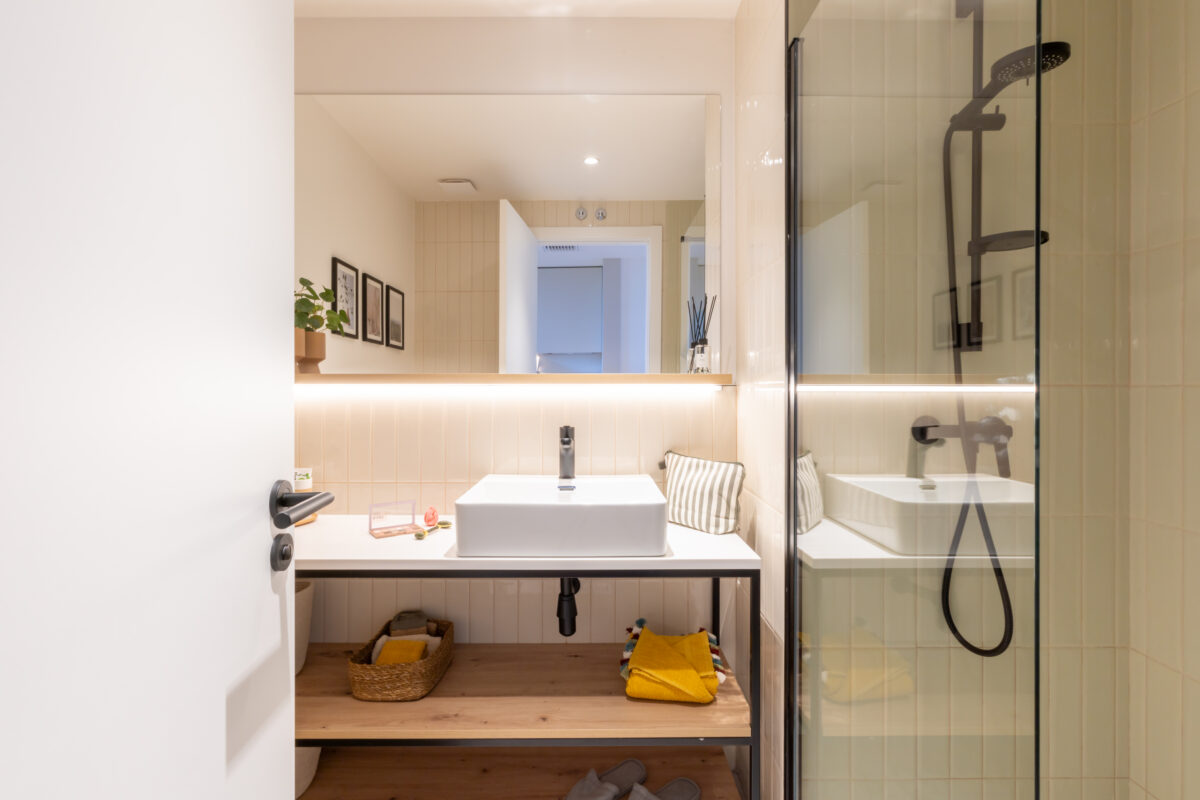
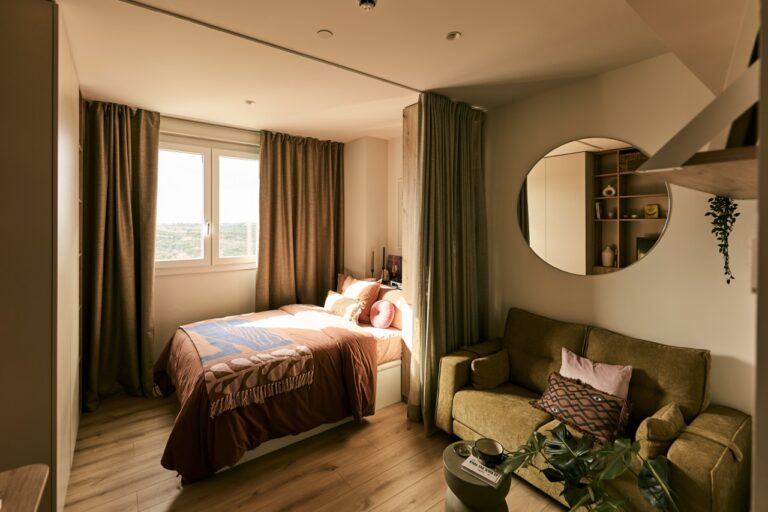
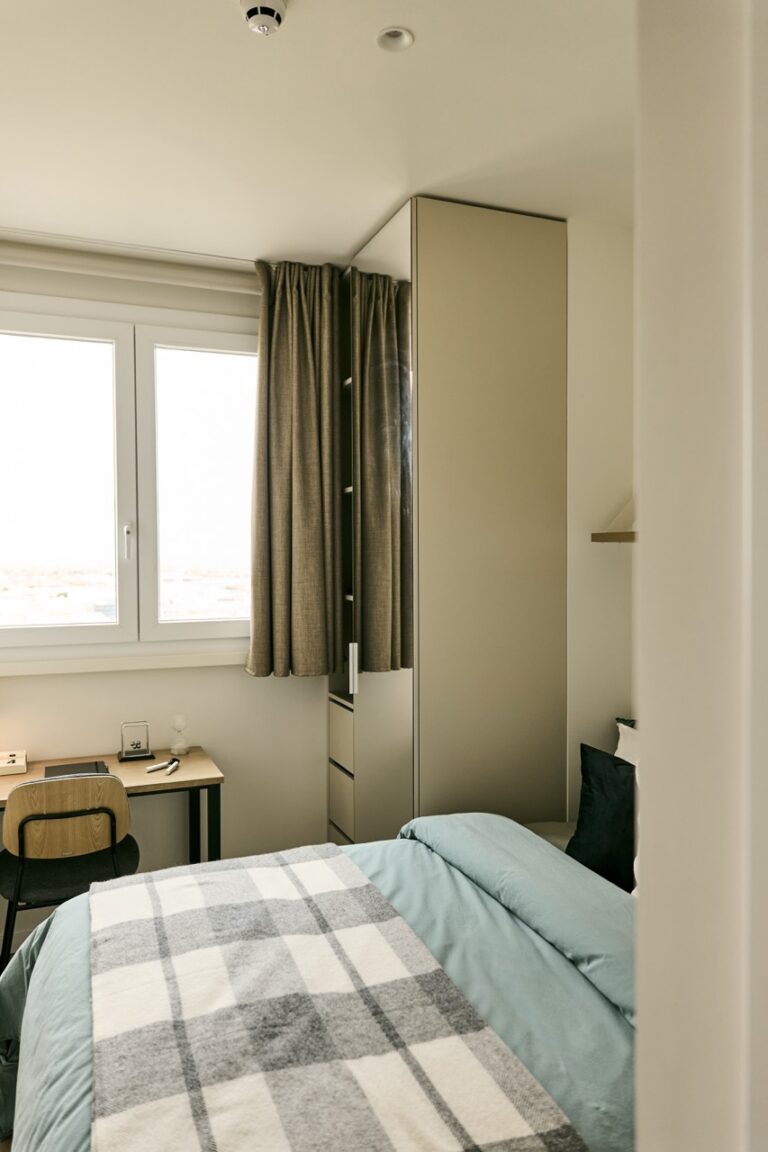
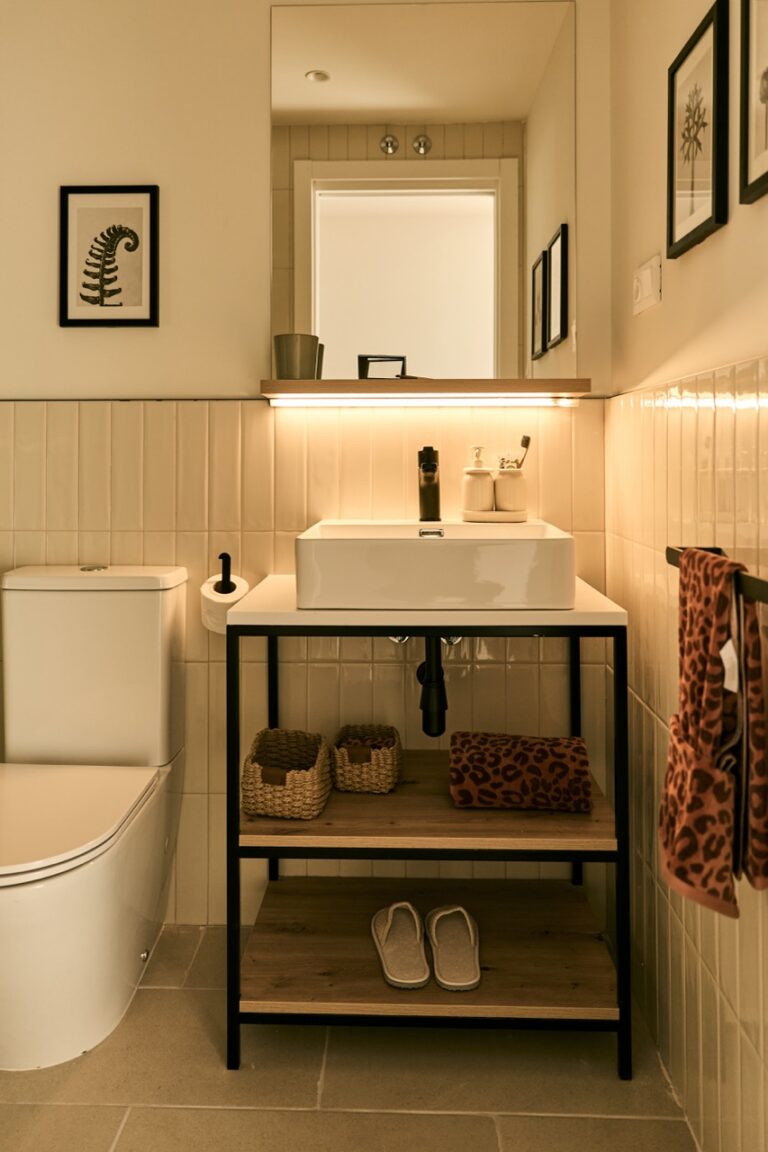
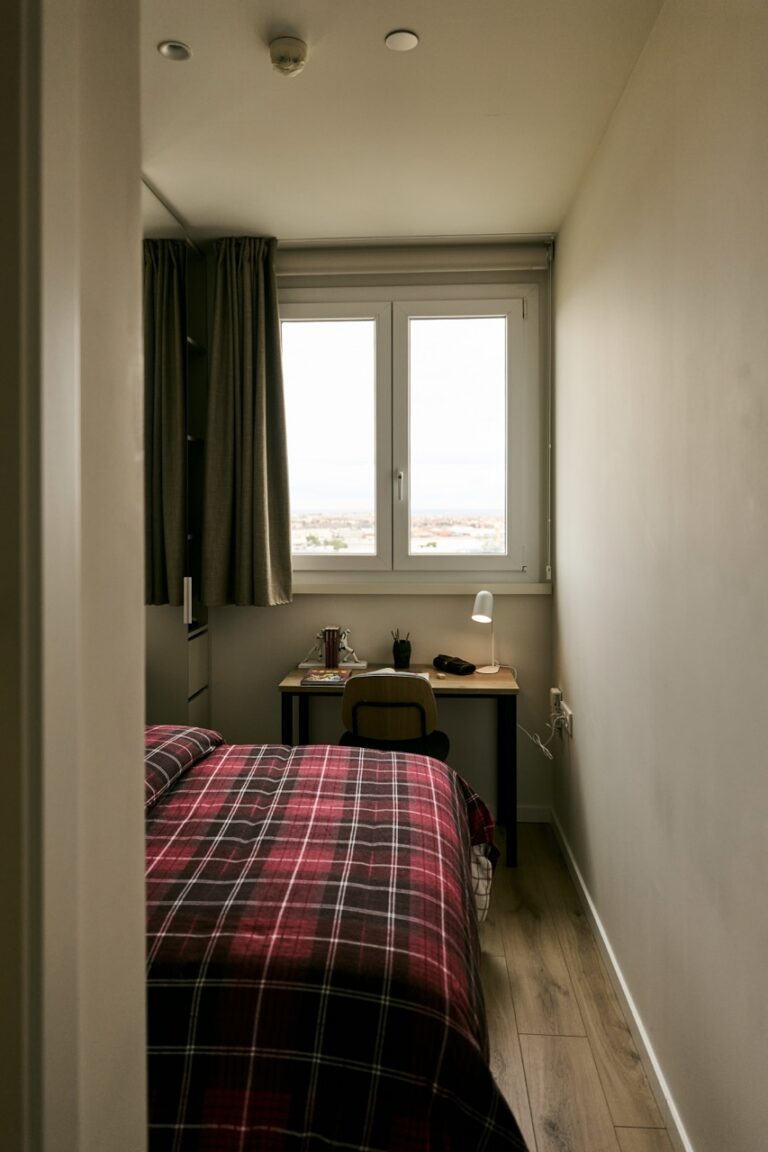
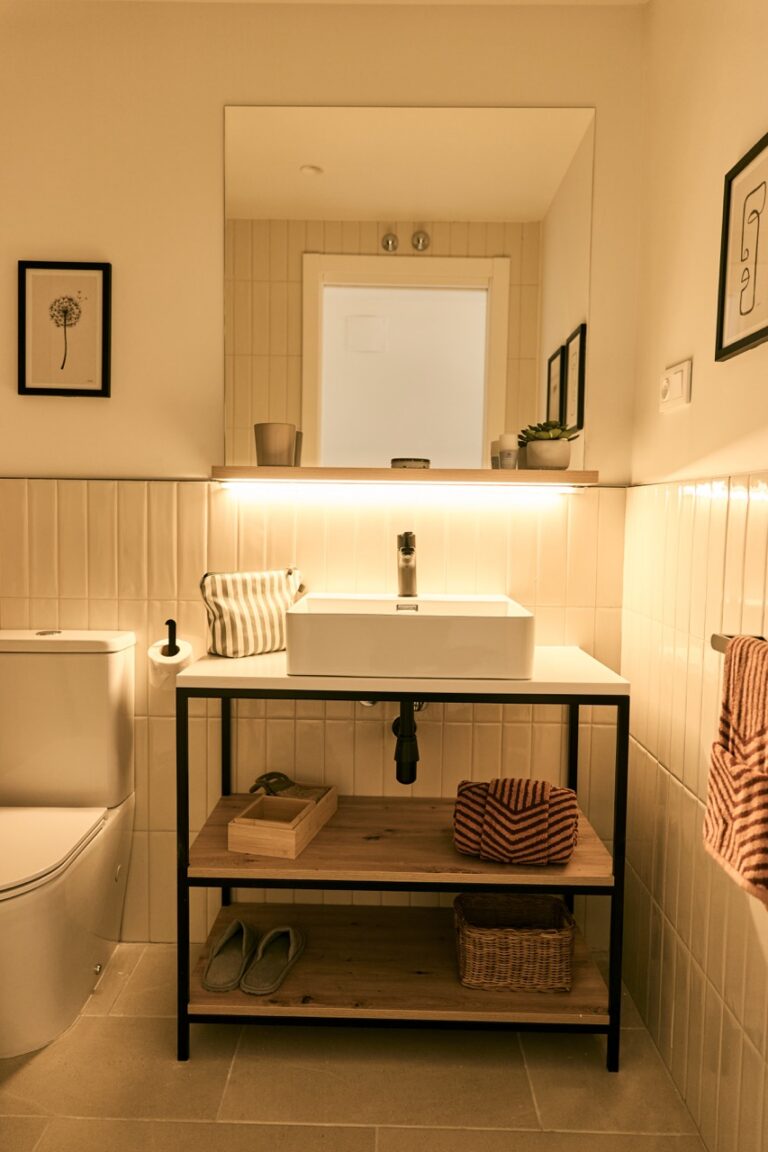
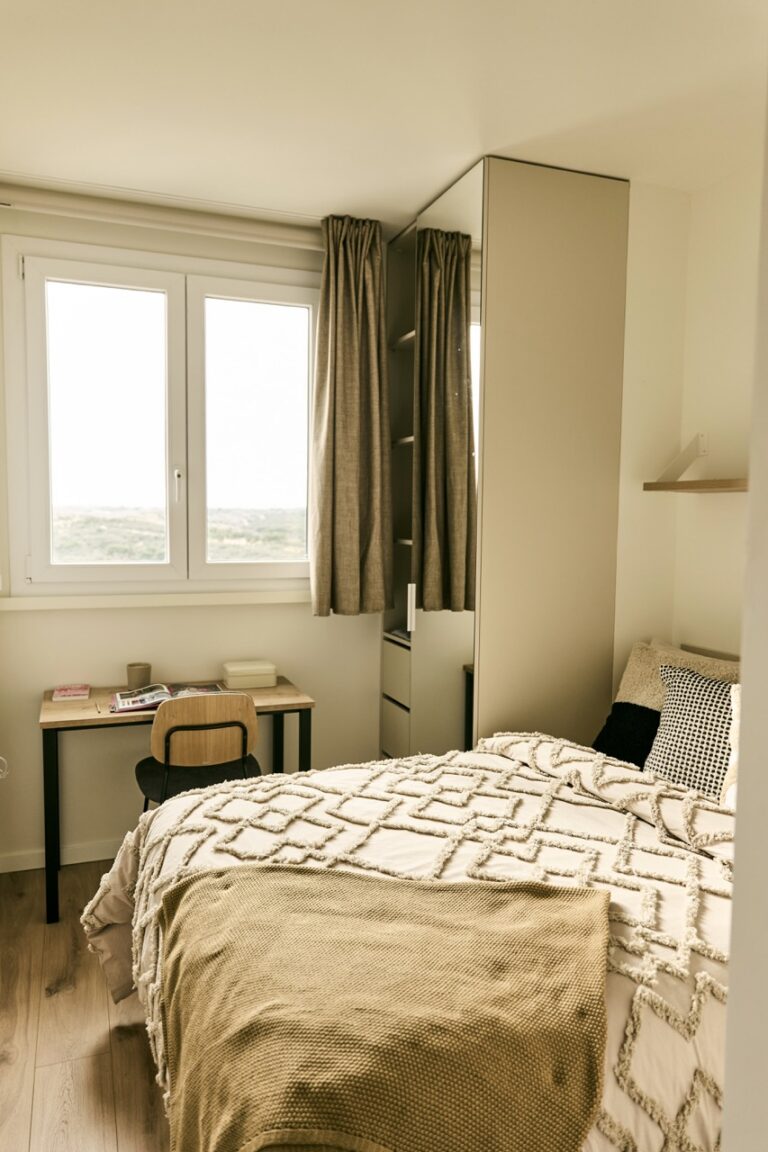
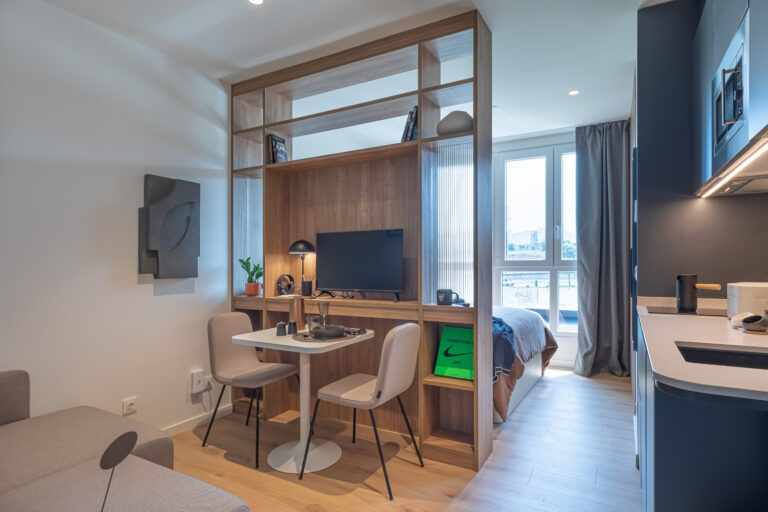
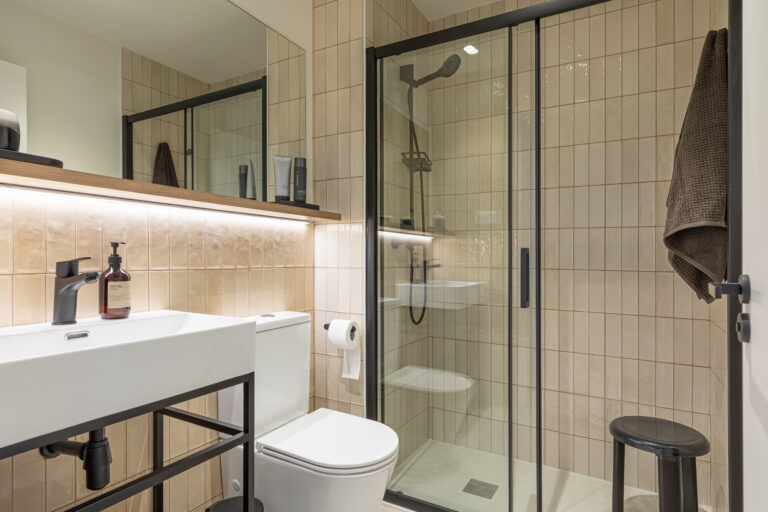
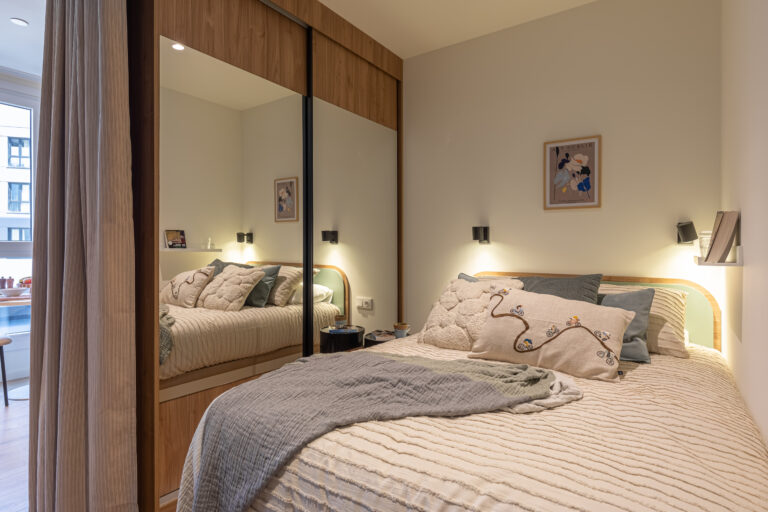
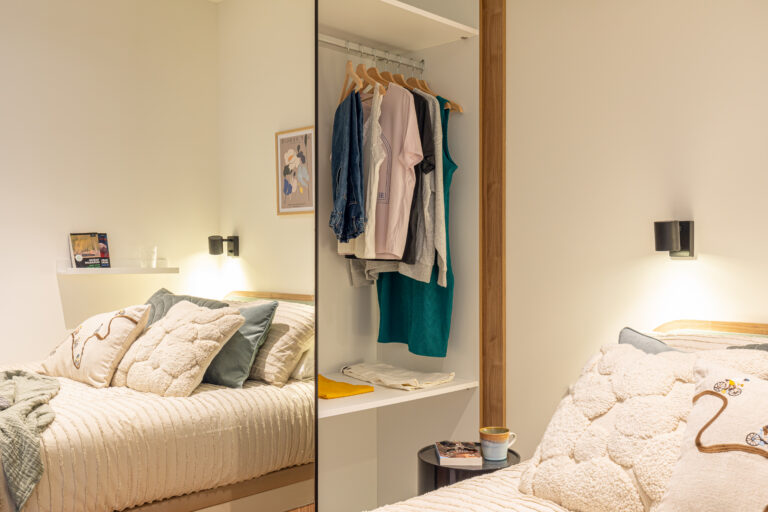
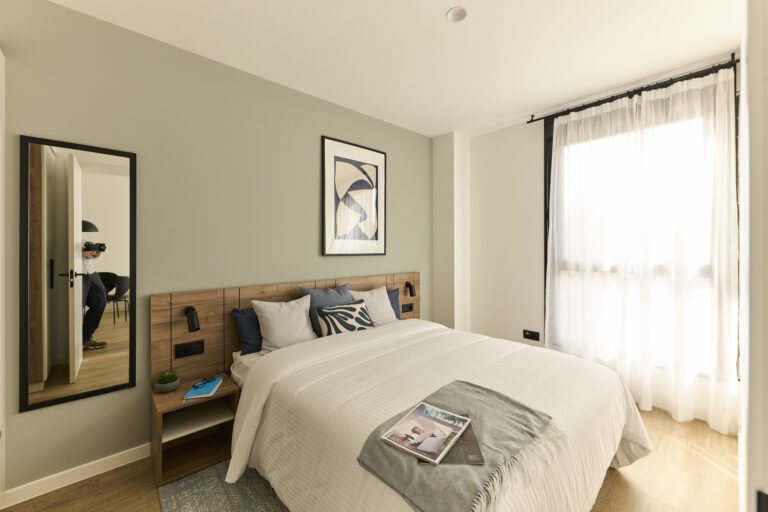
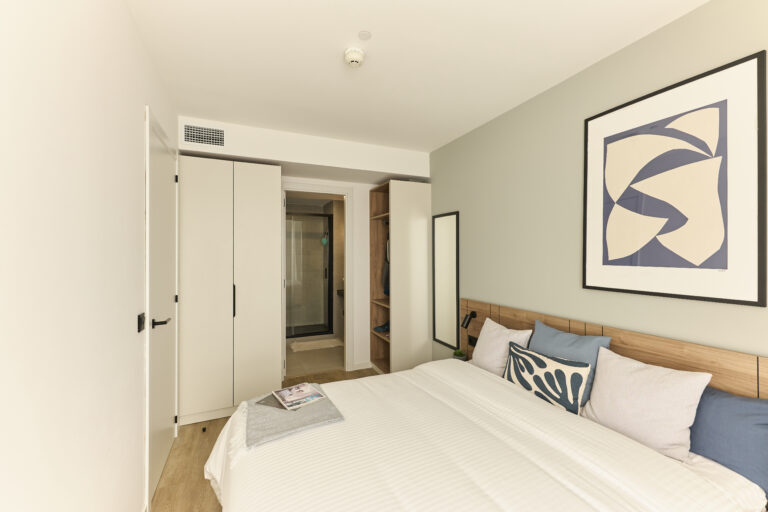
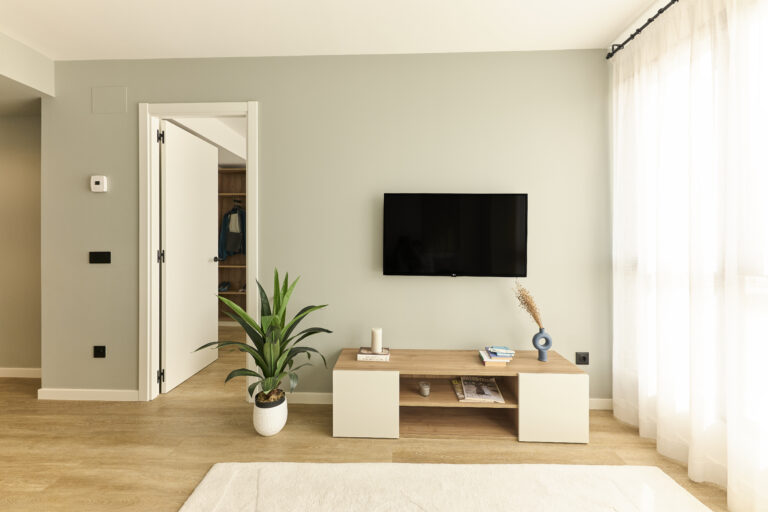
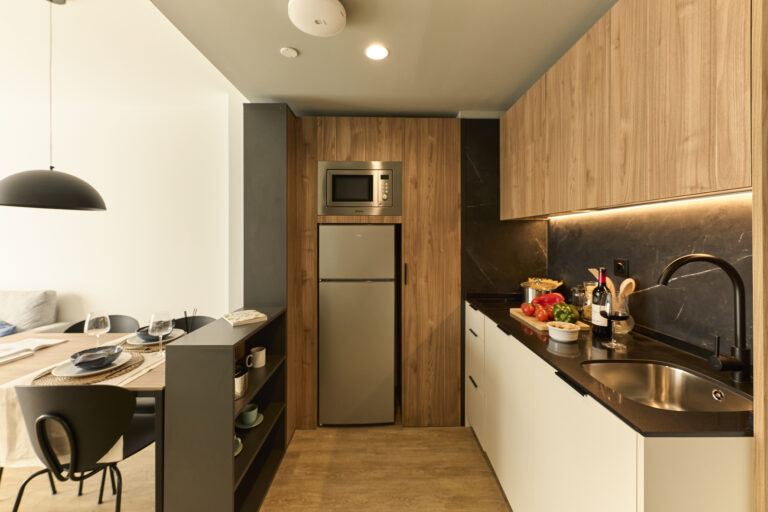
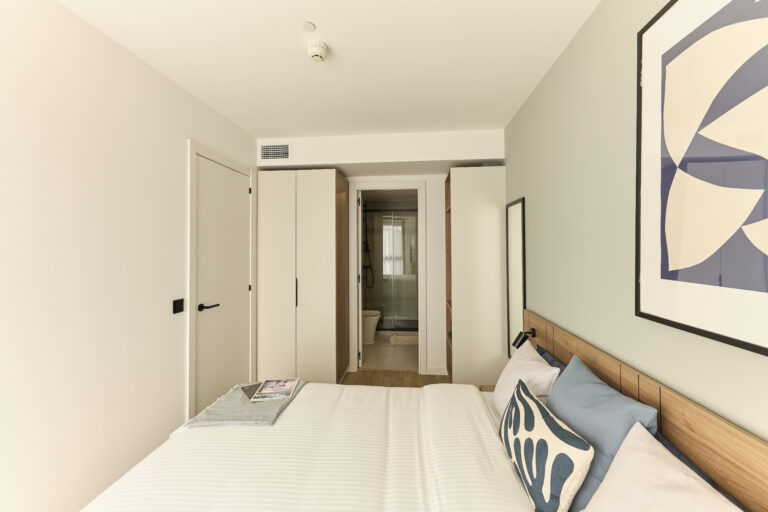
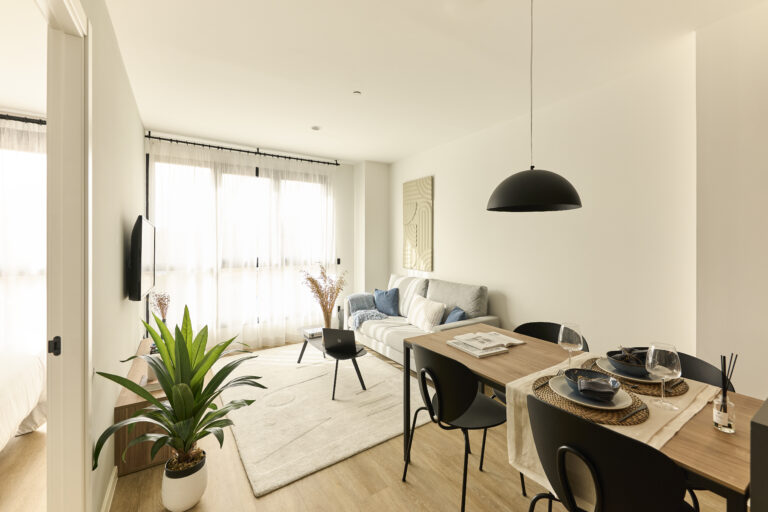
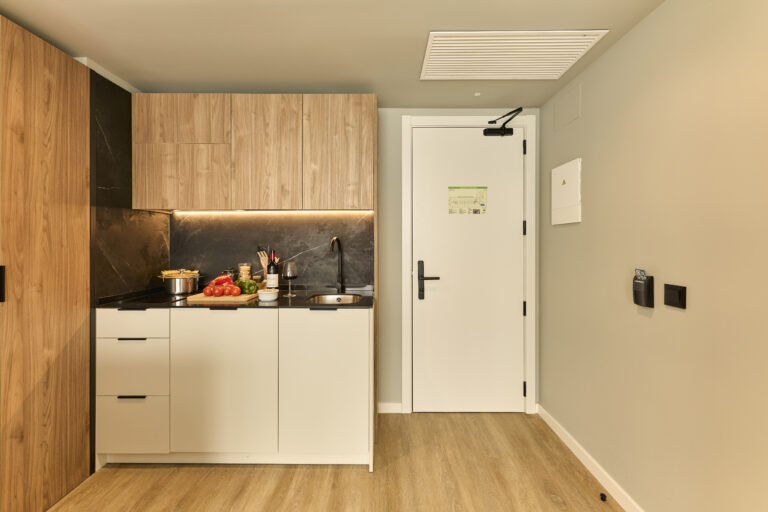
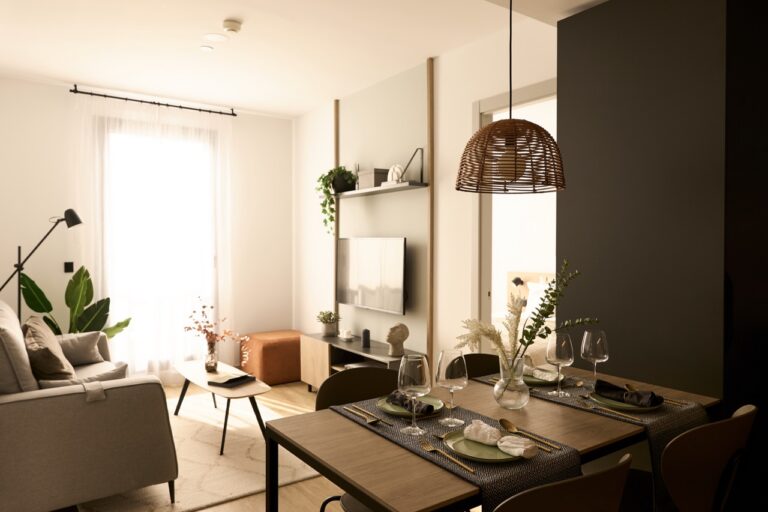
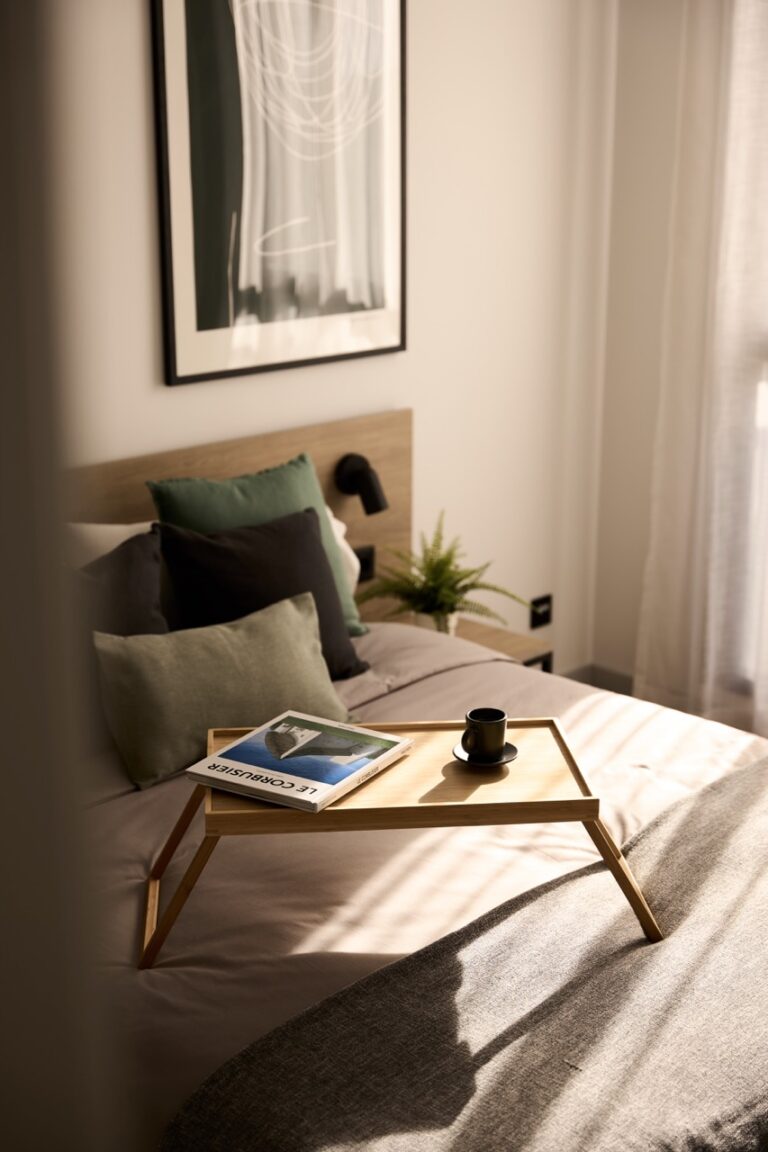
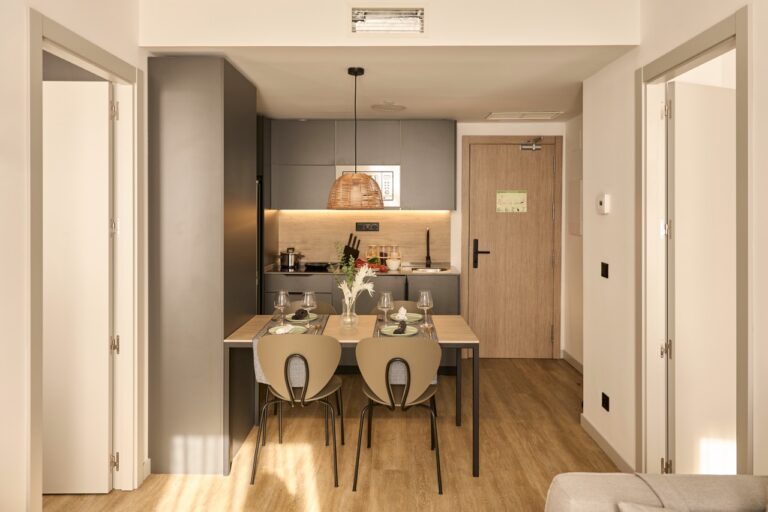
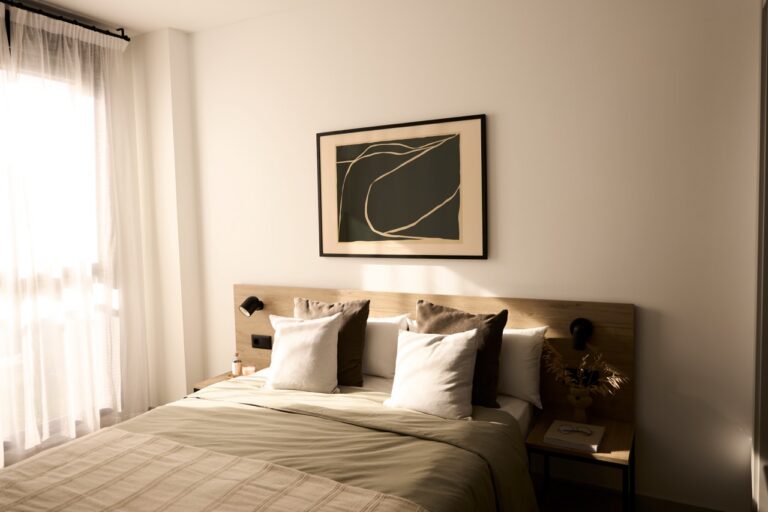
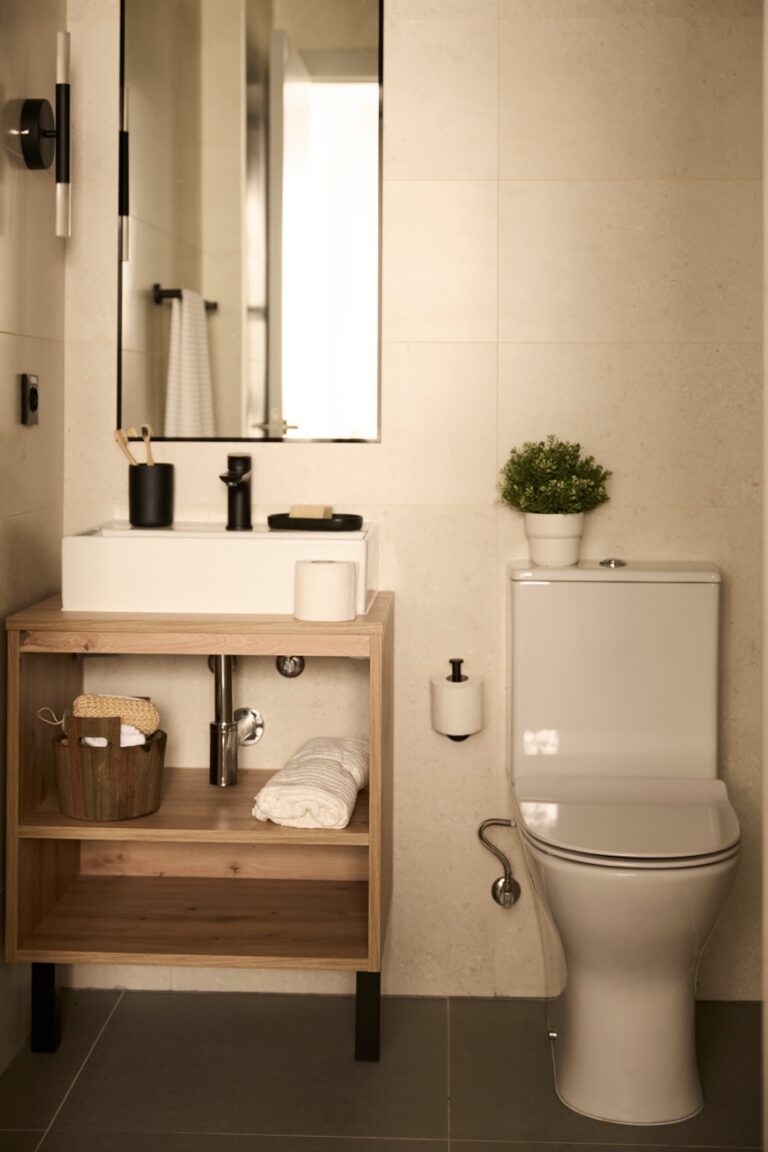
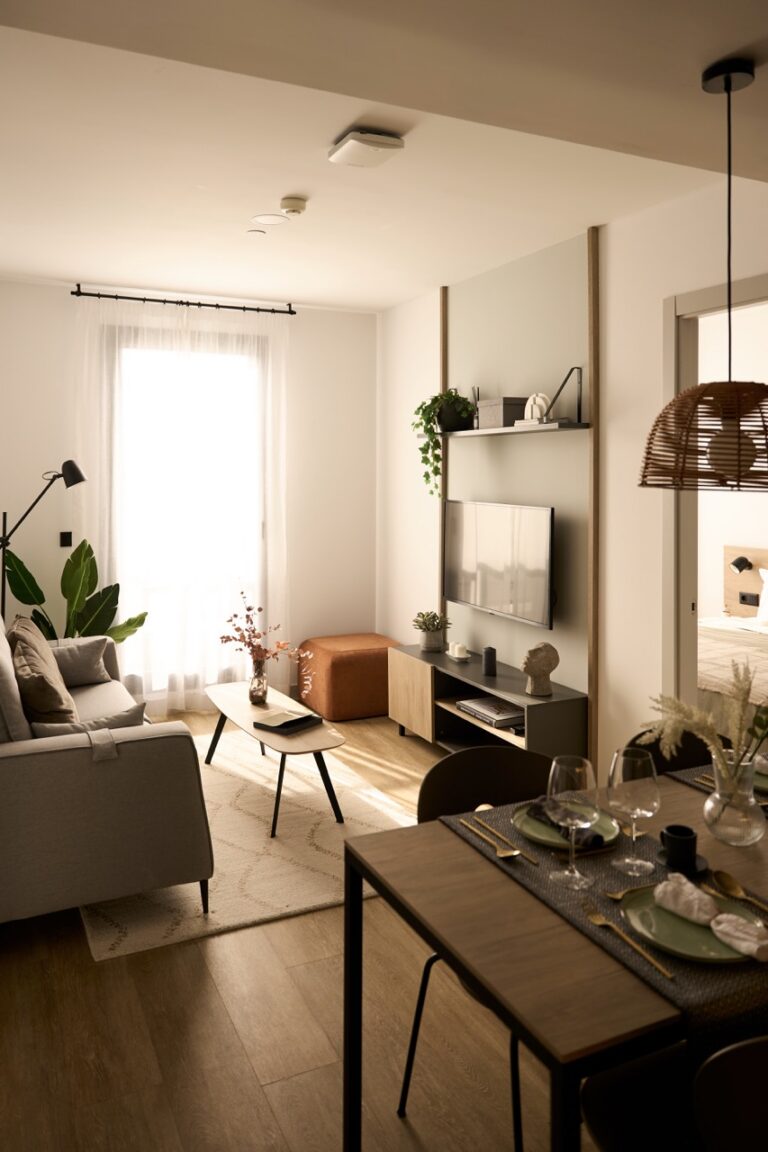
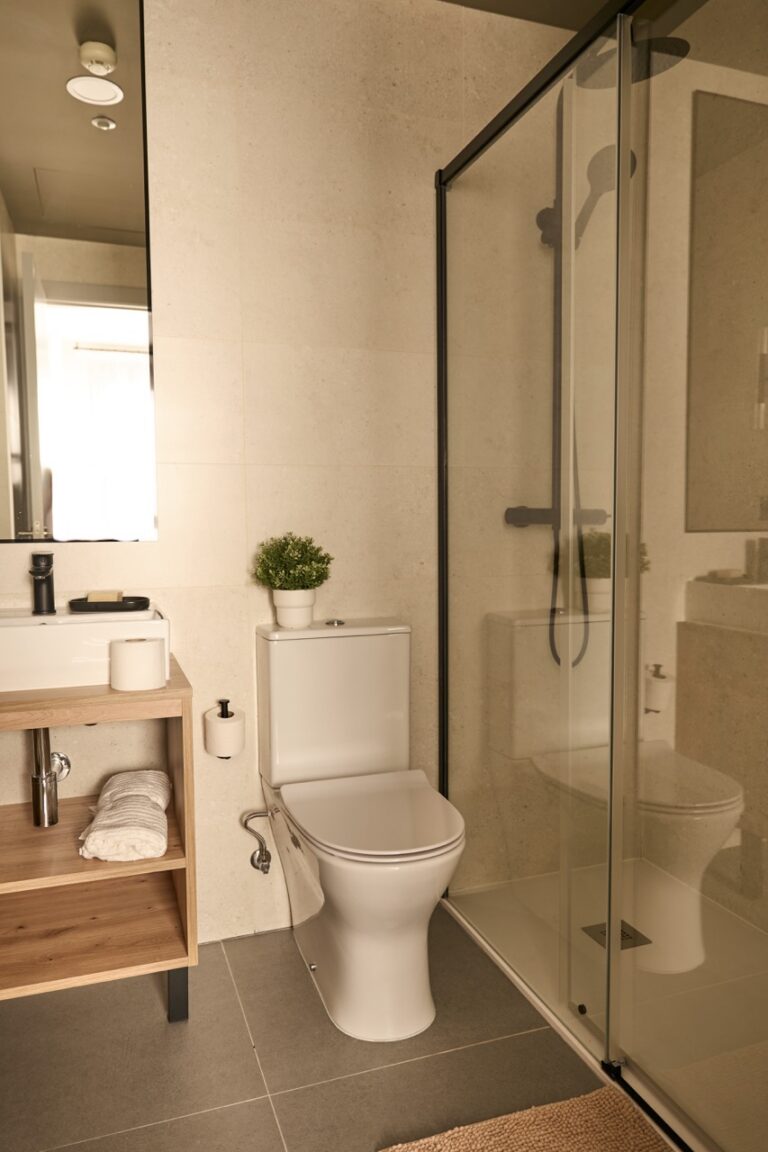
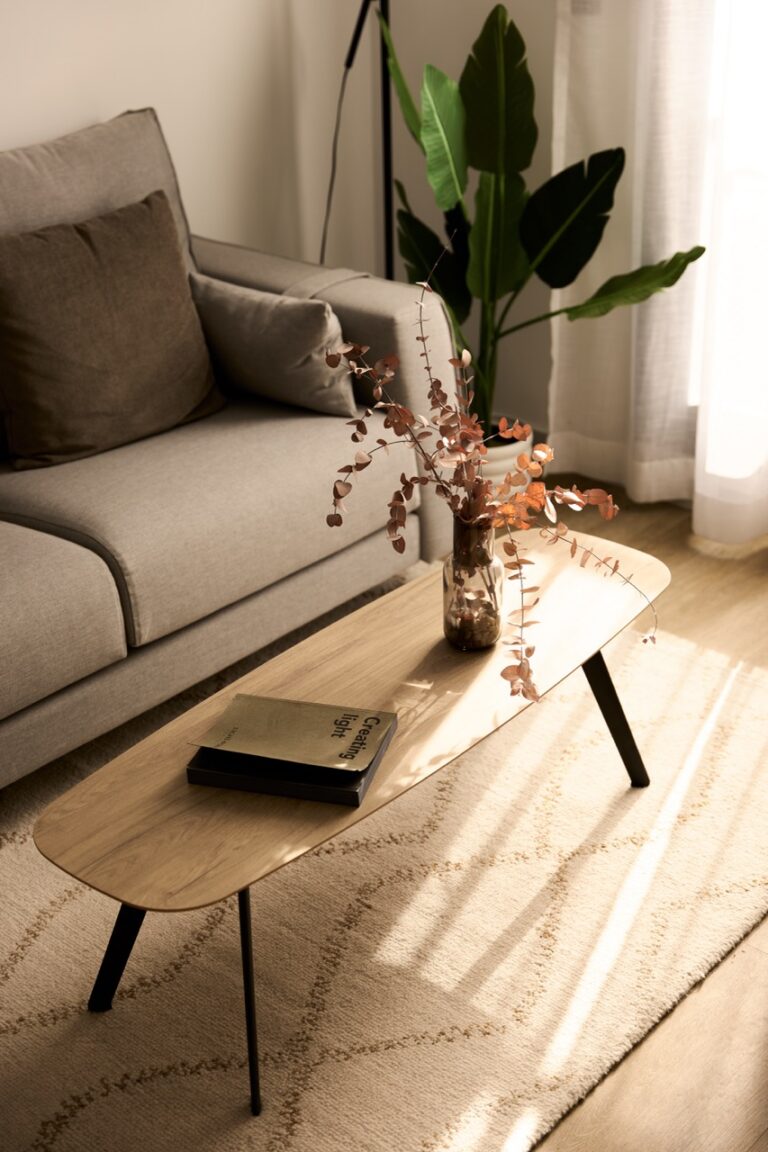
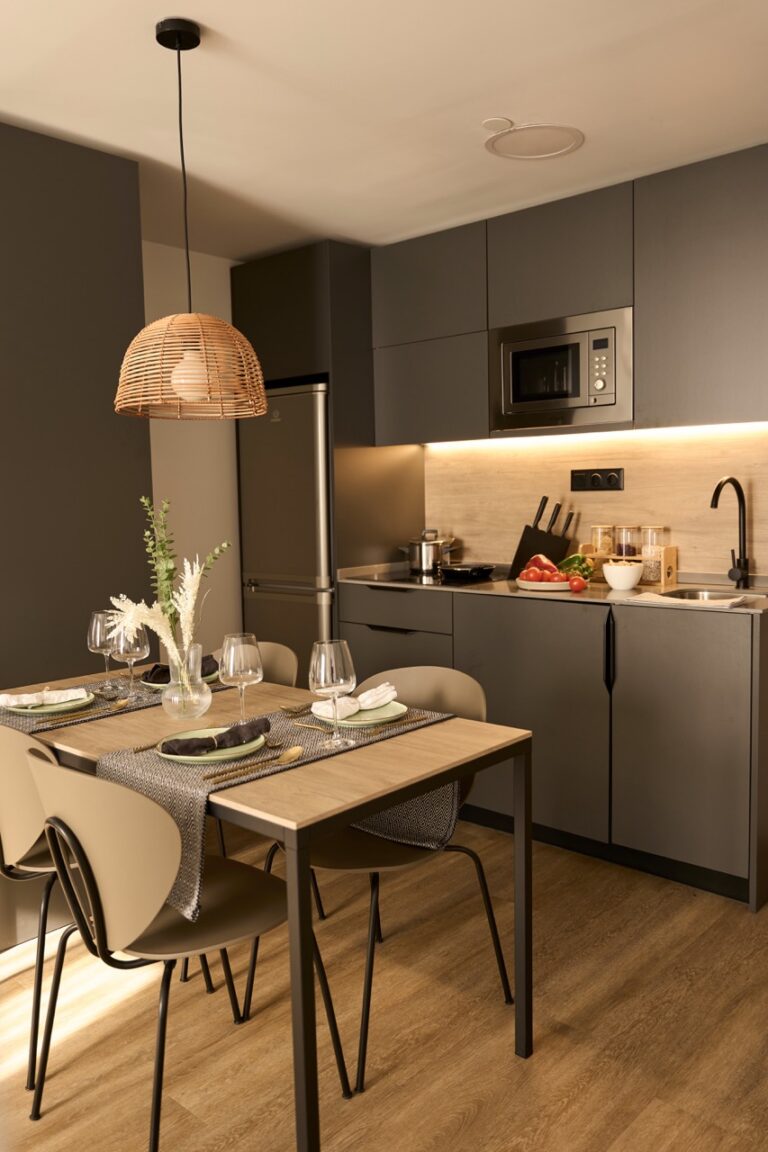
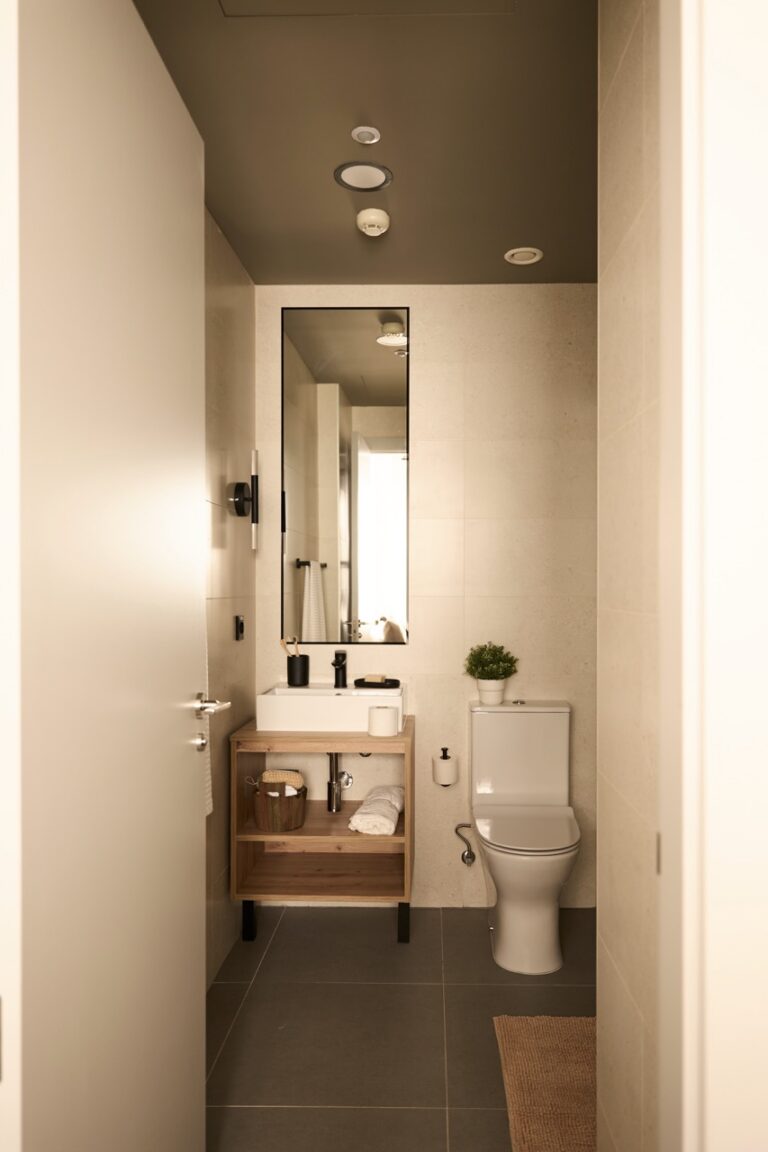
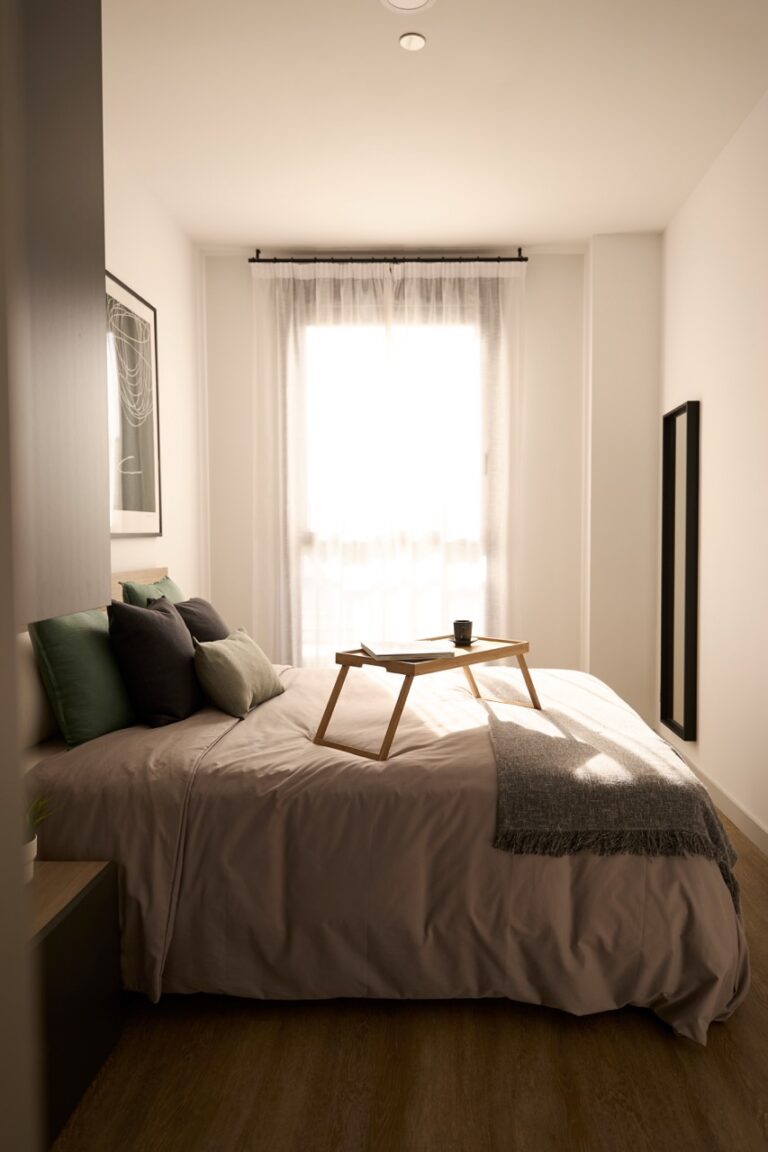
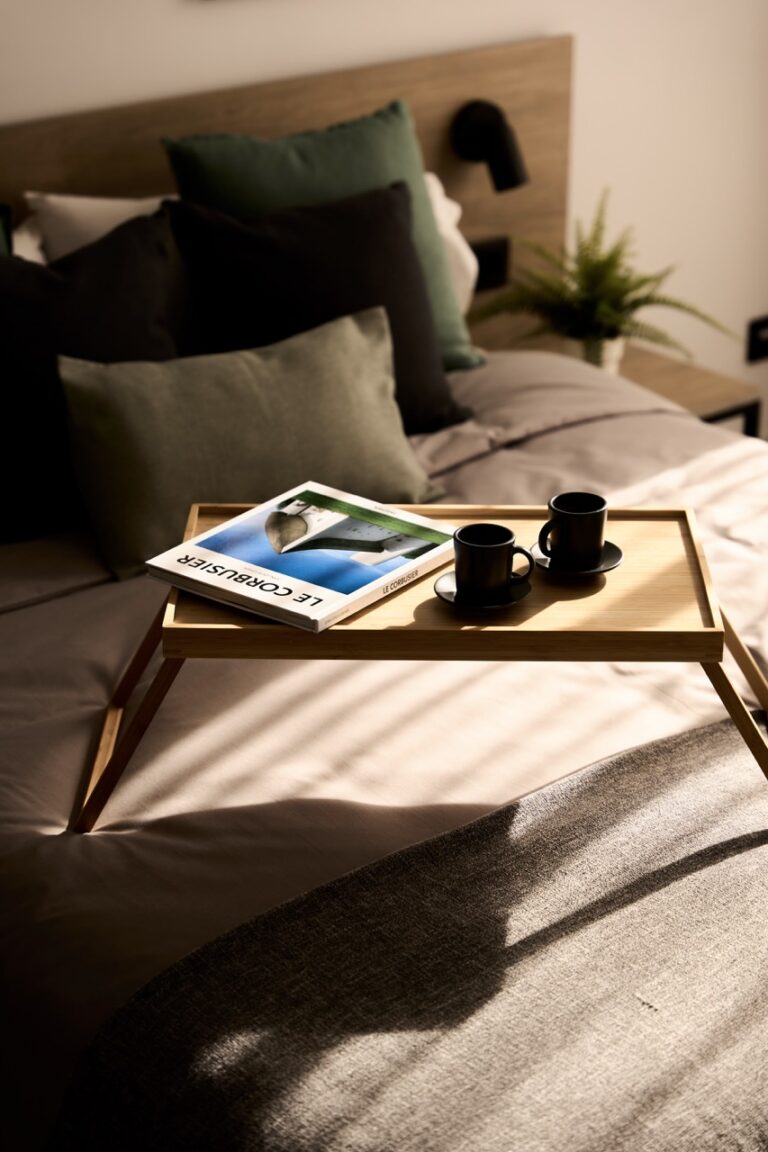
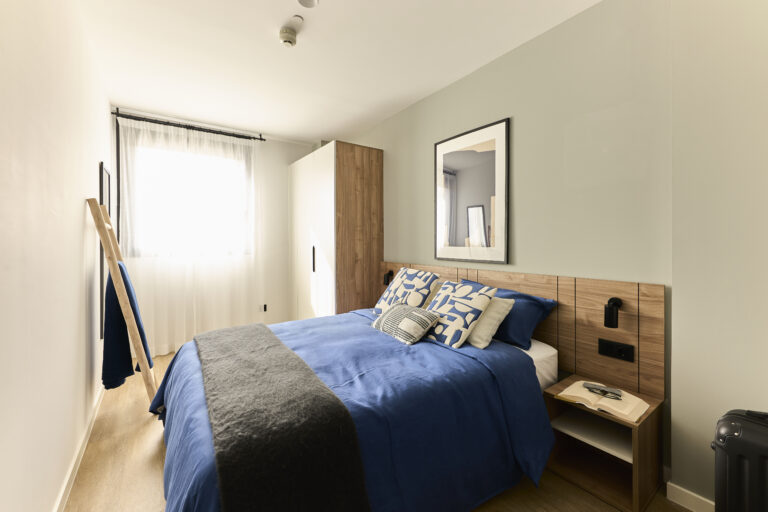
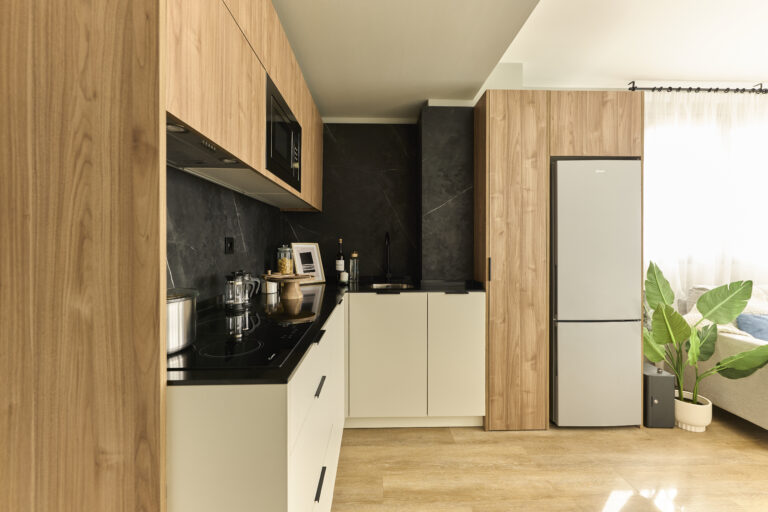
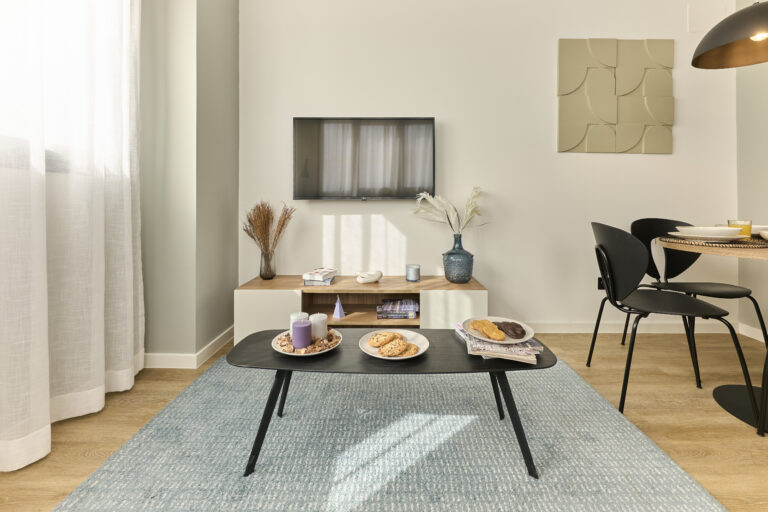
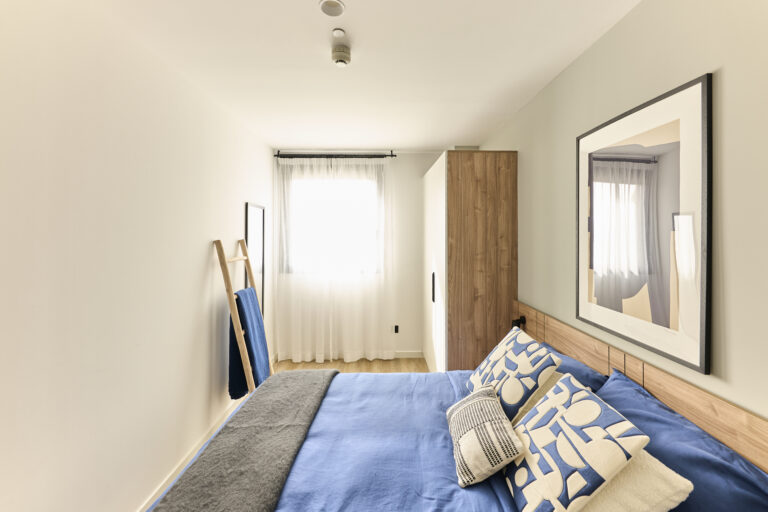
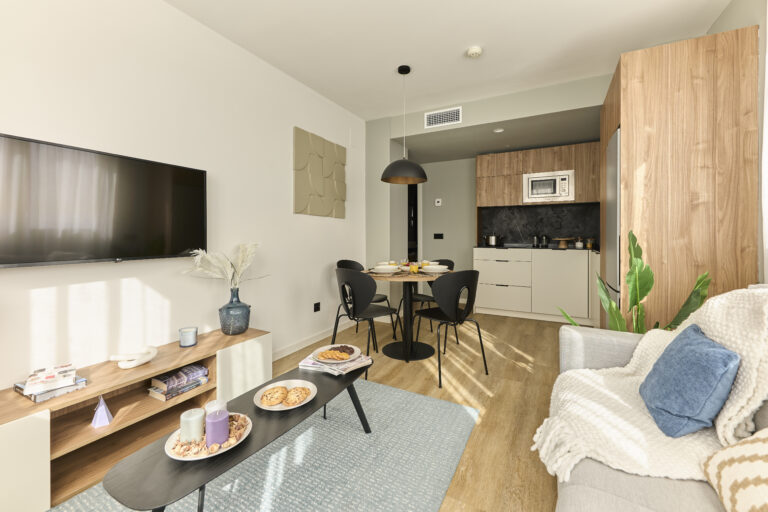
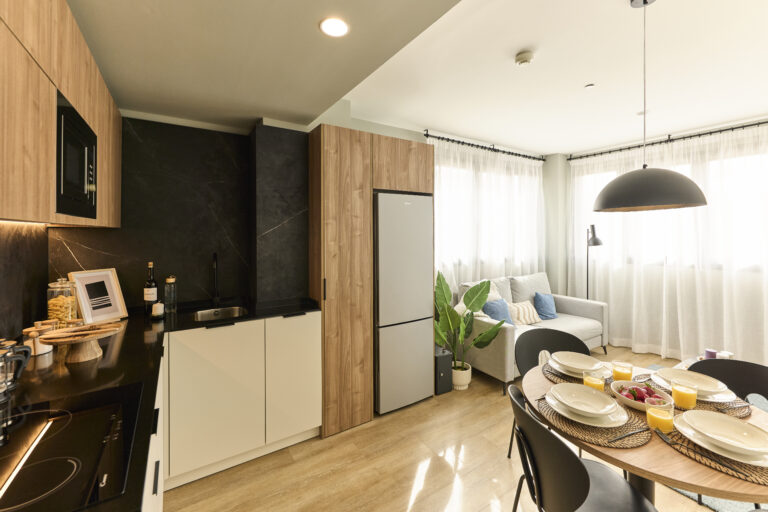
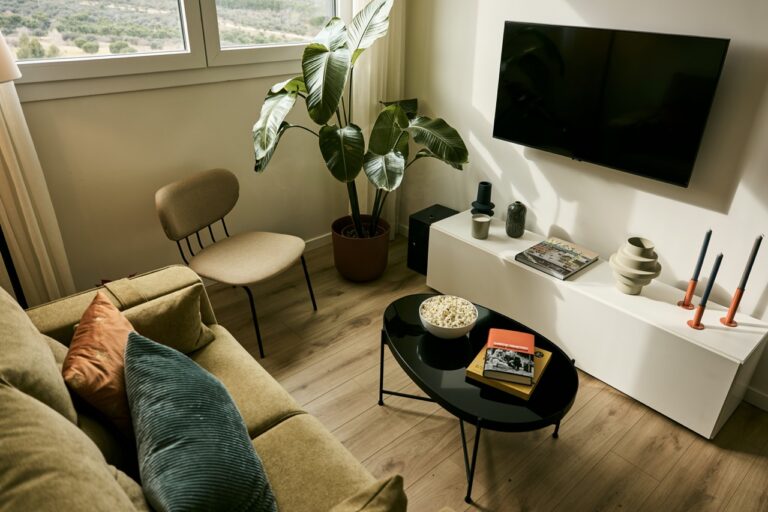
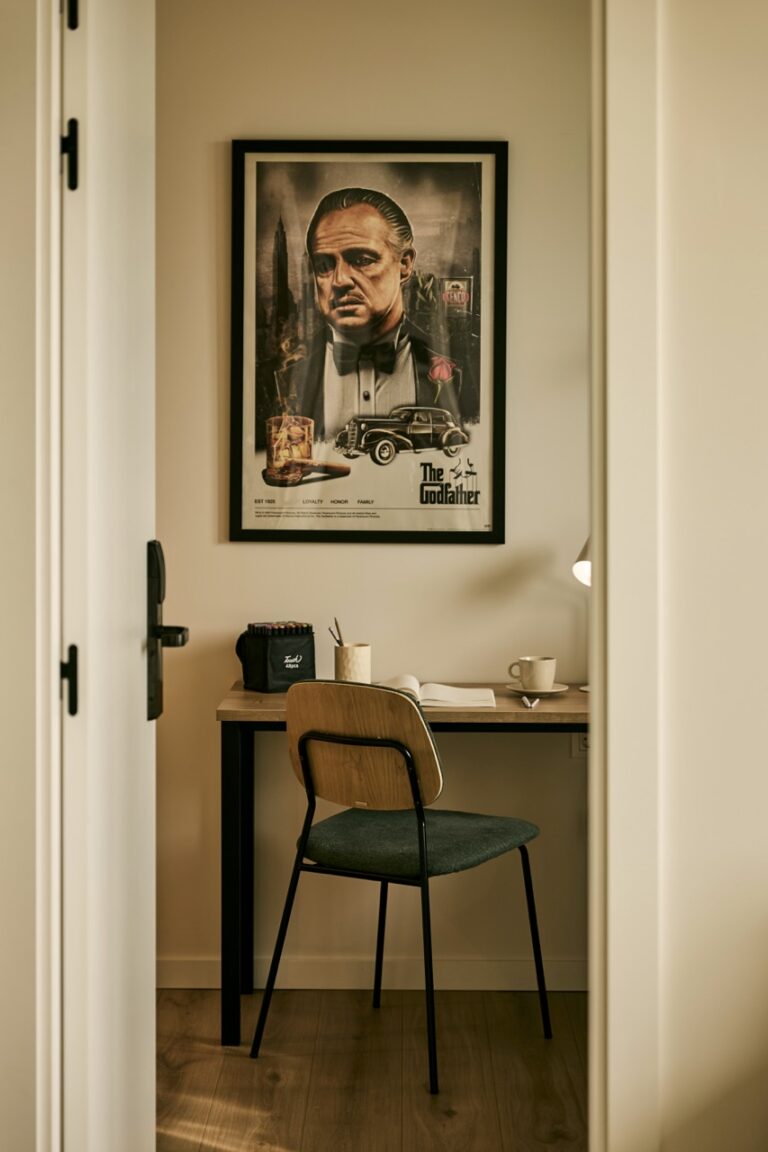
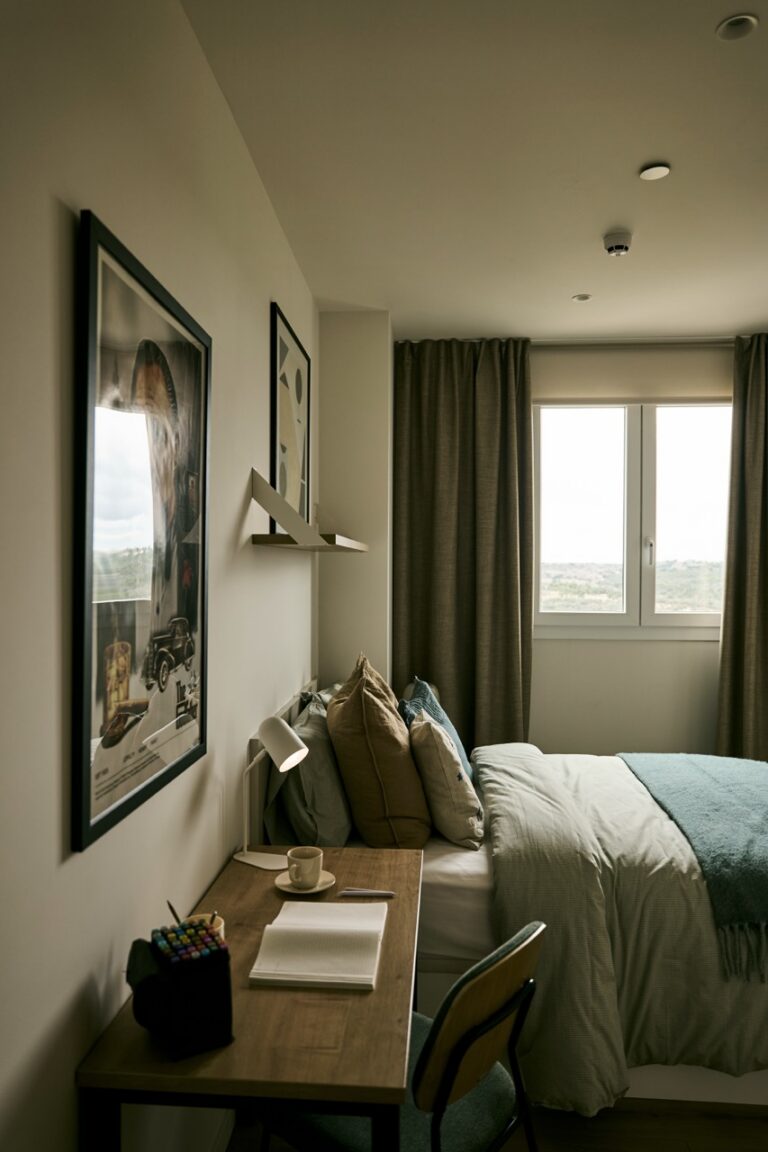
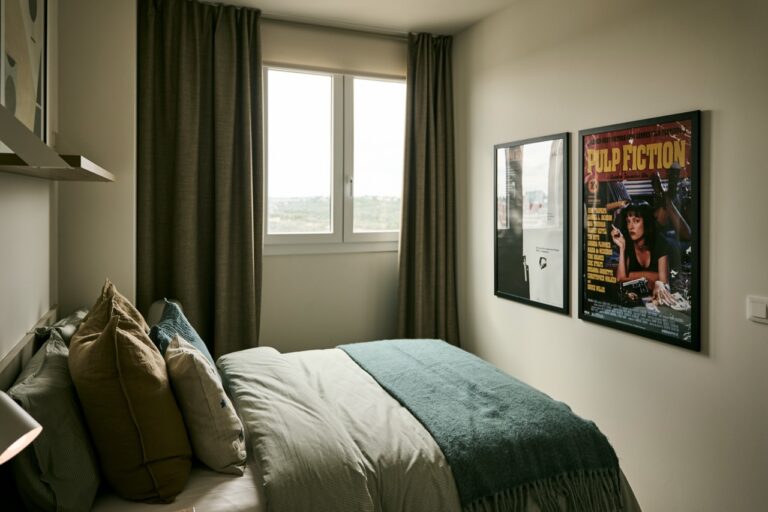
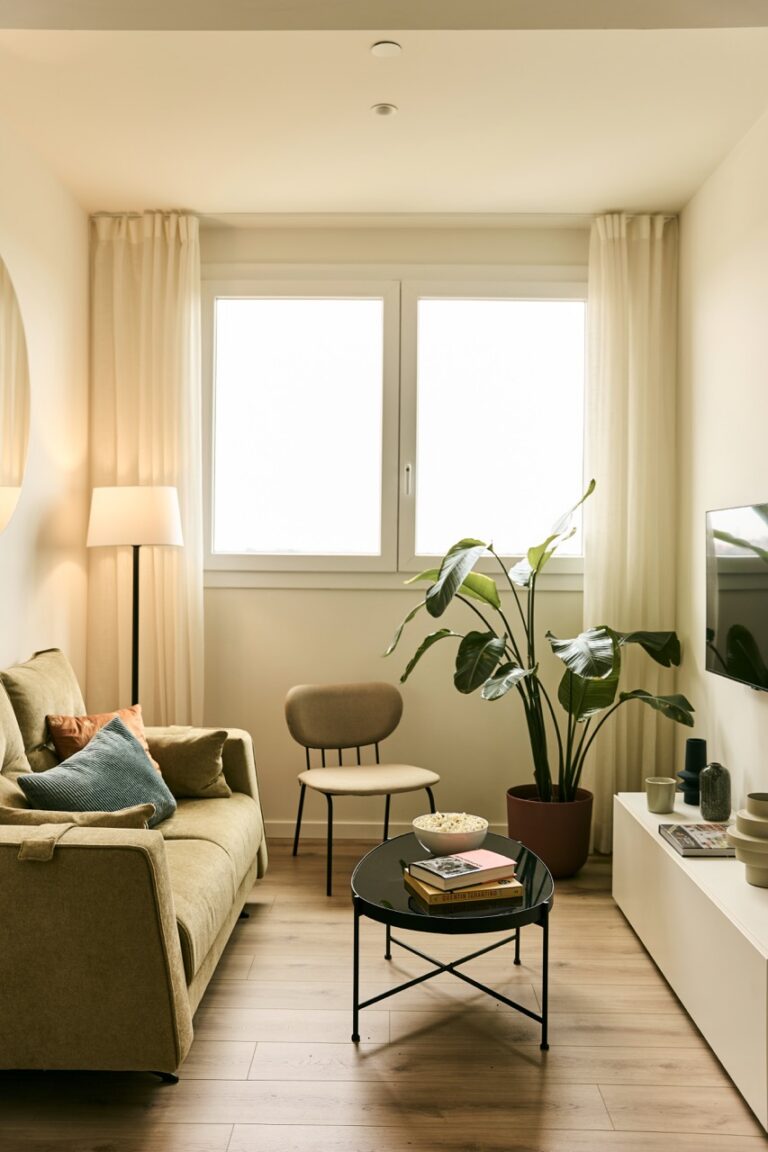
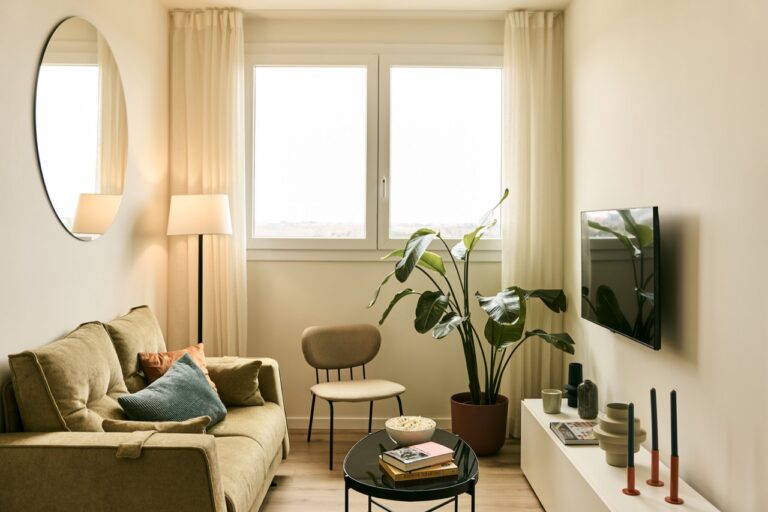
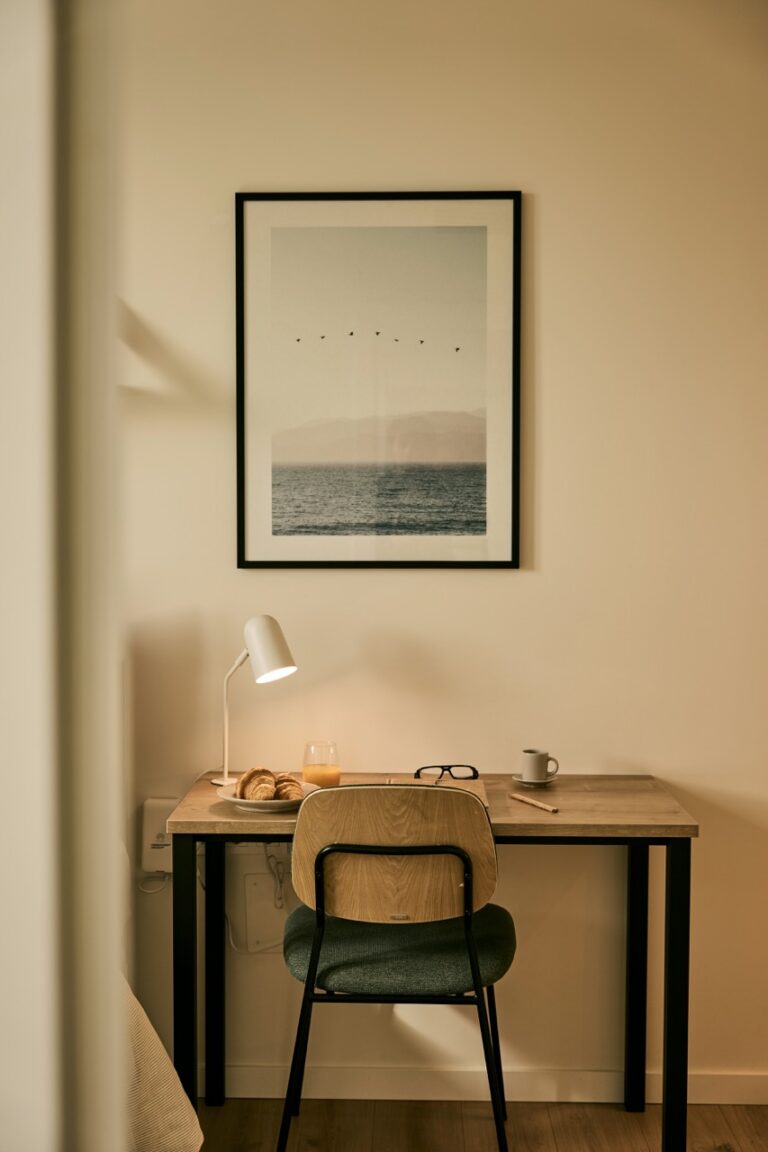
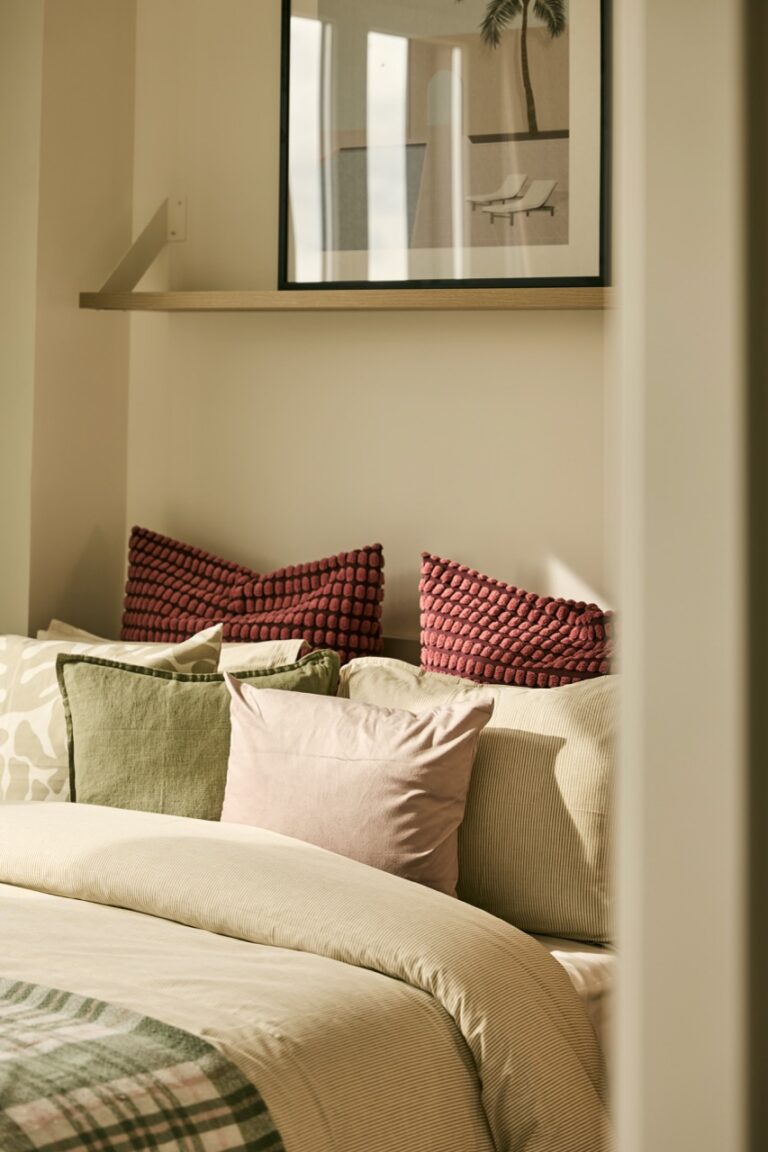
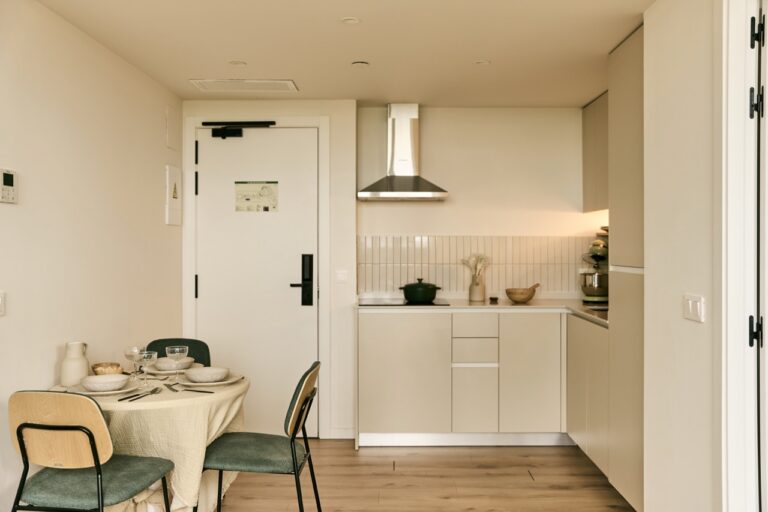
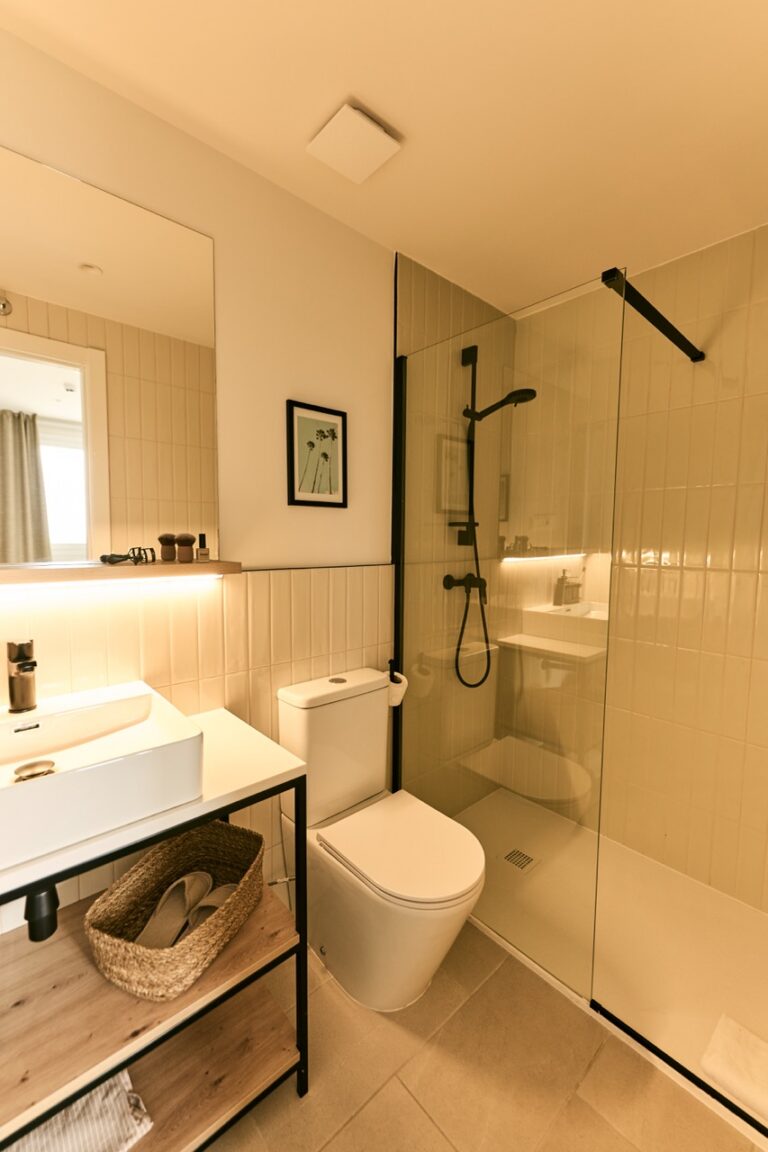
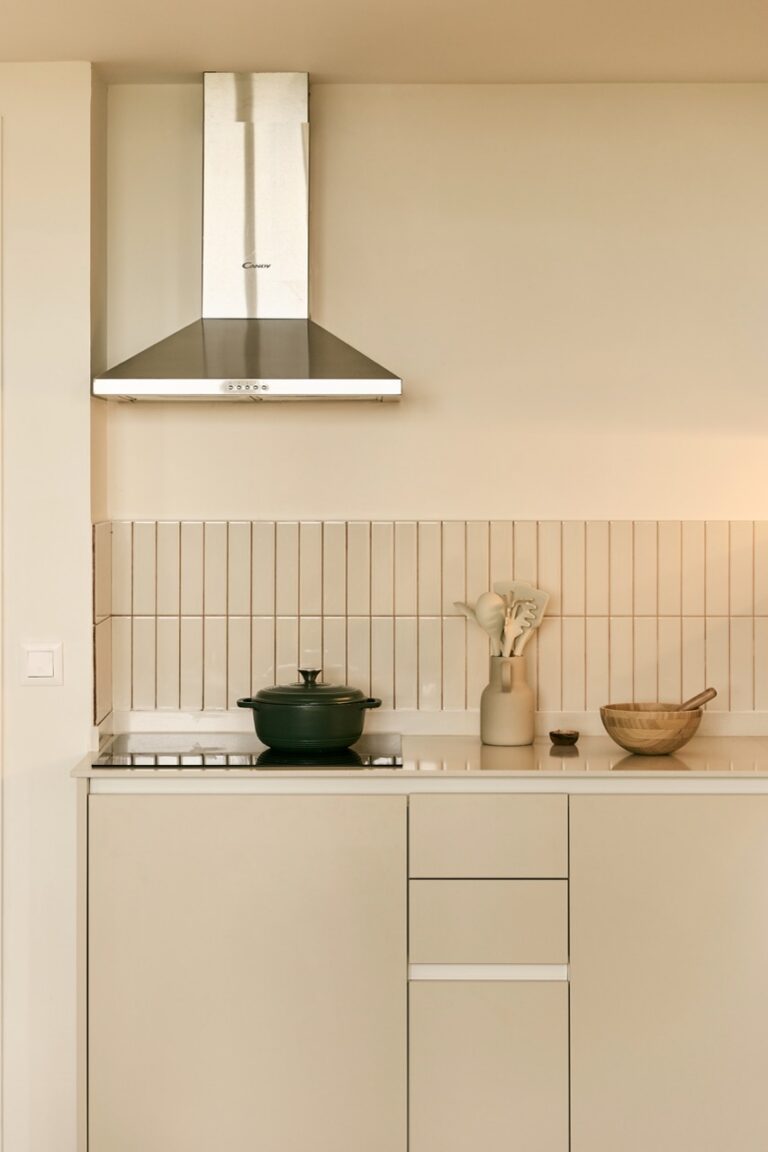
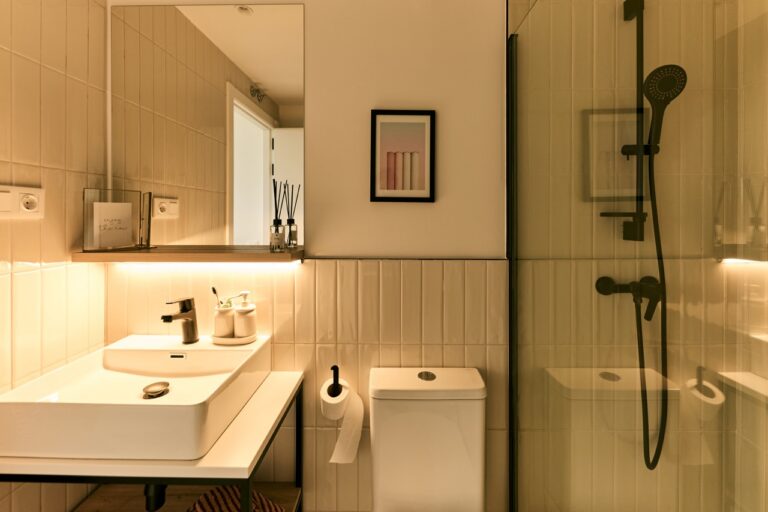
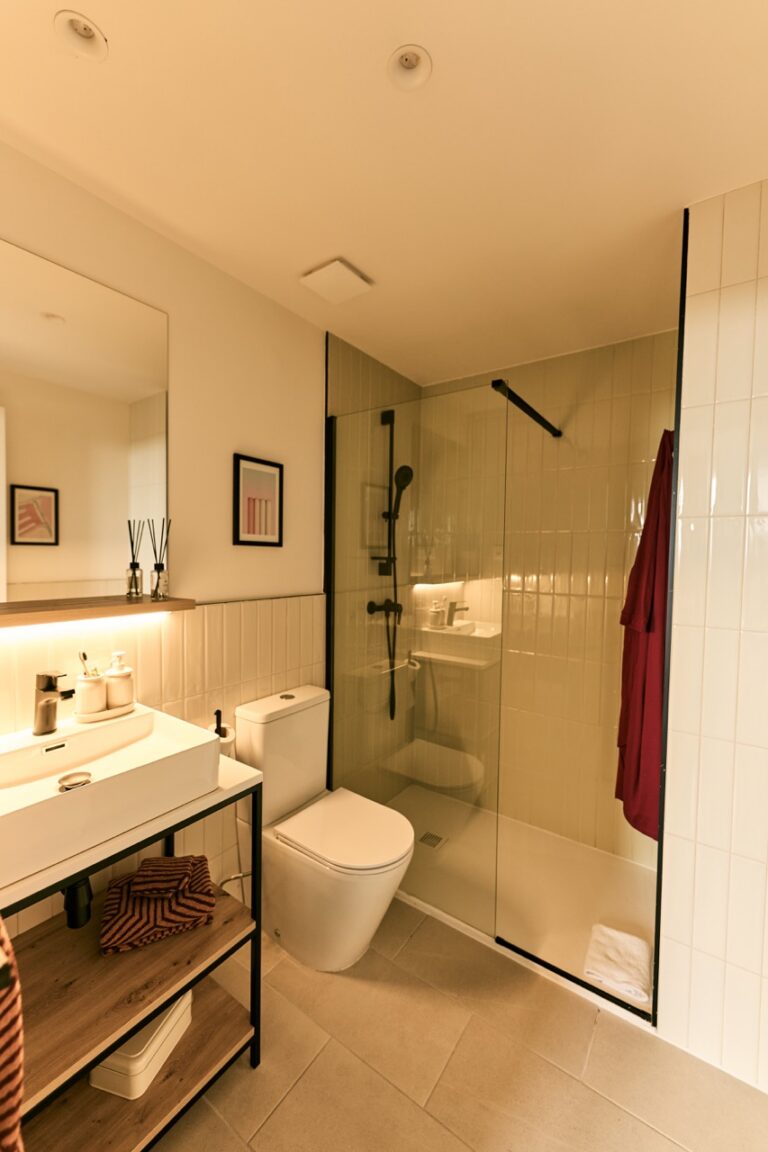
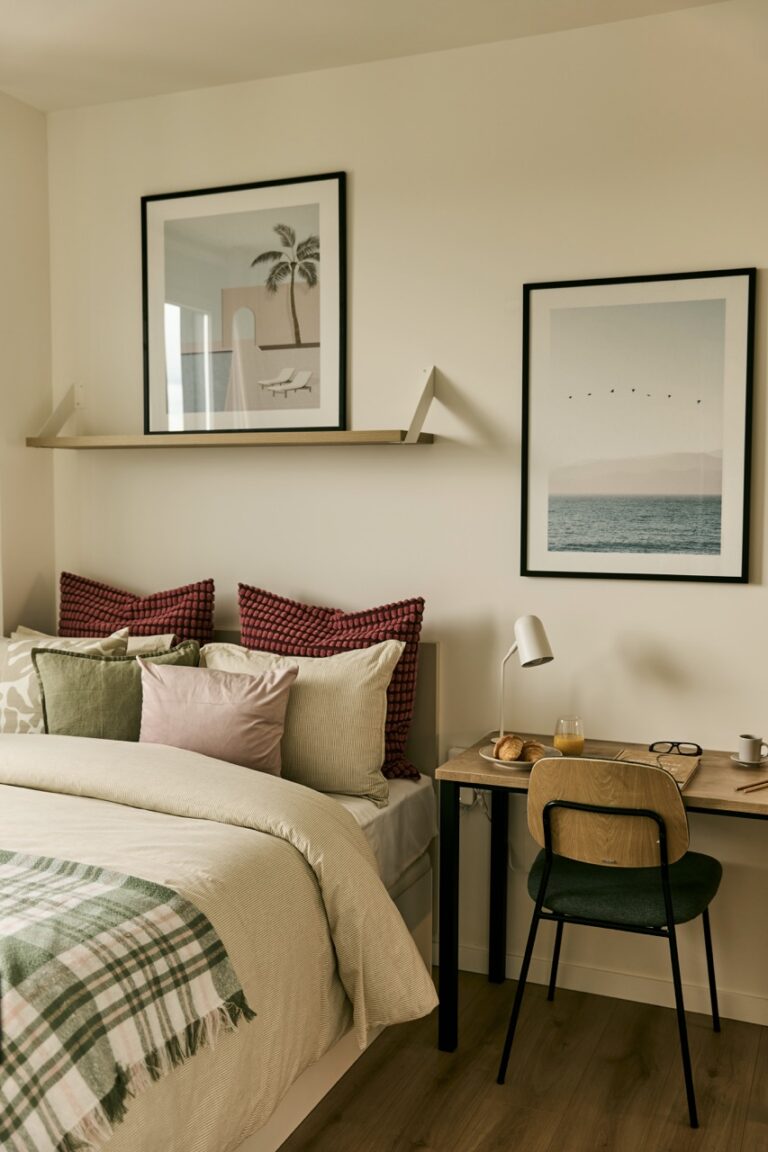
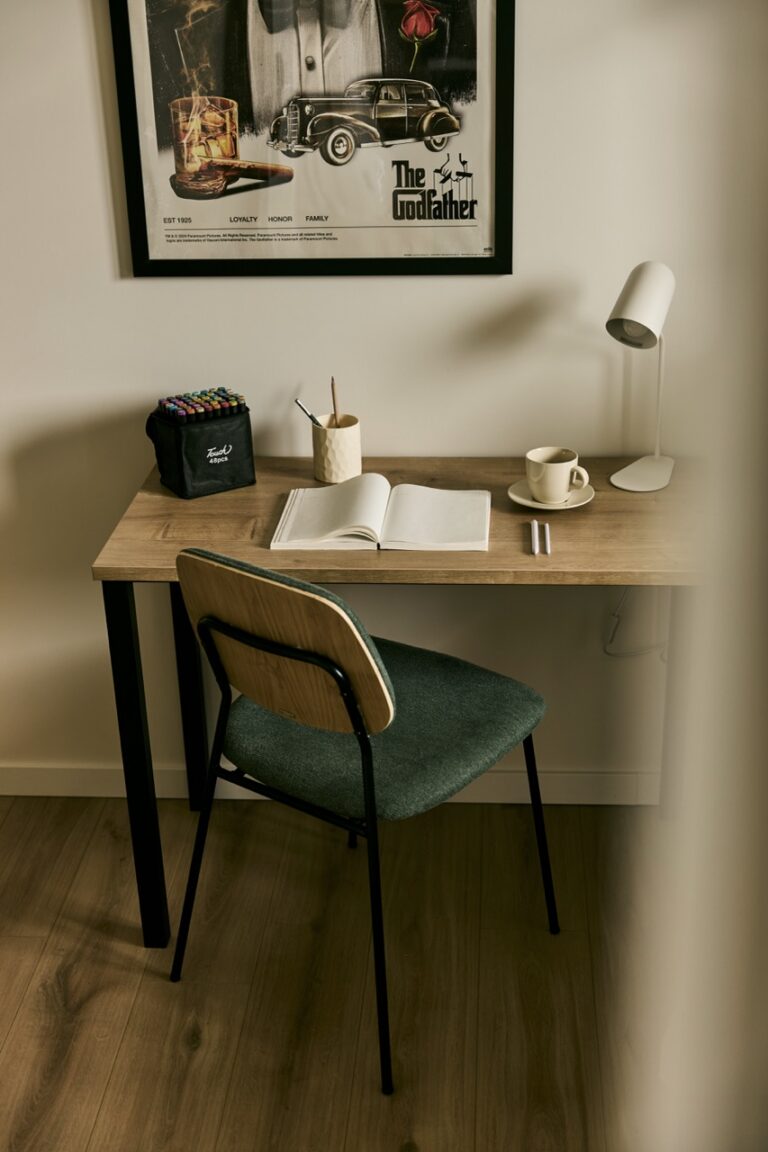
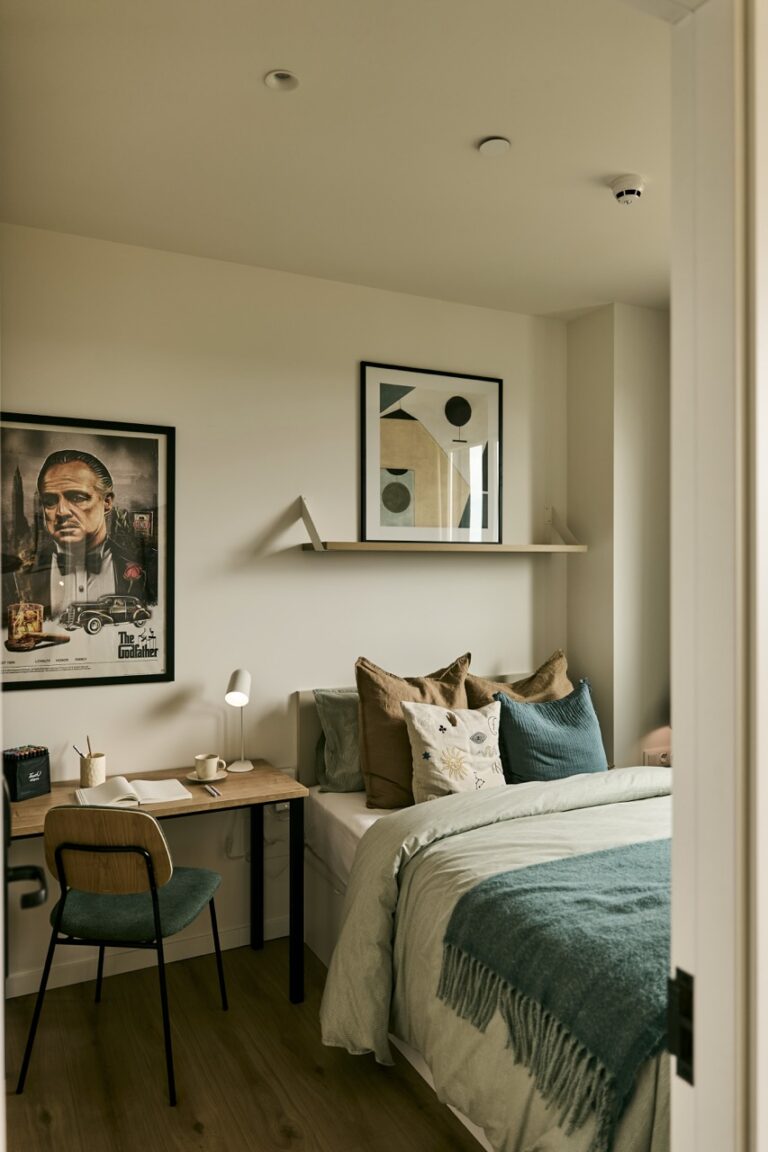
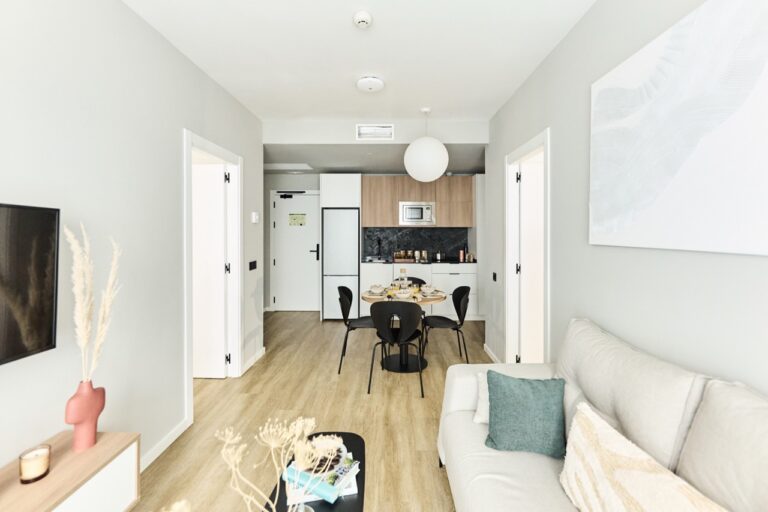
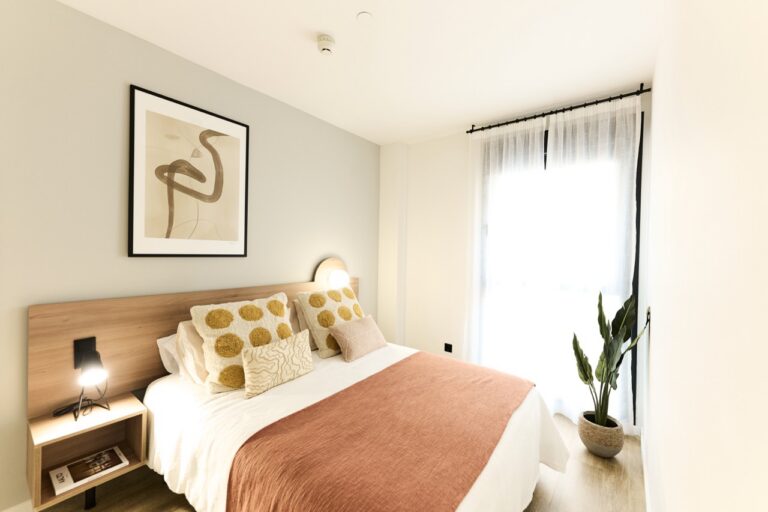
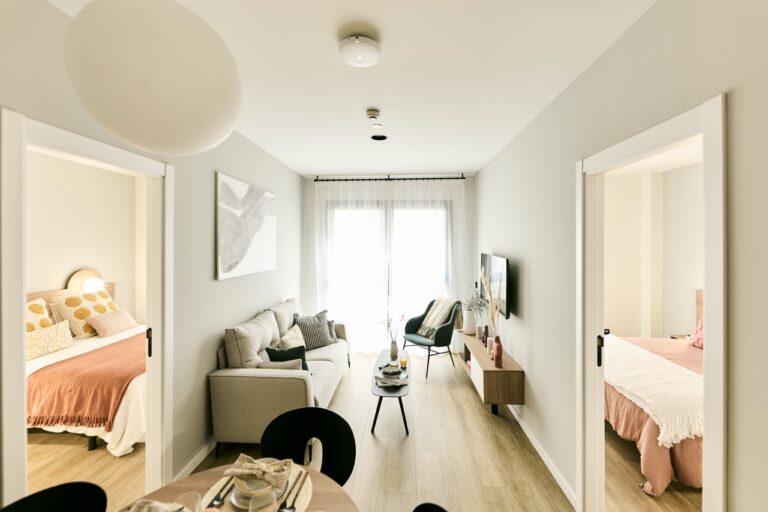
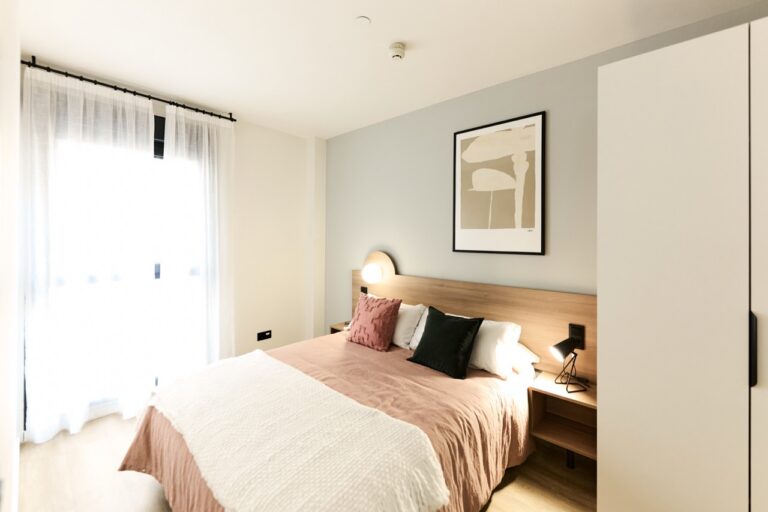
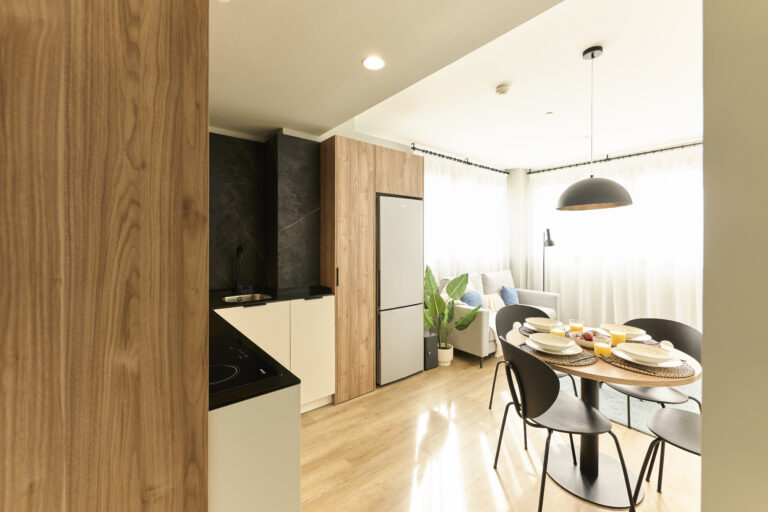
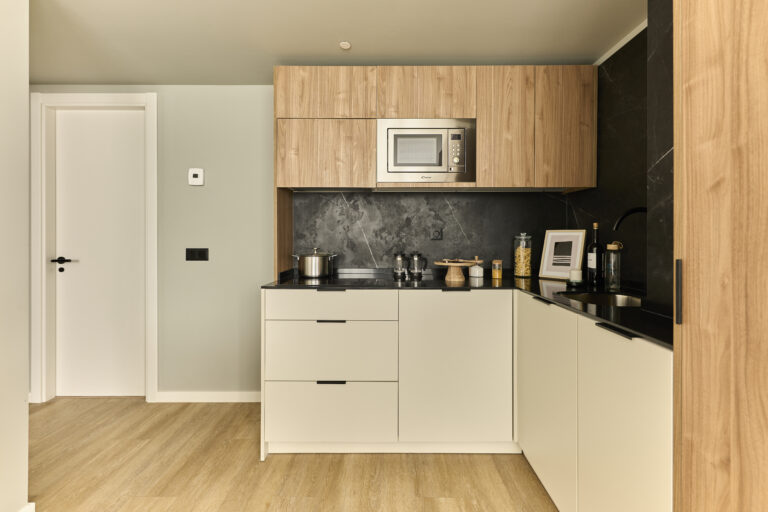
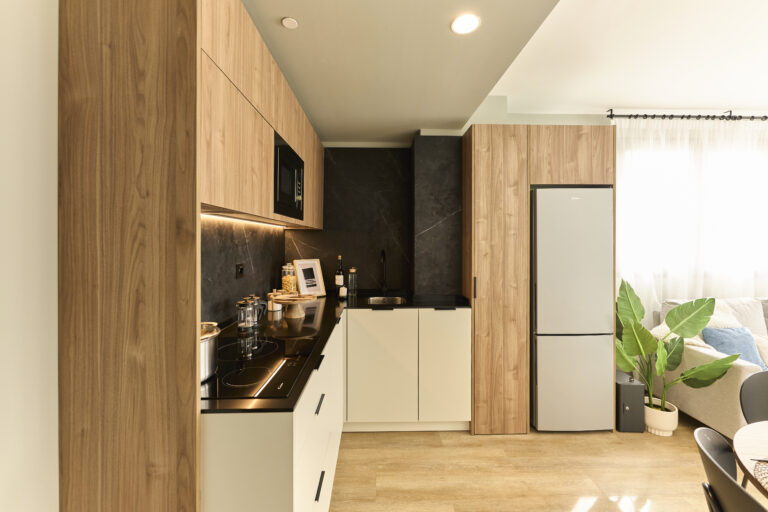
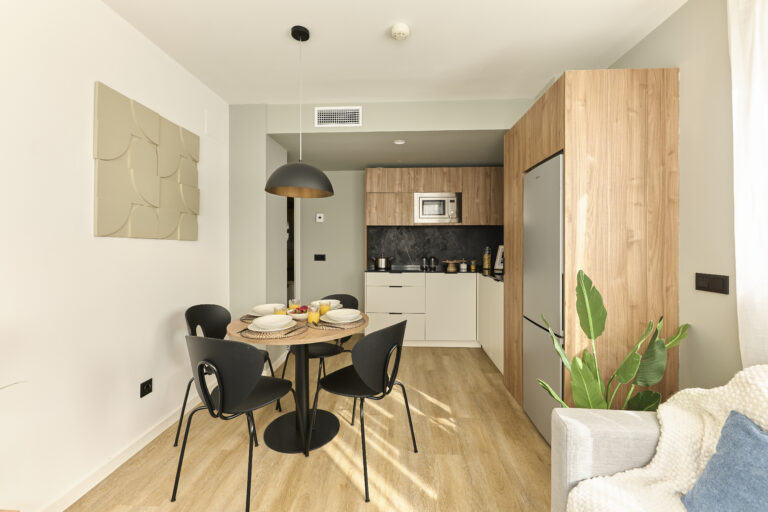
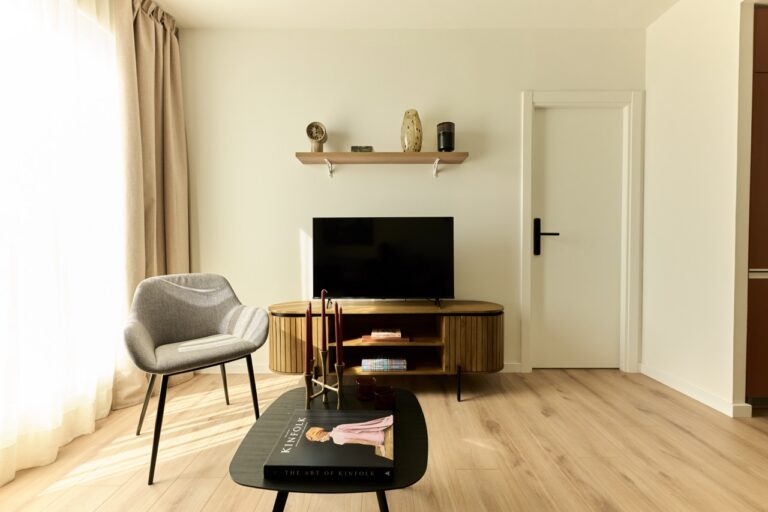
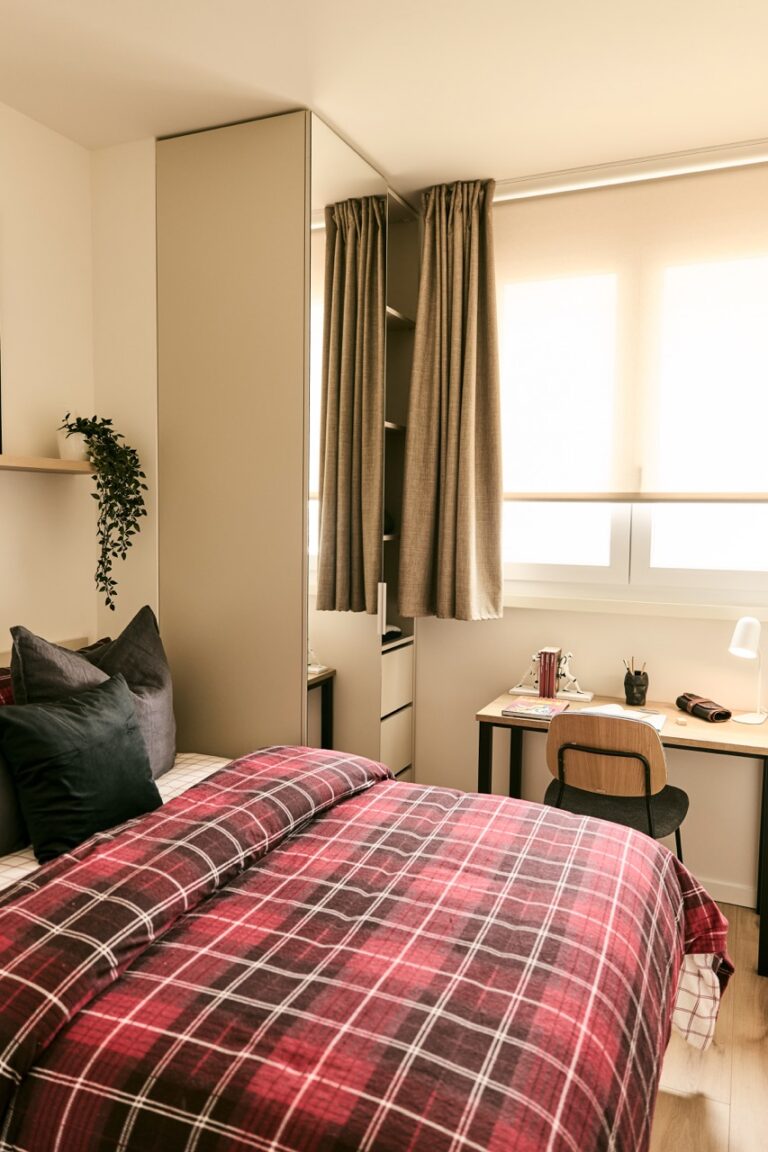
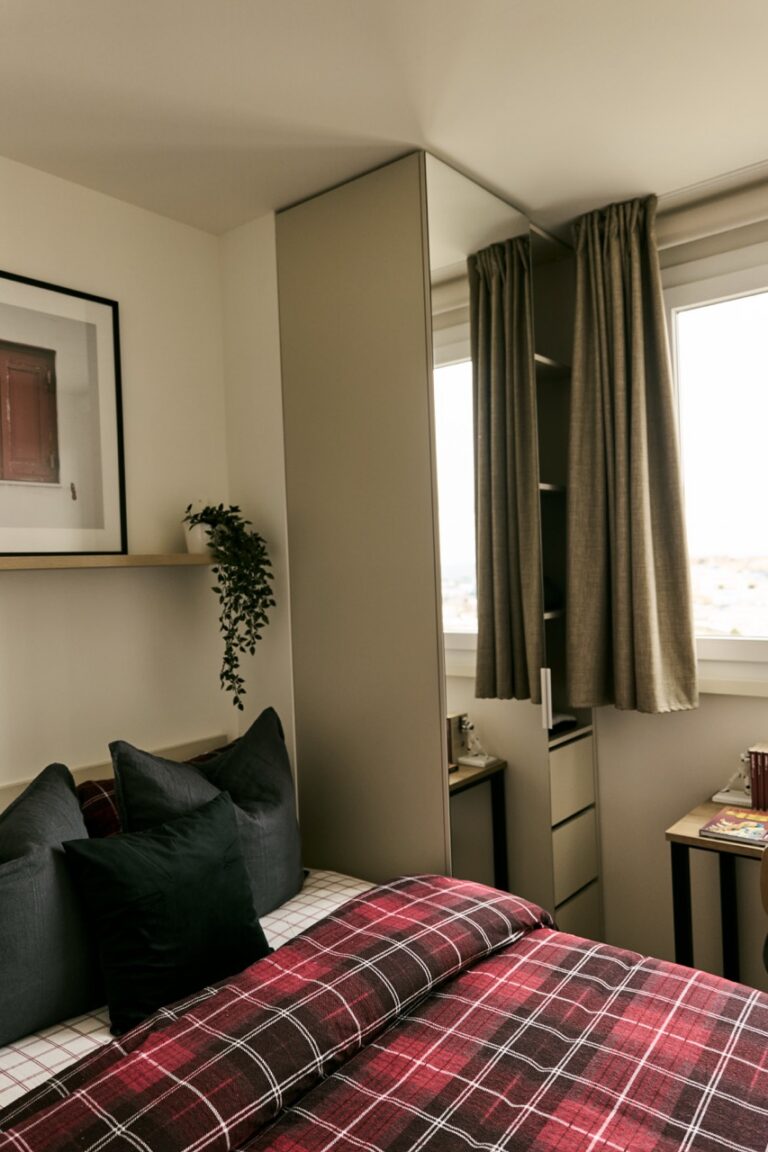
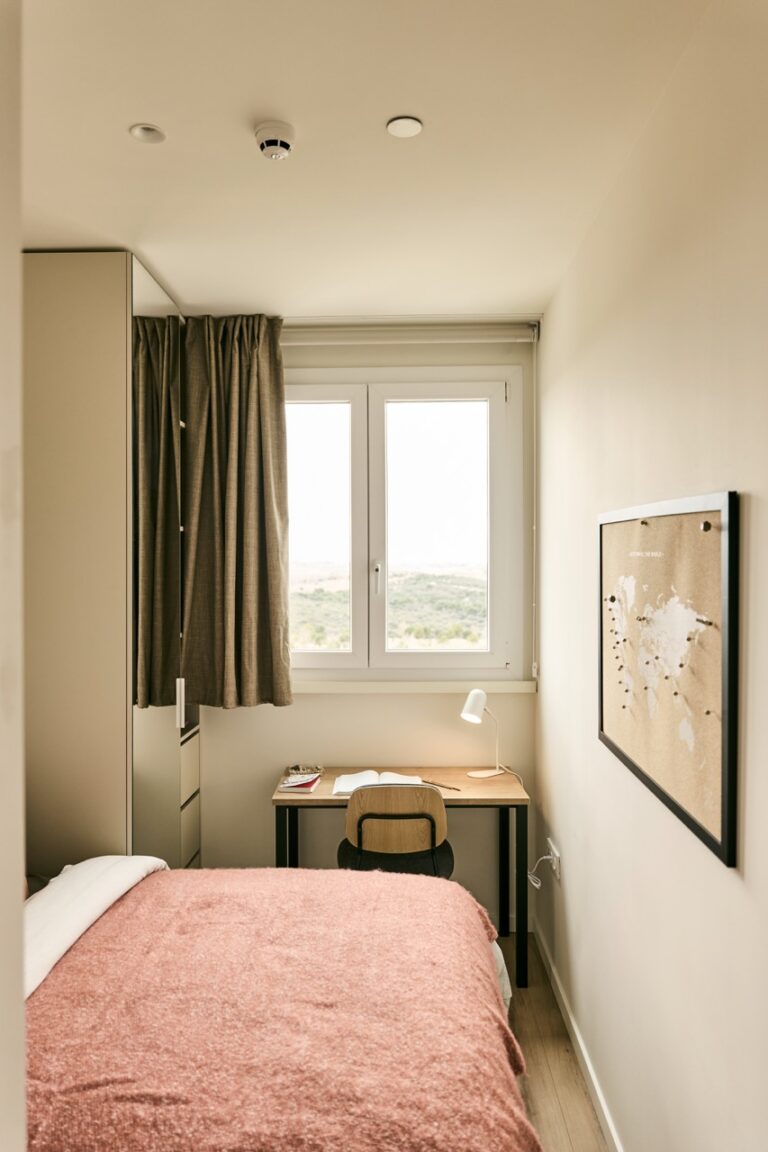
Finally, let’s address an important aspect for digital nomads: access to housing. Some travel in their own motorhomes or stay at campsites or hostels, but the usual thing is to live in rented houses, having to adapt to demands (contract duration, deposits, guarantees, etc.) that almost always contradict a nomadic lifestyle. Faced with this problem, it’s interesting to go for flexible accommodation options like Be Casa, where you have the privacy and intimacy of having your own apartment, but with all the flexibility in the world regarding the length of your stay: you can stay for days, weeks or months. You also save on the move, because the apartments are fully furnished and equipped, and you forget about having to sign a contract with the landlord, about the bills (electricity, water, gas or climate control) because it’s all included, even the cleaning of your home.
In addition, you have shared areas to share a pool, gym, café and outdoor spaces and a coworking area with individual desks or for working as a team, meeting rooms… and of course, you can connect to a high-speed wifi network anywhere in the accommodation.